
Sunroof vs Moonroof: What’s the Difference and Which Is Better?
Sunroof vs moonroof explained: learn the real differences, roof types, pros and cons, maintenance concerns, and which option is better for your car.
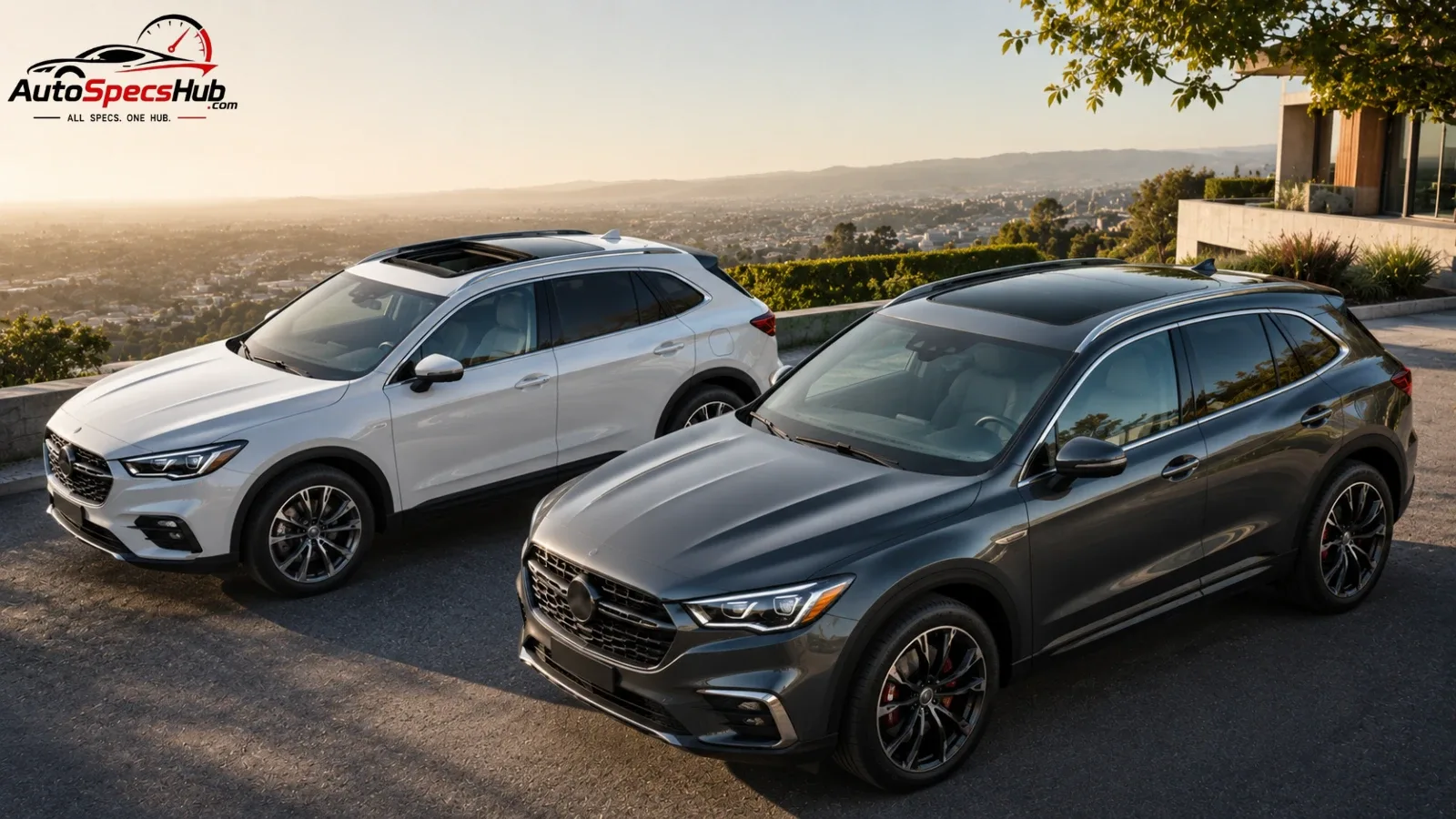
If you are shopping for a car with a glass roof, you may see the terms sunroof and moonroof used interchangeably. Traditionally, a sunroof was an opening roof panel, while a moonroof referred to a glass panel that let you see the sky. Today, however, automakers often use the terms differently, and the distinction has largely blurred.
So, what is the difference between a sunroof and a moonroof? In most modern cars, the actual roof design matters more than its name. Here is what you need to know about the different types, benefits, drawbacks, maintenance, and which option is right for you.
Sunroof vs Moonroof: What Is the Difference?
The traditional distinction is fairly simple.
A sunroof generally referred to a roof panel that could be opened to let sunlight and fresh air into the cabin. Older designs often used a solid, body-colored panel that could tilt, slide, or be completely removed.
A moonroof, by contrast, traditionally referred to a transparent or tinted glass panel. It allowed occupants to see the sky while the roof remained closed. Many moonroofs could also tilt or slide open.
Modern automotive terminology is much less consistent. Manufacturers may use sunroof, moonroof, or panoramic roof to describe similar systems. As a result, two vehicles can have very similar roof designs while using different names.
For a modern car buyer, what the roof actually does is more important than what the manufacturer calls it.
Why Is It Called a Moonroof?
The term moonroof became associated with glass roof panels because occupants could see the sky and moon through the glass when the panel was closed.
The term became particularly popular as glass-panel roof systems became more common during the 1970s. The Lincoln Continental Mark IV is often associated with the early factory moonroof concept.
Today, however, moonroof is mainly a descriptive or marketing term rather than a strict technical classification. Some automakers use "moonroof" for an opening glass panel, while others use "sunroof" for a similar system.
That is why checking a vehicle's actual equipment specifications is more useful than relying on terminology alone.
Types of Sunroofs and Moonroofs
The most useful way to compare these systems is by looking at how they are designed and operated.
Pop-Up Sunroof
A pop-up sunroof tilts upward, usually at the rear edge, to create a small opening for ventilation.
This relatively simple design is more commonly associated with older vehicles and aftermarket installations. It does not provide the large opening of a sliding roof, but it can improve airflow without moving the entire panel.
Sliding Sunroof
A sliding sunroof moves backward to create a larger opening. Depending on the design, the panel may slide above the roof or into the roof structure.
Many modern power-operated systems combine sliding and tilting functions, giving the driver a choice between ventilation and a larger opening.
Tilt-and-Slide Moonroof
This is one of the most common designs in modern cars.
The glass panel can tilt upward at the rear to provide ventilation or slide backward to create a larger opening. Many systems also include a powered interior sunshade.
This design offers a useful combination of natural light, fresh air, and an open-air feeling without requiring a convertible roof.
Panoramic Roof
A panoramic roof is substantially larger than a conventional sunroof or moonroof. It may extend over both the front and rear seating areas.
Some panoramic systems have an opening section, while others use fixed glass. Some feature two separate panels, while others use one large glass panel.
Therefore, "panoramic" describes the size and coverage of the roof, not necessarily whether it opens.
Fixed Glass Roof
A fixed glass roof does not open but provides a large view of the sky and brings more natural light into the cabin.
Because it has no opening mechanism, it can have fewer moving components than a powered sunroof. It can still provide much of the visual benefit of a panoramic roof while keeping the roof mechanically simpler.
Sunroof vs Moonroof: Which Is Better?
There is no universal winner.
If your priority is fresh air and ventilation, look for a roof that tilts or opens. If you mainly want natural light and a more open cabin, a glass moonroof or fixed panoramic roof may be enough.
If you are concerned about long-term mechanical complexity, a fixed glass roof has fewer moving components than a powered opening system.
The traditional distinction can be summarized as follows:
Feature | Traditional Sunroof | Traditional Moonroof |
Typical panel | Solid or opaque | Glass, usually tinted |
Natural light when closed | Limited | Yes |
Opens | Usually | Often |
Tilts | Depending on design | Common |
Slides | Depending on design | Common |
Panoramic versions | Available | Commonly marketed |
Modern terminology | Often interchangeable | Often interchangeable |
For modern vehicles, the actual equipment matters more than the name.
Benefits of a Sunroof and Moonroof
More Natural Light
A glass roof can make a cabin feel brighter and less enclosed.
The effect can be particularly noticeable in SUVs and crossovers, where a large panoramic roof can brighten both the front and rear seating areas.
Better View of the Sky
A glass roof gives passengers an upward view that a conventional metal roof cannot provide.
For rear passengers, a panoramic roof can make the cabin feel more open, especially during longer journeys.
Extra Ventilation
An opening roof provides another way to ventilate the cabin.
Tilting the rear of the panel can allow warm air to escape while providing a gentler airflow than fully opening the roof or lowering the windows.
More Premium Feel
Sunroofs and panoramic roofs are often available on higher trim levels and premium vehicles.
For some buyers, the additional glass and ability to open the roof make the interior feel more luxurious and enjoyable.
If you are comparing equipment across different models and variants, AutoSpecsHub car specifications database can help you check individual vehicles.
Disadvantages of Sunroofs and Moonroofs
A glass roof can be a desirable feature, but it also introduces some potential drawbacks.
More Mechanical Complexity
An opening roof may contain electric motors, tracks, cables, switches, seals, drainage channels, glass, and a sliding sunshade.
These components normally work together without problems, but they create more potential failure points than a conventional fixed roof.
Potential Water Leaks
A properly functioning sunroof should keep water out of the cabin, but opening roof systems rely on seals and drainage channels to manage water.
Blocked drains, damaged seals, or other problems can allow water to enter the vehicle.
This is particularly important when buying an older used car.
More Heat and Sun Exposure
A large glass roof can allow more sunlight into the cabin than a conventional metal roof.
Tinted glass and an interior shade can reduce direct sunlight, but the cabin can still become warmer when the vehicle is parked in strong sunlight.
The actual effect depends on the glass, shade, climate, and vehicle design.
Additional Weight
Glass panels and their operating mechanisms add weight compared with a conventional roof.
The effect on fuel economy and performance varies by vehicle, so it should not be treated as a major disadvantage in every case.
Potentially Higher Repair Costs
If a roof motor, track, shade, seal, or glass panel fails, the repair can be more expensive than fixing a conventional fixed roof.
That does not mean every sunroof will become a costly problem. It simply means buyers should consider the additional components when evaluating an older vehicle.
Panoramic Sunroof vs Regular Moonroof
A panoramic roof provides a larger glass area and can create a more impressive interior, but bigger does not automatically mean better.
A conventional opening moonroof may be preferable if ventilation is your main priority. A panoramic roof may be more appealing if you value natural light, rear-seat visibility, and an open cabin atmosphere.
You should also check whether the panoramic roof actually opens.
Some systems have a large fixed glass section with a smaller opening section, while others are completely fixed. Therefore, panoramic does not automatically mean fully opening.
How Moonroofs Open and Operate
Many modern moonroofs can tilt, slide, or perform both functions, but some glass roof panels are fixed.
When comparing vehicles, check for:
Tilt function
Sliding function
Powered operation
Fixed glass
Powered sunshade
One-piece or multi-panel design
Front and rear glass coverage
These specifications tell you much more than the name used in the sales brochure.
What to Check on a Used Car With a Sunroof
A sunroof should be included in your inspection when buying a used vehicle.
Start by opening and closing the roof several times. The panel should move smoothly without grinding, clicking, hesitation, or unusual noises.
Next, inspect the headliner and roof trim for water stains or signs of previous moisture. Check the glass for chips or cracks and look at the visible seals for obvious deterioration.
Test the interior sunshade as well. It should open and close smoothly without sticking.
If possible, ask whether the roof has received any previous repairs or maintenance.
You should also inspect the rest of the vehicle rather than concentrating only on the roof. Our used car checklist covers other important areas to examine before buying a used vehicle.
Sunroof Reliability and Maintenance
A sunroof does not automatically make a car unreliable.
Overall vehicle reliability depends on the model, powertrain, components, maintenance history, age, mileage, and condition. However, an opening roof does introduce additional mechanical and sealing components that a conventional fixed roof does not have.
For that reason, a used-car buyer should treat the sunroof as another system that needs to be inspected.
A sunroof alone should not determine whether a vehicle is reliable. It is simply one part of the vehicle that should be considered alongside the engine, transmission, electrical systems, suspension, brakes, and overall maintenance history.
Is a Sunroof Worth Paying Extra For?
For the right buyer, yes.
A sunroof can be worthwhile if you enjoy natural light, an airy cabin, fresh air, or the additional sense of space provided by a large glass roof.
It can also be attractive to buyers who want a higher trim level with additional comfort and convenience equipment.
However, a sunroof should not outweigh more important considerations such as safety, reliability, comfort, practicality, fuel economy, and maintenance costs.
For example, if you are deciding between an SUV and a sedan, the roof should only be one small part of the decision. Passenger space, cargo capacity, driving position, running costs, and everyday usability are usually more important. See our SUV vs Sedan comparison for a broader look at those differences.
Sunroof vs Moonroof: The Bottom Line
So, what is the real difference between a sunroof and a moonroof? Traditionally, a sunroof was an opening roof panel, while a moonroof referred to a glass panel. Today, automakers often use the terms interchangeably.
When choosing a car, focus less on the name and more on the actual roof system. Check whether it opens, tilts, slides, or remains fixed, along with the glass size, sunshade, and maintenance requirements.
Neither is universally better. The right choice depends on whether you value fresh air, natural light, an open cabin feel, or simpler long-term ownership.
Frequently Asked Questions
Is a sunroof the same as a moonroof?
Not traditionally. A sunroof generally referred to an opening roof panel, while a moonroof traditionally referred to a glass panel. Today, manufacturers often use the terms interchangeably.
Which is better, a sunroof or a moonroof?
Neither is automatically better. The actual design matters more than the name. Consider whether the roof opens, tilts, slides, and how much light and ventilation it provides.
Does a moonroof open?
Many modern moonroofs open by tilting, sliding, or both. However, some glass roof panels are fixed, so always check the specifications of the individual vehicle.
Is a panoramic roof the same as a moonroof?
No. Panoramic describes the size and coverage of the glass roof. A panoramic roof may be fixed or partially opening.
Can a sunroof leak?
Yes, although a properly maintained sunroof should normally keep water outside the cabin. Damaged seals, blocked drainage channels, or mechanical problems can allow water to enter.
Does a sunroof make a car hotter?
It can. A large glass roof allows more sunlight into the cabin, although tinted glass and an interior shade can reduce the effect.
Is a car with a sunroof more expensive to maintain?
Not necessarily, but an opening roof has additional components that can require maintenance or repair. Costs depend on the vehicle and the component involved.