
Speedometer Not Working: Causes and What to Check First
Speedometer not working? Learn the common causes, from speed sensors and fuses to the instrument cluster, plus what to check first and when to see a mechanic.
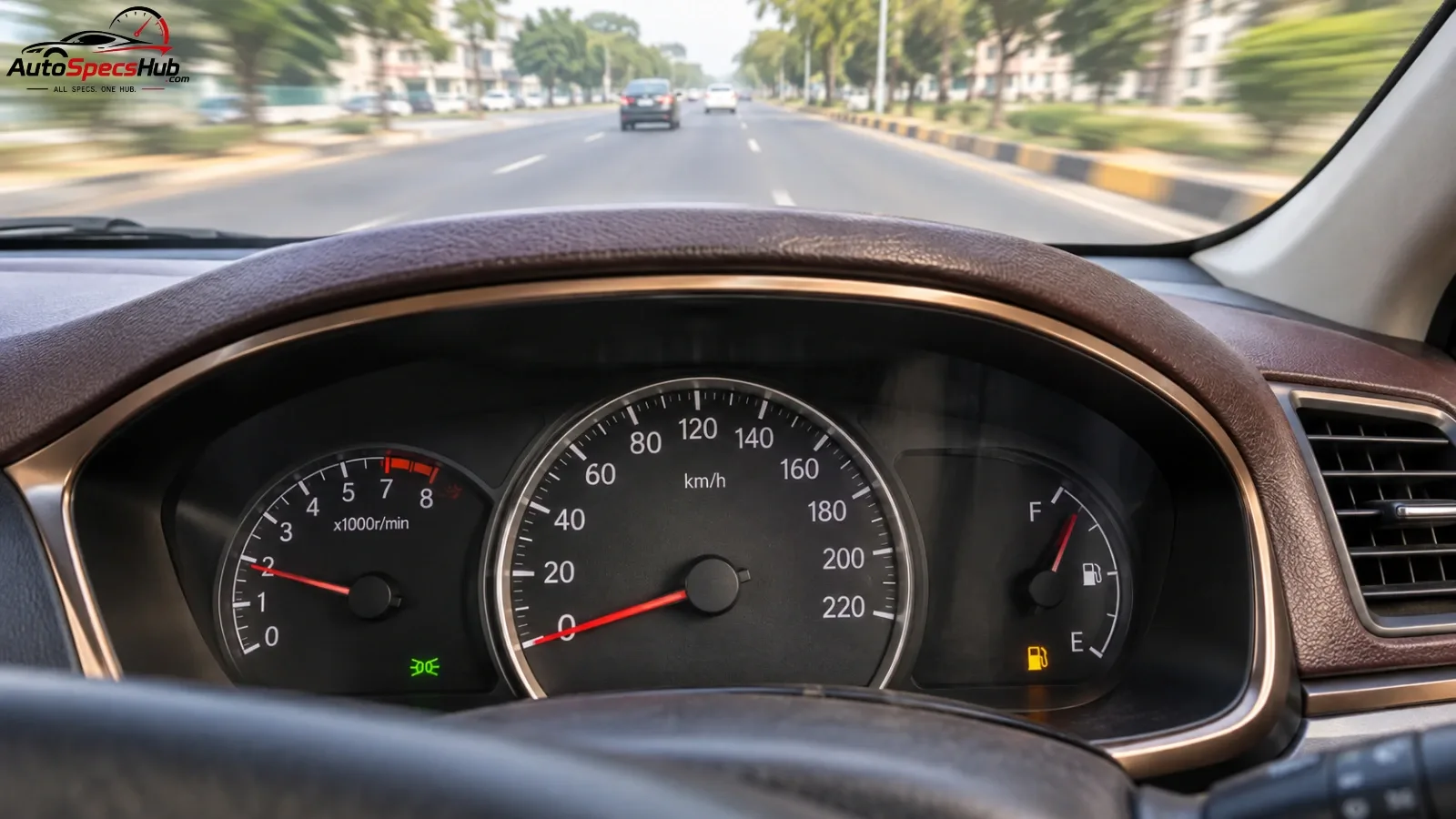
You glance down to check your speed and the needle is stuck at zero, even though the car is clearly moving.
It is an annoying problem, and an easy one to put off because the car still drives. But a dead speedometer can point to a fault that affects other systems, and it leaves you guessing how fast you are going.
When a speedometer is not working, the cause is usually a failed speed sensor, damaged wiring, a blown fuse or a faulty instrument cluster. The table below helps you narrow it down before you start checking.
Quick Answer
What you notice | Likely cause | Check first |
|---|---|---|
Needle at zero and the odometer is frozen too | The speed signal is missing: sensor, wiring or fuse | The fuse, then a code scan |
Needle is dead but the odometer still counts | Often the gauge or instrument cluster, but the speed signal can still be at fault | Have the cluster tested |
Speedometer and ABS light are both on | A wheel speed sensor or ABS fault, on cars that take speed from the ABS | A scan of the ABS system |
Check engine light is on with a dead speedometer | A speed sensor fault | The stored code |
It stopped right after electrical work or a repair | A disturbed connector or a blown fuse | The connectors and the fuse |
How a Speedometer Gets Its Reading
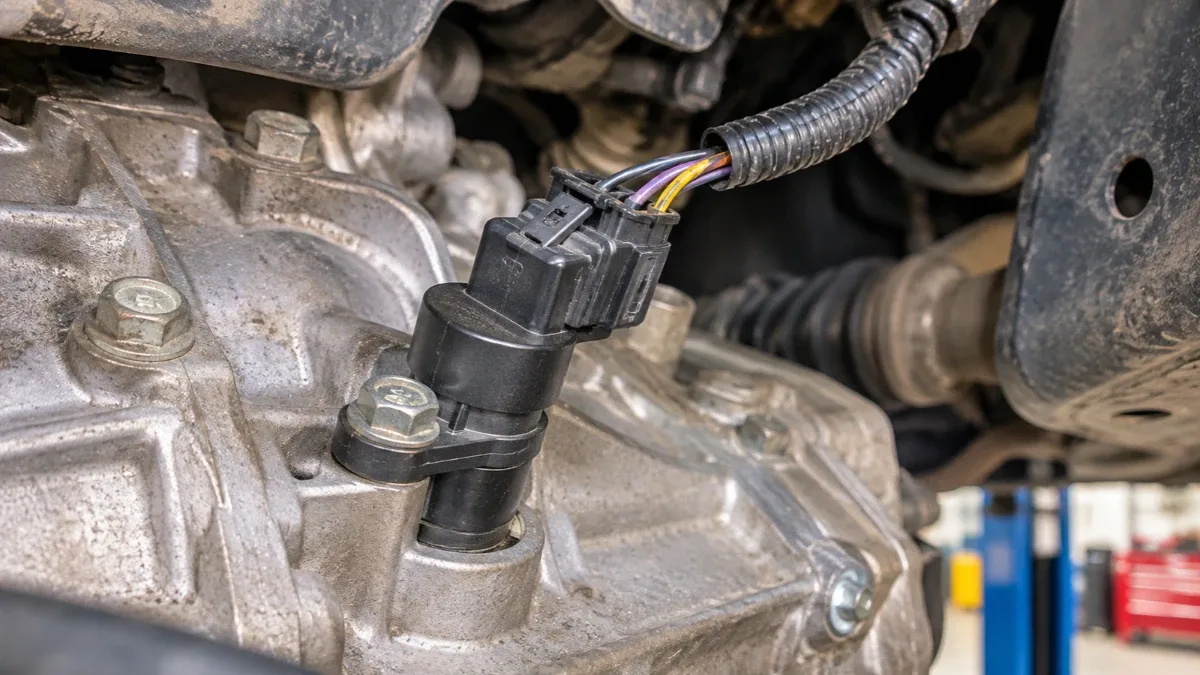
On most modern cars, a sensor measures how fast a shaft or wheel is turning and sends that signal to the car's computer and the instrument cluster. The cluster then shows it as speed. On many cars that sensor sits on the transmission.
On some cars, the speed signal comes from the wheel speed sensors that the ABS uses. Older cars may use a mechanical cable instead of a sensor.
Common Causes of a Speedometer Not Working
1. Faulty Speed Sensor
The vehicle speed sensor is the most common cause. If it fails, the car has no way to measure speed, so the needle can drop to zero, drift or move erratically. The check engine light often comes on at the same time.
2. Damaged Wiring or Connectors
Rust, corrosion or damaged insulation can break the signal on its way to the cluster. A needle that flickers between speeds often points to wiring, not the sensor.
3. Blown Fuse
If the fuse that feeds the speedometer or instrument cluster blows, the gauge can stop working. Your owner's manual shows which fuse to check.
4. Instrument Cluster Fault
Sometimes the signal is fine, but the gauge itself fails to show it. Cluster faults can also affect other gauges and warning lights, so check whether anything else on the dash is acting up.
5. ABS Wheel Speed Sensor or Module
On some cars, the speedometer takes its signal from the ABS system. If a wheel sensor fails, the ABS light often comes on and the speedometer can stop. Not every car works this way, since others use a separate speed sensor, so a scan helps confirm.
6. Speedometer Cable
Cars with a mechanical speedometer can have a worn or broken cable. This is rare on modern cars.
What If the Speedometer Works but Reads Wrong?
That is a different problem. Changing tire size or altering the gearing can throw the reading off. If the needle moves but you suspect it is wrong, compare it against a phone GPS reading on a steady road.
What to Check First
Start with the cheap and simple checks, then move on.
Look at the dash. Check whether the odometer works and whether the check engine or ABS light is on. These clues point to the likely cause.
Check the fuse. Replace a blown fuse with one of the same rating. If it blows again, there is an electrical fault that needs tracing.
Scan for codes. An OBD-II scanner reads stored trouble codes. A code is a starting point, not a diagnosis, so do not replace parts on a code alone.
Inspect wiring and connectors. Look at the sensor connector and nearby wiring for damage, rust or a loose fit. Never work under the car supported only by a jack.
Get it diagnosed. If nothing obvious turns up, a technician can test the sensor, wiring and cluster.
Can You Drive With a Speedometer Not Working?
The car will still move, but it is not a good idea to keep driving this way for long. You cannot judge your speed accurately, and the fault may be affecting other systems. If you have to drive, use a phone GPS speed reading as a short-term stopgap.
If your check engine light is flashing rather than steady, that is a different matter. It usually points to an engine misfire and needs prompt attention, so read what a flashing check engine light means before driving on.
Other Things a Bad Speed Signal Can Affect
The speed signal does more than drive the gauge. A bad speed signal can also affect cruise control, ABS and traction control. On some cars, a missing speed signal can cause erratic shifting.
If shifting feels rough or late as well, look into transmission problems before assuming it is only the gauge.
When to See a Mechanic
Book a diagnosis if the fuse and a visual check turn up nothing. Do the same if the ABS light, check engine light or shifting problems come with it.
Repair cost depends on what failed. A fuse is a small job, while a sensor or cluster repair usually costs more.
The Short Version
A dead speedometer rarely means the car is about to stop, but it deserves attention. Start with the dash clues, the fuse and a code scan, then move to wiring and the sensor. Do not replace a sensor or cluster on a guess.
FAQs
Why does my speedometer work sometimes and stop at other times?
An on-and-off speedometer usually points to a loose or damaged connection, worn wiring or a sensor that is starting to fail. Intermittent faults can still store codes, so scan the car even when it seems to be working again.
Is it illegal to drive with a broken speedometer?
It can be, depending on where you live. Some places require a working speedometer, and it can matter at inspection time. Check your local rules and repair it promptly.
Can I fix a speedometer myself?
You can check the fuse, look for obvious wiring damage and read codes. Replacing a sensor is possible on some cars, but its location varies and a wrong guess wastes money. Cluster repairs often need a specialist.
Can a bad speed sensor affect how the engine runs?
It can. The engine computer also uses the speed signal, so a bad sensor can affect fuel delivery and ignition timing on some cars.
What does code P0500 mean?
P0500 is the generic code for a vehicle speed sensor fault. It tells you the computer sees a problem with the speed signal, but not whether the sensor, the wiring or something else is the cause.