
What Is Regenerative Braking and How Does It Work?
What is regenerative braking? Learn how it works in hybrid and electric cars, how it affects brake wear, what it feels like, and why it sometimes feels weaker.
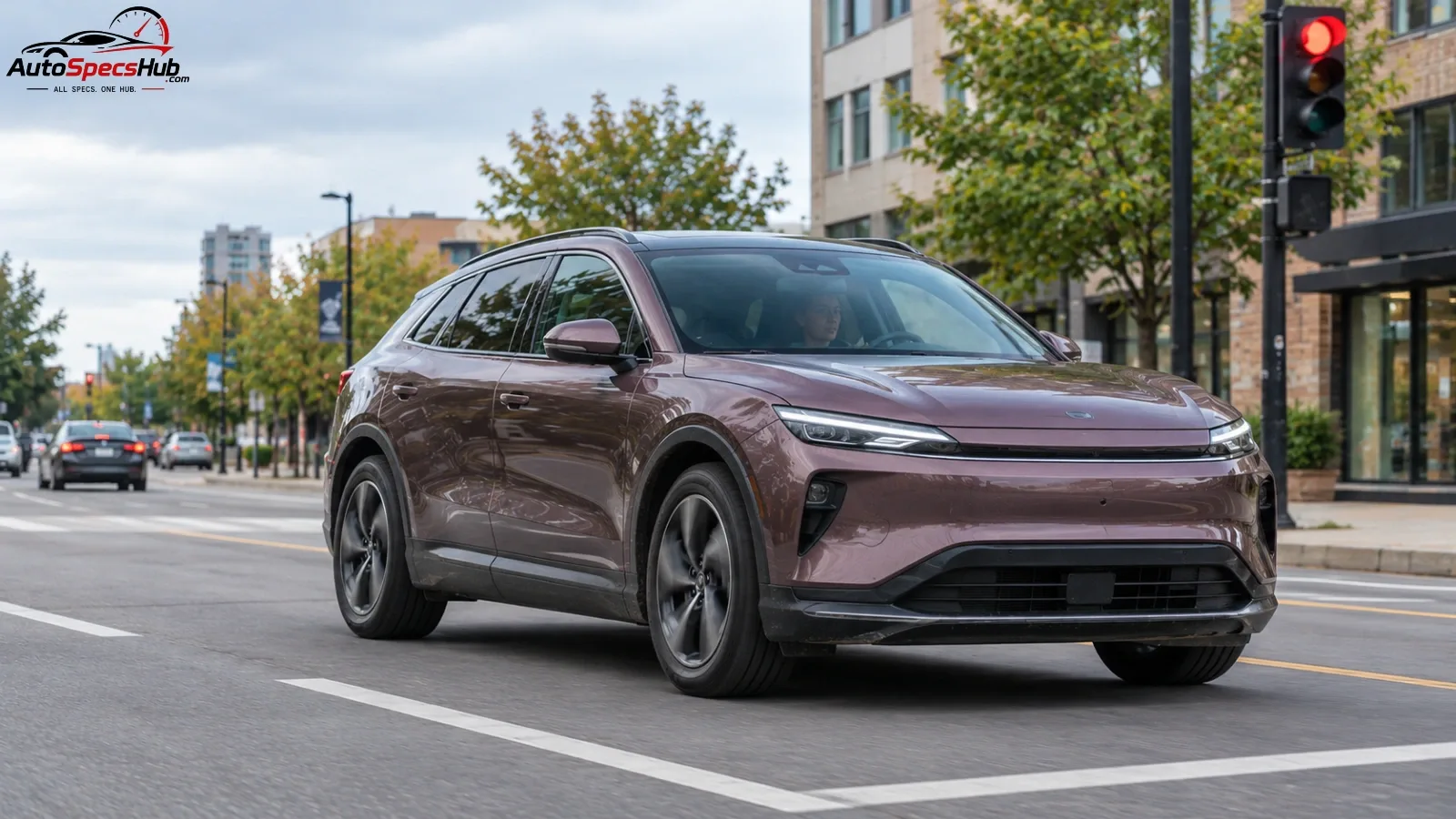
Every time you brake in a normal car, the car's speed turns into heat at the pads and discs, and that energy is gone.
Hybrid and electric cars are built to save some of it. When you ease off the accelerator or press the brake, the car turns part of its motion into electricity instead of wasting it as heat.
So, what is regenerative braking? It is a system that makes the electric motor work as a generator while the car slows down, sending that energy back to the battery. You may also see it called regen.
How Regenerative Braking Works
A hybrid or electric car drives its wheels with an electric motor. When you slow down, the motor works in reverse. The wheels turn the motor, and it acts as a generator that produces electricity for the battery.
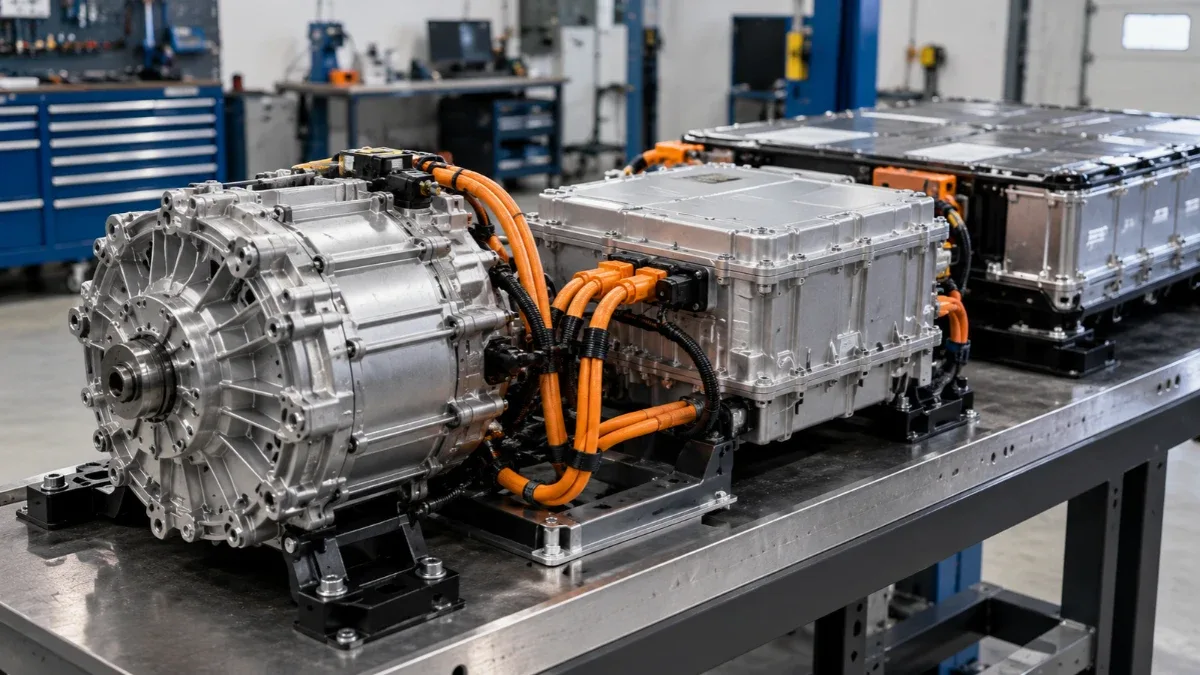
That resistance is what slows the car. Energy that would have been lost as heat is stored instead. In most cars this starts automatically as soon as you ease off the accelerator, and some cars offer extra ways to trigger it.
Regen does not work alone. Every hybrid and EV still has friction brakes, because regen cannot handle every stop. The car's computer blends the two.
Regenerative braking | Friction brakes | |
|---|---|---|
What happens to the energy | Returned to the battery | Lost as heat |
Wear | Takes work off the pads and discs | Pads and discs wear with use |
Stopping force | Limited, not enough for hard stops at higher speed | Full stopping power |
Best for | Everyday slowing and light braking | Hard stops and emergencies |
What Regenerative Braking Feels Like
In many hybrid and electric cars, you notice it as slowing when you lift off the accelerator. If you have only driven gas cars, the first time you do this in an EV can surprise you.
How strong it feels depends on the car. Some manufacturers preset the level, while many cars let you choose between a gentle setting that feels like coasting and a strong one that slows the car firmly. In a hybrid it is often subtle. In an EV it is usually more obvious.
Regenerative Braking vs Engine Braking
Regen feels a lot like engine braking in a gas car, because both slow you down when you lift off. The difference is where the energy goes.
Engine braking | Regenerative braking | |
|---|---|---|
Found in | Gas and diesel cars | Hybrids and EVs |
What slows the car | Drag from the engine | The motor acting as a generator |
Energy | Used up by the engine | Sent back to the battery |
How you adjust it | By choosing a gear | By choosing a regen level, in many cars |
What Regenerative Braking Does for You
The first benefit is less brake wear. When regen slows the car, the pads and discs are used less, which can mean less wear. Exact life still depends on your driving, so it helps to know how long brake pads last in general.
It also helps efficiency. Energy that would be lost as heat goes back into the battery, which matters most in stop-start traffic. The amount recovered is modest, so do not expect it to refill the battery.
Limits of Regenerative Braking
No current regen system can handle emergency braking at higher speeds, and manufacturers say not to rely on it as a substitute for the brake pedal. Use the pedal when you need to stop hard.
Battery condition changes how strong regen is. When the battery is full, or too hot or too cold, regen can be limited, and the car may slow less than you expect when you lift off. If you notice that, brake as you normally would.
Slippery roads are another case. A strong regen level can feel harsh on snow or frost, and some manuals suggest a lower level there, with the brake pedal for heavy slowing.
Brake lights are the last thing to know. Some models do not light the brake lamps during light regen slowing, and most rules do not require it. If you follow a hybrid or EV, leave a little extra space.
Which Cars Have Regenerative Braking
All hybrids use regen, and so do plug-in hybrids and EVs. Almost any vehicle with a battery that helps drive the car has some form of it. Regen is also one reason hybrids do best in stop-and-go traffic, which is a big part of deciding whether a hybrid is worth the extra cost.
Mild hybrids also use it, but their motor is much smaller. It mainly assists with acceleration and regen, so the effect is gentler than in a full hybrid or an EV.
What Regen Means in Everyday Driving
Think of regen as a first layer of braking, with the friction brakes as backup. It saves a little energy and takes some work off the pads. That lower reliance on friction brakes is also one reason electric car maintenance looks different from a gas car. Just do not treat it as a replacement for the brake pedal.
FAQs
What happens when you press the brake pedal in a hybrid or EV?
The car blends regen and friction braking for you. Light pressure mostly uses regen. If regen is not enough, pressing harder adds the friction brakes. You do not need to choose between them.
Is regenerative braking the same as one-pedal driving?
Not exactly. One-pedal driving is a strong regen setting that lets you speed up and slow down mostly with the accelerator. Regen works at any level, and even in one-pedal mode the braking is limited and not meant for emergency stops.
Does regenerative braking work downhill?
Yes, a descent gives the system a chance to recover energy and helps hold your speed. But if the battery is already full, regen may be reduced, so keep your foot ready for the brake pedal on a long hill.
How much range does regenerative braking add?
There is no fixed figure. It depends on the car, your driving and the conditions. The gain is biggest in stop-start city traffic and smallest on steady highway runs, where you brake less.