
Are Hybrid Cars Worth It? A Look at the Real Benefits and Costs
Are hybrid cars worth it? Explore the real benefits and costs of hybrid ownership, including fuel savings, maintenance, battery life, resale value, and hybrid vs gasoline comparisons.
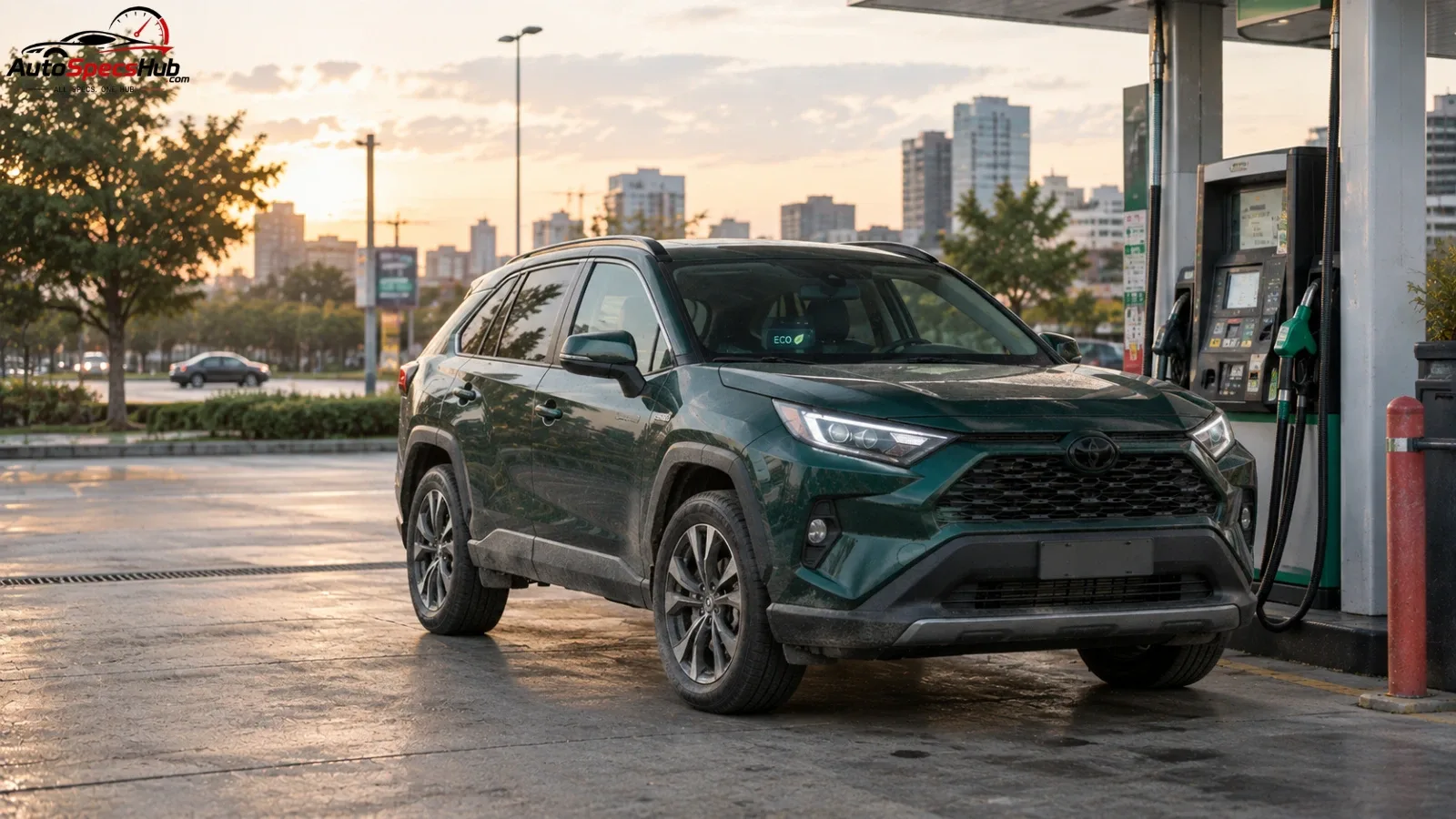
For some drivers, a hybrid can be one of the easiest ways to reduce fuel consumption without changing how they use their car. You still fill up at a conventional fuel station, but the electric motor can take over some of the work and recover energy that would otherwise be lost during braking. The result can be impressive efficiency, particularly in city traffic and other situations where conventional gasoline engines are less efficient.
But are hybrid cars worth it once you consider the higher purchase price, battery technology, maintenance, insurance, and the way you actually drive? The answer is not the same for everyone. A hybrid can be an excellent choice for high mileage and city driving, while a conventional gasoline car may make more financial sense for someone who drives fewer miles or spends most of their time on the highway.
What a Hybrid Actually Changes
A hybrid combines a gasoline engine with one or more electric motors and a high voltage traction battery. The electric system can assist the engine, and some hybrids can move using electric power alone for short periods. Regenerative braking also captures part of the energy normally lost during deceleration and stores it in the battery.
The system constantly decides how to distribute power based on factors such as speed, acceleration, and battery charge. This is particularly useful in traffic, where repeated braking and acceleration give the hybrid more opportunities to use electric assistance and recover energy.
Where Hybrid Technology Has the Biggest Advantage
The strongest case for a hybrid usually appears in city and suburban driving. Frequent stops, starts, and changes in speed allow the electric system to work more often, while regenerative braking can recover energy that would otherwise become heat through the brakes.
Highway driving can produce a different result. At steady speeds, the gasoline engine may provide most of the propulsion, so the fuel economy advantage over a comparable gasoline vehicle can become smaller. This does not make hybrids poor highway cars, but their efficiency advantage is often more noticeable in urban conditions.
Annual mileage matters too. Someone commuting through heavy traffic every day may save considerably more fuel than someone who only drives occasionally. The same hybrid can therefore represent very different value depending on how it is used.
The Purchase Price Matters More Than Fuel Economy Alone
Hybrid technology can increase the initial purchase price because the powertrain includes electric motors, a traction battery, power electronics, and additional control systems.
That premium needs to be compared with the fuel you realistically expect to save. If a hybrid costs considerably more than a comparable gasoline vehicle and you drive relatively few miles, the savings may take a long time to recover the difference.
The calculation becomes more attractive when you drive frequently, spend significant time in traffic, and plan to keep the vehicle for several years. Lower fuel consumption can then accumulate into meaningful savings.
Purchase price is only part of the equation. Financing, insurance, depreciation, fuel, maintenance, repairs, and resale value can all influence the total cost of ownership.
Hybrid Ownership Still Requires Maintenance
A hybrid is not a maintenance free vehicle. The gasoline engine still needs appropriate servicing, including oil and filter changes, cooling system maintenance, spark plugs on applicable engines, and other manufacturer specified work.
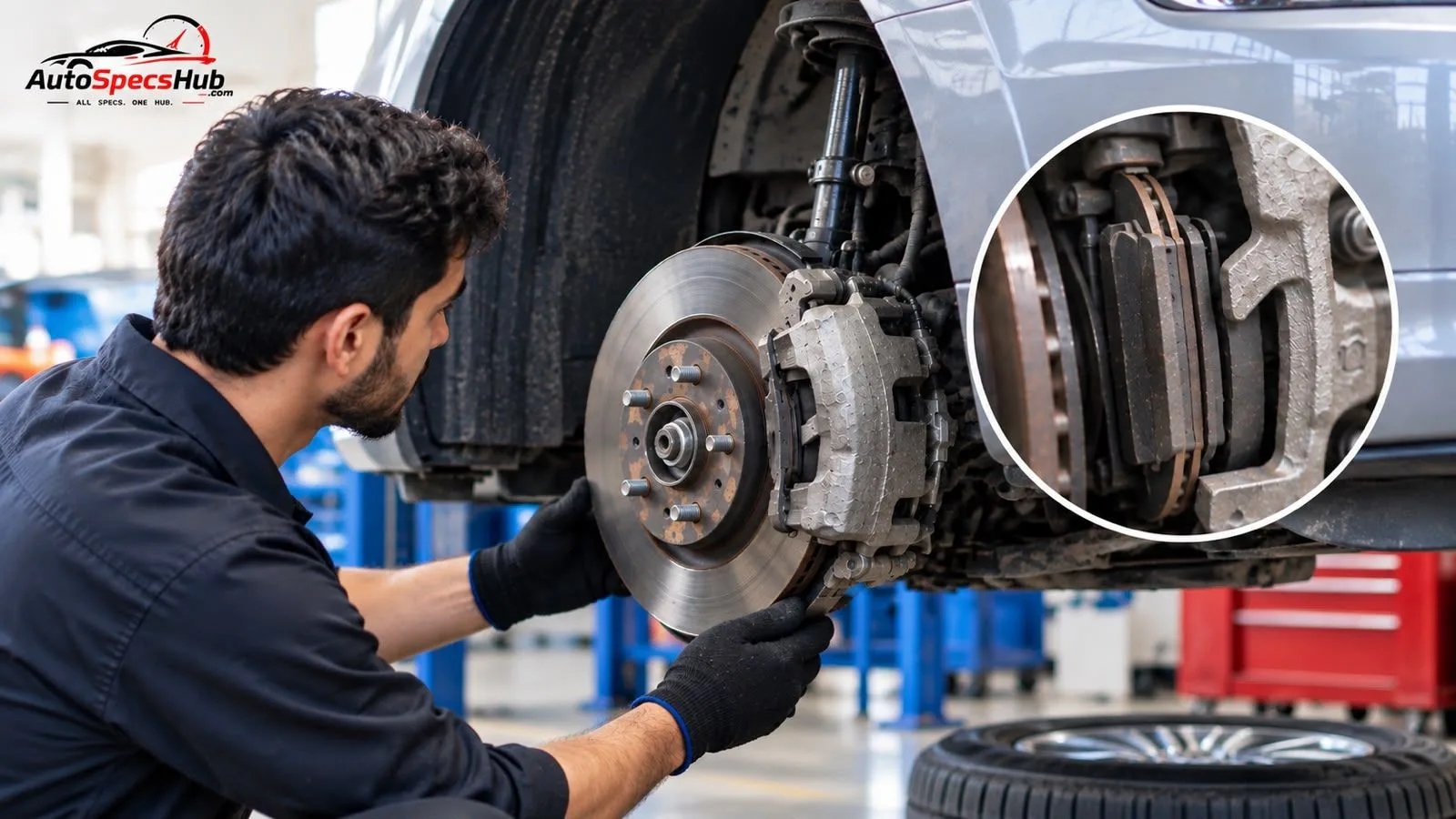
There can be advantages elsewhere. Regenerative braking reduces the amount of work performed by conventional friction brakes in many situations, which can potentially extend brake component life depending on the vehicle and driving conditions.
Hybrids also contain components that conventional gasoline cars do not have. High voltage electronics, electric motors, battery cooling systems, and the traction battery can require specialized knowledge when problems occur.
This becomes especially relevant when comparing a hybrid with an electric vehicle. An EV removes the gasoline engine and many related service requirements, although charging access and battery condition become more important. Our Electric Car Maintenance Guide explains how EV ownership differs from vehicles that still use an internal combustion engine.
The Hybrid Battery Deserves a Closer Look
The high voltage battery is often the component buyers worry about most. Modern hybrid batteries are designed for repeated charging and discharging, but like other major vehicle components, they can eventually experience degradation or failure.
There is no universal lifespan for every hybrid battery. Battery chemistry, vehicle design, age, operating environment, usage, maintenance, and warranty coverage can all affect long term performance. Replacement costs and parts availability can also vary between manufacturers and markets.
This matters particularly when buying a used hybrid. Battery condition should be investigated rather than assumed from age alone. Professional inspection and appropriate diagnostic testing can provide much more useful information than simply asking whether the original battery is still installed.
The rest of the vehicle deserves equal attention. Accident damage, tire wear, suspension components, fluid leaks, service history, warning lights, and previous repairs can all affect ownership costs. A used car checklist can help you evaluate these areas before buying.
When a Hybrid Starts to Make Financial Sense
A hybrid is more likely to deliver good value when your driving pattern allows its efficiency advantages to accumulate over time.
You drive a relatively high number of miles each year.
Much of your driving happens in cities or congested areas.
Fuel costs represent a meaningful part of your budget.
You plan to keep the vehicle for several years.
The hybrid's purchase premium is reasonable compared with expected fuel savings.
You want better efficiency without depending on external charging.
You are comfortable owning a more complex powertrain.
These factors do not guarantee that a hybrid will be cheaper. Real world fuel economy, fuel prices, purchase price, financing, insurance, maintenance, depreciation, and resale value can all change the calculation.
The better question is not simply which car gets better fuel economy. It is which vehicle gives you the best overall value while meeting your practical needs.
When a Gasoline Car Can Be the Smarter Choice
A conventional gasoline car can still be the better financial decision. If you cover relatively few miles each year, the fuel savings from a hybrid may not justify paying more upfront.
The same can apply to drivers who spend most of their time on highways. A hybrid can remain efficient at higher speeds, but its biggest advantages often appear when electric assistance and regenerative braking have more opportunities to operate.
Simplicity can also have value. A conventional gasoline powertrain has fewer electrified components, which may make it more familiar to technicians and easier to understand when considering potential repairs. That does not automatically make gasoline cars more reliable, but it can matter to buyers who prioritize straightforward ownership.
Drivetrain configuration can matter as well, especially when choosing an SUV. Understanding FWD vs AWD drivetrain differences can help you decide whether additional traction capability is worth any associated efficiency tradeoffs.
Hybrid vs Gasoline: Which Offers Better Value?
Factor | Hybrid | Gasoline |
City fuel economy | Usually better | Usually lower |
Highway fuel economy | Advantage can narrow | Often competitive |
Purchase price | Often higher | Usually lower |
Engine maintenance | Still required | Required |
Brake wear | Regenerative braking can reduce wear | Conventional friction braking |
Powertrain complexity | Higher | Lower |
Refueling | Conventional fuel stations | Conventional fuel stations |
High voltage traction battery | Yes | No |
Strongest use case | Higher mileage and urban driving | Lower mileage or highway focused driving |
Neither powertrain wins every category. A hybrid generally has the advantage when fuel efficiency is a major priority, while a gasoline vehicle can offer a lower entry price and simpler powertrain.
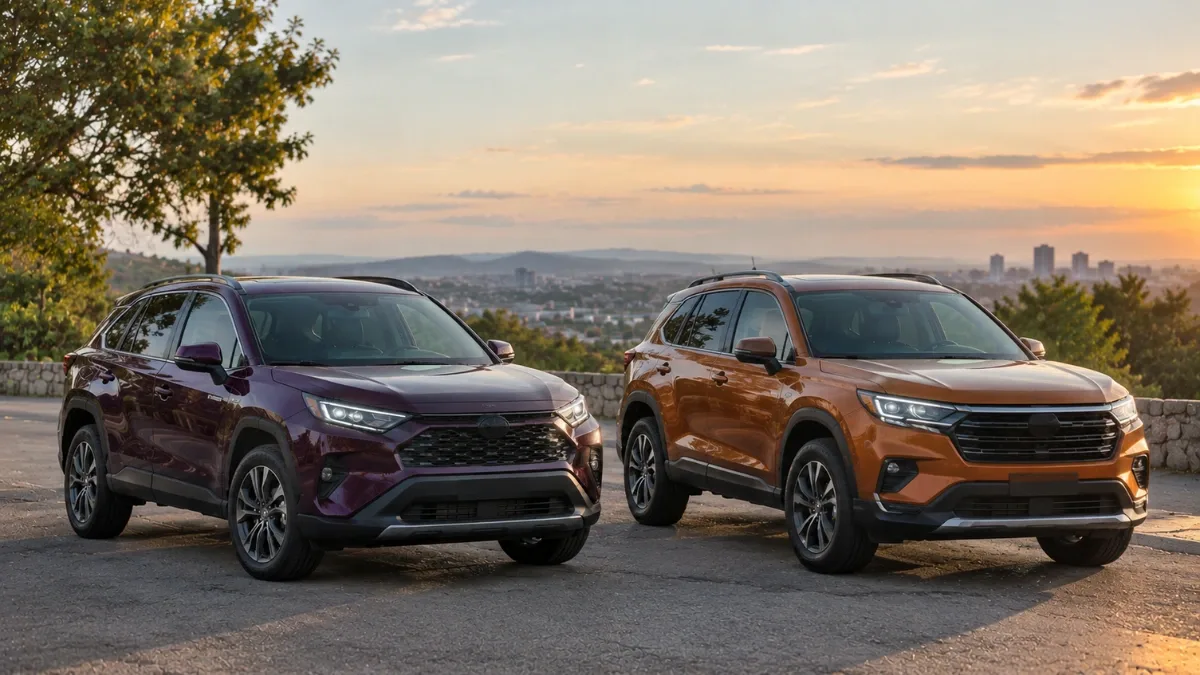
The comparison should also involve genuinely comparable vehicles. Size, performance, equipment, cargo capacity, drivetrain, and intended use can matter just as much as fuel economy.
Hybrid, Plug In Hybrid, or Electric?
A standard hybrid normally does not need to be plugged into an external charger. Its battery receives energy through regenerative braking and the vehicle's powertrain.
A plug in hybrid adds external charging capability and usually has a larger battery. This allows it to cover more of some journeys using electric power before the gasoline engine becomes necessary. For drivers with short daily commutes and convenient charging, that can make a plug in hybrid attractive.
A battery electric vehicle removes the gasoline engine completely. This can eliminate gasoline consumption and reduce some traditional maintenance requirements, but charging access, charging time, driving range, and battery condition become more important.
The best option is therefore not necessarily the most electrified one. Your commute, annual mileage, parking situation, charging access, travel habits, and budget should determine which powertrain fits best.
Resale Value Can Change the Calculation
Resale value is another factor that should not be ignored. Two vehicles with similar purchase prices can have very different ownership costs if one retains considerably more of its value.
Demand for fuel efficient vehicles, gasoline prices, local market preferences, brand reputation, battery warranty coverage, mileage, condition, and vehicle age can all influence resale value. Hybrid demand can also vary between markets, so there is no universal rule that every hybrid will hold its value better than every gasoline vehicle.
For buyers planning to sell after several years, researching comparable used models in their market can therefore be worthwhile. A vehicle with strong demand and predictable ownership costs may make more financial sense even if its initial price is not the lowest.
The Right Choice Depends on How You Drive
So, are hybrid cars worth it? For many drivers, they are. The strongest case is usually someone who drives regularly, spends substantial time in urban or stop and go traffic, uses enough fuel for efficiency gains to matter, and plans to keep the vehicle long enough to benefit from those savings.
But buying a hybrid simply because it has a better fuel economy rating is not enough. The purchase price, battery condition, financing, insurance, maintenance, depreciation, and expected resale value all belong in the calculation. A gasoline car can still be the smarter purchase when annual mileage is low or most driving takes place at steady highway speeds.
The best decision comes from matching the powertrain to your actual routine. If you want better efficiency without changing the convenience of gasoline refueling, a hybrid can offer a compelling balance. If its efficiency advantages do not outweigh the additional cost, a conventional gasoline vehicle may deliver better overall value.
Frequently Asked Questions
Do hybrid cars really save money?
They can, particularly when driven frequently in conditions where the electric system provides significant assistance. However, fuel savings should be compared with the hybrid's purchase premium and other ownership costs.
Are hybrid cars expensive to maintain?
Not necessarily. They still require normal engine servicing, while regenerative braking may reduce brake wear in some circumstances. Hybrid specific repairs can require specialized equipment and knowledge.
How long does a hybrid battery last?
There is no universal lifespan. Battery durability depends on the vehicle, battery design, age, operating environment, usage, and maintenance. Buyers should check the specific manufacturer's warranty and service information.
Is a hybrid better than a gasoline car for highway driving?
Not automatically. Hybrids can remain efficient on highways, but their biggest efficiency advantage often appears in city and stop and go conditions. Comparing specific models is more useful than relying on the powertrain type alone.
Is buying a used hybrid a good idea?
It can be. A well maintained used hybrid with a documented service history and healthy hybrid system can offer excellent efficiency. Battery condition, accident history, mechanical condition, warning lights, and remaining warranty coverage should all be checked.
Are hybrids better than electric cars?
Neither is universally better. Hybrids offer gasoline refueling without normally requiring external charging, while EVs eliminate the gasoline engine and can reduce some traditional maintenance requirements. The better choice depends on driving habits and charging access.
A Hybrid Is Worth It When the Numbers Work
The best hybrid purchase is not necessarily the vehicle with the highest advertised fuel economy. It is the one whose efficiency, purchase price, ownership costs, practicality, and expected lifespan make sense for your circumstances.
For a high mileage driver who regularly deals with city traffic, electric assistance and regenerative braking can provide meaningful fuel savings without requiring a change to conventional refueling. For someone who drives infrequently, the additional upfront cost may take much longer to recover.
Ultimately, hybrid cars are worth it when their efficiency advantages outweigh their additional purchase cost and complexity for the way you actually drive. Compare total ownership costs, inspect used examples carefully, consider how long you plan to keep the vehicle, and choose the powertrain that fits your routine rather than simply choosing the one with the most impressive efficiency figure.