
Used Car Checklist: 15 Things to Check Before You Buy
Planning to buy a used car? This complete used car checklist covers vehicle history, inspection points, maintenance records, and key questions to ask before making a smart purchase.
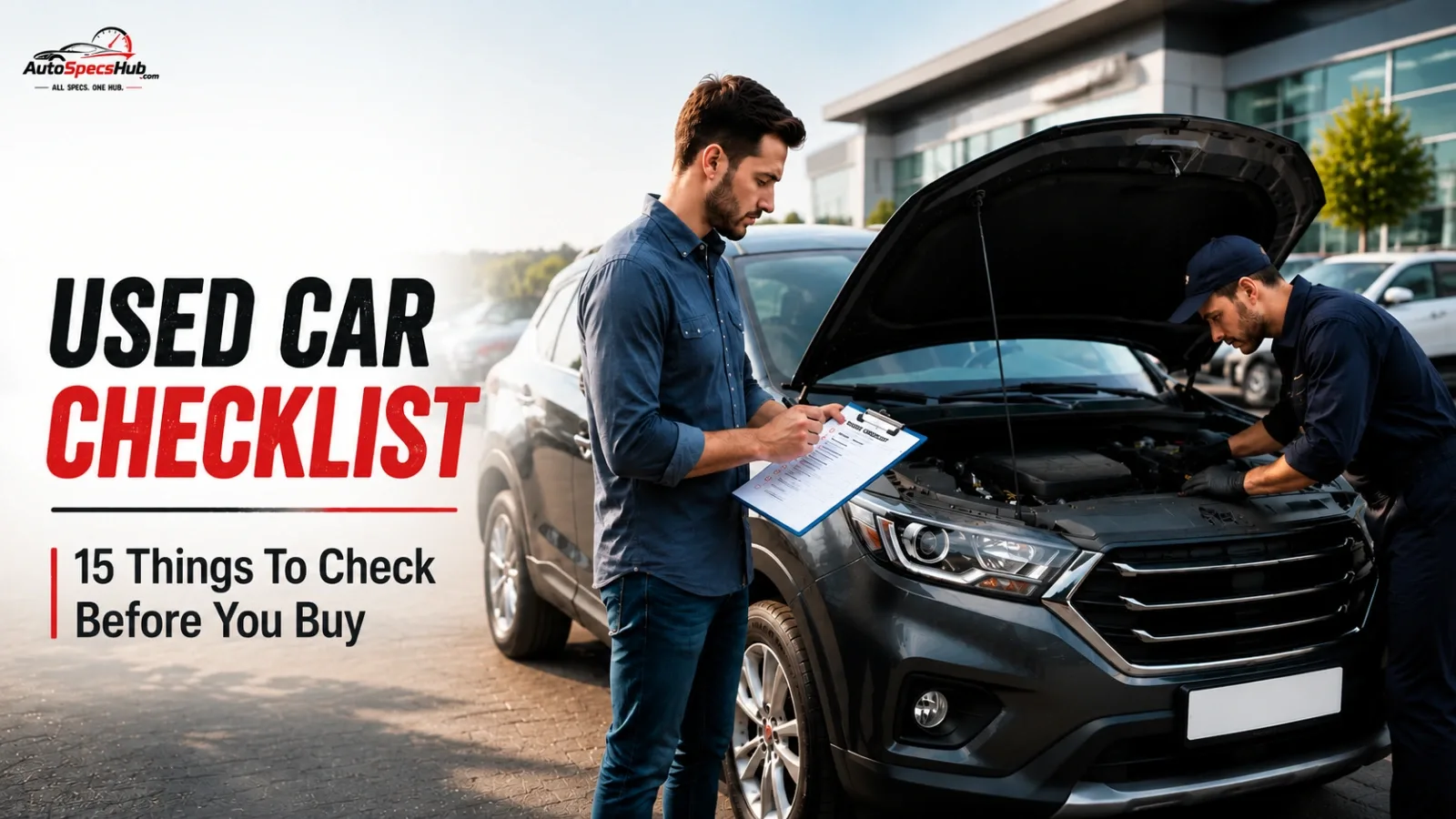
Buying a used car can be a smart financial decision, but only when you know what to inspect before making a purchase. A vehicle may look clean and well-maintained on the outside while hiding mechanical problems, accident history, or expensive repairs.
A proper used car checklist helps you evaluate more than just the appearance of a vehicle. It allows you to check important areas such as vehicle history, maintenance records, mechanical condition, documents, and future ownership costs.
Whether you are buying from a dealership or a private seller, taking time to inspect the vehicle properly can help you avoid costly mistakes and choose a car that offers better long-term value.
Quick Used Car Inspection Checklist
Use this checklist for a quick overview before going through a detailed inspection.
Area to Check | What to Look For |
Vehicle History | Accident records, ownership history, mileage records |
Exterior Condition | Paint repairs, rust, dents, body damage |
Engine & Transmission | Leaks, unusual noises, smooth operation |
Tires & Brakes | Tire wear, brake condition, replacement costs |
Interior Features | Electronics, comfort features, warning signs |
Maintenance Records | Service history and previous repairs |
Documents | Title, registration, VIN verification |
Used Car Checklist: Quick Decision Guide
This quick comparison helps you identify positive signs and possible problems before making a final decision.
Area | Good Sign | Warning Sign |
Mileage | Matches service and history records | Inconsistent or unclear mileage |
Engine | Smooth operation with no warning signs | Leaks, smoke, unusual sounds |
Tires | Even wear and good tread depth | Uneven wear or damage |
Maintenance | Complete service records | Missing maintenance history |
Documents | Clear title and matching VIN | Missing or incorrect information |
Test Drive | Smooth handling and shifting | Vibration, hesitation, or unusual noise |
What Should You Check Before Buying a Used Car?
The most important things to check before buying a used car are its history, mechanical condition, maintenance records, and expected ownership costs.
Many buyers focus only on mileage, price, or appearance. However, these factors do not tell the complete story. A higher-mileage vehicle with proper maintenance can often be a better choice than a lower-mileage vehicle that has been neglected.
A good inspection should help answer three important questions:
Has the vehicle been maintained properly?
Does it have any hidden problems?
Will it remain affordable to own?
The goal is not to find the cheapest vehicle. The goal is to find a reliable car that matches its condition and value.
1. Review the Vehicle History Report
The first step in any used car inspection checklist should be checking the vehicle’s history. A Vehicle Identification Number (VIN) report can reveal important information that may not be visible during a physical inspection.
A vehicle history report can show:
Previous accidents or damage
Number of previous owners
Mileage records
Title problems
Service history
Flood or salvage history
This information helps you understand whether the vehicle was properly maintained and whether there are possible concerns.
For example, a vehicle that has received major accident repairs may look good after restoration but could still have hidden structural or mechanical issues.
Always compare the history report with the seller’s information. If something does not match, ask questions before continuing with the purchase.
2. Inspect the Exterior Condition
The exterior inspection is not only about finding scratches or dents. The body condition can reveal signs of accidents, poor repairs, or long-term neglect.
Check for:
Different paint shades between panels
Uneven gaps around doors, hood, and trunk
Rust areas
Repaired body sections
Damaged lights or mirrors
Pay close attention to panel alignment. Uneven gaps may indicate previous accident repairs.
Also inspect underneath the vehicle. Excessive rust, leaks, or damaged components can become expensive problems later.
A used vehicle does not need to look perfect, but major exterior issues should be considered when evaluating the price.
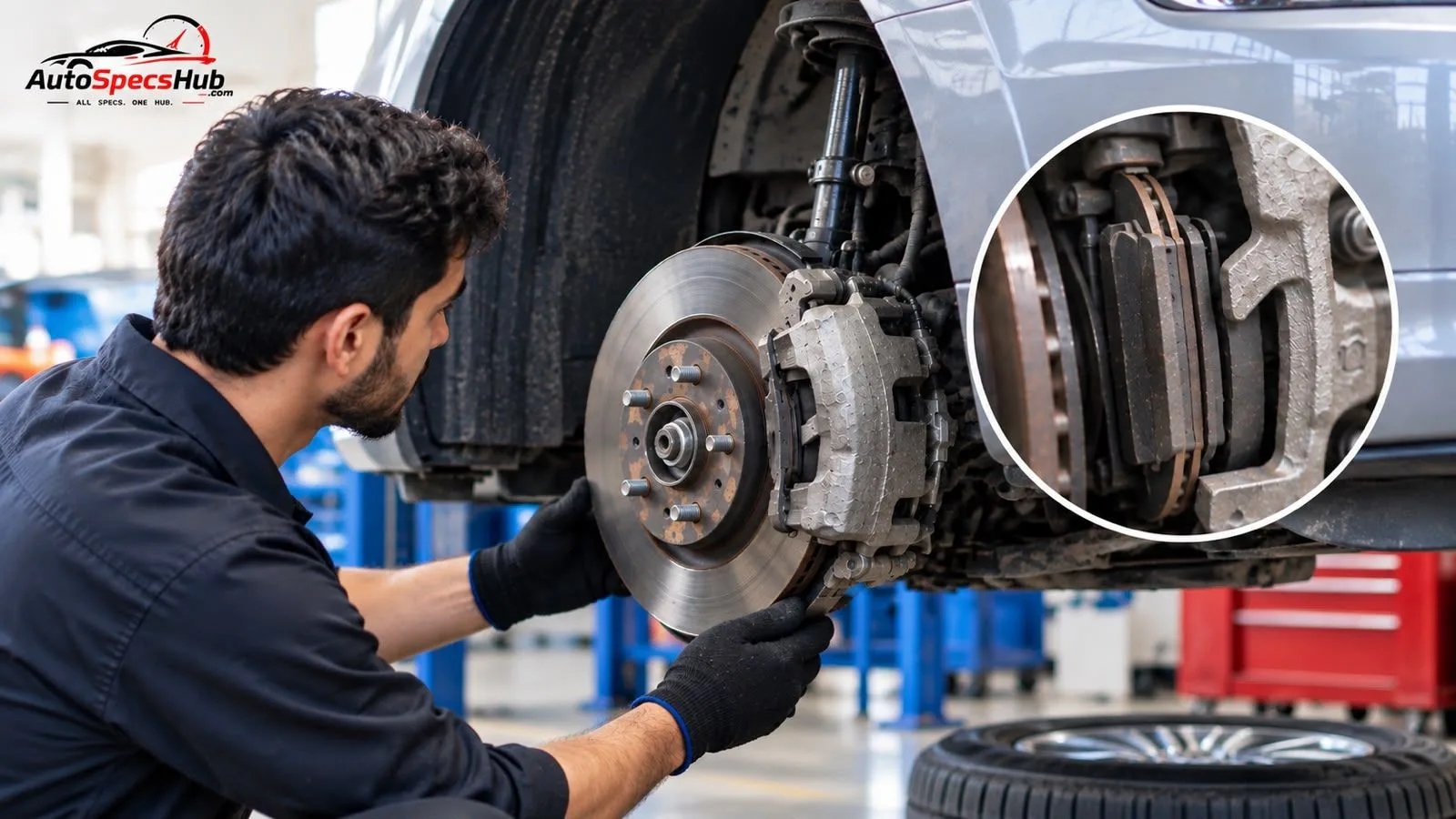
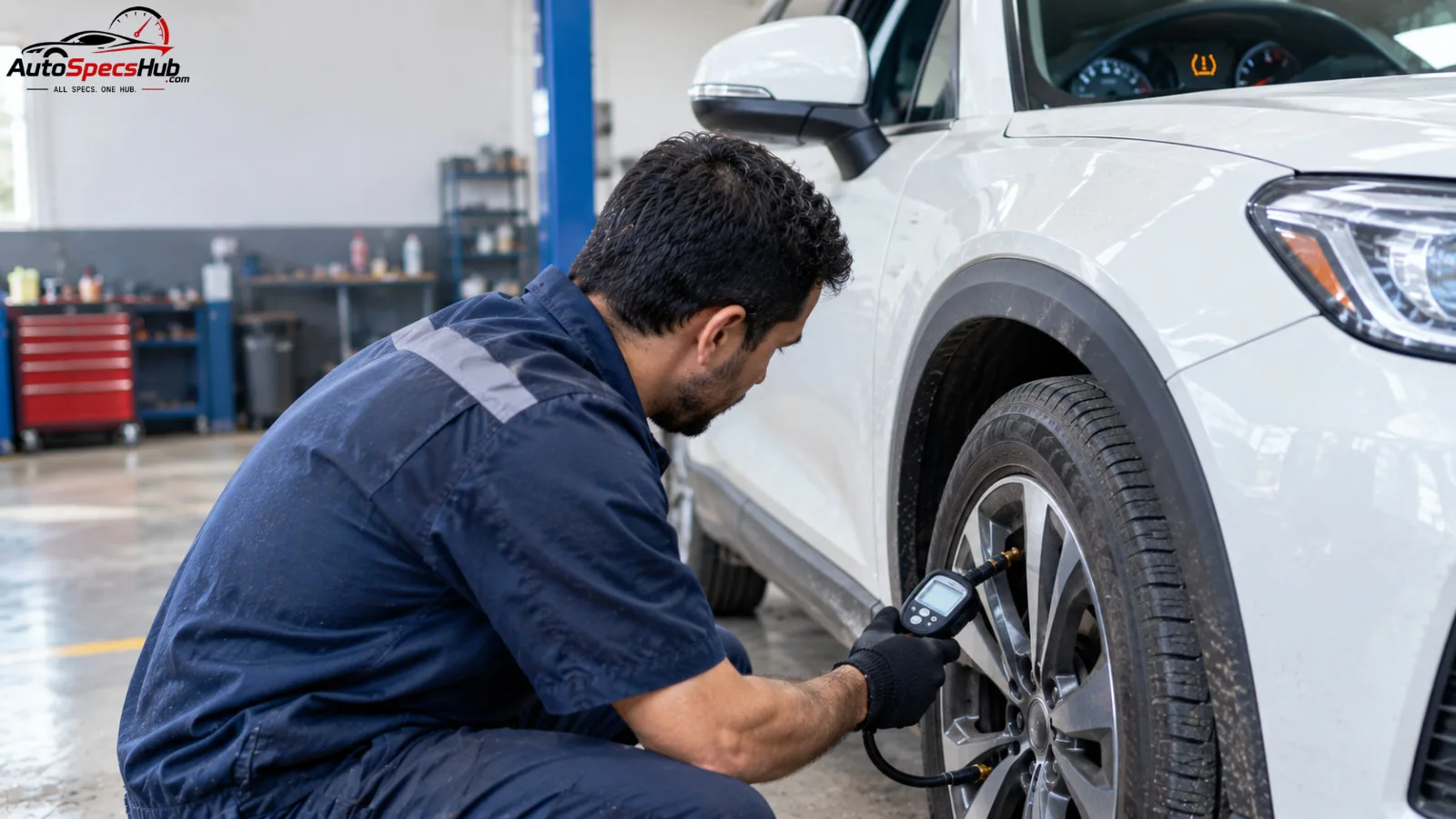
3. Evaluate Tires, Wheels, and Brakes
Tires and brakes are important safety components and can also affect ownership costs. Replacing them soon after purchase can add significant expense.
Check the tires for:
Uneven tread wear
Low tread depth
Cracks or damage
Different tire brands or sizes
Uneven wear can indicate alignment problems, suspension issues, or poor maintenance.
During the test drive, pay attention to braking performance. Grinding sounds, vibrations, or pulling to one side may indicate brake or suspension problems.
4. Inspect Engine and Mechanical Condition
The engine is one of the most expensive parts of a vehicle to repair, making it one of the most important areas to inspect.
Before starting the vehicle, check for:
Oil or fluid leaks
Damaged hoses or belts
Low fluid levels
Corrosion around engine components
When the engine is running, listen for unusual sounds such as knocking, rough idling, or excessive vibration.
A clean engine bay does not always mean the vehicle is mechanically healthy. Focus on performance, sounds, and maintenance history.
If possible, have a mechanic inspect the engine before purchase, especially for older vehicles.
5. Review Maintenance Records
Maintenance history is one of the strongest indicators of how a vehicle was treated by previous owners.
Look for records showing:
Regular oil changes
Brake servicing
Tire replacements
Fluid changes
Major repairs
Scheduled maintenance
A complete service history helps you understand what work has already been completed and what expenses may come in the future.
If maintenance records are unavailable, inspect the vehicle more carefully before buying.
6. Take a Proper Test Drive
A test drive is one of the most important steps when buying a used car because it shows how the vehicle performs in real driving conditions.
Do not only drive around a parking area. Try different roads and check:
Acceleration response
Transmission shifting
Steering control
Brake performance
Ride comfort
Unusual noises
Problems with the transmission, suspension, or steering may not be visible during a normal inspection but can become obvious while driving.
7. Evaluate Interior Features and Electronics
The interior condition can reveal how carefully previous owners treated the vehicle.
Inspect:
Seats and upholstery
Dashboard condition
Air conditioning
Infotainment system
Windows and locks
Cameras and sensors
Safety features
Test every electronic feature before buying. Small electrical issues can become expensive repairs later.
Also check for unusual smells, stains, or moisture inside the cabin. These signs may indicate water damage or previous repairs.
8. Verify Mileage and Ownership History
Mileage is important, but it should always be considered together with maintenance history and overall condition.
A vehicle with higher mileage and excellent maintenance can be a better purchase than a lower-mileage vehicle with poor service history.
Check:
Whether mileage matches the history report
Whether interior wear matches the mileage
Number of previous owners
Ownership timeline
A vehicle with frequent ownership changes may require additional questions before purchase.
9. Look for Warning Signs During Inspection
Some vehicle problems are difficult to identify without mechanical experience. Knowing the common warning signs can help you avoid buying a vehicle that may require expensive repairs.
Pay attention to issues such as:
Dashboard warning lights
Fluid leaks under the vehicle
Strange engine sounds
Transmission hesitation
Smoke from the exhaust
Unusual smells
Electrical problems
Do not ignore small issues because they may indicate larger problems. A warning light, unusual noise, or minor performance issue can become an expensive repair later.
If you notice anything concerning during the inspection or test drive, ask the seller for an explanation and consider getting a professional opinion.
10. Questions to Ask When Buying a Used Car
Asking the right questions to ask when buying a used car can reveal information that may not be visible during an inspection.
Before making a decision, ask the seller:
Why are you selling the vehicle?
How long have you owned it?
Has it ever been involved in an accident?
Are maintenance records available?
Has any major repair been completed?
Are there any current problems?
Can I get a pre-purchase inspection?
A reliable seller should be comfortable answering reasonable questions. If someone avoids questions or refuses an inspection, consider it a warning sign.
Common Used Car Buying Mistakes to Avoid
Even careful buyers can make mistakes when purchasing a used vehicle. Many problems happen because buyers focus only on appearance and price while ignoring important details about the vehicle’s history and future costs.
Avoid these common mistakes:
Buying Based Only on Appearance
A clean exterior does not always mean the vehicle is mechanically reliable. Cosmetic improvements can hide problems that are only visible through proper inspection.
Trusting Mileage Without Verification
Low mileage can be attractive, but it should always match the vehicle history report, service records, and overall condition.
Skipping a Professional Inspection
A test drive can reveal some issues, but a mechanic can identify problems that are difficult for the average buyer to notice.
Ignoring Future Ownership Costs
The cheapest vehicle to buy is not always the cheapest vehicle to own. Consider maintenance, repairs, fuel costs, insurance, and parts availability.
Rushing the Buying Decision
Take time to compare vehicles, review documents, and inspect the car properly. A rushed purchase can lead to expensive mistakes.
A good used car purchase is not only about finding a good deal today. It is about choosing a vehicle that remains reliable and affordable over time.
11. Compare the Price With Market Value
Even if a vehicle passes inspection, you still need to determine whether the price is reasonable.
Compare the vehicle with similar models based on:
Year
Mileage
Trim level
Condition
Maintenance history
Location
A very low price may seem attractive, but it can sometimes indicate hidden problems.
On the other hand, a vehicle with a higher price may offer better value if it has excellent maintenance records, fewer issues, and lower expected repair costs.
The goal is not to find the cheapest vehicle. It is to find the best balance between condition, reliability, and price.
12. Consider Future Ownership Costs
Many buyers focus only on the purchase price and forget about the cost of owning the vehicle over time.
Before making a final decision, consider:
Insurance costs
Fuel economy
Maintenance requirements
Repair costs
Replacement parts availability
Two vehicles with similar purchase prices can have very different ownership expenses.
Researching reliability and maintenance costs before purchase can help you avoid unexpected expenses later. For towing needs, check our Toyota Land Cruiser towing capacity guide for model-specific limits.
13. Get a Professional Pre-Purchase Inspection
A professional inspection is one of the smartest steps you can take before purchasing a used vehicle.
Even if the car appears to be in good condition, a mechanic can identify issues that may not be visible during a normal inspection.
A professional inspection can check:
Engine condition
Suspension components
Brake system
Electrical systems
Hidden leaks
Previous repairs
The inspection cost is usually small compared with the expense of major repairs after purchase.
14. Review Documents Before Final Purchase
Before completing the purchase, carefully review all vehicle documents.
Check:
Vehicle title
Registration documents
VIN number
Service records
Warranty information if available
Make sure the VIN on the documents matches the vehicle.
Document problems can create serious ownership issues later, so do not rush this step.
15. Research Long-Term Reliability Before Buying
A used car should not only fit your budget today. It should also remain dependable and affordable in the future.
Before making a final decision, research:
Common problems with the model
Reliability history
Repair costs
Owner experiences
Long-term maintenance expectations
For example, researching specific models before purchase can help buyers understand common ownership concerns and expected maintenance requirements. Our Toyota RAV4 reliability guide covers important factors buyers should know about long-term ownership, common issues, and maintenance expectations.
Frequently Asked Questions About Buying a Used Car
Buying a used car often raises questions about reliability, inspection, and ownership costs. Here are answers to some common questions buyers have before making a decision.
What should I check first when buying a used car?
Start with the vehicle history report and maintenance records. These provide important information about previous ownership, repairs, and how the vehicle was maintained.
Is mileage more important than maintenance history?
Maintenance history is often more important than mileage alone. A properly maintained vehicle with higher mileage can be more reliable than a neglected lower-mileage vehicle.
Should I get a professional inspection before buying a used car?
Yes. A professional inspection can identify mechanical problems that may not be visible during a normal test drive or visual inspection.
What questions should I ask when buying a used car?
Ask about accident history, maintenance records, previous repairs, ownership history, and any current problems with the vehicle.
How can I check if a used car is reliable?
Research the specific model’s reliability history, review maintenance records, inspect the vehicle carefully, and consider getting a professional inspection.
Final Thoughts
A detailed used car checklist helps you make a smarter buying decision by focusing on the factors that actually affect ownership: vehicle history, maintenance, mechanical condition, and future costs.
Buying a used car does not have to be stressful. Taking time to inspect the vehicle, ask the right questions, and verify important details can help you avoid expensive mistakes.
The best used car is not always the newest or cheapest option. It is the vehicle with a clear history, proper maintenance, and a condition that matches its value.