
Electric Car Maintenance Guide: Costs, Service Needs, and Long-Term Care
Electric car maintenance is different from traditional vehicle servicing, with fewer routine repairs but important needs such as battery care, tire maintenance, and software updates. Learn about EV service requirements, ownership costs, and how to keep an electric vehicle reliable for years.
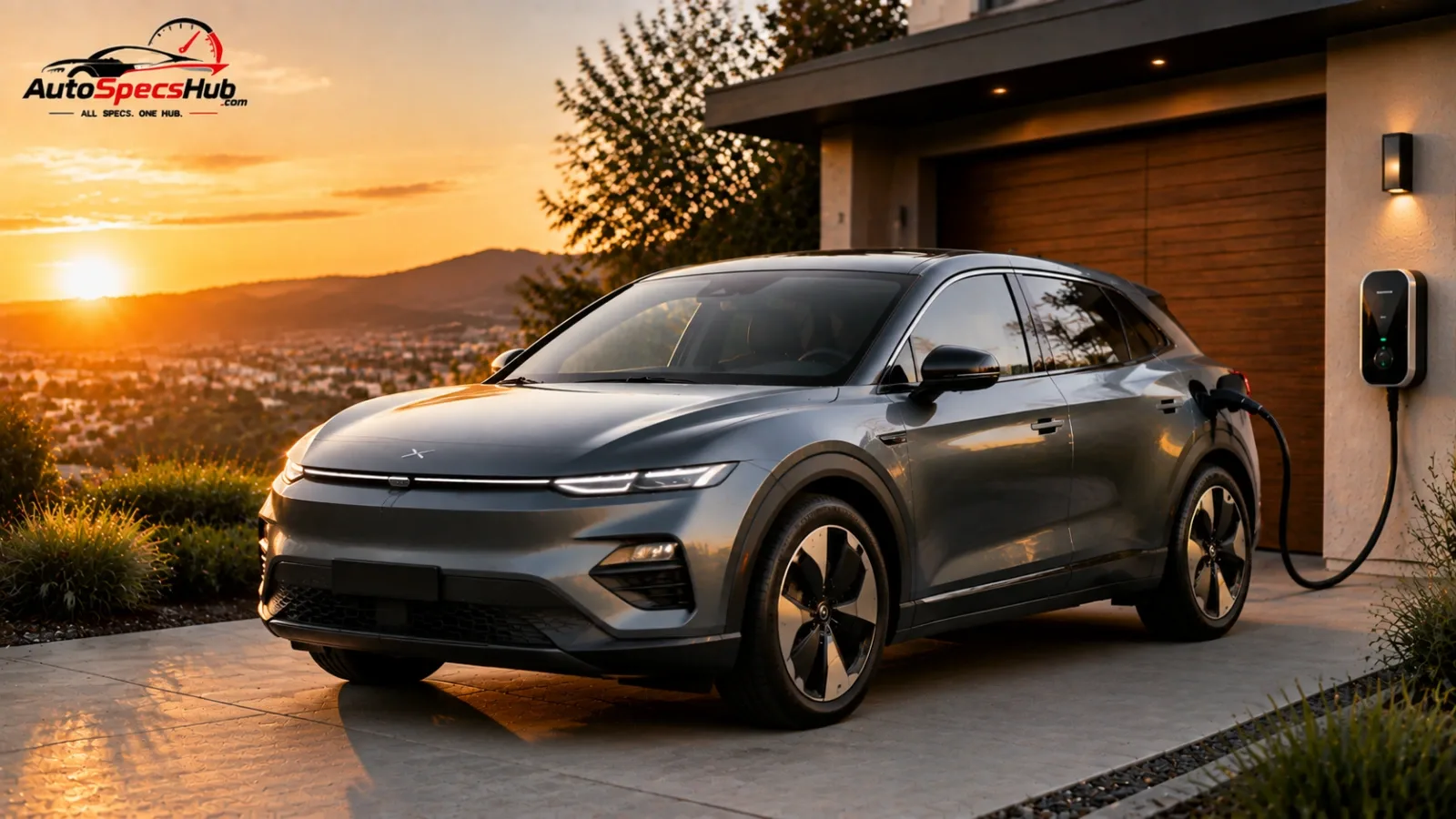
Electric car maintenance is different from traditional gasoline vehicle servicing because electric vehicles use simpler drivetrains with fewer moving parts. While EVs usually require fewer routine services, they still need proper care to maintain battery health, driving efficiency, safety, and long-term reliability.
One of the biggest advantages of electric vehicles is reduced routine maintenance. EV owners do not need services such as engine oil changes, spark plug replacements, or fuel system maintenance. However, important components including the battery pack, tires, brakes, cooling system, and software still require regular attention.
For many drivers, lower maintenance costs are one of the key benefits of switching to an electric vehicle. Understanding how EV maintenance works helps owners protect their investment, avoid unexpected issues, and get the best performance from their vehicle over time.
Quick Answer: Do Electric Cars Need Maintenance?
Yes, electric cars need maintenance, but they typically require fewer routine services than gasoline vehicles because they have fewer mechanical components.
Electric vehicles do not use traditional engines, which eliminates many common maintenance tasks. However, EV owners still need to care for important systems such as:
Battery health and thermal management
Tires and wheel alignment
Brake components
Cabin filters
Cooling systems
Software and electrical systems
The exact maintenance schedule depends on the vehicle manufacturer, model, driving conditions, and mileage. Following the recommended service schedule helps maintain efficiency, safety, and long-term reliability.
How Electric Car Maintenance Differs From Gas Cars
The biggest difference between EV and gasoline vehicle maintenance comes from how they produce power.
Gasoline vehicles use internal combustion engines that contain hundreds of moving parts. Components such as pistons, fuel injectors, spark plugs, belts, and exhaust systems experience heat and friction, which creates the need for regular servicing and replacement.
Electric vehicles use a battery pack, electric motor, and power electronics to deliver power to the wheels. Since electric motors have fewer moving parts and do not rely on combustion, they generally experience less mechanical wear.
However, EVs are not completely maintenance-free. They still share many components with traditional vehicles, including tires, suspension systems, air conditioning systems, and safety equipment.
Maintenance Area | Electric Vehicle | Gasoline Vehicle |
Engine oil changes | Not required | Required regularly |
Spark plugs | Not required | Required |
Fuel system service | Not required | Required |
Brake wear | Often reduced through regenerative braking | Usually higher |
Battery system checks | Required | Not applicable |
Software updates | Common | Less common |
The simpler drivetrain is one reason electric vehicles can have lower routine maintenance costs compared with gasoline-powered cars.
What Maintenance Does an Electric Car Need?
Although EVs have fewer mechanical components, several systems require regular inspection and care. Most electric car maintenance focuses on protecting battery performance, improving efficiency, and ensuring safe operation.
Battery Maintenance and Care
The battery pack is the most important component in an electric vehicle. It stores the energy needed to power the electric motor and directly affects driving range, charging performance, and overall vehicle value.
Modern EVs use advanced battery management systems that automatically monitor temperature, charging conditions, and battery performance. Owners typically do not perform direct battery maintenance, but proper charging habits and regular inspections can help maintain battery health.
Factors that can influence battery longevity include:
Charging habits
Extreme temperatures
Driving conditions
Battery management software
Most EV batteries are designed to last many years, and manufacturers often provide separate battery warranties. However, responsible charging habits can help preserve long-term efficiency.
For example, regularly exposing the battery to extreme heat, allowing it to remain at very low charge levels for long periods, or frequently using conditions outside manufacturer recommendations may affect battery performance over time.
Tire Maintenance for Electric Vehicles
Tire maintenance is especially important for electric vehicles because many EVs are heavier than comparable gasoline cars due to their large battery packs.
Electric motors also provide instant torque and different power delivery characteristics, which can affect acceleration, traction, and tire wear. Proper tire care improves safety, handling, efficiency, and driving range.
Important tire maintenance includes:
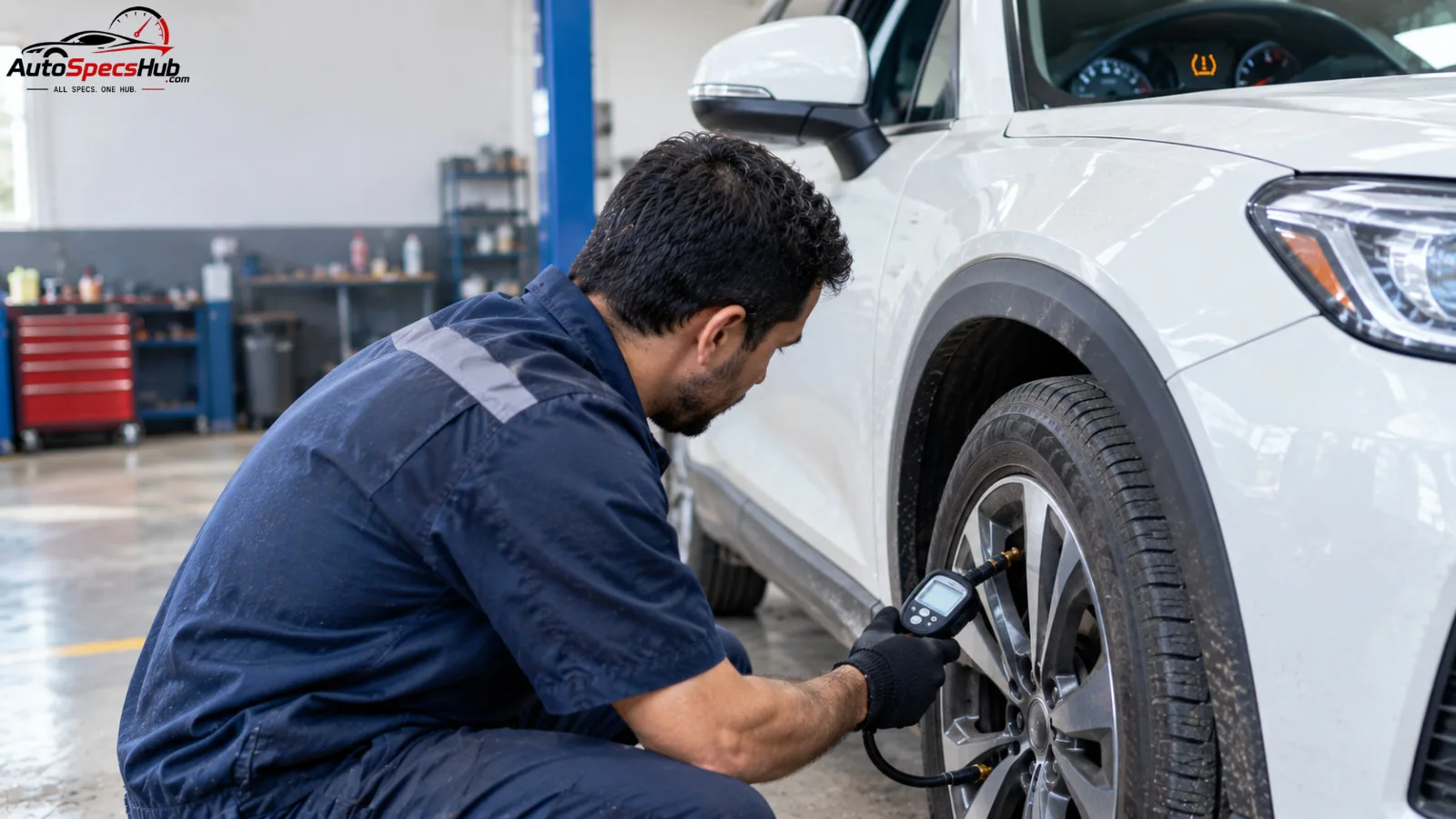
Checking tire pressure regularly
Rotating tires based on manufacturer recommendations
Inspecting tread wear
Maintaining proper wheel alignment
Correct tire pressure is especially important for EVs because underinflated tires increase rolling resistance, which can reduce efficiency and lower the vehicle’s driving range.
Brake Maintenance in Electric Cars
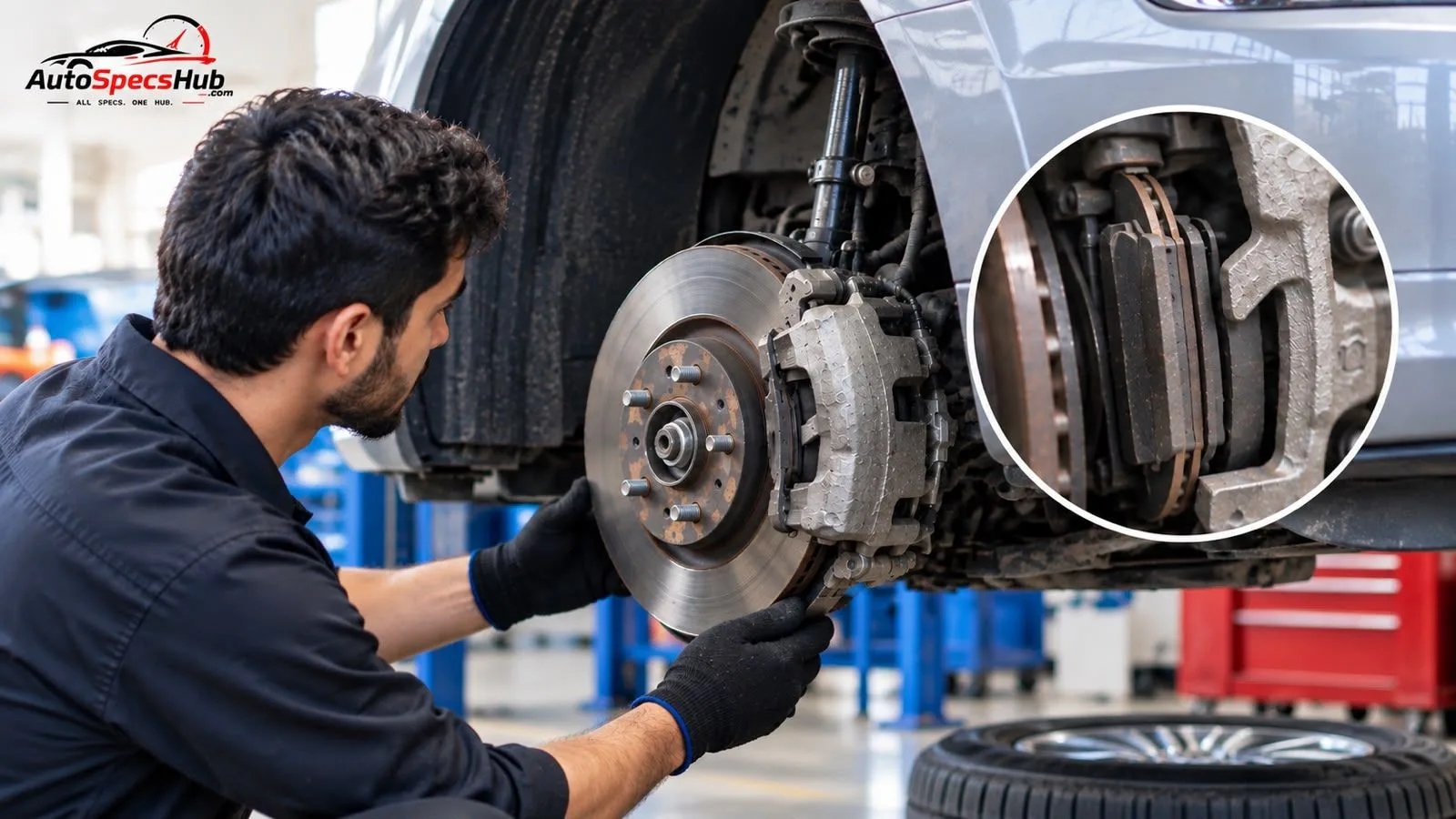
Electric vehicles often experience less brake wear because of regenerative braking technology.
Regenerative braking allows the electric motor to help slow the vehicle while recovering energy and sending some of it back to the battery. Because this reduces the use of traditional friction brakes, brake pads may last longer compared with gasoline vehicles.
However, EV brake systems still require regular inspection. Brake pads, rotors, and brake fluid can age over time even when they experience less wear.
Proper brake maintenance helps prevent issues such as:
Reduced braking performance
Brake corrosion
Brake fluid deterioration
Lower brake usage does not mean EV brake systems can be ignored. Regular checks remain important for safety.
Electric Vehicle Cooling System Maintenance
Temperature control is an important part of electric vehicle reliability. Unlike gasoline engines that generate large amounts of heat through combustion, EVs need thermal management systems to keep batteries, electric motors, and electronic components operating within the correct temperature range.
The cooling system helps regulate:
Battery pack temperature
Electric motor temperature
Power electronics
Maintaining proper temperatures helps protect battery performance, improve charging efficiency, and prevent unnecessary stress on electrical components.
EV cooling systems usually require less frequent attention than traditional engine cooling systems, but they still need proper inspections. Depending on the vehicle model, maintenance may include checking coolant levels, inspecting for leaks, and replacing coolant according to the manufacturer’s recommended schedule.
A properly maintained thermal management system helps an EV deliver consistent performance in different weather conditions and driving situations.
Software Updates and Electrical System Care
Software is one of the biggest differences between modern electric vehicles and traditional cars. Many EV manufacturers use software updates to improve vehicle performance, efficiency, and features even after purchase.
Software updates can improve areas such as:
Battery efficiency
Charging performance
Vehicle features
Driver assistance systems
Some updates can be installed remotely, while others may require a service visit. Keeping the vehicle software updated ensures that the EV can benefit from manufacturer improvements and fixes.
Electrical systems, including charging components and power electronics, should also be monitored. If an EV shows warning messages, charging problems, or unusual performance changes, owners should have the vehicle inspected.
Because electric vehicles rely heavily on technology, software and electrical system care are becoming an increasingly important part of long-term ownership.
Electric Car Maintenance Costs
One of the main reasons many drivers consider EVs is the potential for lower maintenance costs compared with gasoline vehicles.
Electric vehicles eliminate many traditional expenses, including:
Engine oil changes
Spark plug replacement
Fuel system maintenance
Exhaust system repairs
Many engine-related services
However, EV ownership still includes regular maintenance costs. Tires, brake components, cabin filters, suspension parts, and cooling system service may still require attention over time.
The total cost of maintaining a vehicle depends on several factors, including the model, driving habits, climate conditions, mileage, and long-term maintenance costs.
Battery replacement is often considered the biggest potential EV expense, but modern batteries are designed for long-term use. Most manufacturers also provide battery warranties that cover specific years or mileage limits.
For most owners, routine EV maintenance costs are usually lower than gasoline vehicles because fewer mechanical components require regular servicing.
Electric Car Maintenance Checklist
Although electric vehicles require fewer services, following a basic maintenance routine helps maintain safety, efficiency, and reliability.
Maintenance Item | Why It Matters |
Battery system checks | Helps monitor battery health and performance |
Tire inspection and rotation | Improves safety, efficiency, and tire lifespan |
Brake inspections | Ensures reliable braking performance |
Cabin filter replacement | Maintains air quality and climate performance |
Cooling system checks | Protects battery and electrical components |
Following the manufacturer’s recommended service schedule is the best way to avoid unexpected problems and maintain long-term vehicle performance.
Common Electric Car Maintenance Myths
Myth 1: Electric Cars Do Not Need Maintenance
This is one of the most common misunderstandings about EV ownership.
Electric cars require less routine maintenance than gasoline vehicles, but they still need regular care. Battery systems, tires, brakes, cooling systems, and electronics all require attention throughout the vehicle’s lifespan.
Myth 2: EV Batteries Need Frequent Replacement
Modern electric vehicle batteries are designed to last many years. Battery lifespan depends on factors such as charging habits, climate, usage patterns, and battery management technology.
Most EV owners will not need to replace the battery during normal ownership. Proper charging practices and regular vehicle care can help maintain battery performance.
Myth 3: Electric Cars Are Always Expensive to Repair
While some EV components can be costly to repair, routine maintenance is often lower compared with gasoline vehicles.
The reduced number of mechanical parts means there are fewer traditional components that can fail or require replacement. However, owners should still consider potential costs related to tires, electronics, suspension, and battery-related repairs.
How to Extend the Lifespan of an Electric Car
Proper ownership habits can help maintain an electric vehicle’s performance, efficiency, and resale value.
The most important step is following the manufacturer’s recommended maintenance schedule. Regular inspections allow potential issues to be identified before they become more serious.
Owners can also improve long-term EV reliability by maintaining proper tire pressure, using recommended charging practices, keeping software updated, and addressing warning signs early.
Battery care is especially important because the battery pack is one of the most valuable parts of an electric vehicle. Responsible charging habits, avoiding unnecessary battery stress, and keeping the vehicle in suitable operating conditions can help preserve performance over time.
Final Thoughts
Electric car maintenance is simpler than traditional gasoline vehicle servicing, but EVs still require proper care. The absence of a combustion engine removes many common maintenance tasks, allowing electric vehicles to operate with fewer mechanical components and lower routine service requirements.
However, important systems such as the battery pack, tires, brakes, cooling system, and software still play a major role in vehicle reliability. Understanding these maintenance needs helps owners protect their investment, maintain efficiency, and enjoy a better ownership experience.
As electric vehicles continue to become more common, knowing how to properly maintain an EV will become increasingly important for drivers looking to maximize performance and long-term value.
Frequently Asked Questions
Do electric cars need regular servicing?
Yes, electric cars need regular servicing, although they generally require fewer maintenance visits than gasoline vehicles. EV service usually focuses on battery health, tires, brakes, cooling systems, software, and other vehicle components.
How often should an electric car be serviced?
Service intervals vary by manufacturer and model. Some EVs require annual inspections, while others follow mileage-based schedules. Owners should always follow the maintenance recommendations provided by the vehicle manufacturer.
Are electric cars cheaper to maintain than gas cars?
In many cases, yes. EVs often have lower routine maintenance costs because they do not require oil changes, spark plugs, fuel system maintenance, or many engine-related repairs.
What is the most important maintenance item on an electric car?
The battery system is one of the most important areas because it affects driving range, performance, and vehicle value. However, tires, brakes, cooling systems, and software updates are also essential for reliable operation.
Do electric cars need coolant changes?
Some electric vehicles use cooling systems to regulate battery and electrical component temperatures. Coolant inspection and replacement depend on the specific vehicle model and manufacturer recommendations.
How long do EV batteries last?
Modern EV batteries are designed to last many years. Their lifespan depends on factors such as charging habits, climate conditions, driving patterns, and battery technology.
Do electric cars need brake maintenance?
Yes. Regenerative braking reduces brake wear, but brake components still require inspections to ensure safe operation and prevent issues such as corrosion or fluid deterioration.