
What Is Engine Braking and Is It Bad for Your Car?
What is engine braking? Learn how it works, when to use it downhill, whether it harms your car, and how it differs in manual, automatic, and electric cars.
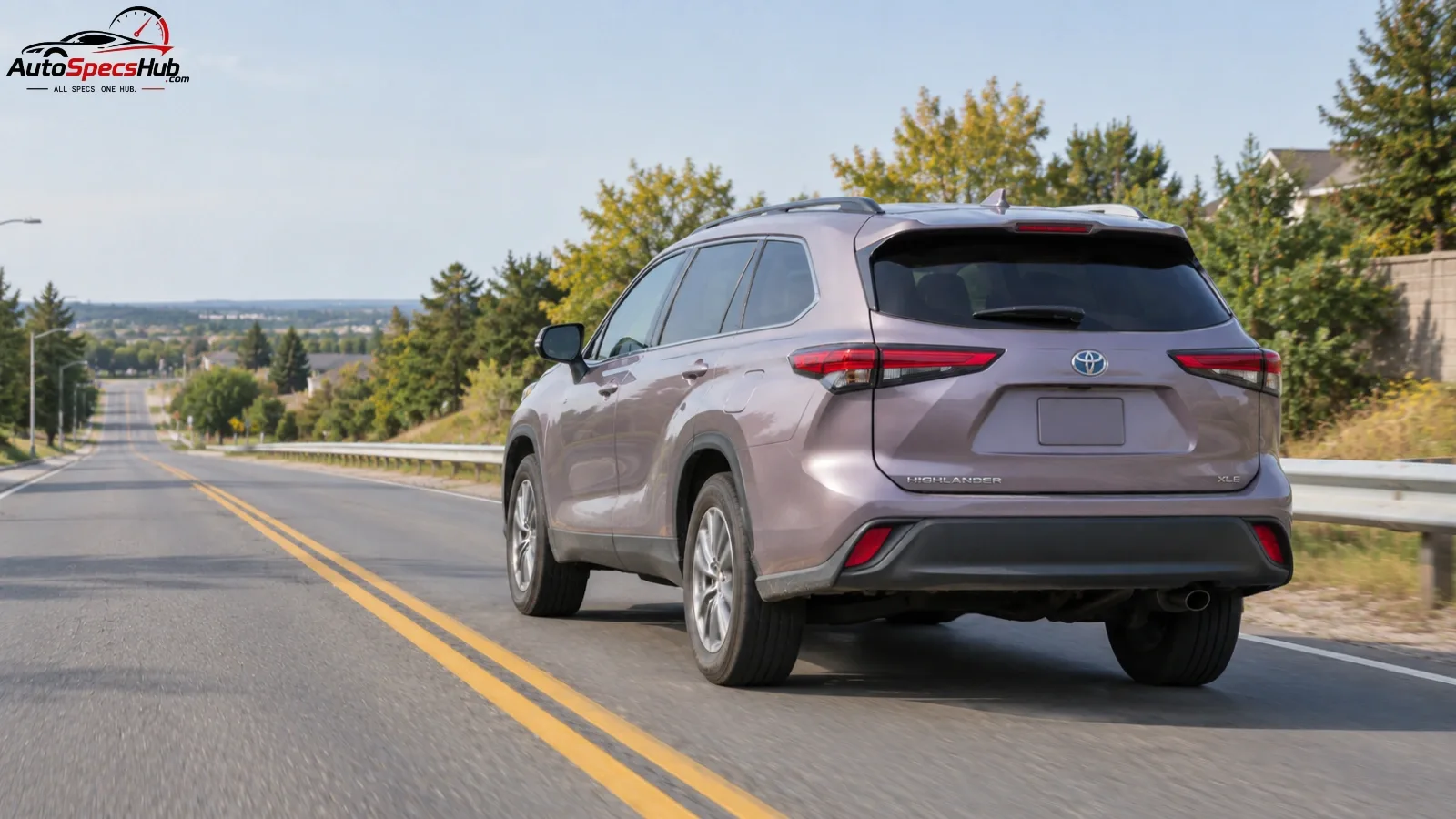
Long downhill roads are hard on brakes. Ride the pedal all the way down and the pads and discs heat up fast, and hot brakes can fade and lose stopping power.
Your engine can take some of that load, and you have probably used it without knowing. Lift your foot off the accelerator while in gear and the car slows down with no help from the brake pedal.
So, what is engine braking? It is the slowing effect you get when the engine resists the spinning wheels while the car is in gear. Used well, it protects your brakes on long descents and makes everyday driving smoother, but used badly it can strain the clutch and transmission. This guide covers how it works, when to use it, and where to be careful.
How Engine Braking Works
When you press the accelerator, the engine pushes the wheels. When you lift off, the roles swap. The wheels keep turning and push the engine around through the transmission.
At the same time, the throttle closes almost completely, which limits the air going into the engine. The pistons have to work against that restriction, which creates strong vacuum in the intake. Friction inside the engine adds to the drag. The car loses speed because its energy is being used up by the engine instead of by your brake pads.
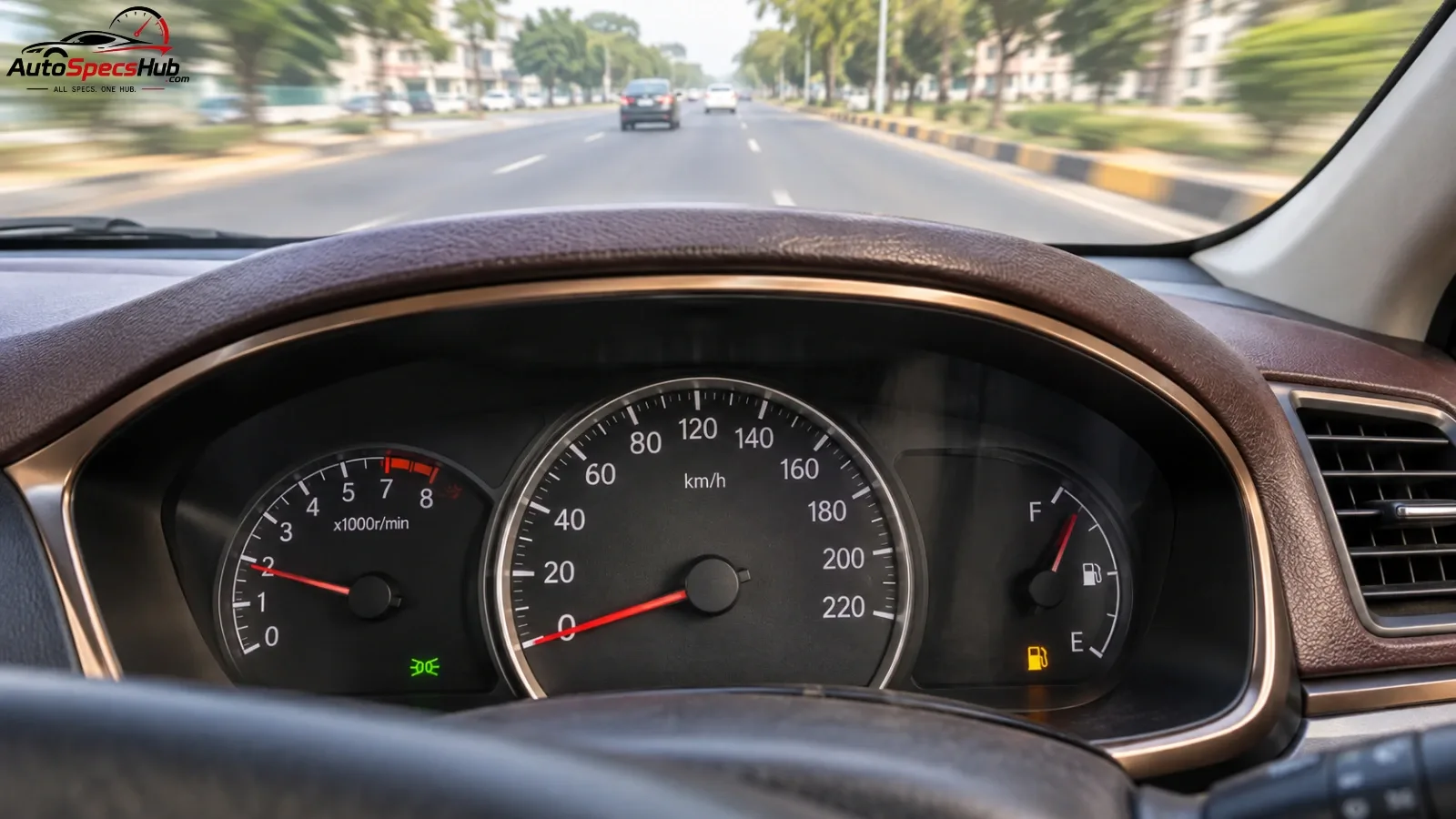
Gear choice changes the strength. A lower gear has a numerically higher gear ratio, so the engine spins faster at the same road speed and the drag is stronger. That is why downshifting increases engine braking, and why third gear slows you more than fifth.
Engine Braking vs the Brake Pedal
The two do different jobs, and they work best together.
Engine braking | Brake pedal | |
|---|---|---|
Slowing power | Gradual | Strong and fast |
Brake lights | Do not come on | Come on |
Best for | Long downhills, heavy loads, smooth slowing | Quick stops and emergencies |
Wear | Light on brake parts, but rough use strains the drivetrain | Wears pads and discs, and builds heat on long descents |
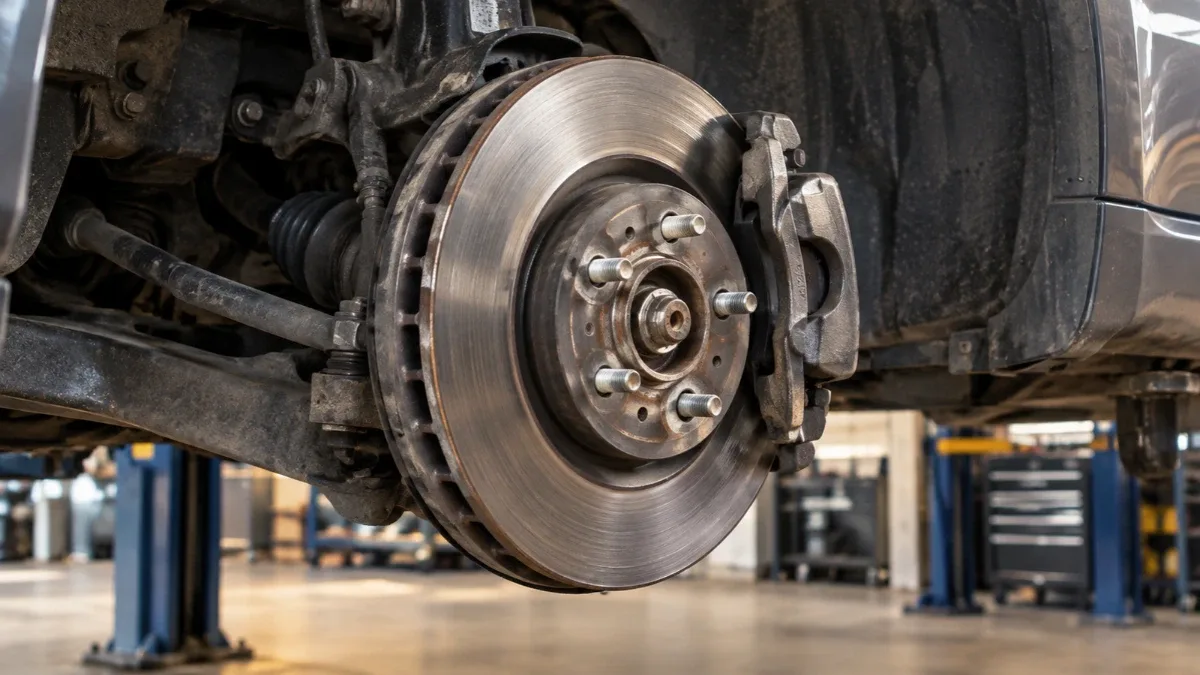
When to Use Engine Braking
The best use is a long downhill, for the reason above. Letting the engine hold your speed means you only need light, occasional braking, so the brakes stay cool enough to work when you need them.
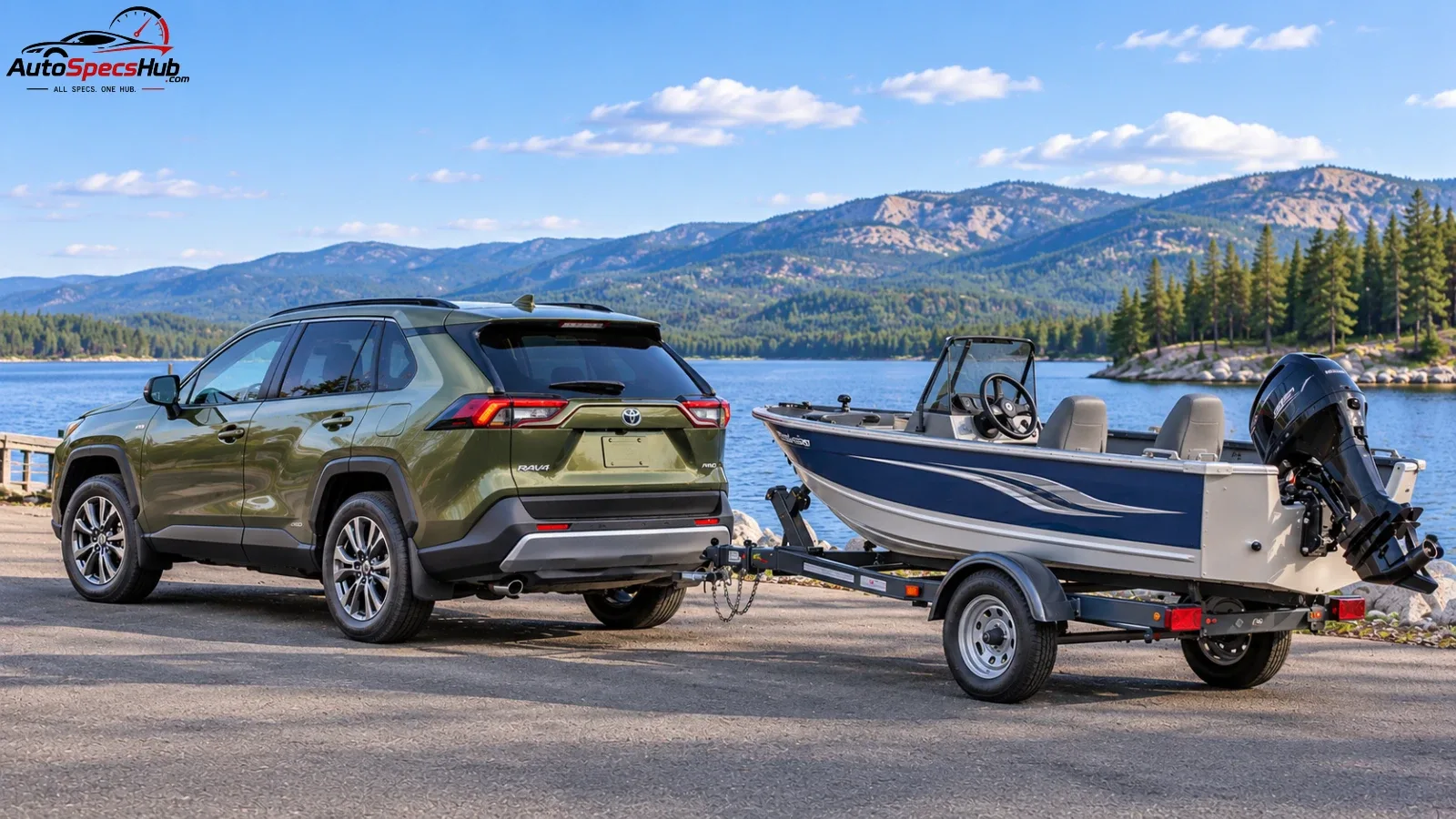
Weight makes it more important. When you are pulling a trailer close to a Ford Ranger's towing capacity, a descent asks far more of the brakes than the same hill would in an empty truck. Choosing a lower gear before the hill starts gives you control from the top.
It also helps in normal driving. Lifting off early and letting the car slow before a corner or a red light is smoother for you and your passengers than braking late. That means fewer hard brake applications, which helps brake pads last longer.
When to Avoid It
There are a few situations where engine braking is the wrong tool.
Emergencies. Engine braking is gradual. When you need to stop quickly, use the brake pedal.
Heavy traffic. The brake lights stay off, so a driver close behind you gets no warning that you are slowing.
Slippery roads. A hard downshift can unsettle the car, especially a rear-wheel-drive one. Gentle use is fine, but avoid dropping gears sharply.
Engine Braking in Manual, Automatic, Hybrid and Electric Cars
How you use it depends on what you drive.
Vehicle type | How it works | What to know |
|---|---|---|
Manual | You pick the gear and control the strength | Downshift one gear at a time and release the clutch smoothly |
Automatic | Use a low gear setting (often L, 2 or 3), manual mode or paddles | The effect is usually milder, and some automatics downshift on descents by themselves. Check your owner's manual |
Hybrid and electric | Regenerative braking slows the car when you lift off | Many cars let you adjust the regen level, and some have a paddle for it |
Regen feels like engine braking, but there is no engine doing the work. It is also part of why electric car maintenance differs from a gas-powered car, since the friction brakes get used less.
How to Use Engine Braking
The process is simple, but the smoothness is what matters. In a manual car:
Take your foot off the accelerator.
Press the clutch and shift down one gear.
Release the clutch slowly and let the engine take over.
Repeat if you need more slowing, one gear at a time.
In an automatic, select the lower gear or manual mode before the slope starts, rather than halfway down.
Is Engine Braking Bad for Your Car?
Used smoothly, no. It is a normal part of how a drivetrain works, and every car does it to some degree whenever you lift off in gear.
The problems come from how it is done. The main risks are:
Dropping into a low gear at high speed
Skipping gears
Dumping the clutch in a manual car
Revving the engine hard just to slow down
These put extra strain on the clutch and transmission. The strain is real, but it comes from rough technique, not from engine braking itself.
Automatics are where opinions differ. Some guides say to go easy, while others see no issue if you use the gear selector as designed. The safest approach is to use the modes your manufacturer built for it and avoid forcing big downshifts at speed.
Putting Engine Braking to Good Use
Think of it as a helper, not a replacement for your brakes. It earns its place on long descents, under heavy loads and in smooth everyday slowing. Keep the brake pedal for quick stops, tight situations and any moment the driver behind you needs a warning.
FAQs
Does engine braking save fuel?
In most modern fuel-injected cars, the engine stops injecting fuel while you slow down in gear with your foot off the accelerator. So in that moment it uses very little or no fuel. The saving is small, so treat it as a bonus, not a reason to use it.
What is the difference between engine braking and a Jake brake?
Normal engine braking happens on its own when you lift off the accelerator. A Jake brake, also called a compression-release brake, is a separate system on some heavy diesel trucks. It opens the exhaust valves at the right moment to release compressed air and slow the engine. Some areas restrict its use because of the noise.
Does engine braking work in neutral or with the clutch pressed?
No. In both cases the engine is disconnected from the wheels, so there is nothing to create resistance. Coasting this way also leaves you with less control, so it is not a good way to save fuel or brakes.
Can engine braking stop a car if the brakes fail?
It can help slow the car, but it is slow and should not be your plan. Downshift gradually, look for a safe place to slow down, and avoid sudden gear changes at speed. Get the brakes checked before driving again.