
How Long Do Brake Pads Last? Mileage, Warning Signs, and Replacement Tips
How long do brake pads last? Learn the average brake pad lifespan, factors that affect wear, warning signs, replacement intervals, maintenance tips, and when to inspect your brakes.
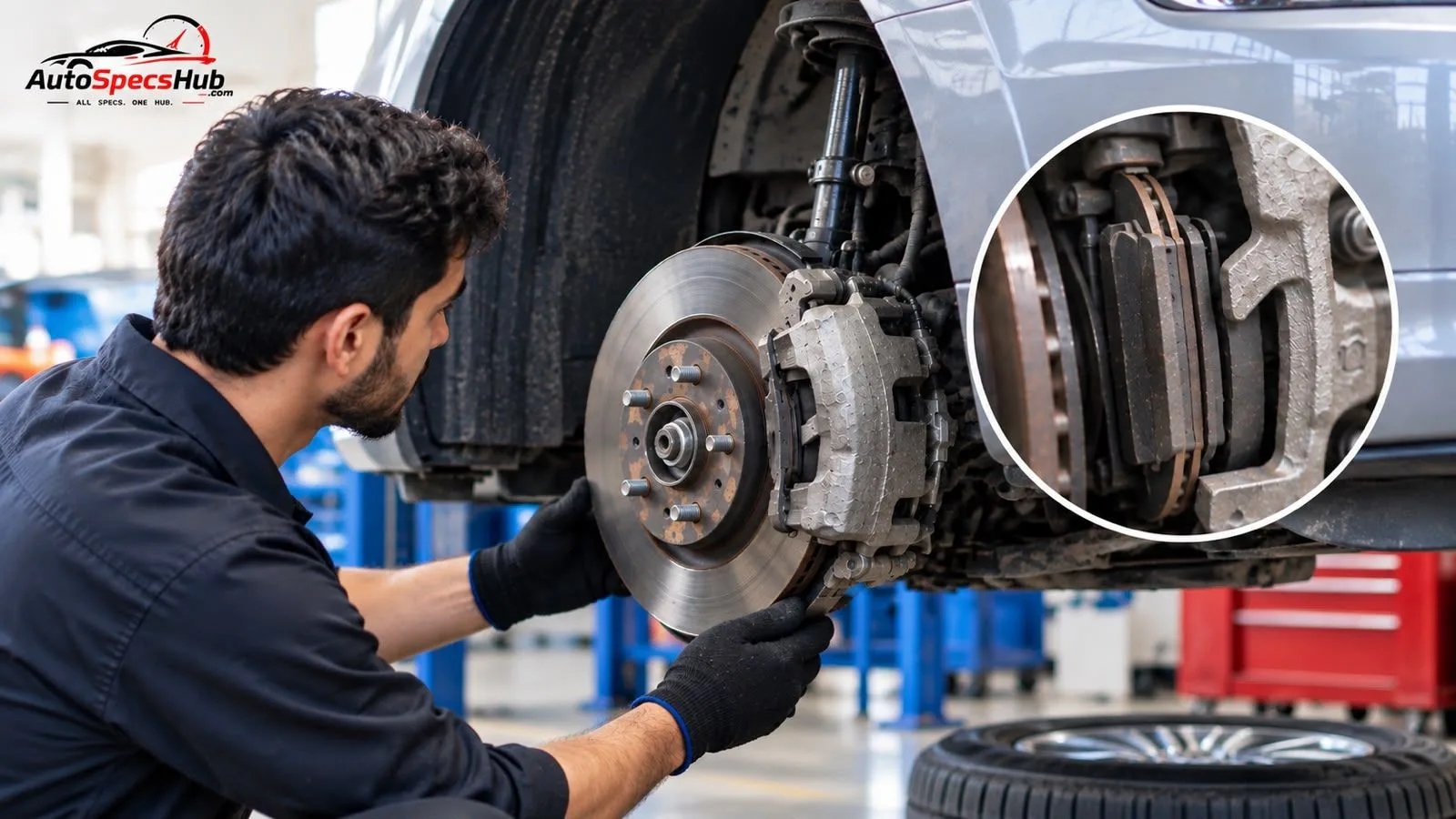
Brake pads are essential wear components that create friction against the rotors to slow and stop the car. Over time, this friction wears down the pad material, eventually requiring replacement.
So, how long do brake pads last? They typically last around 30,000 to 70,000 miles, but lifespan varies with driving habits, traffic, vehicle weight, brake-pad material, and road conditions. Knowing the warning signs can help you determine when an inspection or replacement is needed.
How Long Do Brake Pads Last?
Brake pads typically last 30,000 to 70,000 miles, but their lifespan varies by driving conditions. Highway driving usually causes less wear than frequent city driving.
Vehicle weight, brake-pad material, and driving style also affect longevity. Because of these differences, a physical inspection is more reliable than mileage alone when checking brake-pad condition.
What Determines Brake Pad Lifespan?
Several factors affect how quickly brake pads wear. Understanding these factors explains why one vehicle may go tens of thousands of miles between replacements while another requires brake work much sooner.
Driving Habits
Driving style can have a major impact on brake wear.
Repeated hard braking from high speeds creates considerably more heat and friction than smooth, progressive braking. Drivers who accelerate quickly and then brake heavily at the last moment may wear their pads faster than drivers who anticipate traffic and slow down gradually.
This does not mean drivers should avoid braking when necessary. Safe braking should always take priority. However, maintaining an appropriate following distance and looking ahead can reduce unnecessary hard stops.
Smooth driving can also make the braking system's operation more consistent and reduce unnecessary heat buildup.
City Driving vs Highway Driving
Where a vehicle is driven can be just as important as how it is driven.
City driving often involves:
Frequent traffic lights
Stop-and-go traffic
Congestion
Short trips
Repeated acceleration and braking
Frequent low-speed stops
Highway driving generally involves longer periods of steady speed and fewer braking events.
For this reason, a car driven mostly on open highways may get significantly more mileage from its brake pads than the same model used primarily for urban commuting.
Vehicle Weight
Vehicle weight also influences brake wear.
A heavier vehicle has more mass that the braking system must slow down. Large SUVs, trucks, and heavily loaded vehicles can therefore place greater demands on their brakes.
Manufacturers design braking systems around the vehicle's weight, so heavier vehicles are not automatically going to wear through brake pads quickly. However, regularly carrying heavy loads or towing can increase the amount of work required from the brakes.
Brake Pad Material
Brake pads are available in different materials, and each type has its own characteristics.
Organic brake pads are commonly designed for everyday driving and can offer smooth and relatively quiet operation.
Semi-metallic brake pads generally provide strong braking performance and good resistance to heat. They may, however, produce more brake dust or noise depending on the application.
Ceramic brake pads are often designed to provide quiet operation, lower dust, and consistent braking performance under normal driving conditions.
The choice of material can influence the way a brake pad behaves and how long it remains effective.
Road Conditions
Road conditions can also affect brake-pad wear.
Mountain roads, steep hills, and long downhill sections may require frequent or prolonged braking. This creates additional heat in the braking system.
Using an appropriate lower gear where suitable can help control vehicle speed on long descents and reduce the amount of continuous braking required.
Wet, muddy, salty, or heavily contaminated roads can also affect the condition of brake components, although the effect varies according to the vehicle and environment.
How Many Miles Do Brake Pads Usually Last?
The 30,000 to 70,000-mile range is a useful general guideline, but actual brake-pad life can fall below or above it.
For example, a vehicle driven mainly in heavy urban traffic may experience frequent braking and wear its pads considerably faster. Another vehicle with the same mileage but mostly highway use may still have plenty of usable friction material remaining.
Driving style is another major variable. Frequent aggressive braking increases heat and friction, while smoother braking can reduce unnecessary wear.
Vehicle inspections are therefore more useful than mileage alone when deciding whether brake pads need replacement.
If the vehicle is being serviced, the brake pads should be checked for remaining thickness and signs of uneven wear. This provides a much clearer picture of their condition than simply looking at the odometer.
What Are the Warning Signs of Worn Brake Pads?
Brake pads can provide several warning signs as they approach the end of their useful life. Recognizing these signs early can help prevent additional damage to the braking system.
Squealing or Squeaking
A high-pitched squealing noise is one of the most familiar brake warnings.
Some brake pads contain mechanical wear indicators that create a noticeable sound when the friction material becomes sufficiently thin.
However, squeaking does not always mean the pads are worn out. Moisture, brake dust, temperature, and the specific material used in the pad can also cause temporary noise.
If the noise continues, becomes louder, or appears alongside other braking problems, the system should be inspected.
Grinding
Grinding is a much more serious warning sign.
When brake-pad friction material has been completely or almost completely worn away, the metal backing plate can come into contact with the rotor. This metal-on-metal contact can damage the rotor surface and affect braking performance.
Continuing to drive with grinding brakes can turn a routine pad replacement into a more expensive repair involving rotors or other components.
Reduced Braking Performance
A vehicle that no longer slows down as confidently as it normally does should be inspected.
Worn brake pads can contribute to reduced braking performance, but they are not the only possible cause. Brake-fluid problems, damaged rotors, sticking calipers, worn components, or other issues can also affect braking.
Reduced stopping performance should therefore be treated as a reason to inspect the complete braking system rather than automatically assuming that the pads are responsible.
Vibration When Braking
A vibration through the steering wheel, brake pedal, or vehicle while braking can indicate a brake-system problem.
Rotor condition is one possible cause, although other mechanical problems can also produce similar symptoms.
The pads, rotors, calipers, and related components should be checked to determine the actual cause.
Brake Warning Light
Some vehicles have electronic brake-pad wear sensors or other brake-related warning systems.
If a brake warning appears on the dashboard, it should not be ignored. However, a warning light does not necessarily mean that the brake pads alone are worn. The vehicle should be inspected to determine what triggered the warning.
How Thick Should Brake Pads Be?
Brake-pad thickness is one of the most useful indicators of remaining service life.
New brake pads have a substantial amount of friction material. As that material wears away, the remaining service life decreases.
There is no single thickness measurement that applies to every vehicle. Manufacturers specify appropriate minimum levels according to the brake system's design.
This means drivers should not rely on one universal measurement when deciding whether pads need replacement.
A technician can measure the remaining friction material and compare it with the vehicle's specifications. The inspection should also look for uneven wear, cracks, contamination, or other signs of damage.
Can You See Brake Pad Wear Without Removing the Wheel?
On some vehicles, it is possible to see part of the brake pad through the wheel openings.
However, a quick visual check may not provide a complete picture. The inner and outer pads can sometimes wear at different rates, and the visible pad may not represent the condition of the entire axle.
A complete inspection should examine both sides and consider the condition of the pads, rotors, calipers, and associated hardware.
This becomes especially important when a vehicle has unusual braking behavior or one wheel appears to be wearing differently from the others.
Should Brake Pads Be Replaced in Pairs?
Brake pads on the same axle are generally replaced as a set.
For example, if the front brake pads are worn, both the left and right front pads should normally be replaced together. The same applies to the rear axle.
Replacing only one pad can create uneven braking characteristics between the two sides.
However, the front and rear brake pads do not necessarily need replacement at the same time. Front brakes often handle a larger share of braking work, so they may wear at a different rate from the rear brakes.
The condition of each axle should be evaluated independently.
Do Brake Rotors Need to Be Replaced With Brake Pads?
Not always.
Brake rotors can remain in service if they are within the manufacturer's specifications and do not have significant damage.
However, the rotors should be inspected whenever new brake pads are installed.
A rotor may require replacement if it is below its minimum thickness, severely scored, cracked, excessively worn, or otherwise unsuitable for continued use.
Depending on the vehicle and manufacturer requirements, resurfacing may be possible in some situations.
Installing new pads against unsuitable rotors can contribute to noise, vibration, uneven wear, or inconsistent braking performance.
How Driving Style Affects Brake Pad Wear
Driving style can make a significant difference in brake-pad lifespan.
Hard braking from high speeds generates more heat than gradual braking. Frequent sudden stops can therefore accelerate wear.
Maintaining a safe following distance gives drivers more time to respond to traffic changes. Looking farther ahead can also help reduce unnecessary braking when traffic conditions allow.
On long downhill roads, selecting an appropriate lower gear can provide engine braking and reduce continuous use of the brake pedal.
These techniques cannot stop brake pads from wearing because friction material is designed to wear. They can, however, reduce unnecessary stress on the braking system.
How Can You Make Brake Pads Last Longer?
Brake pads will eventually need replacement, but good driving and maintenance habits can help maximize their useful life.
Brake Smoothly
When traffic conditions permit, gradual braking can reduce unnecessary heat and friction.
Maintain a Safe Following Distance
Leaving sufficient space between vehicles can reduce sudden braking and allow smoother changes in speed.
Use Engine Braking Where Appropriate
On long downhill sections, an appropriate lower gear can help control speed and reduce continuous brake use.
Avoid Unnecessary Weight
Carrying excessive cargo increases vehicle weight and requires more energy to slow down.
Maintain the Entire Brake System
Brake pads are only one part of the braking system. Rotors, calipers, brake fluid, brake lines, and other components all need to remain in good condition.
A sticking caliper, for example, can keep a pad in contact with the rotor and cause unusually rapid or uneven wear.
How Often Should Brake Pads Be Inspected?
Brake pads should be inspected during routine vehicle maintenance, particularly when the wheels are being removed or other brake work is being performed.
The appropriate inspection frequency depends on the vehicle, driving conditions, mileage, and manufacturer recommendations.
Drivers who frequently travel through heavy traffic, mountainous areas, or other demanding environments may need to pay closer attention to brake wear.
An inspection is also appropriate whenever new brake noise, vibration, unusual pedal behavior, or reduced braking performance appears. This is especially important when buying a used vehicle, as a used car checklist can help you remember important brake and mechanical components to inspect.
Front vs. Rear Brake Pad Lifespan
Front and rear brake pads do not necessarily wear at the same rate.
During braking, weight transfers toward the front of the vehicle. Because of this, front brakes often handle a larger share of the braking force.
As a result, front brake pads may wear faster than rear pads on many vehicles.
However, modern vehicles use different braking systems and electronic controls, so the exact wear pattern depends on the vehicle.
Some vehicles may require significantly more frequent front brake replacement, while others may have more balanced wear between the two axles.
It is better to inspect the actual condition of each axle than to assume the front and rear pads will have identical service lives.
Can Brake Pads Last 100,000 Miles?
Some brake pads may remain in service for an unusually long time under favorable conditions, but 100,000 miles should not be treated as a normal expectation.
A vehicle driven mainly on highways with relatively few braking events may experience considerably less wear than a vehicle used for daily urban commuting.
Rather than using a very high mileage figure as a target, drivers should monitor brake condition through inspections and warning signs.
The actual thickness and condition of the pads are more useful indicators than an unusually high mileage claim.
What Happens If You Drive With Worn Brake Pads?
Continuing to drive with severely worn brake pads can cause additional damage to the braking system.
Once the friction material becomes excessively thin, the backing plate can contact the rotor. This can create grinding, damage the rotor, and potentially affect braking performance.
Severely worn pads may also cause uneven braking, increased heat, and additional wear on other components.
If a vehicle shows clear signs of serious brake wear, delaying an inspection can increase repair costs and create unnecessary safety risks.
Brake components should be inspected as soon as practical when serious warning signs appear.
How Much Does Brake Pad Replacement Cost?
Brake-pad replacement costs vary considerably depending on the vehicle and the condition of the braking system.
Important factors include:
Vehicle make and model
Front or rear brake location
Brake-pad material
Labor rates
Brake rotor condition
Brake hardware
Electronic wear sensors
Caliper condition
A basic pad replacement may be relatively straightforward, while replacing pads and damaged rotors together can increase the total repair cost.
For this reason, it is useful to have the braking system inspected and ask exactly which components need attention.
A brake inspection can also identify uneven wear or other problems that may otherwise be missed.
Brake Pad Maintenance Checklist
A simple checklist can help drivers keep track of brake condition:
Check brake-pad thickness during routine servicing.
Pay attention to persistent squealing.
Investigate grinding immediately.
Monitor changes in braking performance.
Do not ignore vibration during braking.
Pay attention to brake-related warning lights.
Inspect rotors when replacing brake pads.
Check caliper operation.
Follow the manufacturer's maintenance recommendations.
Replace pads as a complete axle set when necessary.
Check brake fluid according to the recommended service schedule.
Have unusual brake behavior inspected promptly.
Frequently Asked Questions
How long do brake pads last on average?
Brake pads commonly last around 30,000 to 70,000 miles, although actual service life can vary considerably according to driving style, vehicle weight, traffic, brake-pad material, and road conditions.
How do I know when my brake pads need replacing?
Common warning signs include persistent squealing, grinding, reduced braking performance, vibration, and brake-related dashboard warnings. A physical inspection is the most reliable way to determine remaining pad life.
Do front brake pads wear faster than rear pads?
They often do because the front brakes generally handle a larger portion of the braking force. However, wear rates vary according to vehicle design and driving conditions.
Can brake pads be replaced without replacing the rotors?
Yes. If the rotors remain within the manufacturer's specifications and are in good condition, they may not need replacement. They should still be inspected whenever the brake pads are changed.
Is 30,000 miles too soon for brake pads?
Not necessarily. Heavy city driving, frequent hard braking, towing, steep roads, and heavy loads can cause brake pads to wear faster than they would under lighter conditions.
Do highway-driven cars get longer brake-pad life?
They can. Highway driving typically involves fewer braking events than stop-and-go city driving, which may allow the pads to last longer.
Can bad brake pads damage rotors?
Yes. If pads become severely worn and the friction material disappears, the metal backing plate can contact the rotor and cause significant damage.
Should I replace all four brake pads at once?
Not necessarily. Brake pads are normally replaced as a pair on the same axle. Front and rear pads can wear at different rates, so all four may not need replacement simultaneously.
Final Thoughts
Brake pads are designed to wear, making replacement a normal part of vehicle ownership. Although 30,000 to 70,000 miles is a useful general estimate, there is no fixed lifespan that applies to every driver or vehicle.
City traffic, driving style, vehicle weight, road conditions, brake-pad material, and the condition of other braking components can all affect how quickly pads wear. This is why mileage should be used as a guideline rather than a definitive replacement schedule.
The most reliable approach is to combine mileage with regular brake inspections and awareness of warning signs. Persistent squealing, grinding, vibration, reduced braking performance, or dashboard warnings should be investigated rather than ignored.
Maintaining the complete braking system is equally important. Brake pads, rotors, calipers, brake fluid, and related components all work together to provide controlled stopping performance. By inspecting these components regularly and replacing worn parts when necessary, drivers can help keep their vehicle's braking system operating as intended.