
How Often Should You Change Brake Fluid? A Complete Guide
How often should you change brake fluid? Learn the recommended brake fluid change interval, signs your fluid needs replacement, how brake fluid deteriorates, and why regular brake fluid maintenance matters.
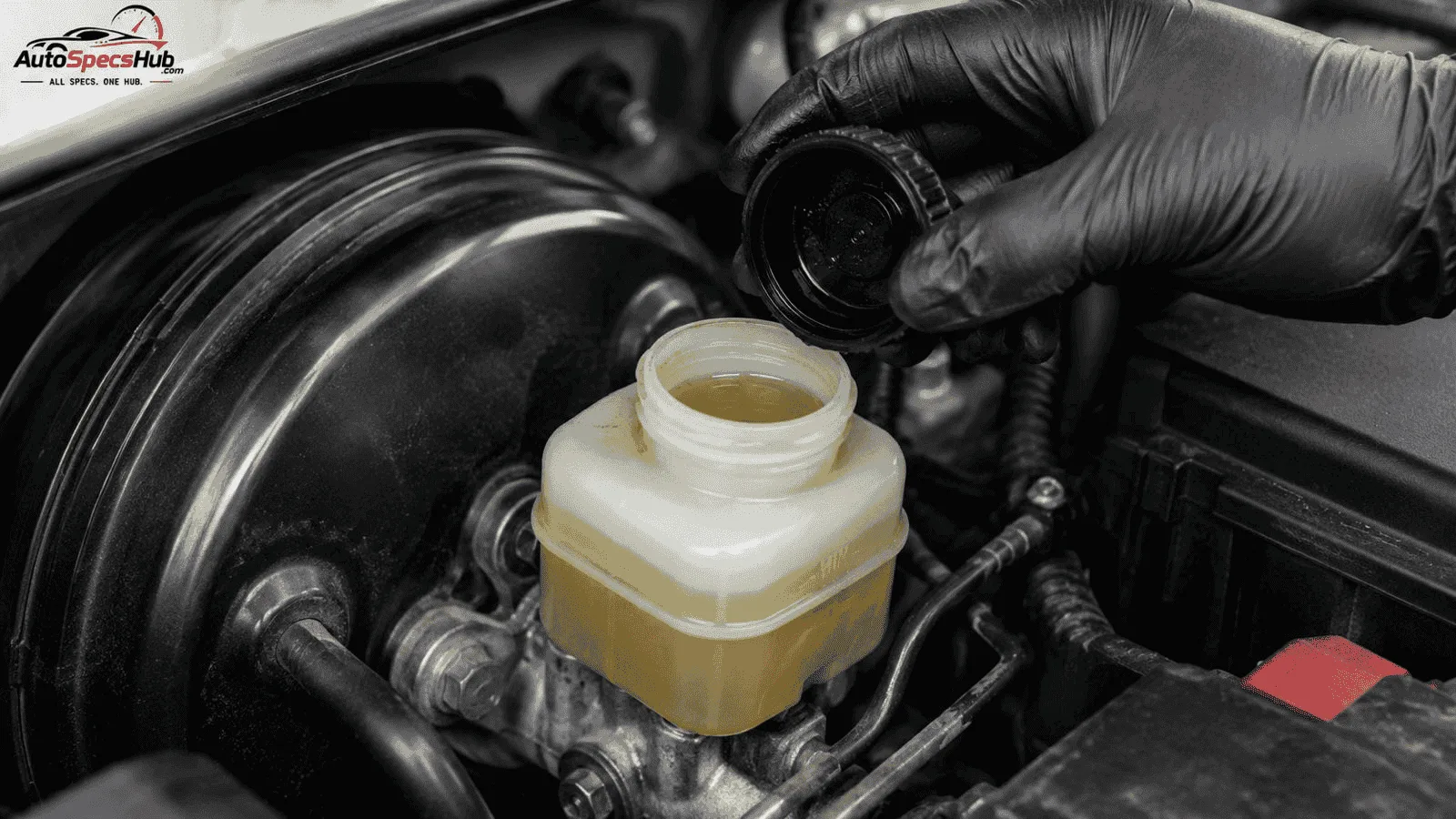
Brake fluid is one of the most important fluids in your vehicle because it transfers the force from the brake pedal to the braking components at the wheels. Without properly functioning brake fluid, your braking system may not operate as designed.
Unlike engine oil, brake fluid doesn't always have an obvious visual warning when it needs replacing — it gradually absorbs moisture from the air, becomes contaminated, and loses some of its properties over time.
So, how often should you change brake fluid? The answer depends on the vehicle, manufacturer recommendations, driving conditions, and the fluid's condition. This guide covers the change interval, why it matters, warning signs to watch for, and what to know before scheduling service.
What Is Brake Fluid?
Brake fluid is a hydraulic fluid used in vehicles equipped with hydraulic braking systems. When you press the brake pedal, the master cylinder creates hydraulic pressure that travels through the brake lines to the braking components, allowing the brakes to slow or stop the vehicle.
Brake fluid needs to withstand high temperatures and pressure while maintaining consistent performance, and it needs to remain compatible with the seals, hoses, and other components in the braking system.
Different vehicles require different types of brake fluid, such as DOT 3, DOT 4, or other specifications. You should always use the fluid specified by the vehicle manufacturer.
How Often Should You Change Brake Fluid?
There is no single brake fluid change interval that applies to every vehicle. Many manufacturers recommend inspecting brake fluid regularly and replacing it according to a specified time interval. Some vehicles have a recommendation based on years, while others specify fluid-condition testing during scheduled service.
A common recommendation in the automotive industry is to replace brake fluid approximately every 2 to 3 years, but this is not a universal rule — some manufacturers recommend different intervals. The best approach is to check your owner's manual or manufacturer's maintenance schedule for your exact vehicle.
If you recently purchased a used vehicle and cannot confirm when the brake fluid was last replaced, having the braking system and fluid condition inspected can be a sensible maintenance step.
Why Does Brake Fluid Need to Be Changed?
One of the main reasons brake fluid needs attention is moisture absorption. Many commonly used brake fluids are hygroscopic, meaning they can absorb moisture from the atmosphere. Over time, moisture can enter the braking system and affect the fluid's performance — as moisture content increases, the fluid's boiling point can decrease.
This becomes particularly important when the brakes generate significant heat, such as during repeated braking, mountain driving, towing, or other demanding conditions. Old or contaminated brake fluid can also contribute to corrosion inside braking-system components, so regular maintenance helps reduce these risks and keeps the braking system operating as intended.
What Happens If You Never Change Brake Fluid?
Ignoring brake fluid maintenance does not necessarily mean the brakes will suddenly fail. However, allowing fluid to remain in service too long increases the risk of deterioration and contamination. Potential concerns include:
Increased moisture content
Reduced boiling point
Internal corrosion
Changes in brake-pedal feel
Potential damage to hydraulic components
The exact consequences depend on the vehicle and condition of the braking system. Brake fluid maintenance is part of responsible vehicle upkeep, not something that should only be considered after a braking problem appears — and since fluid intervals can vary by make and model, it's worth checking your vehicle's specific maintenance schedule rather than relying on a general rule of thumb.
Signs Your Brake Fluid May Need to Be Changed
Brake fluid can deteriorate without producing obvious symptoms, which is why scheduled maintenance matters. Certain warning signs, however, may indicate that the braking system needs inspection.
Soft or spongy brake pedal. A pedal that feels softer or spongier than usual can indicate air or moisture in the hydraulic system, though worn components or leaks can also be responsible. If your brake pedal suddenly feels different, have the braking system inspected promptly.
Dark or contaminated brake fluid. Fresh brake fluid is usually clear or lightly colored. As it ages, it can darken or become contaminated — though color alone shouldn't be the only reason to replace it.
Brake warning light. This can indicate low brake fluid, a hydraulic issue, or another brake-system fault. Consult the owner's manual and have the vehicle inspected rather than assuming the fluid simply needs changing.
Reduced braking performance. If the vehicle doesn't stop as confidently as usual, don't assume it's simply old brake fluid — worn pads, damaged rotors, hydraulic problems, or leaks could be the cause. Have this diagnosed professionally.
Brake fluid level keeps dropping. Fluid does not normally disappear quickly. If the level repeatedly falls, there may be a leak that needs investigating rather than simply topping up the fluid.
Does Brake Fluid Go Bad?
Yes. Brake fluid absorbs moisture, becomes contaminated, and experiences changes in its properties over time. It should not be treated as a lifetime fluid simply because the vehicle continues to stop normally — the condition of the fluid and the manufacturer's recommended service schedule should both be considered.
Brake Fluid Change vs Flush, and Can You DIY It?
"Brake fluid change" and "brake fluid flush" are often used interchangeably, though a flush is typically more thorough — replacing fluid throughout more of the system until contaminants are fully removed. Ask your shop which procedure they'll perform.
DIY replacement is technically possible for an experienced mechanic, but the braking system is safety-critical and requires correctly bleeding the brakes to remove trapped air. If you're not confident working on hydraulic systems, professional service is the safer choice.
How Much Does a Brake Fluid Change Cost?
Cost varies by vehicle, location, labor rates, and procedure used. A basic fluid replacement is generally less expensive than major brake repairs, but price can increase if there's a leak or damaged components. Ask whether the quote includes fluid, labor, bleeding, and inspection.
What Type of Brake Fluid Does Your Car Need?
Always use the brake fluid specification recommended by the vehicle manufacturer. Common specifications include DOT 3 and DOT 4, though some vehicles use other specs. Don't choose brake fluid based solely on price or availability — the wrong fluid can damage components or affect braking performance. Check your owner's manual, service documentation, or the marking on the brake fluid reservoir, though the manual should be your primary reference.
Does Driving Style Affect Brake Fluid Life?
Vehicles that regularly experience heavy traffic, frequent hard braking, mountain driving, or towing place greater thermal demands on the braking system. This doesn't mean every driver in these conditions needs more frequent fluid changes, but it makes regular inspection especially important.
Brake Fluid Maintenance for Used Cars
Brake fluid should be one of the items you consider when purchasing a used vehicle, alongside the rest of its service history. Checking maintenance records, mileage, and known issues before you buy can save you from costly surprises — the same kind of due diligence we walk through in our guide to buying a used Lexus RX 350, which applies just as well to any used car you're evaluating.
Ask the seller when the fluid was last replaced. If there's no documented history, consider having the brake system inspected before you commit to the purchase.
How to Extend the Life of Your Brake System
Changing brake fluid on schedule is only one part of brake-system maintenance. You should also inspect brake pads regularly, check rotors for wear, monitor fluid level, look for leaks, pay attention to unusual noises, and follow the manufacturer's maintenance schedule using the correct fluid specification. Regular inspection helps identify problems before they become more serious.
Frequently Asked Questions
How do I know if my brake fluid is low? Check the reservoir, usually near the back of the engine bay. It has "MIN" and "MAX" markings — if the level is at or below MIN, have the system checked for leaks, since fluid shouldn't drop on its own.
What color should brake fluid be? Fresh fluid is clear to light amber. As it ages and absorbs moisture, it darkens toward brown or black — a signal to have it checked, though color alone isn't a definitive test.
Can I mix different types of brake fluid? Always use the type specified by your manufacturer. Mixing incompatible fluids, such as glycol-based DOT 3/4 with silicone-based DOT 5, can damage seals and compromise braking.
Is it safe to drive with old brake fluid? Old fluid doesn't necessarily mean immediate failure, but it raises the risk of reduced performance, a spongy pedal, and internal corrosion. If you notice warning signs, have the system inspected rather than waiting.
How long does a brake fluid change take? Typically 30 minutes to an hour, depending on the vehicle and whether a full flush is performed. It can take longer if the technician finds additional issues.
Does brake fluid affect ABS or other safety systems? Yes. ABS, traction control, and stability control all rely on the same hydraulic fluid, so keeping it in good condition supports more than just basic braking.
When Should You Have Your Brakes Inspected?
Have the braking system inspected if you notice a sudden change in pedal feel, unusual braking noises, reduced braking performance, fluid leakage, or a brake warning light. Don't wait for the scheduled brake fluid interval if there's an active problem — a brake fluid change cannot fix worn pads, damaged rotors, or leaking brake lines. The correct solution depends on the actual cause.
Final Thoughts
The ideal brake fluid change interval depends on your vehicle manufacturer's recommendations and the condition of the fluid. While a replacement interval of around two to three years is a commonly used general guideline, it should not replace the specific schedule provided for your vehicle.
Brake fluid can absorb moisture and become contaminated over time, potentially affecting the hydraulic braking system and contributing to corrosion. Regular inspection and timely replacement help maintain proper braking-system operation.
If you're unsure when your brake fluid was last changed, check the maintenance records and owner's manual. For a used vehicle with an unknown history, a professional brake-system inspection can provide useful peace of mind.
Most importantly, never ignore symptoms such as a soft brake pedal, brake warning light, fluid leakage, or reduced braking performance — these can indicate problems that require immediate attention beyond a simple fluid change.