
Used Lexus RX 350 Buying Guide: What to Check Before You Buy
A practical used Lexus RX 350 buying guide covering service history, mileage, engine, transmission, tires, recalls, test-drive checks, and pre-purchase inspection tips.
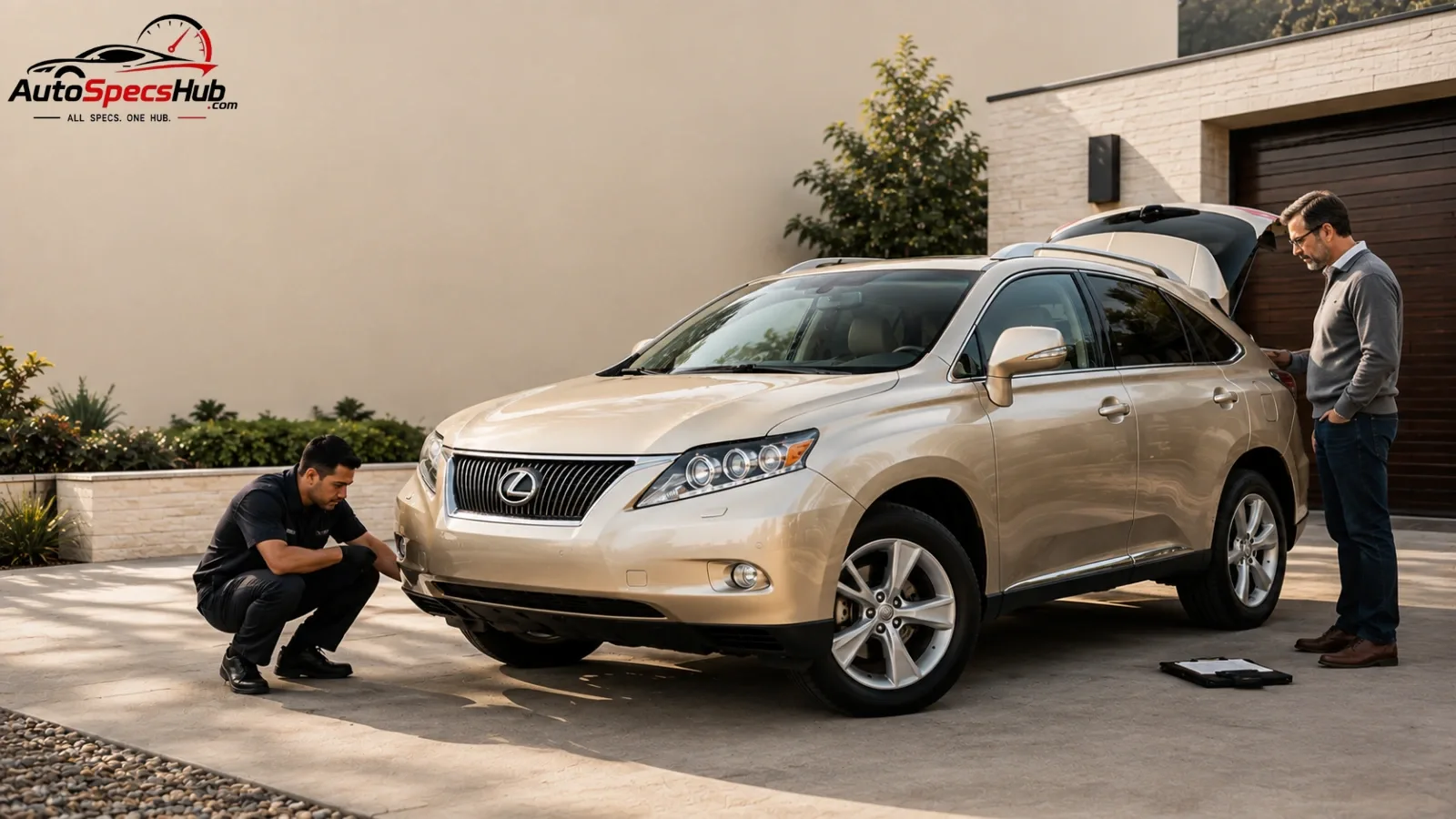
A used Lexus RX 350 can be a smart choice if you want a comfortable luxury SUV without paying new-car money. The used market includes several generations, different drivetrains, and a wide range of trims, so the condition of the exact vehicle matters more than the badge alone.
Two RX 350s with similar mileage can be very different purchases if one has a complete service history and the other has been neglected.
This guide explains what to check before buying a used Lexus RX 350, how to judge mileage and condition, what to look for during a test drive, and when a professional inspection is worth the money.
Quick Answer: Is a Used Lexus RX 350 Worth Buying?
Yes, a well-maintained used RX 350 can be a strong luxury-SUV buy. Focus on condition, service history, and inspection results rather than reputation alone.
Before buying, check:
Service and repair records
Cold-start behavior
Transmission operation
Tires, brakes, and suspension
Warning lights and electronics
Accident or paint-repair signs
VIN and open recalls
A proper road test
An independent pre-purchase inspection
A low asking price is not a bargain if the vehicle immediately needs tires, brakes, overdue servicing, and repairs.
Know Which RX 350 Generation You Are Buying
The Lexus RX has changed significantly over time. Lexus identifies the third-generation RX with the 2010–2015 model years and the fourth generation with 2016–2022. The fifth-generation RX arrived for the 2023 model year.
That matters because engines, transmissions, safety technology, infotainment, and cabin design differ by generation. Earlier RX 350 models used a naturally aspirated 3.5-liter V6, while the fifth-generation RX 350 moved to a 2.4-liter turbocharged four-cylinder.
Before comparing two used cars, confirm the exact year, drivetrain, trim, and engine. You can browse all Lexus RX generations on AutoSpecsHub before you shop.
For older examples, compare the third-generation Lexus RX and the detailed Lexus RX 350 specifications. AutoSpecsHub also has dedicated pages for the fourth-generation RX and fifth-generation RX.
1. Start With the Service History
Service history should be one of your first filters.
Ask for maintenance records, dealer history, repair invoices, or digital service records. You want to see regular care rather than repairs completed only after something failed.
Check for evidence of:
Oil and filter changes
Brake servicing
Tire replacement and rotation
Fluid checks
Battery replacement when needed
Scheduled maintenance
Repairs after warning lights or faults
Lexus provides maintenance and service resources where owners can review relevant vehicle information and maintenance history.
If the seller says the car was “always serviced” but cannot show records, treat that as an unknown rather than a confirmed history.
2. Do Not Judge the Car by Mileage Alone
Mileage matters, but it does not tell the whole story.
A well-maintained higher-mileage RX 350 can be a better buy than a low-mileage example that has been poorly maintained or left sitting for long periods.
Judge mileage together with:
Age: Tires, batteries, seals, and fluids can age even when the car is not driven much.
Service history: Regular documented maintenance makes higher mileage easier to assess.
Interior wear: The driver's seat, steering wheel, pedals, and switches should look believable for the odometer reading.
Type of use: Highway mileage can produce different wear from constant short urban trips.
Choose the car whose mileage, condition, and history make sense together.
3. Inspect the Engine From Cold
If possible, ask the seller not to start the vehicle before you arrive.
Before starting it, look for obvious oil or coolant leaks, damaged hoses, loose wiring, battery corrosion, fluid residue, or signs of rushed repairs.
Then start the engine and listen. It should settle into a normal idle without persistent warning lights, heavy vibration, unusual knocking, obvious smoke, or strong fluid smells.
You do not need to diagnose the cause yourself. If something seems wrong, make the sale conditional on a professional inspection.
4. Check the Transmission on a Real Test Drive
Do more than drive around the block.
Move between Park, Reverse, and Drive and notice whether engagement feels normal. Then check the vehicle at low speed, under moderate acceleration, and after it has warmed up.
Watch for:
Long delays when selecting Drive or Reverse
Repeated harsh shifts
Hesitation under acceleration
Warning messages
Unusual noises
Shuddering or vibration
One odd shift does not prove there is a transmission problem, but repeated abnormal behavior deserves investigation.
If the seller says transmission work has already been completed, ask to see the invoice.
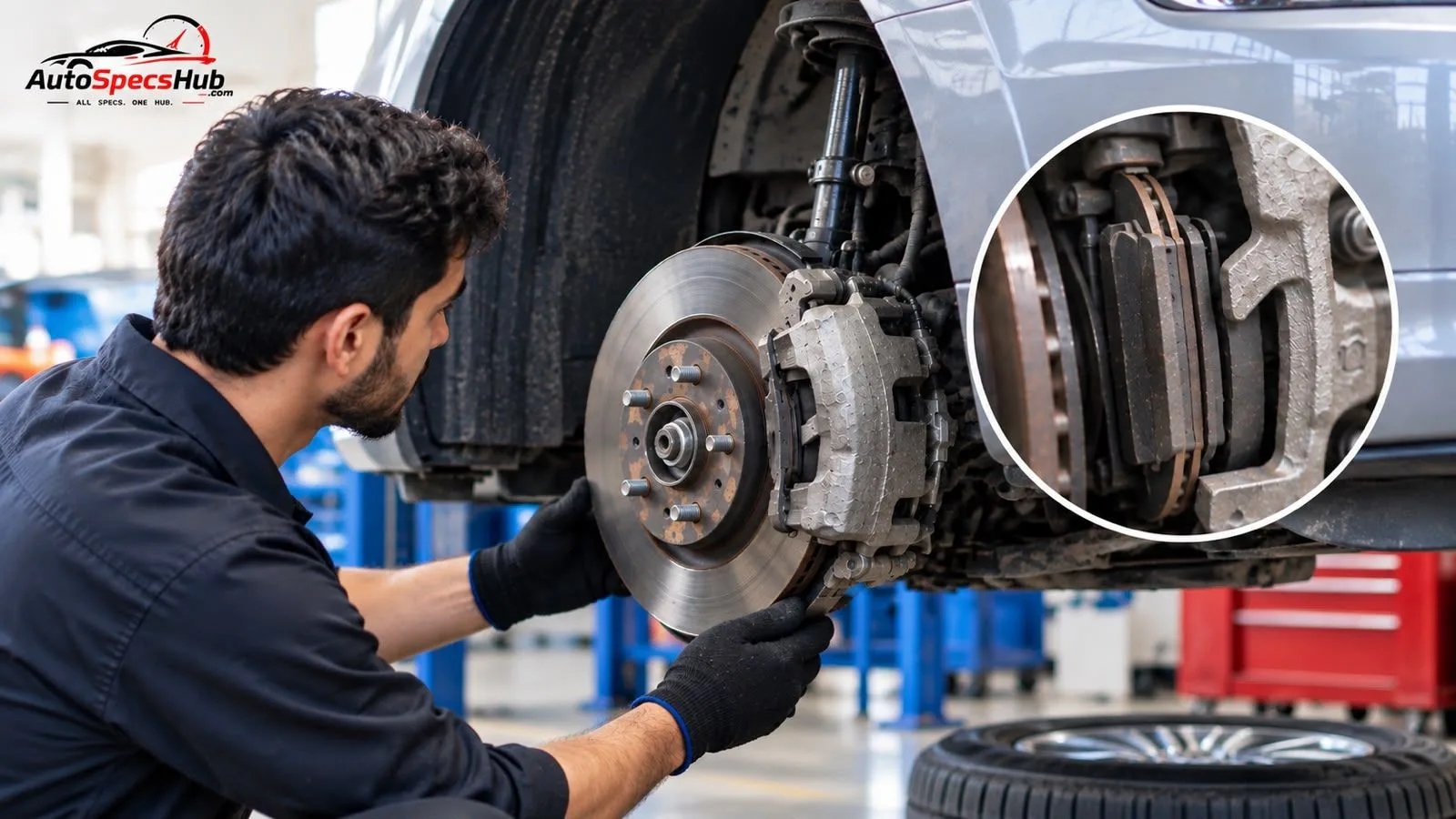
5. Inspect Tires, Brakes, and Suspension
A used luxury SUV can become expensive quickly if several wear items need replacing at once.
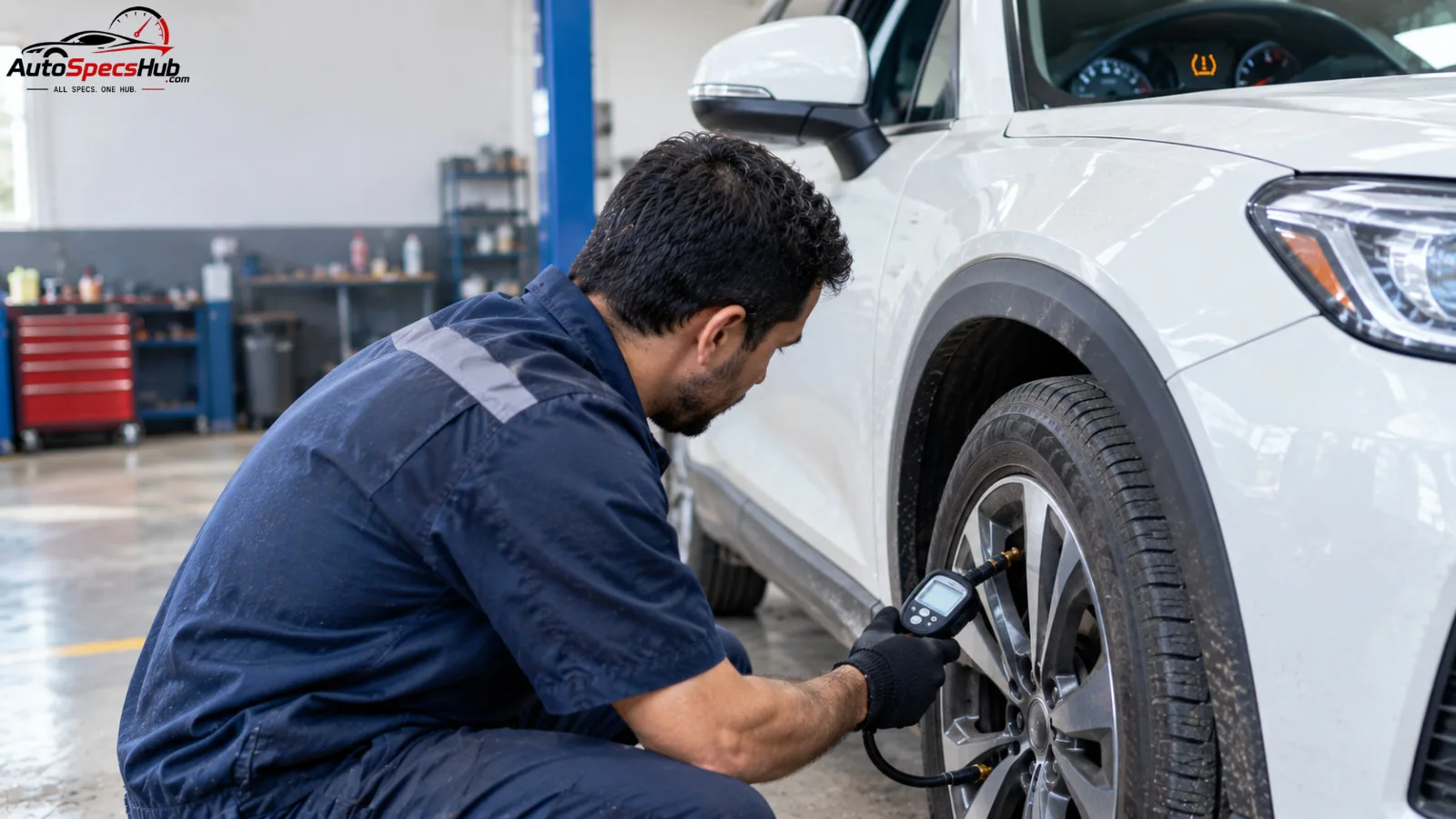
Inspect all four tires for low tread, sidewall damage, uneven wear, mismatched specifications, or old age. On an AWD model, pay particular attention to whether all four tires are the correct size and reasonably even in wear.
During the test drive, check whether the RX 350 pulls to one side, vibrates through the steering wheel, knocks over bumps, or shakes under braking.
Before agreeing on a price, estimate what the vehicle may need during the first year. A slightly more expensive RX with good tires, recent brakes, and current servicing may cost less overall.
6. Test Every Important Electrical Feature
Do not assume the electronics work because the dashboard looks clean.
Test:
Infotainment and audio
Bluetooth
Backup camera
Parking sensors
Power windows and mirrors
Seat controls
Heated or ventilated seats, if fitted
Climate control
Power tailgate
Keyless entry
Steering-wheel controls
Sunroof, if fitted
Driver-assistance features on newer models
Newer RX generations contain more advanced infotainment and safety technology, so electronic checks become more important as the vehicle gets newer.
Small faults may not stop you from buying, but they should be known before you negotiate.
7. Look for Accident and Body Repairs
Inspect the vehicle in daylight if possible.
Look for paint that does not match between panels, uneven gaps, overspray, poorly aligned trim, or different finishes on adjacent panels. Open the doors, hood, and tailgate and inspect the painted edges and hinges as well.
A vehicle-history report can be useful, but it should support a physical inspection rather than replace one.
For a wider inspection process, use our Used Car Checklist: 15 Things to Check Before You Buy.
8. Check the VIN for Open Recalls
If you are buying in the United States, use the vehicle's 17-character VIN to check for open safety recalls through NHTSA.
NHTSA provides a VIN-based recall lookup and advises owners to arrange the required repair when an open safety recall applies.
Do this for the exact vehicle, not just the model and year.
A recall does not automatically make a used RX 350 a bad buy, but you should know its status before completing the purchase.
9. Take a Proper Test Drive
A useful test drive should include more than smooth local roads.
At low speed: Check steering, brakes, parking behavior, transmission response, and suspension noises.
Under normal acceleration: Make sure power delivery feels smooth and the vehicle does not hesitate or vibrate.
At highway speed: Listen for unusual tire, wheel, or wind noise and check whether the vehicle tracks straight.
While braking: Make sure it stops in a straight line without strong vibration.
Turn the climate control and audio off briefly so you can hear the car itself.
After the drive, check underneath and around the engine bay for fresh leaks or unusual smells.
10. Compare the Asking Price With the Work It Needs
Do not compare used RX 350s by price alone.
Estimate first-year costs for each serious candidate, including tires, brakes, overdue service, cosmetic repairs, spare keys, and anything identified during inspection.
A car that costs more but comes with strong records, quality tires, recent brakes, two working keys, and no immediate maintenance needs may be the better deal.
The cheapest RX 350 can become the most expensive choice if it needs several jobs immediately.
11. Get a Pre-Purchase Inspection
If you are close to buying, arrange an independent pre-purchase inspection.
A qualified mechanic or Lexus/Toyota specialist can help identify existing faults, signs of poor repairs, worn components, and maintenance that may be coming soon.
Use the findings to:
Buy with more confidence
Renegotiate based on real repair needs
Walk away if the problems are larger than expected
A seller who refuses a reasonable independent inspection deserves extra caution.
Used Lexus RX 350 Checklist
Check | What You Want |
Service history | Regular, documented maintenance |
Cold start | Smooth start with no unexplained warnings |
Engine bay | No obvious leaks or poor repairs |
Transmission | Consistent operation |
Tires | Correct size and even wear |
Brakes | Smooth, straight stopping |
Suspension | No obvious knocking or instability |
Electronics | Major features working |
Body | Consistent paint and panel alignment |
VIN | Checked for open recalls |
Test drive | No unexplained vibration or noises |
Inspection | Independent check before purchase |
Frequently Asked Questions
Is a used Lexus RX 350 a good buy?
It can be. The strongest candidates have documented maintenance, a clean inspection, sensible mileage for their age, and no major unanswered faults.
How many miles is too many for a used Lexus RX 350?
There is no single mileage cutoff that applies to every vehicle. Judge mileage together with maintenance history, age, condition, previous use, and likely upcoming repairs.
Should I buy an older V6 or a newer turbo RX 350?
Choose based on the exact generation, condition, service history, features, and driving experience you want. The powertrains differ, so compare the specific vehicles rather than assuming one engine layout is automatically better.
What should I check first?
Start with the VIN, service records, accident history, tires, dashboard warning lights, and cold-start behavior. If those checks look good, move on to a longer test drive and professional inspection.
Final Verdict
A used Lexus RX 350 is best judged as an individual vehicle, not simply as a model with a strong reputation.
Confirm the generation, examine its maintenance history, inspect the engine and transmission, check tires and brakes, test the electronics, look for body repairs, verify the VIN, and take a proper test drive.
Most importantly, compare the asking price with the condition of the car and the work it is likely to need.
A clean history, sensible maintenance, and a good independent inspection are worth more than simply finding the lowest-mileage or cheapest RX 350 on the market.