
Roof Rack Cross Bars: Weight Limits, Load Capacity, and Safe Loading Guide
Learn how much weight roof rack cross bars can safely carry, how vehicle roof-load limits work, and the difference between dynamic and static capacity. Discover how to calculate total cargo weight, distribute loads properly, choose compatible crossbars, and avoid common loading mistakes when carrying luggage, cargo boxes, bikes, or rooftop tents.
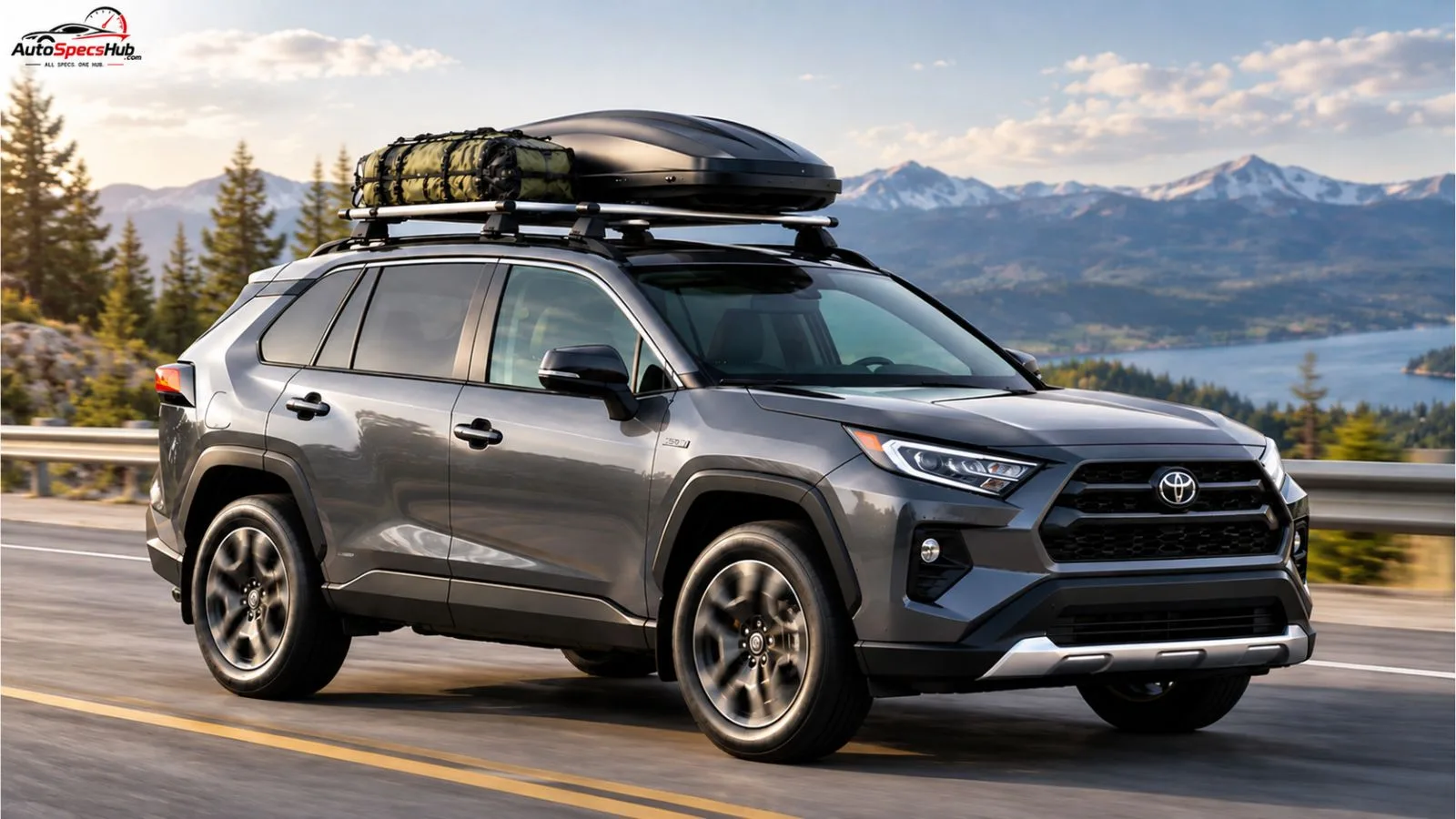
Roof rack cross bars let you carry luggage, camping gear, bicycles, kayaks, and cargo boxes without filling your vehicle's interior. However, before loading equipment for a road trip, you need to know how much weight your cross bars can safely support. Exceeding the permitted limit can damage mounting points, affect handling, and create hazards for other road users.
The important thing to understand is that roof rack capacity depends on more than the bars themselves. Your vehicle's roof-load rating, mounting system, cross bars, and attached accessories all influence the allowable load. Understanding these limits helps you choose compatible equipment, distribute cargo correctly, and travel more safely.
What Are Roof Rack Cross Bars?
Roof rack cross bars are horizontal bars that extend across a vehicle's roof. They attach to factory-installed roof rails, dedicated mounting points, door-frame clamps, or other manufacturer-approved mounting systems.
Their purpose is to provide a secure base for carrying equipment that would otherwise occupy space inside the vehicle. Depending on the system, compatible accessories can include cargo boxes, bicycle carriers, kayak mounts, ski racks, and other travel equipment.
Cross bars are different from roof rails. Roof rails generally run lengthwise along the roof, while cross bars extend from one side to the other. Some vehicles come with factory-installed rails but require separate cross bars to carry cargo.
Compatibility matters because roof shape, mounting points, bar dimensions, and accessory requirements vary between vehicles. Always confirm that the cross bars are approved for your exact vehicle before purchasing or installing them.
How Much Weight Can Roof Rack Cross Bars Hold?
There is no universal weight limit for roof rack cross bars. The permitted load depends on the particular crossbar system, the vehicle, the mounting arrangement, and any accessories being used.
Some systems are designed for lighter recreational equipment, while others can support heavier loads within their specified limits. However, a crossbar's advertised capacity does not automatically represent the amount of cargo your vehicle can carry.
Consider this example: a vehicle has a maximum roof-load rating of 165 pounds, while its crossbar system is rated for 220 pounds. If both ratings apply to the intended setup, the vehicle's lower limit still restricts the load.
The reverse is also true. If the vehicle permits 165 pounds but the cross bars are rated for only 110 pounds, you cannot safely use the vehicle's full allowance with that system.
Always check the vehicle owner's manual, crossbar installation instructions, and accessory specifications. Follow the lowest applicable limit and any additional restrictions provided by the manufacturers. Some ratings include the weight of the rack system itself, so verify exactly what each figure represents.
Understanding Vehicle Roof-Load Capacity
A vehicle's roof-load capacity is the maximum roof-mounted load its manufacturer permits under specified conditions. It is not simply a measure of how much pressure the metal roof panel can withstand.
The rating can account for mounting-point strength, structural design, handling, and other vehicle-specific factors. Two SUVs of similar size may have different roof-load limits, so estimates based on appearance are unreliable.
To find the correct figure, consult your owner's manual and look for terms such as maximum roof load, roof rack capacity, or roof loading. Check whether the specified limit includes cross bars, mounting hardware, and accessories.
Never assume that a stronger-looking roof can support more weight. A vehicle's approved limit must be followed even when a particular rack system advertises a higher capacity.
Dynamic vs. Static Roof Load: What's the Difference?
Understanding dynamic and static load ratings is particularly important when carrying bulky equipment or considering a rooftop tent.
Dynamic load capacity
Dynamic capacity refers to the permitted load while the vehicle is moving. During driving, cargo experiences forces from braking, acceleration, cornering, road bumps, and wind. These forces place additional demands on the cross bars, mounting points, and securing hardware.
The allowable moving load may therefore be lower than the load permitted when the vehicle is stationary. Use the manufacturer's specified dynamic rating rather than estimating what the system might support.
Static load capacity
Static capacity applies when the vehicle is stationary. It may be relevant to rooftop tents and equipment designed for use while parked.
A static rating must never be treated as the permitted driving load. A system approved to support a rooftop tent while parked is not automatically approved to carry the same weight on the road.
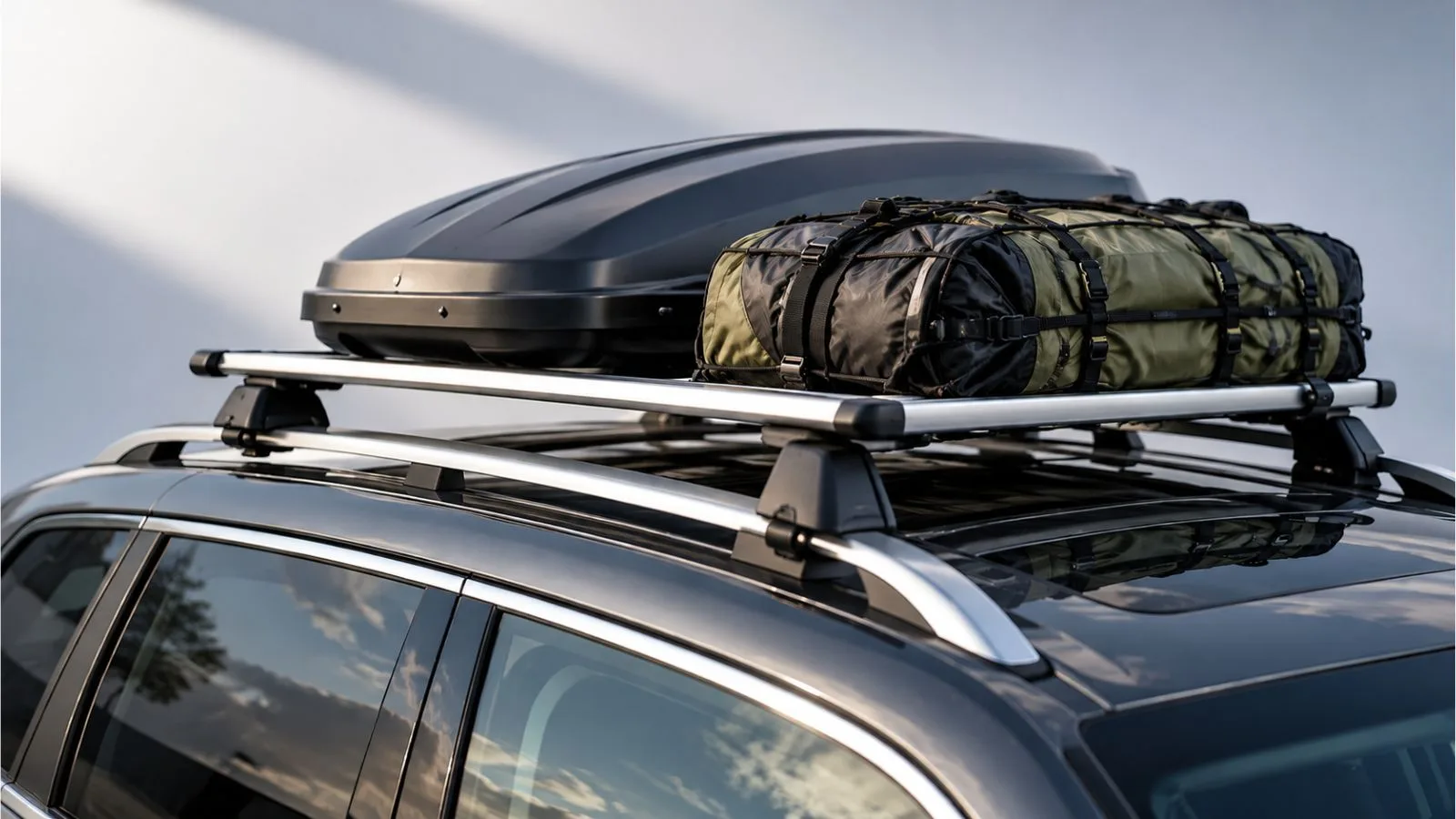
For a rooftop tent, check the requirements for the vehicle, rack, tent, and mounting hardware. Account for the tent and occupants as instructed by the manufacturers, and follow any restrictions on the intended parking surface or setup.
How to Calculate Your Total Roof Load
Calculating the load helps prevent accidental overloading. Start by identifying what the vehicle's roof-load limit includes.
For example, suppose a vehicle has a 165-pound roof-load limit, and its cross bars and mounting equipment weigh 15 pounds. If the manufacturer defines the limit as the combined weight of the rack and cargo, 150 pounds remain for the other items, subject to all applicable equipment ratings.
If you then install a cargo box weighing 35 pounds, the remaining allowance for its contents would be 115 pounds under those assumptions.
This is an illustration, not a universal calculation. Manufacturers may define their ratings differently, so confirm how the limits apply to your particular setup.
Remember to account for cross bars, mounting brackets, adapters, cargo boxes, and other equipment wherever the relevant rating requires them to be included. The cargo box or carrier may also have its own maximum load limit.
How to Distribute Weight Across Roof Rack Cross Bars
Staying within the weight limit is essential, but the way you arrange the load also matters. Poorly distributed or unsecured cargo can shift during braking or cornering and place additional stress on the rack.
Follow the accessory manufacturer's loading instructions and distribute weight evenly across the approved mounting area. Avoid concentrating heavy items at one end or exceeding the individual limits of any component.
Use compatible straps, clamps, or locking mechanisms to secure cargo. Check that equipment cannot slide forward, backward, or sideways during normal driving.
Do not assume ordinary elastic cords are sufficient to restrain heavy objects. Use the restraint system specified for the cargo and rack, and never carry loose items that could become road hazards.
After loading, check that cargo does not interfere with doors, the tailgate, antennas, roof openings, or other vehicle features. Recheck the load after traveling a short distance and during longer journeys, following the manufacturer's instructions.
Do Roof Rack Cross Bars Affect Handling and Fuel Economy?
Yes. Roof-mounted equipment can affect vehicle handling and fuel consumption.
Adding weight above the vehicle's center of gravity can influence body movement during cornering and sudden maneuvers. Bulky cargo may also catch the wind, increase aerodynamic drag, and create additional wind noise.
The effect varies with the vehicle, cargo shape, driving speed, weather, and rack design. A large cargo box or upright bicycle interacts with airflow differently from a compact, streamlined accessory.
Drive cautiously when carrying roof cargo, especially in strong crosswinds or on uneven roads. Avoid abrupt maneuvers, respect the manufacturer's speed restrictions, and allow sufficient stopping distance for the conditions.
Routine vehicle maintenance is also important before a road trip. Following your car’s recommended service schedule helps keep it running reliably, while roof rack components still need separate inspections before carrying cargo.
How to Choose the Right Roof Rack Cross Bars
Choose cross bars based on vehicle compatibility and intended use rather than appearance alone.
Vehicle fitment: Confirm the exact make, model, year, roof configuration, and mounting points.
Load capacity: Check the ratings for the vehicle, cross bars, mounting hardware, and accessories.
Dimensions and clearance: Ensure the bars fit the approved mounting positions and provide adequate space for your equipment.
Accessory compatibility: Verify that your cargo box, bicycle carrier, kayak mount, or other accessory works with the selected bars.
Installation requirements: Follow the manufacturer's mounting procedure and tightening specifications.
Construction: Consider durability, corrosion resistance, and the conditions in which you expect to use the system.
Noise and aerodynamics: Compare designs if wind noise and fuel economy are important to you.
Universal cross bars are not necessarily compatible with every car. Products advertised as universal may still have restrictions based on roof type, dimensions, mounting points, and load capacity. Verify fitment before purchasing.
Common Roof Rack Loading Mistakes to Avoid
Avoid these common mistakes when installing and using cross bars:
Ignoring the vehicle's roof-load limit: A higher-rated rack does not increase the vehicle's approved capacity.
Confusing static and dynamic ratings: Stationary load capacity does not establish the safe load while driving.
Forgetting equipment weight: Cross bars, mounts, and carriers may count toward the total limit.
Using incompatible accessories: Poorly matched components may not attach securely.
Loading cargo unevenly: Uneven distribution can increase stress on individual bars and mounting points.
Failing to secure equipment: Loose cargo can shift, damage the vehicle, or fall onto the road.
Skipping inspections: Damaged straps, loose fasteners, or worn mounting points can compromise safety.
Never modify the rack or vehicle mounting points unless the manufacturer explicitly approves the modification.
Preparing Roof Rack Cross Bars for a Road Trip
Before setting off, confirm that the cross bars are installed correctly, all applicable load limits are respected, and every item is securely fastened.
Remember that rooftop cargo increases the vehicle's overall height. Check clearance limits at parking garages, drive-through facilities, and covered entrances before entering.
If your journey includes rough roads or frequent stops, inspect the rack and cargo regularly. Follow any additional restrictions concerning speed, off-road use, and accessory installation.
Before heading out on a long trip, take a moment to check your tires for uneven wear. If you're unsure how often your tires need attention, this guide to keeping your tires in good condition can help you stay on top of routine maintenance.
Frequently Asked Questions
Can roof rack cross bars hold more weight than roof rails?
Not necessarily. The complete setup must comply with the applicable ratings for the vehicle, rails, cross bars, mounting hardware, and accessories. The lowest relevant limit governs.
Can I carry a rooftop tent on ordinary cross bars?
Only if the vehicle, cross bars, mounting system, and tent are approved for that use. Check both dynamic and static requirements and follow the manufacturers' installation instructions.
Should I remove cross bars when they are not in use?
Removing them may reduce wind noise and aerodynamic drag on some vehicles, but the effect varies. Follow the manufacturer's guidance and reinstall them correctly when needed.
How often should I inspect my roof rack?
Check the installation and cargo before trips, and inspect them periodically during use according to the manufacturer's instructions. Look for loose fasteners, damaged mounts, worn straps, movement, and unusual noise.
Is a higher-rated crossbar system always better?
No. A higher-rated system still needs to fit your vehicle and intended accessories. It cannot override a lower vehicle roof-load limit or another component's restriction.
Final Thoughts
Roof rack cross bars provide useful extra carrying space, but safe loading involves more than choosing a system with a high weight rating. Your vehicle's approved roof load, crossbar capacity, mounting hardware, accessory restrictions, and total cargo weight must all be considered together.
Understand dynamic and static ratings, calculate the total load correctly, distribute cargo as instructed, and secure everything before driving. Inspect the system regularly and take extra care with bulky equipment that can affect handling or catch the wind.
By following the manufacturers' requirements and choosing compatible equipment, you can make better use of your vehicle's roof space while reducing avoidable risks on everyday drives and longer road trips.