
How Often Should You Service Your Car? Complete Service Intervals Guide
Learn how often you should service your car, including recommended time and mileage intervals, essential maintenance checks, and signs that your vehicle needs servicing.
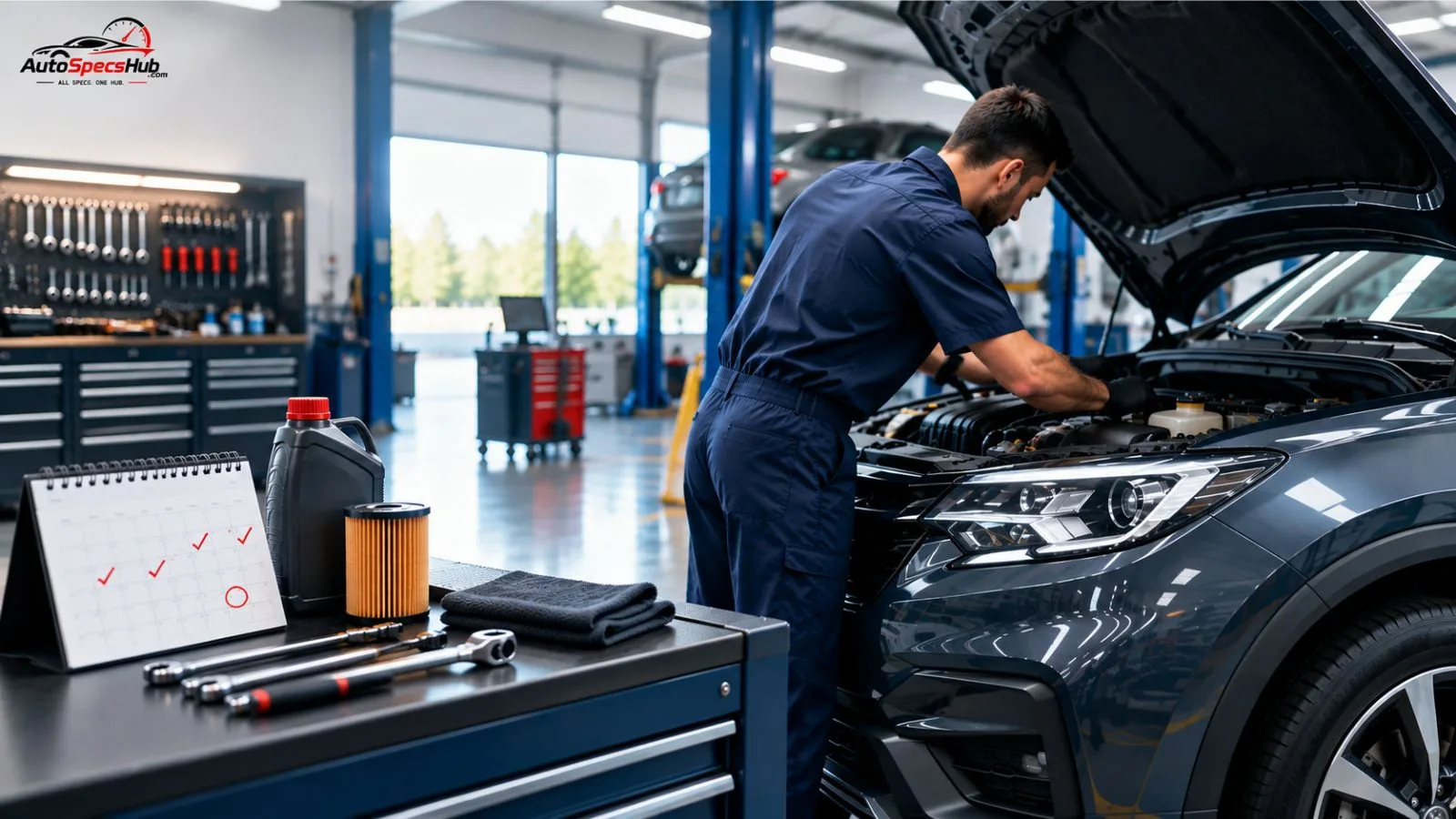
Knowing how often should you service your car is essential for keeping your vehicle reliable, safe, and efficient over the long term. Regular servicing gives you an opportunity to replace worn components, inspect important systems, maintain fluid levels, and identify developing problems before they become expensive repairs.
There is no universal service interval that applies to every vehicle. The correct schedule depends on the make and model, engine type, age, mileage, driving conditions, and the manufacturer's recommendations. Some cars require maintenance at relatively short mileage intervals, while others are designed to go longer between scheduled services.
Time is also important. A vehicle that covers only a few thousand miles each year still needs regular attention because engine oil, brake fluid, filters, batteries, seals, and other components can deteriorate with age. Understanding both mileage-based and time-based servicing can help you avoid missed maintenance and keep your car performing as intended.
How Often Should You Service Your Car?
The best starting point is your vehicle manufacturer's recommended maintenance schedule. You can usually find this information in the owner's manual, service booklet, or the manufacturer's official maintenance documentation.
Many manufacturers specify servicing using both mileage and time, with the service required when whichever limit comes first is reached. For example, a manufacturer may specify a particular mileage interval or a certain number of months between services.
This means a driver who travels very little should not assume that servicing can be postponed indefinitely. Fluids can age, filters can become contaminated, and mechanical components can deteriorate even when the vehicle spends most of its time parked.
A general maintenance schedule can provide useful guidance, but your specific vehicle's maintenance requirements should always take priority. Different engines, transmissions, braking systems, and vehicle designs can have significantly different service needs.
Why Regular Car Servicing Matters
A car service is much more than an engine oil change. Depending on the vehicle and service level, a technician may inspect the brakes, tires, suspension, steering, battery, lights, filters, fluids, belts, hoses, and other components.
Regular servicing can help identify small problems before they develop into larger mechanical failures. A minor fluid leak, worn brake component, weak battery, or damaged tire may not immediately affect the way your vehicle drives. If the problem is ignored, however, the eventual repair can become more complicated and expensive.
Servicing also provides an opportunity to monitor the overall condition of the vehicle. When maintenance is recorded consistently, you can see which components have already been replaced and which items may be approaching their recommended service interval.
For used vehicles, a documented maintenance history can be particularly valuable. It provides useful evidence of how the car has been maintained and can make it easier to establish a schedule after purchasing the vehicle.
Car Service Intervals by Mileage
Mileage-based servicing is common because many vehicle components experience wear according to how much the car is driven.
However, the exact mileage interval varies between manufacturers and models. A compact gasoline car, diesel SUV, hybrid, and high-performance vehicle may all have different maintenance requirements.
A manufacturer's schedule may divide servicing into different stages. A routine service could include an oil and filter change along with basic inspections, while a more comprehensive service might involve additional filters, fluid replacements, diagnostic checks, and component inspections.
Maintenance requirements can also change as the vehicle gets older. Some items may only need attention after a certain mileage has been reached. Examples can include spark plugs, transmission fluid, coolant, timing components, or other engine and drivetrain parts, depending on the vehicle.
For this reason, servicing should not be viewed as a single repeated procedure. The work required at one interval may be different from what is required at the next.
Time-Based Servicing Is Equally Important
Mileage is only one part of the maintenance equation. Time-based servicing is especially important for vehicles that are driven infrequently.
Repeated short journeys can expose an engine to operating conditions that differ from longer highway trips. Engine oil can accumulate contaminants and moisture, while certain fluids and rubber components can deteriorate with age.
Brake fluid is another example. It can absorb moisture over time, which is why manufacturers may specify a replacement period even when the vehicle has covered relatively few miles.
This is why manufacturers often provide both a mileage limit and a time limit. A car that has traveled only a few thousand miles may still require its scheduled service because the specified period has passed.
If you primarily use your car for occasional trips, checking the time requirement in the owner's manual is just as important as checking the odometer.
What Is Usually Checked During a Car Service?
The exact inspection depends on the vehicle and whether it is receiving a minor, intermediate, or major service. However, several areas are commonly assessed.
Engine Oil and Filter
Engine oil lubricates internal components, helps control heat, and carries contaminants away from critical engine surfaces. As oil ages, its condition can change, which makes oil replacement one of the most important routine maintenance tasks.
The oil filter should also be replaced according to the manufacturer's schedule. A clean filter helps prevent contaminants from circulating through the engine lubrication system.
Using the correct oil specification is important. The recommended oil should be selected according to the manufacturer's requirements rather than simply choosing a product based on price or viscosity.
Braking System
Brakes are among the most important safety-related components on any vehicle. During servicing, technicians may inspect brake pads, discs, drums, lines, hoses, and other parts for wear or damage.
Brake fluid may also require periodic replacement depending on the manufacturer's schedule. If you want more detail about this maintenance item, see our guide to how often you should change brake fluid.
A driver should also pay attention to changes in braking performance between scheduled services. Grinding noises, unusual vibrations, a soft pedal, or a significant change in stopping behavior should be investigated rather than waiting for the next maintenance appointment.
Tires
Tire inspections can include tread condition, inflation pressure, uneven wear, sidewall damage, and overall tire condition.
Uneven tread wear can sometimes indicate incorrect inflation, alignment issues, suspension problems, or other mechanical concerns. Tire rotation may also be recommended for some vehicles to help manage differences in wear between the front and rear axles.
Our guide on how often you should rotate your tires explains the factors that can affect tire rotation intervals.
Filters
Vehicles use several types of filters, and each has its own maintenance requirements. Depending on the vehicle, these can include the engine air filter, cabin air filter, fuel filter, and other filtration systems.
A clogged engine air filter can restrict airflow, while a dirty cabin filter can reduce the quality of air entering the passenger compartment. Replacement intervals depend on the vehicle and the conditions in which it is driven.
Cars operating in dusty environments may require closer attention to filtration components than vehicles used primarily in clean urban or highway conditions.
Battery
A service inspection may include checking the battery's condition, voltage, charging performance, and visible signs of corrosion or damage.
Battery performance can decline gradually, meaning a vehicle may start normally for months before a weak battery suddenly causes a starting problem. Checking battery condition during routine maintenance can provide an opportunity to identify deterioration before it becomes inconvenient.
Fluids
A technician may inspect several fluids during a service, including engine coolant, brake fluid, transmission fluid, power steering fluid where applicable, and windshield washer fluid.
Not every fluid needs to be replaced during every service. Some are designed to last for longer intervals, while others have specific replacement schedules. Always follow the requirements for your particular vehicle.
Does a New Car Need Regular Servicing?
Yes. A new vehicle still needs scheduled maintenance.
Although a new car may have relatively low mileage and few signs of wear, its manufacturer has established a maintenance schedule based on the design and operating requirements of the vehicle.
Following this schedule can help ensure that routine maintenance is completed at the appropriate time. It can also help maintain a clear record of the vehicle's servicing during the early years of ownership.
Many newer vehicles have electronic service reminders that notify the driver when maintenance is approaching. These systems can be useful, but the owner's manual remains an important source of information because it explains what work is required at different intervals.
A service reminder should therefore be treated as part of the maintenance system rather than a replacement for understanding the manufacturer's schedule.
What About Used Cars?
Used vehicles deserve particular attention because their previous maintenance history may vary.
If you purchase a used car with complete service records, you can usually determine which maintenance items have already been completed and when the next service is due. If the records are incomplete, it can be difficult to know whether important maintenance has been performed.
A professional inspection can help establish the vehicle's current condition. A technician can check areas such as the engine, brakes, tires, suspension, fluids, battery, and other components and identify maintenance that may be overdue.
Once the vehicle's condition has been established, following the manufacturer's service schedule provides a useful foundation for future maintenance.
Do Driving Conditions Change Service Intervals?
Your driving habits can affect how much maintenance a vehicle needs. Manufacturers may provide separate recommendations for normal and severe operating conditions.
Severe conditions can include frequent short journeys, extensive stop-and-go traffic, towing, driving on steep roads, dusty environments, extreme temperatures, or other demanding situations.
For example, a vehicle used primarily for short urban journeys may experience a different operating pattern from one that spends most of its time traveling long distances at steady highway speeds.
If your driving falls within a manufacturer's definition of severe use, the recommended maintenance schedule may be different. Check your owner's manual rather than assuming the standard interval applies to every situation.
Signs Your Car May Need Servicing Early
Scheduled maintenance should not be treated as the only reason to have your vehicle inspected.
Certain warning signs can indicate that your car needs attention before its next planned service. These can include unusual engine noises, difficulty starting, warning lights, fluid leaks, changes in braking performance, steering vibration, unusual smells, poor fuel economy, or changes in transmission behavior.
You should also pay attention to changes in how the vehicle feels while driving. If acceleration becomes noticeably different, the steering feels unusual, the brakes become less responsive, or the engine develops a new vibration, the safest approach is to have the vehicle checked.
Warning lights deserve particular attention because they can indicate anything from a relatively minor issue to a problem that could cause significant damage if ignored.
How to Keep Track of Your Service Schedule
Keeping a record of servicing makes vehicle maintenance much easier.
Write down the date and mileage whenever your car receives maintenance. Keep invoices, receipts, and service documentation together so you can see what has been completed.
If your vehicle uses a digital service history, make sure it is updated correctly after maintenance. For older vehicles with paper records, keeping the documentation in a safe place can be equally useful.
You can also set reminders based on both mileage and calendar dates. This is particularly helpful for drivers who use their vehicles irregularly because several months can pass without the odometer increasing significantly.
When buying a used car, service records can also help you identify upcoming maintenance requirements.
Should You Service Your Car Early?
Servicing a vehicle slightly earlier than the manufacturer's stated maximum interval is not necessarily a problem, but there is usually no reason to assume that the shortest possible interval is automatically required.
The appropriate schedule depends on the vehicle and how it is used. Drivers who operate under demanding conditions may have different maintenance requirements from those who primarily use their cars for longer, steady journeys.
The goal should be appropriate and consistent maintenance, not simply servicing as frequently as possible.
Following the manufacturer's schedule provides a practical starting point. If a mechanic identifies a specific issue or your driving conditions are unusually demanding, additional maintenance may then be appropriate.
How to Plan Your Next Car Service
Planning ahead can prevent servicing from becoming an unexpected expense. Start by checking your current mileage and the date of the last service. Then compare both figures with the maintenance schedule for your specific vehicle.
Look at what was completed during the previous service and identify whether any larger maintenance items are approaching their recommended interval.
It is also useful to separate routine maintenance from repairs. A service may reveal a component that requires replacement, but that does not necessarily mean every possible repair should be performed at the same time. Ask what needs immediate attention, what can be planned, and what is simply being monitored.
This approach makes it easier to budget for maintenance while keeping the vehicle properly cared for.
Final Thoughts
So, how often should you service your car? The answer depends on your vehicle's manufacturer, mileage, age, driving conditions, and the amount of time since its previous service.
Instead of relying on a universal mileage figure, check the maintenance schedule for your specific make and model. Pay attention to both mileage and time, particularly if you drive relatively few miles each year. Keep accurate service records and investigate unusual symptoms rather than waiting for the next scheduled appointment.
Regular servicing involves much more than changing engine oil. Brakes, tires, filters, fluids, batteries, and other components all have their own maintenance requirements. Those intervals can also change as the vehicle accumulates mileage or is operated under more demanding conditions.
Whether you own a brand-new vehicle or a used car with significant mileage, following an appropriate service schedule gives you a practical way to monitor its condition and plan future maintenance. Consistent servicing can help you address developing problems earlier, maintain dependable performance, and avoid turning routine maintenance into an unexpected major repair.