
Transmission Problems: Symptoms, Causes, and Fixes
Transmission problems can affect how smoothly your vehicle accelerates, shifts, and performs. Learn how to recognize transmission problem symptoms, understand their possible causes, and find out what you can do before the issue becomes more serious.
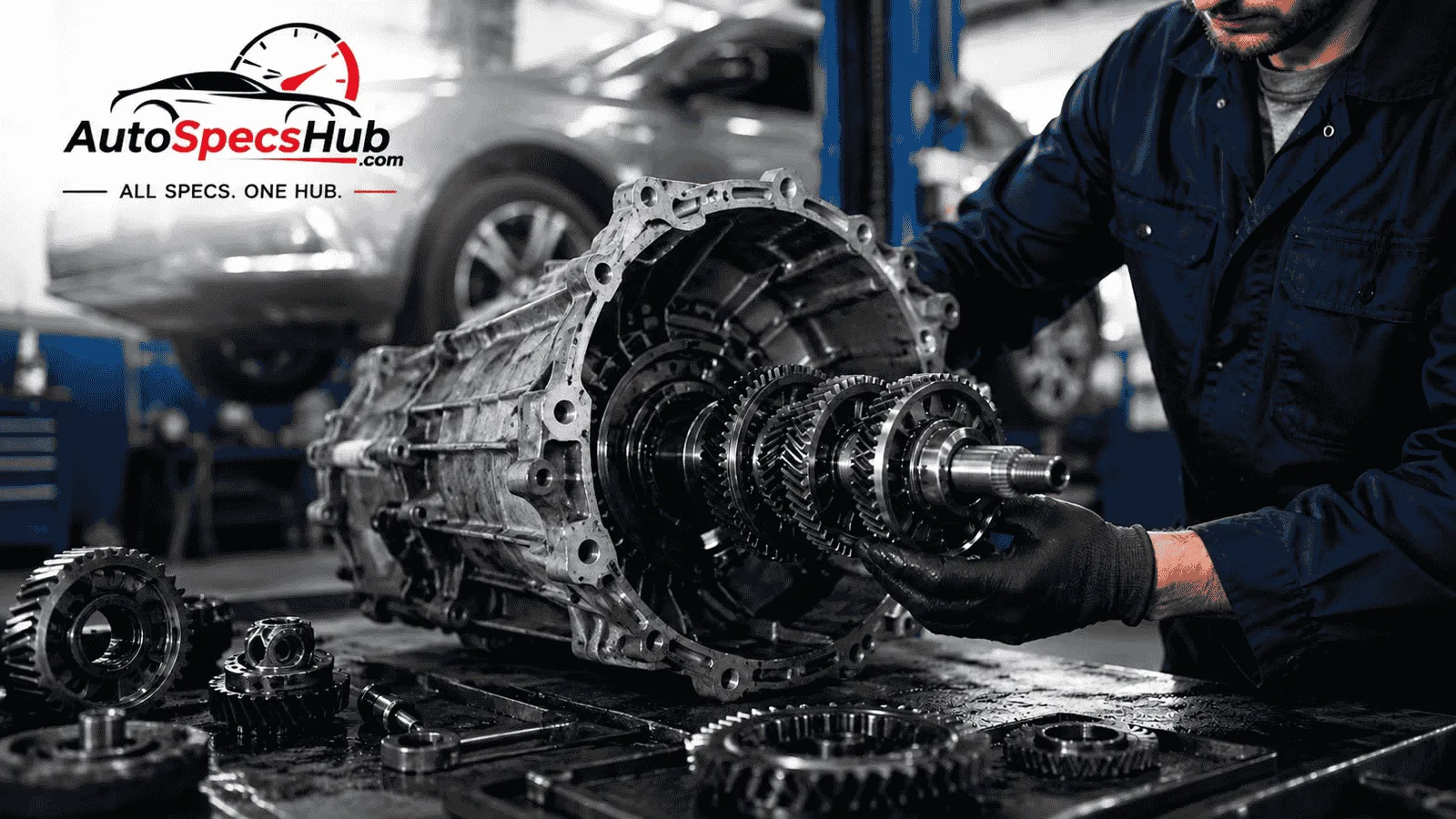
Transmission problems can affect the way your vehicle accelerates, shifts gears, and performs on the road. Sometimes, a transmission issue starts with a small symptom, such as a slight hesitation or unusual noise. In other cases, the problem can appear suddenly and leave the vehicle unable to move.
Understanding the warning signs of transmission problems can help you take action before a minor issue becomes a major repair. Problems may be related to transmission fluid, worn components, electrical systems, overheating, or normal wear and tear.
In this guide, we’ll explain the most common transmission problem symptoms, their possible causes, and what you can do about them.
What Is a Transmission?
The transmission is a major part of a vehicle's drivetrain. Its job is to transfer power from the engine to the wheels while providing the appropriate gear ratio for different driving conditions.
Automatic transmissions select gears automatically, while manual transmissions require the driver to operate the clutch and gear selector. Continuously variable transmissions (CVTs) use a different system that provides a continuous range of gear ratios.
Although these systems work differently, they can all develop problems that affect vehicle performance.
Transmission Problems Symptoms
Recognizing transmission symptoms early can help prevent additional damage. Some warning signs may appear only occasionally, while others become more noticeable as the problem gets worse.
1. Transmission Slipping
Transmission slipping happens when the transmission fails to stay properly engaged in a gear. You may notice the engine RPM increasing while the vehicle does not accelerate as expected.
Other signs can include sudden changes in gear, hesitation, or a feeling that the vehicle temporarily loses power.
Possible causes include:
Low transmission fluid
Worn clutch components
Damaged gears
Faulty shift solenoids
Internal transmission wear
If slipping happens repeatedly, the vehicle should be inspected rather than continuing to drive normally.
2. Hard or Rough Shifting
A properly functioning transmission should generally shift smoothly. Hard shifting can feel like a sudden jolt, clunk, or strong bump when the vehicle changes gears.
Possible causes include low or degraded fluid, electrical problems, worn components, faulty solenoids, or problems with the transmission control system.
If hard shifting becomes frequent or progressively worse, professional diagnosis can help determine whether the problem is mechanical, hydraulic, or electronic.
3. Delayed Gear Engagement
A delayed engagement occurs when there is a noticeable pause after selecting Drive or Reverse.
For example, you may move the selector into Drive, but the vehicle may take several seconds before it begins moving.
Possible causes include:
Low transmission fluid
Incorrect fluid level
Hydraulic pressure problems
Worn internal components
Faulty solenoids
Repeated delayed engagement should not be ignored because continued operation may worsen an underlying transmission problem.
4. Transmission Fluid Leaks
Transmission fluid plays an important role in lubrication, cooling, and hydraulic operation in many automatic transmissions. A leak can eventually lower the fluid level and affect transmission performance.
You may notice fluid underneath the vehicle, difficulty shifting, overheating, or unusual transmission behavior.
Leaks can come from seals, gaskets, fluid lines, or other components. Finding and repairing the source is more important than simply adding fluid.
5. Strange Transmission Noises
Unusual sounds can be an early warning sign of transmission or drivetrain problems.
Depending on the vehicle and the underlying issue, you might hear:
Grinding
Whining
Humming
Clunking
Buzzing
Clicking
A grinding sound during gear changes in a manual transmission, for example, can be associated with clutch or synchronizer problems. However, noises can have multiple causes, so accurate diagnosis is important.
6. Burning Smell
A burning smell can indicate excessive heat or friction. Transmission fluid that becomes overheated may lose some of its ability to lubricate and protect internal components.
In manual vehicles, a burning smell may also come from a slipping clutch.
Overheating can be caused by low fluid, heavy loads, demanding driving conditions, cooling problems, or internal transmission issues.
If a strong burning smell repeatedly occurs, allow the vehicle to cool and have the problem checked.
7. Shaking or Jerking
Shaking or jerking during acceleration or gear changes may indicate a transmission issue, but it can also be caused by other drivetrain or engine problems.
Possible transmission-related causes include:
Fluid problems
Worn transmission components
Faulty solenoids
Clutch problems
Damaged transmission mounts
Because several vehicle systems can create similar symptoms, replacing transmission parts without proper diagnosis may not solve the problem.
Main Causes of Transmission Problems
Transmission problems can develop for many reasons. Understanding the possible causes can help you recognize why a vehicle may be experiencing shifting or performance issues.
Low or Incorrect Transmission Fluid
Low fluid can reduce lubrication and hydraulic pressure in transmissions that depend on fluid pressure for operation. This can contribute to shifting problems and increased heat.
Not every modern transmission has a traditional dipstick, so always follow the vehicle manufacturer's procedure for checking the fluid.
Old or Contaminated Fluid
Transmission fluid can deteriorate over time. However, service intervals vary depending on the vehicle, transmission type, driving conditions, and manufacturer recommendations.
Always use the fluid specification recommended for your specific vehicle.
Normal Wear and Tear
Transmission components can wear with age and mileage. Gears, bearings, clutches, seals, synchronizers, and other components may eventually require repair or replacement.
Overheating
Excessive heat can accelerate fluid deterioration and contribute to component wear. Towing heavy loads, operating in extreme conditions, or driving with low fluid can increase transmission stress.
Electrical or Sensor Problems
Modern transmissions depend on sensors, solenoids, wiring, and control modules. An electrical problem can sometimes cause symptoms that feel like mechanical transmission failure.
A diagnostic scan may help identify stored fault codes, but the code itself does not always identify the exact component that needs replacement.
How to Check for Transmission Problems
If you notice unusual transmission behavior, there are several basic things you can check.
Check for Fluid Leaks
Look underneath the vehicle for signs of fluid leakage. Do not rely only on fluid color to identify the type of leak because fluid appearance can vary depending on age and vehicle.
Never work underneath a vehicle supported only by a jack.
Pay Attention to Gear Changes
Notice when the problem happens. Does it occur when accelerating, reversing, changing gears, or starting from a stop?
This information can be useful when explaining the problem to a technician.
Listen for Unusual Sounds
Pay attention to whether the noise occurs when the vehicle is accelerating, shifting, braking, or idling. This can help distinguish a transmission issue from an engine or drivetrain problem.
Check the Warning Lights
A check engine light or transmission warning indicator may appear when the vehicle detects an electronic or mechanical fault.
A diagnostic scan can help identify stored trouble codes and guide further testing.
How to Fix Transmission Problems
The appropriate fix depends entirely on the underlying cause.
A low fluid level caused by a leak may require leak repair and the correct fluid level. A faulty sensor or solenoid may require electrical diagnosis and component replacement. Internal wear may require more extensive transmission repair or rebuilding.
Avoid adding random additives or using an incorrect transmission fluid as a quick fix. The correct procedure depends on the vehicle and transmission.
For serious symptoms such as severe slipping, grinding, overheating, or loss of Drive or Reverse, professional diagnosis is recommended.
Can You Drive With Transmission Problems?
Whether you can continue driving depends on the severity of the symptoms.
Minor symptoms may allow you to drive carefully to a repair facility, but serious warning signs should not be ignored.
Avoid continued driving if the vehicle has:
Severe transmission slipping
Loud grinding or mechanical noises
Major fluid leaks
Strong burning smells
Overheating
Complete loss of Drive or Reverse
Severe shaking or jerking
Continuing to drive with a serious transmission problem can potentially increase the damage and repair cost.
How to Prevent Transmission Problems
Regular maintenance can help reduce transmission-related problems.
Follow the manufacturer's recommended maintenance schedule and use the correct transmission fluid. Avoid exceeding the vehicle's recommended towing capacity, especially during hot weather or demanding driving conditions.
It is also important to pay attention to early warning signs. A small leak, unusual noise, or shifting problem can become more expensive if it is ignored.
Before diagnosing a transmission issue, knowing your vehicle's exact specifications can also be useful. You can check car specifications on AutoSpecsHub to find information about different vehicles and their specifications.
When Should You See a Mechanic?
Professional inspection is recommended when transmission symptoms are persistent, severe, or getting worse.
You should have the vehicle checked if you notice repeated slipping, hard shifting, delayed engagement, fluid leaks, unusual noises, overheating, warning lights, or difficulty selecting gears.
A technician can inspect the vehicle, check fluid levels where applicable, scan electronic systems, and perform additional tests to determine the source of the problem.
Final Thoughts
Transmission problems can range from relatively simple maintenance issues to serious internal failures. Symptoms such as slipping, hard shifting, delayed engagement, fluid leaks, strange noises, overheating, shaking, and difficulty changing gears should not be ignored.
The best approach is to identify the cause before attempting a repair. Check your owner's manual for the correct fluid specification and maintenance requirements, and seek professional diagnosis when symptoms are severe or persistent.
Recognizing transmission problems early can help protect other drivetrain components, improve reliability, and potentially prevent a manageable issue from becoming a much more expensive repair.