
Used Nissan Leaf: Reliability, Battery Life, Range, and Common Problems
Buying a used Nissan Leaf? Here's what actually matters: battery bars, pack size by year, CHAdeMO charging, real-world range, common problems, and a pre-purchase checklist.
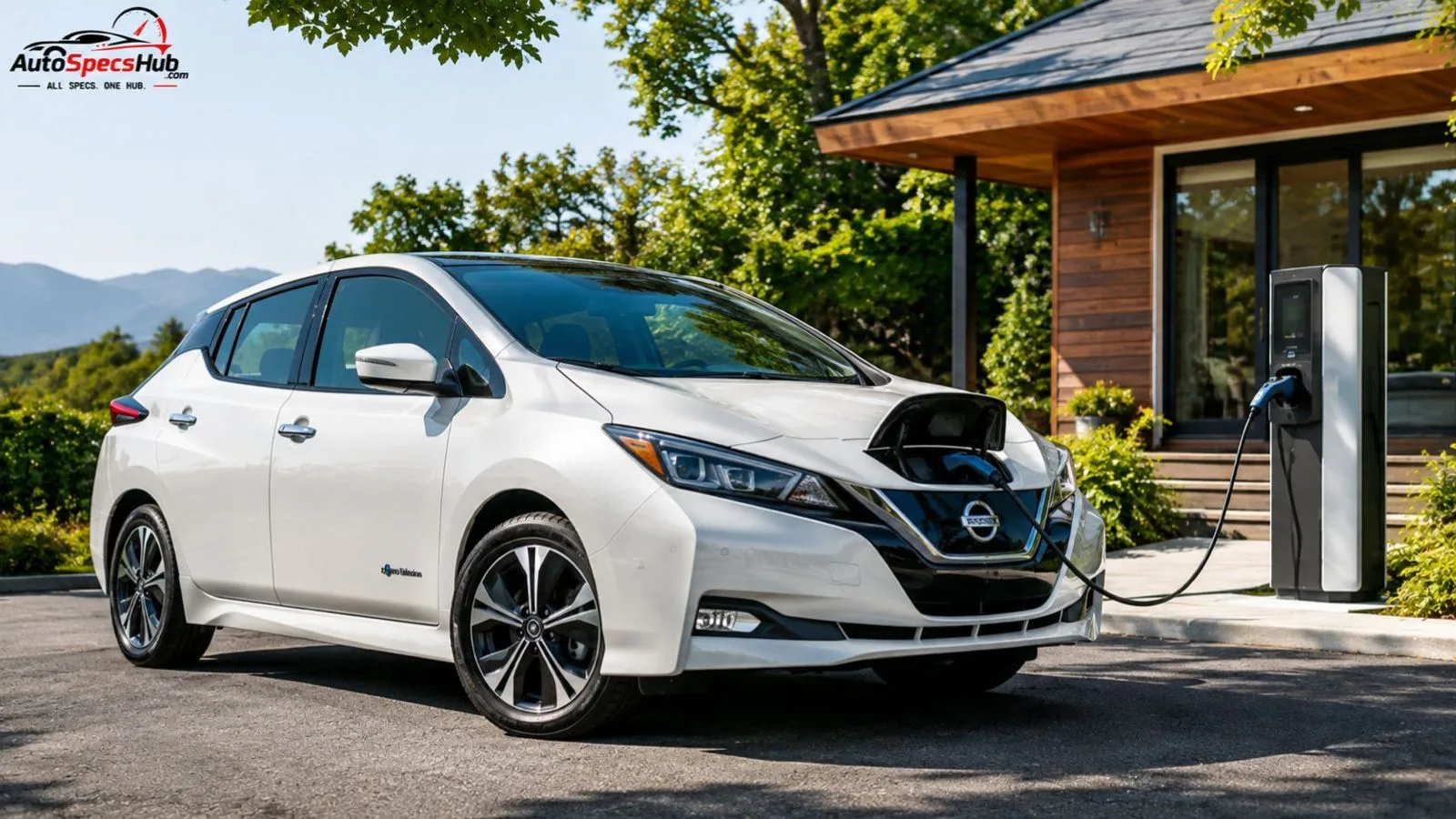
The Nissan Leaf was the first mass-market electric car and remains one of the cheapest ways into EV ownership today. Its simple, single-motor layout and hatchback practicality make it an appealing used buy — but shopping for a used Leaf is not like shopping for a used gasoline car.
Odometer mileage is a secondary concern. What actually determines whether a used Leaf is a good buy is battery condition — and unlike most other EVs, the Leaf's battery pack has no active liquid cooling system, which makes its condition far more dependent on age, climate, and charging history than on mileage alone.
This guide covers exactly what to check, what the numbers mean by model year, and which Leaf makes sense for which kind of driver.
Ready to start comparing listings? Explore used Nissan Leaf listings and other cars to see current inventory and specs side by side.
Nissan Leaf Battery Sizes and Range by Model Year
Battery capacity — and therefore range — changed several times across the Leaf's production run. Knowing which generation you're looking at is the first step in evaluating any used listing.
Model Years | Battery | EPA Range |
|---|---|---|
2011–2014 | 24 kWh | ~73–84 miles |
2015 | 24 kWh ("lizard" chemistry) | ~84 miles |
2016–2017 | 30 kWh | ~107 miles |
2018+ | 40 kWh | ~150 miles |
2019+ (Leaf Plus / e+) | 62 kWh | ~226 miles |
A few notes worth knowing before you shop:
2011–2012 cars used the original 24 kWh pack with no heat-tolerant chemistry — these are the most degraded Leafs on the used market today, especially if they spent years in a hot climate.
2015 introduced revised "lizard battery" chemistry, still at 24 kWh, built to tolerate heat better than the original pack.
2016–2017's 30 kWh pack increased range but has its own well-documented degradation issues; Nissan addressed some of this with a software update.
2018 was a full redesign ("Gen 2") with a 40 kWh pack, more power, and standard e-Pedal one-pedal driving.
2019 added the Leaf Plus (e+) with a 62 kWh pack and a stronger motor, extending EPA range to roughly 226 miles.
Real-world range will run lower than the EPA number in cold weather, at highway speeds, or with a heavily degraded battery — plan around your actual daily distance, not the sticker figure.
Why the Nissan Leaf's Battery Design Matters
Every generation of the Leaf, from 2011 through the current model, cools its battery passively with air rather than with a liquid thermal management system like most competing EVs use. That single design choice is the reason Leaf batteries are more sensitive to heat and fast-charging habits than batteries in cars like the Chevy Bolt or most Teslas.
In practice, this means a Leaf that spent its life in a hot climate (Arizona, Texas, inland California) and was charged frequently on DC fast chargers is far more likely to show serious degradation than an otherwise-identical Leaf that lived somewhere cooler and was charged mostly at home overnight. Climate history matters as much as the number on the odometer.
How to Check a Used Nissan Leaf's Battery Health
The dashboard is your fastest diagnostic tool. Every Leaf displays a battery capacity gauge made up of twelve small bars next to the regular fuel-style gauge. A healthy, low-mileage battery shows all twelve bars; a Leaf that has lost bars has lost real capacity and, with it, real range.
Count the capacity bars on the dash — losing even one or two bars is a meaningful signal, not a rounding error.
Ask for the current estimated range on a full charge, and compare it to the EPA figure for that model year.
Ask whether the battery has ever been replaced, and if so, under warranty or out of pocket.
Check whether Nissan's battery capacity warranty is still active (it covers excessive early bar loss on many model years).
Have a shop pull detailed battery health data with a Leaf-compatible OBD tool if you want a number more precise than the dash bars.
Ask about the car's charging habits — frequent DC fast charging and hot-climate storage both accelerate degradation.
A Leaf with modest mileage but heavy bar loss can be a worse buy than a higher-mileage car with a healthy pack. Always weigh capacity over odometer reading.
Charging a Used Nissan Leaf
The Leaf uses the CHAdeMO standard for DC fast charging rather than the CCS connector used by most other current EVs sold in the US. This matters for a used buyer because CHAdeMO's presence in the public charging network has been shrinking as automakers and networks standardize around CCS and, more recently, NACS. Before buying, check how many CHAdeMO-capable fast chargers actually exist along your regular routes.
For everyday use, most Leaf owners rely on Level 1 (standard household outlet) or Level 2 home charging, both of which use the common J1772 connector shared with nearly every other EV. Overnight Level 2 charging is the most practical setup for a Leaf commuter and avoids the added battery stress of frequent fast charging.
Nissan Leaf Reliability
Because the Leaf has no engine, fuel system, or exhaust, it avoids an entire category of gasoline-car maintenance and failure points. That said, reliability still depends heavily on model year, battery condition, and how the car was maintained and driven.
Suspension, brakes, tires, climate control, and the 12-volt auxiliary battery all age normally regardless of the drivetrain being electric. A pre-purchase inspection is still worthwhile even though there's no engine to worry about.
Common Nissan Leaf Problems
Battery Degradation
The single biggest issue on the used market, concentrated in early 24 kWh (2011–2012) and 30 kWh (2016–2017) packs. Watch the dashboard capacity bars and ask about the car's climate and charging history.
Charging System Issues
Problems can show up in the charging port, onboard charger, or associated wiring. Test both Level 2 home-style charging and, if possible, DC fast charging before buying.
Suspension Wear
Listen for knocking, clunking, or rattling over rough pavement during the test drive — normal wear-and-tear regardless of powertrain.
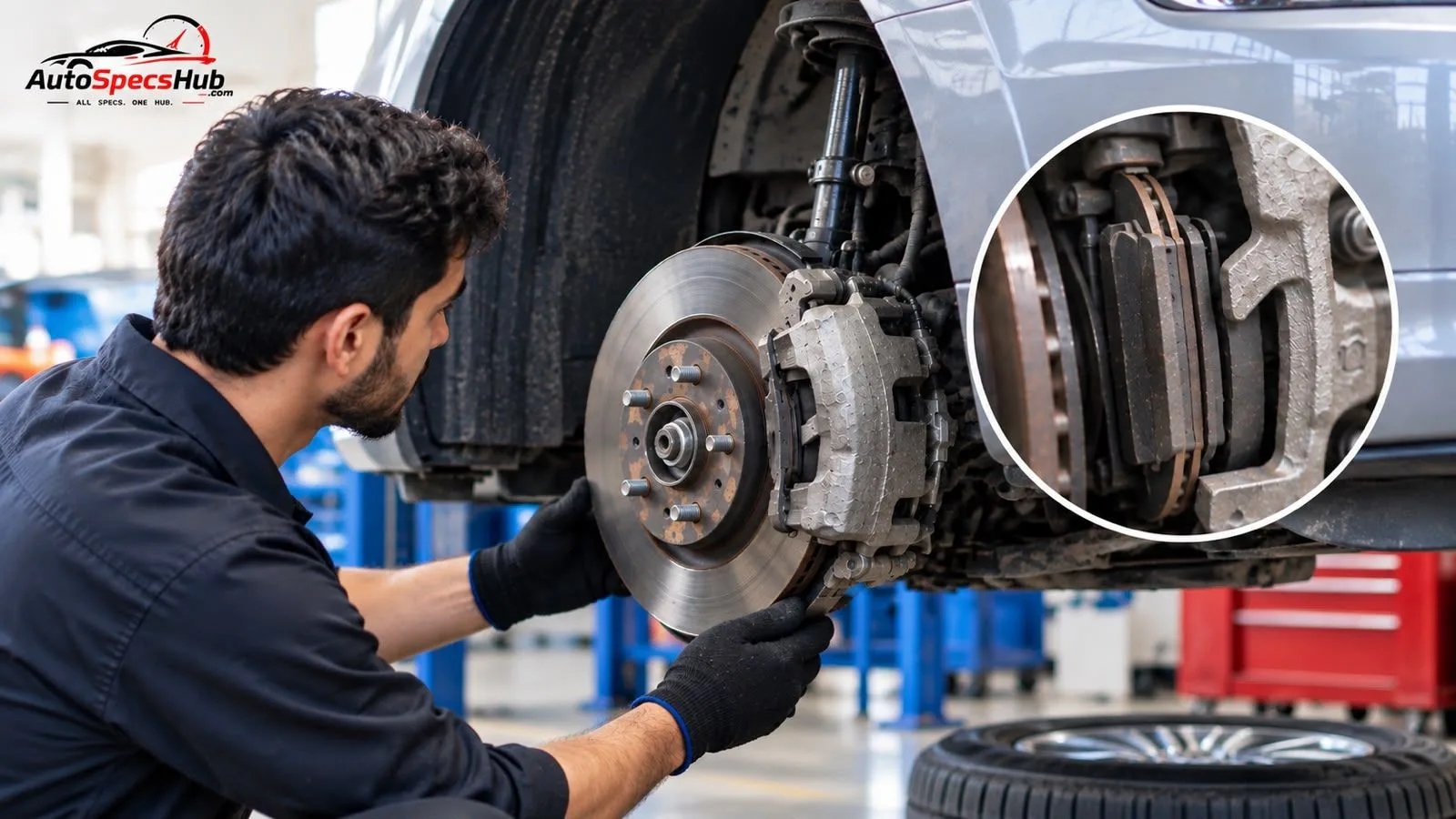
Brake Wear
Regenerative braking reduces friction-brake use, which can actually cause rotors to corrode from underuse on cars that sit a lot. Inspect rather than assume good condition just because the car is electric.
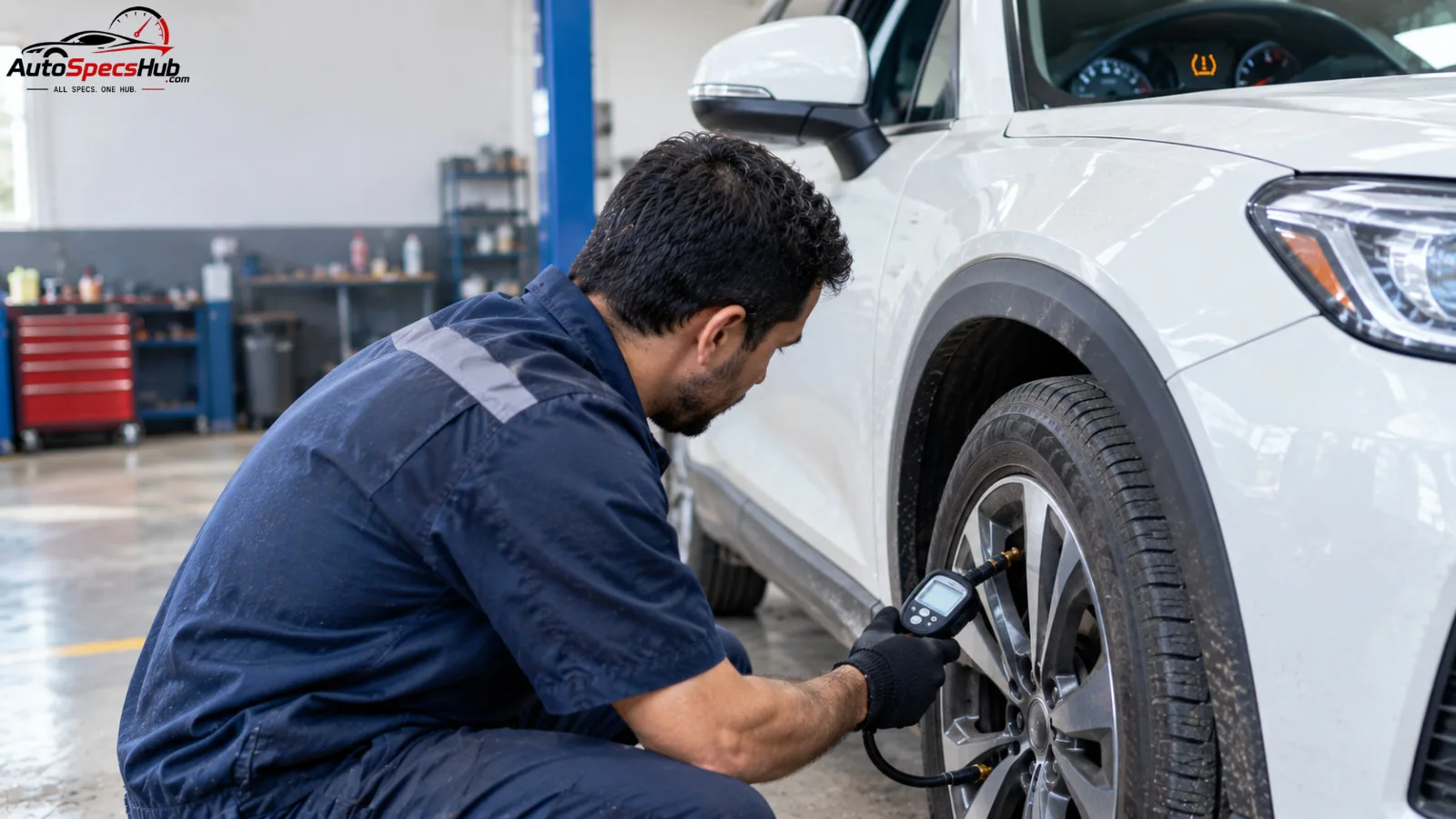
Tire Wear
Instant electric torque can accelerate uneven tire wear, especially on the front axle. Check tread depth and wear pattern, and factor tire replacement into your budget if needed.
12-Volt Battery and Electronics
Like any modern car, the Leaf has a separate 12-volt battery that runs lights, locks, and infotainment — it's unrelated to the main traction battery but can fail independently and cause starting or electronics issues.
Used Nissan Leaf Maintenance
The Leaf skips oil changes, spark plugs, and exhaust work entirely, but it still needs routine attention:
Brake system inspection and fluid service
Tire rotation, alignment, and tread monitoring
Suspension component checks
Cabin air filter replacement
12-volt battery testing
Wiper blades and other standard consumables
Periodic check of charging equipment and the charge port
Follow Nissan's maintenance schedule for the specific model year, and keep documentation — service history is a strong signal of how well the car (and its battery) was cared for.
Is a Used Nissan Leaf Cheap to Own?
Running costs can be lower than a comparable gas car: home charging is often cheaper per mile than gasoline, and there's no oil changes or exhaust work. But the economics hinge entirely on battery condition — a Leaf that needs a battery replacement changes the ownership math substantially, since replacement packs and labor are a significant expense.
Weigh purchase price against battery health, expected remaining range, insurance, tires, and resale value — not purchase price alone.
Pre-Purchase Checklist
Battery
Count dashboard capacity bars, ask for current estimated range, confirm warranty status, and ask directly whether the pack has been replaced.
Charging
Test both home-style (J1772) and, if available, CHAdeMO fast charging. Confirm the charge port and onboard charger work correctly.
Tires
Check tread depth and look for uneven wear patterns front vs. rear.
Brakes
Inspect pads, rotors, and fluid; listen for grinding or pulsation.
Suspension
Drive over varied surfaces and listen for knocks or rattles.
Interior Electronics
Test infotainment, cameras, power windows/locks, and climate control.
Vehicle History and Recalls
Pull a vehicle history report and check for open recalls — 2018–2022 Leafs, for example, have had a backup-camera recall, and some 2023 cars have had a brake-tube recall. Confirm any applicable recall on your specific VIN has been completed.
Should You Buy a High-Mileage Leaf?
High mileage alone shouldn't disqualify a Leaf. A higher-mileage car with a healthy battery and clean service history can be a smarter buy than a low-mileage car with heavy bar loss. Weigh mileage alongside battery health, age, climate history, and price — not in isolation.
Which Used Nissan Leaf Should You Buy?
Match the car to your actual daily driving distance and charging access:
Short urban commute with home charging: an older 24 kWh or 30 kWh Leaf can be a genuine bargain.
Longer commutes or occasional road trips: look for a 2018+ 40 kWh car.
Regular long-distance driving or heavy reliance on public fast charging: a 2019+ Leaf Plus (62 kWh) offers the most range and flexibility, at a higher price.
Pros and Cons of a Used Nissan Leaf
Pros
Fully electric, no oil changes or exhaust maintenance
Quiet, simple driving experience
Practical hatchback layout
Wide range of prices depending on model year and battery size
Lower routine running costs when charged at home
Cons
No active battery cooling — heat-driven degradation is a real risk on older cars
Early 24 kWh and 30 kWh packs have documented degradation issues
CHAdeMO fast-charging network is shrinking relative to CCS/NACS
Battery replacement is a significant expense if it's ever needed
Older cars offer limited real-world range, especially in cold weather
FAQ
How far can a used Nissan Leaf go on a charge?
It depends entirely on model year and battery health. EPA figures range from about 73–84 miles on the earliest 24 kWh cars up to 226 miles on a 2019+ Leaf Plus, but a degraded battery on any model year will fall short of its original rating.
Is the Nissan Leaf battery expensive to replace?
Yes — a replacement pack plus labor is one of the largest expenses a Leaf owner can face, which is why checking current battery health before buying matters more than almost anything else on the car.
Does the Nissan Leaf use CCS or CHAdeMO fast charging?
CHAdeMO, across every model year. It's worth confirming CHAdeMO fast chargers exist along your regular routes before relying on public fast charging.
How do I check battery health without a diagnostic tool?
Look at the dashboard capacity gauge — twelve bars means a healthy pack, and each missing bar represents a meaningful loss of range and capacity.
Final Verdict
A used Nissan Leaf can be a smart, affordable EV — but only if you evaluate it on battery health first and odometer mileage second. Check the dashboard capacity bars, ask about climate and charging history, confirm CHAdeMO access if you'll rely on fast charging, and match the battery size to your actual daily driving distance.
The best used Leaf isn't the cheapest one or the one with the lowest mileage — it's the one with a healthy battery, clean service history, and enough range for the driving you actually do.
When you're ready to shop, compare used car listings and specifications to find a Leaf that matches your needs.