
Are Alfa Romeos Reliable? Reliability, Common Problems, and Ownership Costs
Are Alfa Romeos reliable? Learn about Alfa Romeo reliability, common problems, maintenance costs, ownership considerations, and what buyers should know before purchasing a new or used model.
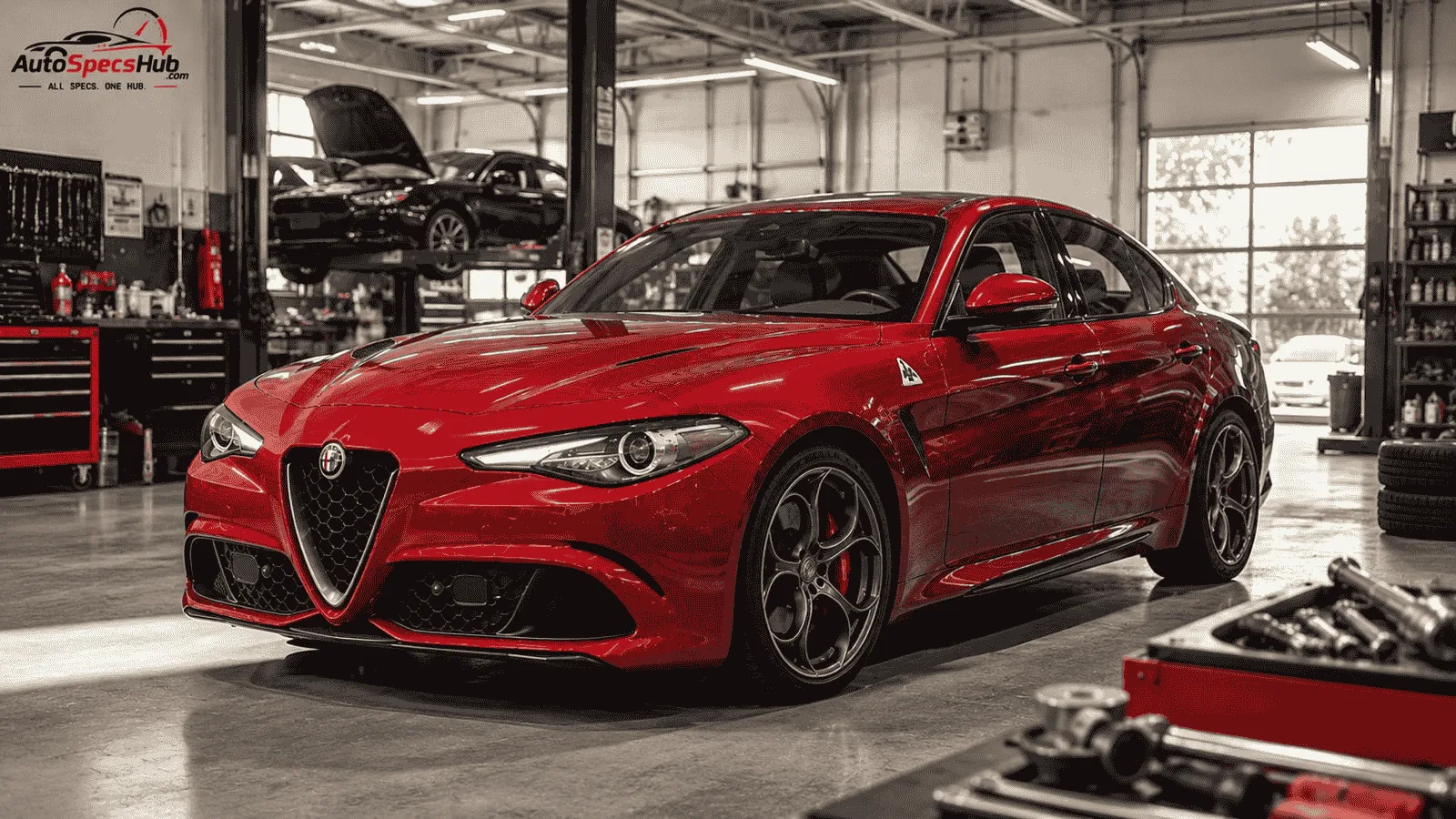
Alfa Romeo has built a reputation around Italian design, distinctive styling, and an engaging driving experience. Models such as the Giulia and Stelvio combine performance-focused engineering with premium interiors, while newer models such as the Tonale expand the brand into the compact SUV and electrified segments. Alfa Romeo's current lineup continues to emphasize driving dynamics, technology, and Italian design.
But one question often comes up when considering an Alfa Romeo: Are Alfa Romeos reliable?
The answer is more complicated than simply saying yes or no. Reliability can vary by model, model year, powertrain, maintenance history, and how the vehicle has been driven and serviced.
Some Alfa Romeo owners enjoy years of trouble-free driving, while others may encounter electrical, software, cooling, or mechanical issues that can be expensive to diagnose or repair.
If you're considering buying an Alfa Romeo, especially a used one, understanding its maintenance requirements and checking the vehicle's history can be just as important as the badge on the hood.
Are Alfa Romeos Reliable?
Alfa Romeos can be reliable when properly maintained, but they are not generally the first brand people mention when discussing the most predictable long-term ownership experience.
The important distinction is between brand reputation and individual vehicle condition.
A well-maintained Alfa Romeo with documented servicing can be a much better purchase than a neglected example with an incomplete service history.
Modern Alfa Romeo vehicles also contain significant amounts of electronics, software, sensors, and driver-assistance technology. That means some ownership issues may involve electrical or software-related components rather than traditional engine or transmission failures.
For buyers, this makes maintenance history and professional inspection particularly important.
Alfa Romeo Reliability by Model
Reliability can differ considerably across the Alfa Romeo lineup.
Alfa Romeo Giulia
The Giulia is a sport-oriented sedan known for its sharp handling, distinctive styling, and strong performance.
Earlier Giulia models have been associated with various technical campaigns and recalls. For example, NHTSA records show a 2023 Giulia 2.0-liter powertrain-control-module software campaign involving a potential ignition-coil overstress condition that could cause misfires, rough running, and diagnostic trouble codes.
That doesn't mean every Giulia will experience the problem — it demonstrates why checking the specific vehicle's VIN and completed recall or service campaigns matters when shopping for a used example.
The Giulia can be an appealing choice for buyers who prioritize driving enjoyment, but it should be purchased with a careful maintenance and inspection strategy.
Alfa Romeo Stelvio
The Stelvio brings Alfa Romeo's performance-oriented character into the SUV segment.
Like the Giulia, certain Stelvio model years have had recalls or manufacturer campaigns addressing specific issues. For example, NHTSA documentation includes a 2018–2019 Stelvio turbocharger oil-feed-line software improvement campaign involving potential oil seepage on affected 2.0-liter vehicles.
This highlights an important point: reliability should be evaluated by specific model year and powertrain, not just by the Alfa Romeo name.
A used Stelvio with complete service documentation and properly completed campaigns can be a more reassuring purchase than one with an unclear history.
Alfa Romeo Tonale
The Tonale represents a newer generation of Alfa Romeo products, combining SUV practicality with modern technology and electrified powertrain options in some markets.
The current Tonale lineup includes hybrid and plug-in hybrid versions, depending on market. Alfa Romeo describes the model as combining technology, comfort, and driving dynamics.
Because newer vehicles use increasingly complex electronic and electrified systems, long-term reliability should be evaluated using actual ownership and service data as it becomes available, rather than assumptions based on older Alfa Romeo models.
Common Alfa Romeo Problems
Not every Alfa Romeo experiences the same problems, but there are several categories worth paying attention to when shopping for one.
Electrical and Software Issues
Modern Alfa Romeos rely on numerous electronic control modules, sensors, infotainment systems, and software.
Occasional warning lights, software faults, sensor problems, or electronic glitches can be frustrating, since diagnosing an intermittent electrical issue often takes time.
Software updates and manufacturer campaigns can address certain issues, which is why checking whether applicable updates or campaigns have been completed matters.
Engine and Powertrain Concerns
Engine reliability depends heavily on the particular engine and model year.
Some Alfa Romeo powertrains have been subject to technical campaigns addressing specific issues. This doesn't mean the entire engine family is unreliable, but it reinforces the value of researching the exact vehicle.
Oil leaks, cooling-system problems, ignition faults, and other mechanical issues can become expensive if ignored.
Cooling-System Problems
Cooling components are essential to maintaining normal engine temperature.
A coolant leak, faulty thermostat, water pump problem, or other cooling-system issue can eventually cause overheating.
If you're buying a used Alfa Romeo, check for evidence of coolant loss, overheating, warning lights, or previous cooling-system repairs.
Suspension and Steering Components
Alfa Romeo vehicles are engineered with a strong emphasis on handling and driving dynamics.
Suspension components can therefore be an important area to inspect on a used vehicle.
Listen for knocking, clunking, squeaking, or unusual noises over bumps, and pay attention to steering feel during a test drive.
Brake and Tire Wear
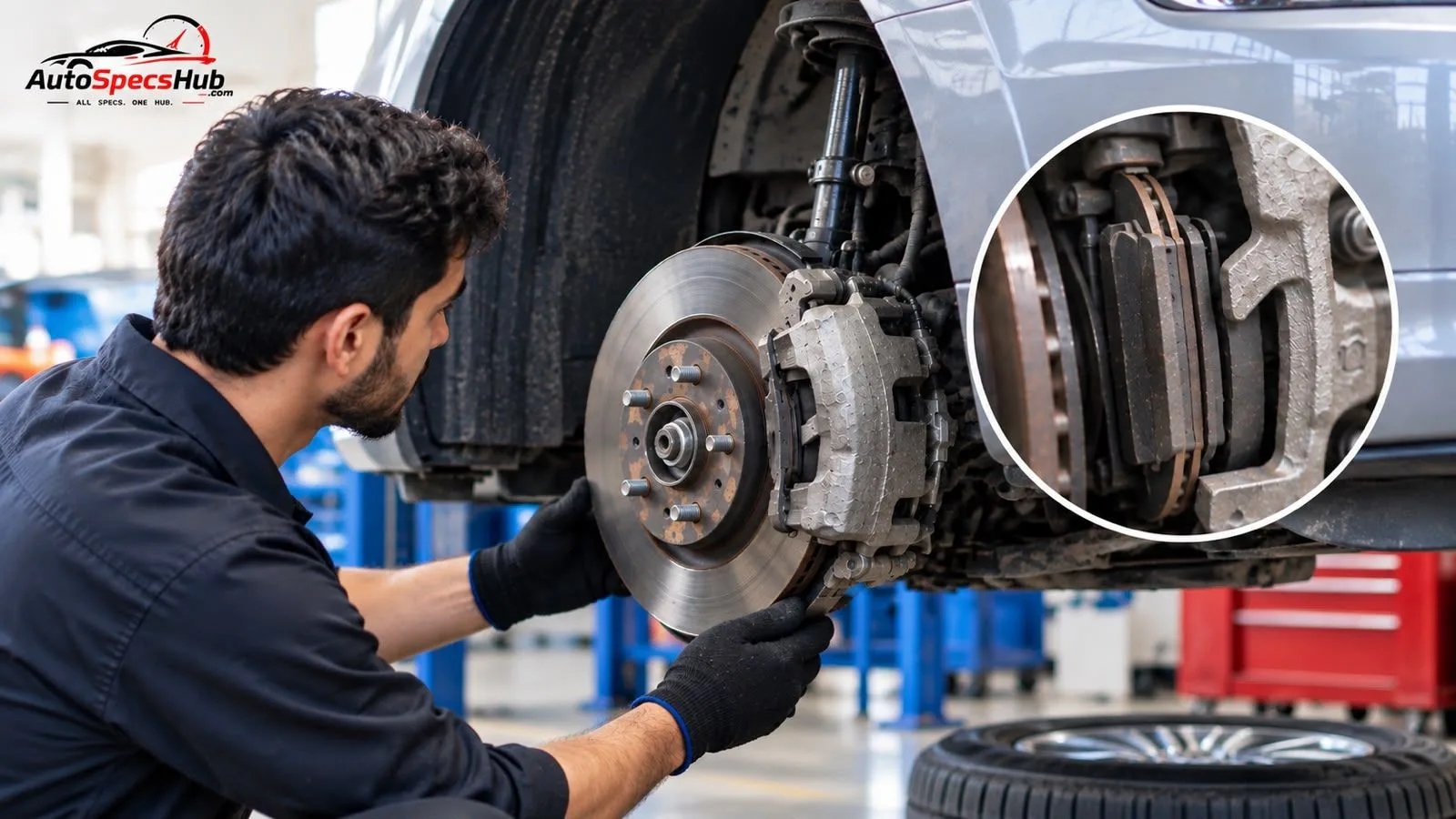
Performance-oriented vehicles can wear through brake and tire components faster depending on driving style.
Uneven tire wear can also indicate alignment or suspension problems.
Before purchasing a used Alfa Romeo, inspect the tires, brakes, and wheels carefully, and determine whether major maintenance is approaching.
Are Alfa Romeos Expensive to Maintain?
Maintenance costs can be higher than those of a mainstream economy car.
Alfa Romeo vehicles use specialized components, premium materials, sophisticated electronics, and performance-oriented engineering, so parts and labor can cost more than they would on a basic mass-market vehicle.
However, expensive maintenance doesn't necessarily mean the vehicle is unreliable.
Routine maintenance and unexpected repairs are two different things. A vehicle that receives regular oil changes, fluid services, inspections, and timely repairs can potentially avoid some of the larger costs associated with neglected maintenance.
Before buying one, it's wise to research the specific model's maintenance requirements and typical repair costs rather than assuming every Alfa Romeo will cost the same to own.
Are Alfa Romeos Good Used Cars?
An Alfa Romeo can be a good used car for the right buyer.
The biggest advantage of buying used is that you can potentially get an engaging, luxury-oriented vehicle for less than its original purchase price.
However, depreciation shouldn't be the only consideration. A low purchase price can become less attractive if the vehicle has poor maintenance records or requires immediate major repairs.
When shopping for a used Alfa Romeo, look for:
Complete service records
Regular oil changes
Evidence of scheduled maintenance
Properly completed recall work
No unexplained warning lights
Healthy transmission operation
No significant fluid leaks
Good tire condition
Smooth engine operation
A clean vehicle history
A used car inspection checklist can also help you evaluate the vehicle systematically before committing to a purchase.
How to Improve Alfa Romeo Reliability
The best way to support long-term reliability is consistent maintenance.
Follow the manufacturer's recommended service intervals and use the correct fluids, filters, lubricants, and replacement parts.
Don't ignore warning lights or unusual noises. A small problem can sometimes become a larger, more expensive issue if it remains unresolved.
It's also important to keep documentation of completed maintenance. A detailed service history can help you identify recurring problems and makes it easier for a future owner or mechanic to understand the vehicle's condition.
If you're purchasing a used Alfa Romeo, establish a maintenance baseline soon after buying it if the previous service history is incomplete.
Should You Buy an Alfa Romeo?
Whether you should buy an Alfa Romeo depends on what you value in a vehicle.
If you want distinctive styling, an engaging driving experience, and something less common than the typical luxury sedan or SUV, Alfa Romeo can be an appealing choice.
If your top priority is the lowest possible maintenance cost and maximum long-term predictability, there may be more conservative choices.
The key is understanding the trade-off: an Alfa Romeo may offer a level of character and driving enjoyment that's difficult to find in more conventional vehicles, but ownership can require more attention to maintenance and repairs.
What to Check Before Buying a Used Alfa Romeo
A pre-purchase inspection is one of the smartest steps you can take.
Ask a qualified mechanic to inspect the engine, transmission, suspension, brakes, tires, cooling system, electrical systems, and underbody.
Also check the vehicle identification number for outstanding recalls and manufacturer campaigns. Browse our full car buying guides for more on what to check before purchasing.
Check the service records and compare them with the manufacturer's recommended maintenance schedule.
Finally, take the vehicle on a thorough test drive. Pay attention to unusual noises, warning lights, transmission behavior, steering response, brake feel, and any hesitation during acceleration.
Alfa Romeo Reliability: Pros and Cons
Pros
Distinctive Italian styling
Engaging driving characteristics
Strong performance potential
Premium interior options
Unique alternative to mainstream luxury brands
Attractive selection of sedans and SUVs
Cons
Maintenance can cost more than mainstream vehicles
Some repairs may require specialized expertise
Electrical and software issues can occur
Reliability varies by model year and powertrain
Used examples require careful inspection
Parts and repair availability can vary by location
Final Verdict: Are Alfa Romeos Reliable?
So, are Alfa Romeos reliable?
The most accurate answer is that Alfa Romeo reliability varies significantly by model, year, powertrain, maintenance history, and individual vehicle condition.
Alfa Romeo shouldn't automatically be dismissed as unreliable, but buyers should also avoid assuming that every model will deliver inexpensive, trouble-free ownership.
The Giulia and Stelvio, in particular, deserve careful research when purchasing used, including checking recalls, technical campaigns, service history, and maintenance records. NHTSA documentation shows that certain model years have received specific campaigns or recalls, reinforcing the importance of checking the individual vehicle rather than relying solely on brand reputation.
For buyers who value Italian design and driving enjoyment, an Alfa Romeo can be a rewarding choice. The safest approach is to purchase a well-maintained example, obtain a professional pre-purchase inspection, verify its service history, and budget appropriately for maintenance.
In short, Alfa Romeos can be reliable when properly maintained, but they're best suited to buyers who are willing to stay on top of maintenance and choose their specific vehicle carefully.