
Car Smells Like Burning Rubber: Why It Happens and How to Fix It
If your car smells like burning rubber, the cause could be a slipping belt, overheated brakes, tire rubbing, a slipping clutch, or another problem. Learn why the smell happens, how to identify the source, and what you can do to fix it.
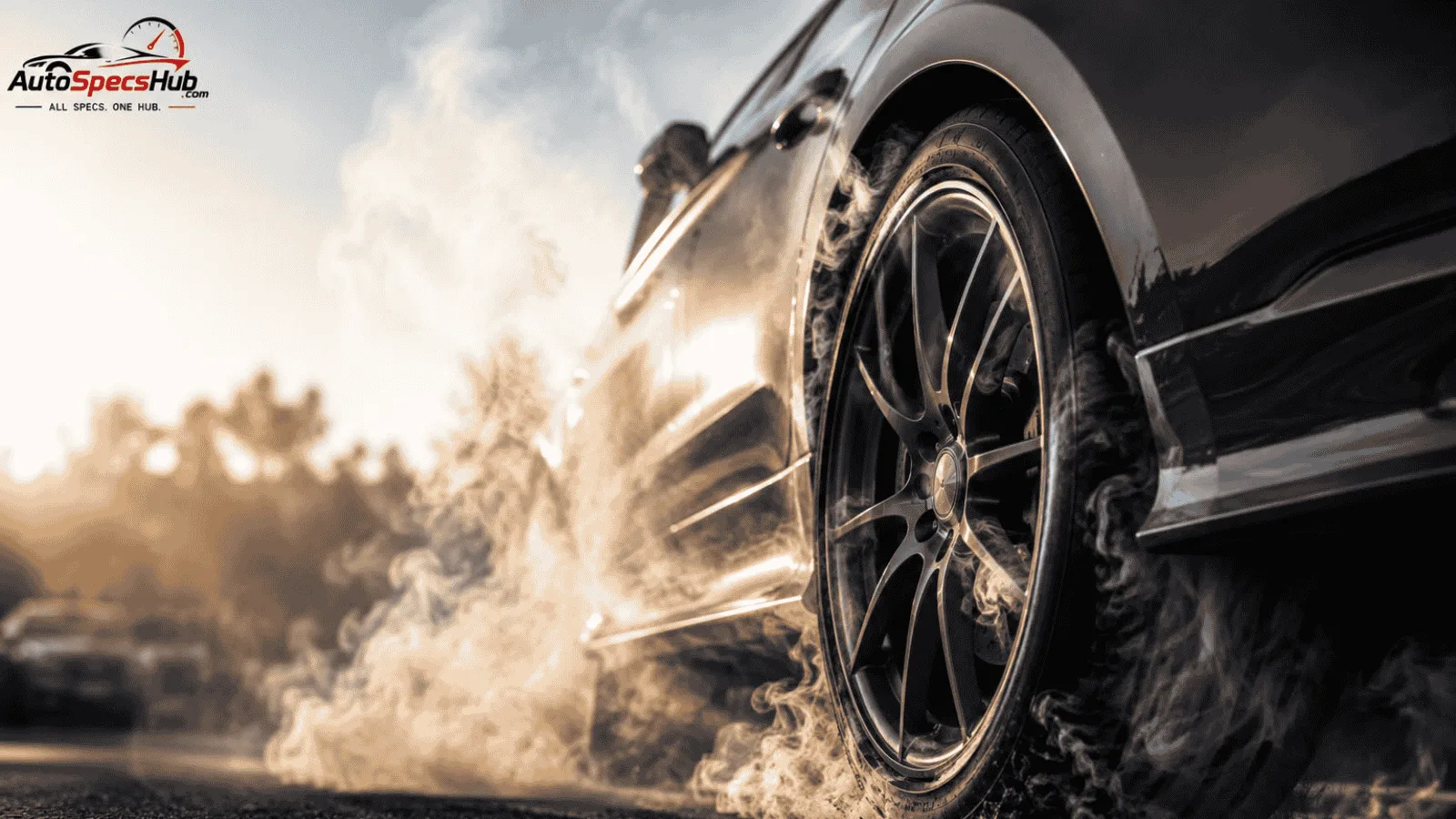
A car smells like burning rubber situation is something you should not ignore. Sometimes the smell may come from something relatively simple, such as road debris touching a hot exhaust component. In other cases, it can indicate a problem with the serpentine belt, brakes, tires, clutch, or another vehicle component.
The important thing is to identify where the smell is coming from and when it appears. Does it happen while accelerating? After braking? When turning? Or do you notice it only after parking the car?
These details can help narrow down the possible cause and determine whether the vehicle can be safely driven or needs professional inspection.
In this guide, we'll explain the most common reasons your car smells like burning rubber, what warning signs to look for, and how the problem can be fixed.
What Does a Burning Rubber Smell Mean?
A burning rubber smell generally indicates that a rubber, plastic, or rubber-like component is getting excessively hot, rubbing against another surface, or coming into contact with a hot component.
Cars contain many rubber-based parts, including belts, hoses, seals, bushings, and tires. When these components become damaged, overheated, or exposed to excessive friction, they can produce a noticeable odor.
However, not every burning-rubber smell actually comes from rubber. Oil, plastic, overheated brakes, electrical insulation, and other materials can sometimes produce a similar smell.
That's why the location and timing of the smell are important clues.
Common Causes of a Car Smelling Like Burning Rubber
1. A Slipping or Damaged Serpentine Belt
One of the most common things to check is the serpentine belt.
The serpentine belt drives several engine accessories, which can include the alternator and air-conditioning compressor, depending on the vehicle.
If the belt becomes worn, loose, damaged, or contaminated, it may slip against one of the pulleys. That friction creates heat and can produce a burning-rubber odor.
You may also notice:
Squealing or chirping noises
Cracks or fraying on the belt
Visible belt damage
Battery or charging problems
Problems with certain accessories
Fix: Have the serpentine belt, tensioner, and pulleys inspected. If the belt is worn or damaged, replacement may be necessary.
2. Tires Rubbing Against the Wheel Well
If the smell seems strongest near one of the wheels, a tire may be rubbing against the wheel well or another component.
Tire rubbing can happen after installing larger wheels or tires, changing the vehicle's ride height, carrying a heavy load, or developing a problem with the suspension or steering system.
You may notice the smell particularly when:
Making sharp turns
Driving over bumps
Carrying heavy loads
Accelerating or braking
Check the tire sidewalls and accessible areas around the wheel well for unusual rubbing marks or damage.
Fix: The source of the rubbing needs to be identified and corrected. Depending on the cause, the tire, wheel, suspension, steering, or alignment may need inspection.
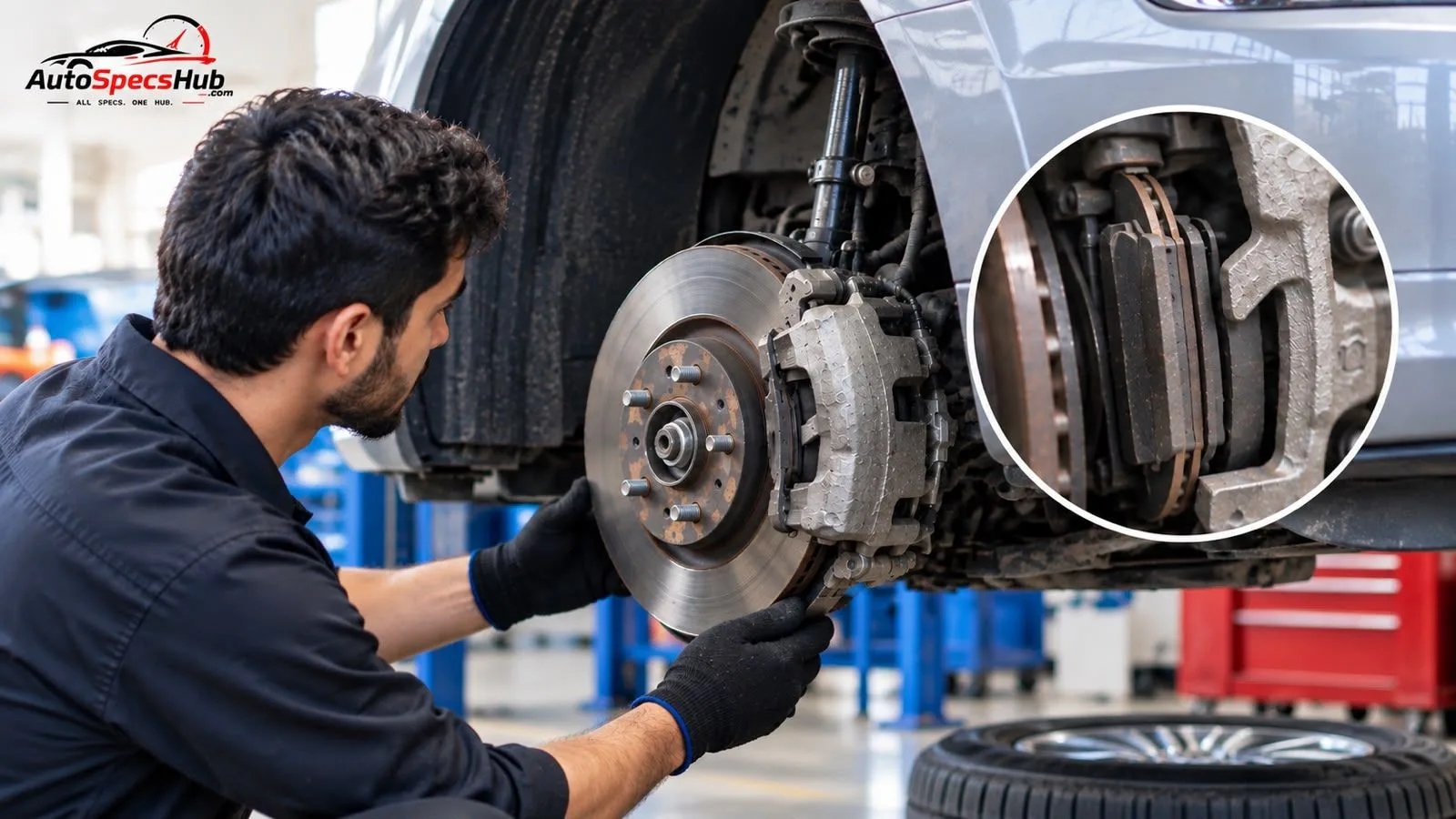
3. Overheated Brakes
Brakes naturally produce heat, especially during heavy braking. Repeated braking, steep downhill driving, or a sticking brake caliper can cause excessive heat.
Overheated brakes can sometimes create a smell that drivers describe as burning rubber.
Other warning signs can include:
Burning smell near a wheel
Excessive brake dust
Vehicle pulling to one side
Changes in brake-pedal feel
Smoke from a wheel
One wheel becoming unusually hot
Fix: If the brakes have become overheated, allow them to cool safely. If the smell returns or you notice other symptoms, have the braking system inspected.
Never touch a brake rotor or wheel to determine whether it is hot.
4. A Slipping Clutch
In a manual-transmission vehicle, a slipping clutch can produce a strong burning odor.
When the clutch doesn't transfer engine power efficiently to the transmission, friction between the clutch components increases. This generates heat and can create a distinctive burning smell.
You may also experience:
Engine RPM increasing without corresponding acceleration
Difficulty accelerating
Difficulty changing gears
Burning smell after hill starts
Clutch engagement occurring unusually high on the pedal
Fix: A slipping clutch should be inspected by a qualified technician. Depending on the amount of wear, the clutch assembly may need repair or replacement.
A slipping clutch should be inspected by a qualified technician. Depending on the amount of wear, the clutch assembly may need repair or replacement. Symptoms such as slipping, hesitation, unusual gear changes, or difficulty transferring engine power can also point to broader transmission problems and related warning signs.
5. Oil or Other Fluids Leaking Onto Hot Components
Sometimes what smells like burning rubber isn't actually rubber.
A fluid leak can allow oil or another fluid to reach a hot engine or exhaust component. The resulting odor can be mistaken for a burning-rubber smell.
You might also notice:
Smoke from underneath the hood
Oil spots beneath the vehicle
Burning-oil odor
Low fluid levels
Wet or dirty areas around the engine
Fix: Have the source of the leak identified and repaired. Simply cleaning the visible fluid won't solve the problem if the leak continues.
6. Plastic or Road Debris Touching Hot Parts
A plastic bag, piece of road debris, or another material can become trapped underneath a vehicle or near the exhaust.
When the exhaust becomes hot, the material can melt or burn and create a strong odor.
This can happen suddenly after driving over roads with loose debris.
Fix: After the vehicle has completely cooled, check accessible areas for stuck debris. Never reach near hot exhaust components.
If you can't safely identify or remove the material, have a professional inspect the vehicle.
7. Electrical Components Overheating
Electrical problems can sometimes produce a burning-plastic or rubber-like smell.
Damaged wiring, overloaded circuits, or failing electrical components can generate excessive heat.
This cause deserves particular attention because an electrical problem can become serious.
Look for:
Burning-plastic smell
Flickering lights
Electrical accessories behaving strangely
Melted insulation
Smoke
Repeatedly blown fuses
Fix: If you suspect overheating wiring, turn off the vehicle and have the electrical system inspected. Avoid continuing to operate the vehicle if you notice smoke or a strong electrical burning smell.
Car Smells Like Burning Rubber When Driving
If your car smells like burning rubber only while driving, pay attention to exactly when the smell starts.
A smell that appears during acceleration could point toward a slipping belt or, in a manual vehicle, a slipping clutch.
If the smell appears after heavy braking, overheated brakes become more likely.
If it happens during sharp turns, inspect the tires and wheel wells for possible rubbing.
If the smell appears after driving over debris, check for melted plastic or another material touching the exhaust after the vehicle has safely cooled.
The timing of the smell can provide one of the most useful clues when trying to identify its source.
Car Smells Like Burning Rubber After Driving
Sometimes you may not notice the smell until you park the vehicle.
That's because brakes, belts, exhaust components, and other parts can remain hot after you've stopped driving.
Without touching any hot components, walk around the vehicle and try to determine whether the odor seems strongest near:
The engine compartment
Front wheels
Rear wheels
Underneath the vehicle
Exhaust area
If you see smoke, notice a very strong burning smell, or suspect overheating, don't continue driving until the vehicle has been inspected.
How to Find the Source of the Smell
You don't need to dismantle your car to perform a basic visual inspection.
Once the vehicle is safely parked and completely cooled:
Look underneath the vehicle for fluid leaks.
Check the tires for unusual rubbing or damage.
Inspect accessible areas around the wheels.
Look for obvious brake problems or excessive brake dust.
Check the serpentine belt for cracks, fraying, or visible damage.
Look for melted plastic or road debris.
Determine whether the smell is strongest at the front, rear, or one particular wheel.
Think about what you were doing immediately before the smell appeared.
Never place your hands near moving belts, hot exhaust components, or hot brakes.
When Should You Stop Driving?
A mild smell that disappears quickly may have a simple explanation, but certain warning signs require immediate attention.
Stop driving and have the vehicle inspected if you notice:
Smoke
A strong or persistent burning odor
Visible melting
A damaged or missing serpentine belt
Severe overheating
Brake smoke
Electrical burning smell
Significant loss of engine power
Severe tire damage
Unusual noises combined with the smell
If you see smoke or suspect an active fire, move to a safe location and seek appropriate emergency assistance rather than continuing to drive.
How to Prevent a Burning Rubber Smell
Regular vehicle maintenance can reduce the risk of many of these problems.
Follow the manufacturer's recommended maintenance schedule and periodically inspect:
Belts
Tires
Brakes
Fluids
Hoses
Engine components
Electrical wiring
Regular maintenance can reduce the risk of many of these problems. Follow the manufacturer's recommended service schedule and keep an eye on belts, tires, brakes, fluids, and hoses. It is also helpful to know your vehicle's engine, transmission, and other key specifications, especially when checking maintenance requirements or diagnosing unusual symptoms.
Also pay attention to new noises, vibrations, warning lights, and changes in vehicle behavior. Finding a problem early can help prevent additional damage and potentially reduce repair costs.
Frequently Asked Questions
Why does my car smell like burning rubber but nothing is smoking?
A burning smell doesn't always produce visible smoke. A slipping belt, overheated brake, tire rubbing, or another component may be generating heat without reaching the point of visible smoke.
Why does my car smell like burning rubber when I accelerate?
A slipping serpentine belt can create a burning smell during acceleration. In a manual vehicle, a slipping clutch can produce a similar odor, particularly under heavy load.
Why does my car smell like burning rubber after driving?
Hot brakes, a slipping belt, tire rubbing, or material touching the exhaust can continue producing an odor after you've stopped driving.
Is it safe to drive a car that smells like burning rubber?
It depends on the cause. A persistent or strong smell, especially when combined with smoke, overheating, unusual noises, or visible damage, should be treated as a warning and inspected before continuing to drive.
Can low tire pressure cause a burning rubber smell?
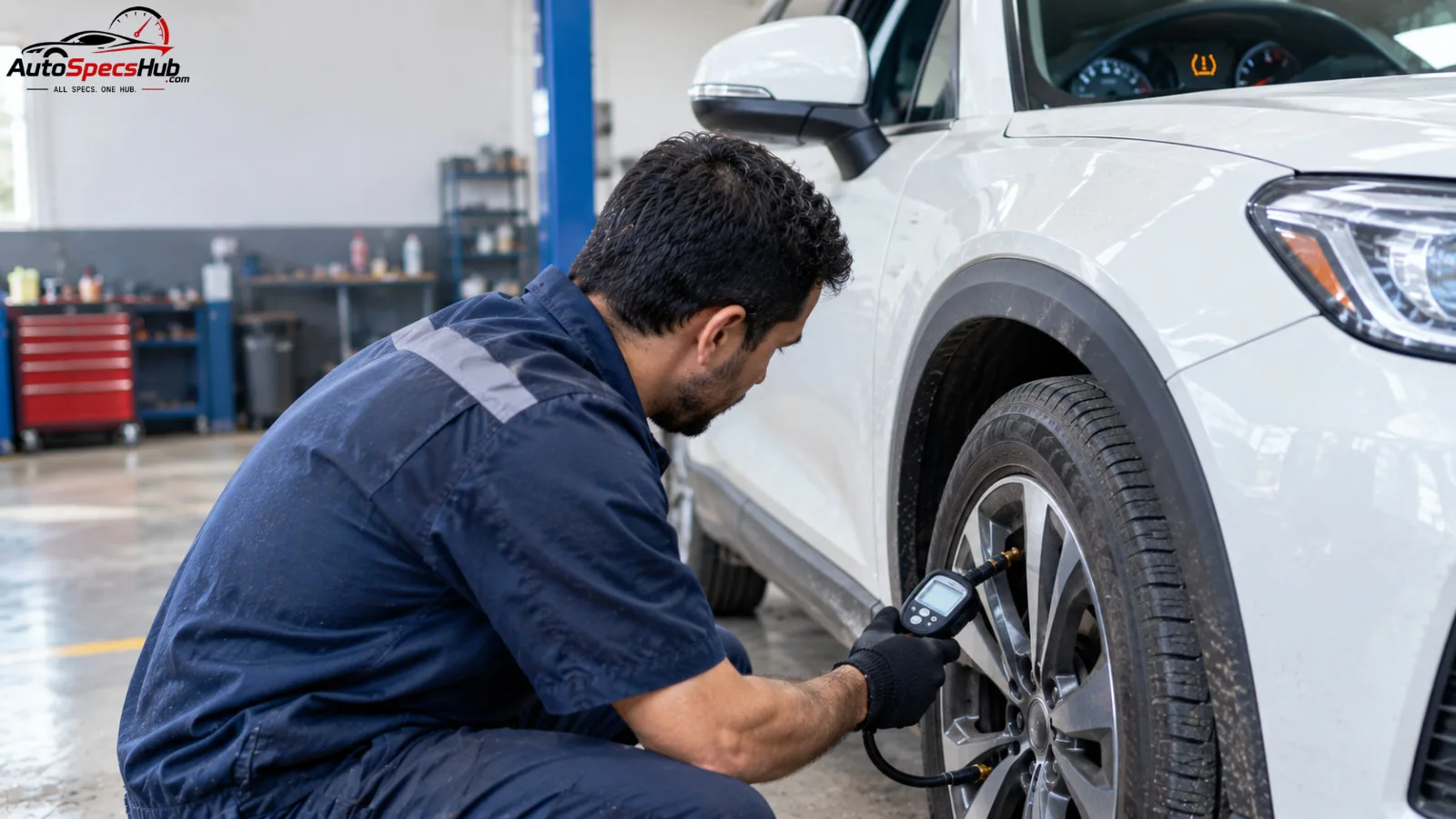
Low tire pressure can increase tire heat and wear, particularly during extended or high-speed driving. Check tire pressure against the vehicle manufacturer's recommended specification and inspect the tires for damage.
How much does it cost to fix a burning rubber smell?
The cost depends entirely on the cause. Removing road debris or replacing a worn belt may be relatively straightforward, while brake, clutch, electrical, or other major repairs can cost significantly more.
Final Thoughts
When your car smells like burning rubber, don't automatically assume that the tires are the problem. A slipping serpentine belt, overheated brakes, tire rubbing, clutch problems, fluid leaks, road debris, or an electrical issue can all produce a similar odor.
The best approach is to consider when the smell occurs, where it seems strongest, and what other symptoms appear at the same time.
If the smell is strong, persistent, or accompanied by smoke, overheating, unusual noises, or visible damage, it's safer to stop driving and have the vehicle inspected.
Addressing the cause early can help protect your vehicle, prevent additional damage, and potentially save you from a much more expensive repair later.