
Honda Pilot Reliability: Best Years, Common Problems & Buying Advice
Wondering if the Honda Pilot is reliable? Learn about Honda Pilot reliability, common problems, best years, years to approach with caution, maintenance costs, lifespan, and what to check before buying a used Pilot.
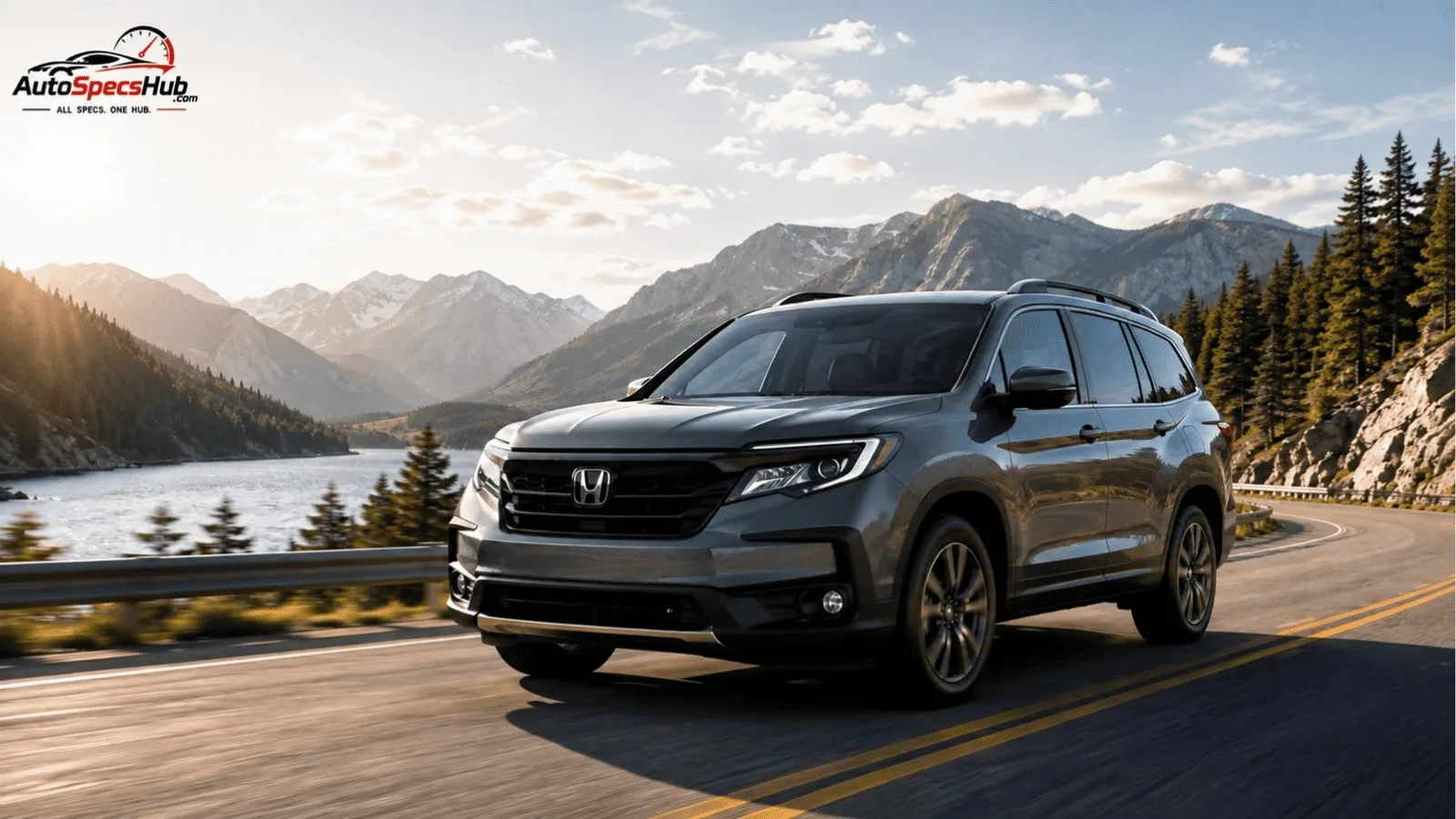
The Honda Pilot is a popular three-row SUV known for its spacious cabin, comfortable ride, family-friendly design, and practical everyday performance. But if you're thinking about buying one, especially a used model, one question naturally comes up: Is the Honda Pilot reliable?
The answer is generally yes, but reliability can vary depending on the model year, mileage, maintenance history, and condition of the individual vehicle. Some Honda Pilot years have a stronger reliability record than others, while certain older models have experienced more complaints involving transmissions, engines, electrical systems, and other components.
For buyers, this means choosing the right Pilot requires more than simply looking at the Honda badge. You should consider the specific model year, service history, mileage, recalls, and previous repairs before making a decision.
In this guide, we'll look at Honda Pilot reliability, common problems, the best years to consider, years that deserve more attention, maintenance costs, expected lifespan, and what you should check before buying a used Honda Pilot.
Is the Honda Pilot Reliable?
The Honda Pilot is generally considered a reliable midsize SUV, particularly when it is properly maintained. However, reliability isn't identical across every model year.
The Pilot has been available since 2003 and has gone through several generations. Each generation brought changes to the engine, transmission, technology, safety equipment, and overall design. Because of these changes, a problem associated with an older Pilot doesn't necessarily apply to newer models.
Recent reliability data is generally encouraging for newer Pilots. However, some older model years have accumulated more complaints and require additional research before purchase.
For a used buyer, maintenance history is especially important. A well-maintained Pilot with higher mileage can sometimes be a better purchase than a lower-mileage vehicle that has been neglected.
So, rather than asking whether every Honda Pilot is reliable, it's better to ask whether the specific Pilot you're considering has a good reliability history and maintenance record.
How Long Can a Honda Pilot Last?
A properly maintained Honda Pilot can potentially remain useful for well over 150,000 miles, and some examples can reach 200,000 miles or more.
However, high mileage doesn't automatically mean a vehicle is reliable. The way a Pilot has been maintained throughout its life can have a major effect on its future performance.
Regular oil changes, fluid services, brake maintenance, tire care, inspections, and timely repairs can help reduce the risk of major problems.
When shopping for a used Pilot, don't look only at the odometer. Check the service records and find out whether important maintenance was completed on schedule.
For example, a higher-mileage Pilot with complete service records may be a safer choice than a lower-mileage example with no maintenance documentation.
Honda Pilot Common Problems
The common problems reported for the Honda Pilot vary depending on the generation and model year. Some issues are more closely associated with older models, while others may appear on specific newer generations.
Understanding these potential problems can help you know what to inspect during a test drive and pre-purchase inspection.
Transmission Problems
Transmission concerns are one of the most important areas to investigate when shopping for an older Honda Pilot.
Some early Pilot models have a history of transmission-related complaints, and certain later models also deserve careful attention to shifting performance.
During a test drive, pay attention to how the transmission behaves when accelerating, slowing down, and changing gears.
Watch for:
Harsh shifting
Delayed gear engagement
Shuddering
Hesitation
Slipping
Unexpected gear changes
Unusual transmission noises
A transmission that shifts smoothly doesn't guarantee that there will never be a problem, but unusual behavior should be investigated before purchasing the vehicle.
If you notice any of these issues during a test drive, it's important to understand the possible causes and warning signs of transmission problems before making a purchase.
Engine-Related Problems
Engine-related problems can also appear on certain Honda Pilot model years, especially as mileage increases.
Some older models equipped with Honda's Variable Cylinder Management system have been associated with concerns such as oil consumption and misfires. These issues don't affect every vehicle, but they are worth checking when considering an older used Pilot.
During an inspection, look for:
Excessive oil consumption
Oil leaks
Coolant leaks
Rough idling
Misfires
Check-engine lights
Unusual engine noises
Excessive exhaust smoke
A professional inspection can help identify engine problems that may not be obvious during a short test drive.
Electrical and Technology Problems
Electrical and technology-related issues are another area worth checking, particularly on newer vehicles with more electronic features.
Depending on the model year, problems may involve the infotainment system, cameras, dashboard controls, power features, or other electronics.
When viewing a used Pilot, test all major electrical features instead of assuming they are working properly.
Check the:
Touchscreen
Backup camera
Audio system
Power windows
Door locks
Interior lights
Climate controls
Keyless entry
Dashboard controls
A small electronic problem may not make the vehicle undriveable, but repeated electrical issues can become frustrating and expensive if they require replacement parts.
What Are the Best Honda Pilot Years?
There isn't one universal list of the best Honda Pilot years because reliability rankings can differ between sources and depend on the type of data being analyzed.
Newer Pilot models generally benefit from updated technology, improved safety systems, and engineering changes made throughout the vehicle's production history.
When shopping for a used Pilot, later examples can be attractive, but the newest model isn't automatically the best choice for every buyer.
Your budget, mileage requirements, maintenance history, and the condition of the vehicle should all be considered.
If you're comparing two used Honda Pilots, don't simply choose the newer one. Compare their service records, mileage, accident history, recall status, and overall condition.
Which Honda Pilot Years Should You Approach Carefully?
Some model years deserve additional research because they have accumulated more complaints or have specific issues that buyers should investigate.
The early Pilot years are especially important to research because some have a history of transmission-related complaints.
The 2016 model also deserves careful inspection because it introduced the third-generation Pilot and brought significant changes, including a nine-speed automatic transmission on some versions.
Certain newer years can also have individual complaints or recalls. This doesn't mean every vehicle from a particular year is unreliable. Instead, it means buyers should investigate the specific vehicle before purchasing.
A recall or complaint history should be treated as information to investigate, not as an automatic reason to reject an entire model year.
Honda Pilot Maintenance Costs
Maintenance is an important part of overall reliability because even a dependable SUV can develop expensive problems when routine service is ignored.
The Honda Pilot's maintenance costs can vary depending on its age, mileage, location, driving conditions, and the repairs it requires.
Routine maintenance can include:
Engine oil and filter changes
Tire rotation
Brake inspections
Air-filter replacement
Transmission-fluid service
Coolant service
Spark-plug replacement
Battery replacement
Suspension inspections
Following the manufacturer's recommended maintenance schedule can help keep the vehicle operating properly and may reduce the risk of larger repairs.
When buying used, ask for maintenance records whenever possible. These records can show whether the previous owner followed a consistent service schedule.
Is the Honda Pilot Expensive to Maintain?
The Honda Pilot isn't necessarily expensive to maintain compared with other three-row midsize SUVs, but ownership costs can increase as the vehicle gets older.
Routine maintenance is usually easier to budget for than unexpected major repairs. Transmission repairs, engine problems, suspension components, and electrical issues can become considerably more expensive.
This is why reliability and maintenance history should be considered together.
A used Pilot with a complete service history can give you a clearer idea of what has already been repaired and what maintenance may be coming next.
What to Check Before Buying a Used Honda Pilot
If you're considering a used Honda Pilot, inspect more than its appearance. A clean exterior doesn't necessarily mean the vehicle has been well maintained.
Check the Service History
Look for records showing regular oil changes, fluid services, brake maintenance, and other scheduled work.
Test the Transmission
Drive the vehicle at different speeds and pay attention to shifting. Look for hesitation, slipping, harsh engagement, vibration, or unusual noises.
Inspect the Engine
Check for oil leaks, coolant leaks, warning lights, rough idling, unusual sounds, and excessive smoke.
Test the Electronics
Make sure the infotainment system, cameras, windows, locks, lights, climate controls, and other electronic features are working properly.
Check Tires and Brakes
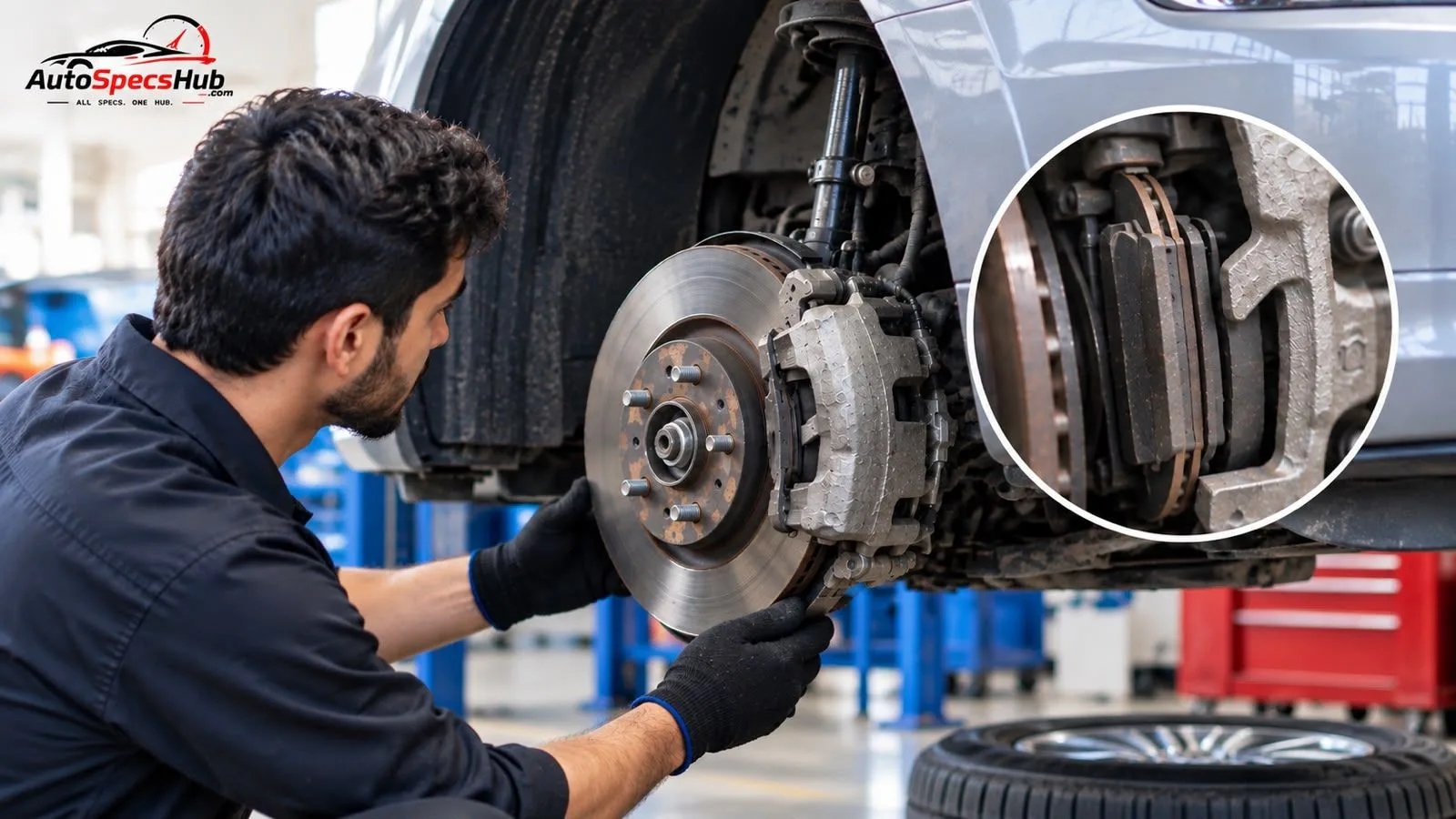
Look for uneven tire wear, low tread, brake vibration, grinding sounds, or other signs of wear.
Check Recalls
Use the vehicle identification number to check whether the specific Pilot has outstanding recalls.
Get a Pre-Purchase Inspection
Before buying a used Honda Pilot, consider having it inspected by an independent mechanic. A professional inspection can uncover hidden problems with the engine, transmission, brakes, suspension, electrical system, or other components that may not be obvious during a test drive.
It can also give you a clearer idea of the vehicle's overall condition and help you make a more informed buying decision. Spending a little on an inspection before purchase could save you from unexpected repair costs later.
Is a Used Honda Pilot Worth Buying?
A used Honda Pilot can be a good option for buyers who need a spacious three-row SUV without moving into a larger full-size model.
Its combination of passenger space, practicality, and long-term usability makes it attractive to families and drivers who need additional seating.
However, the individual vehicle matters more than the name on the badge.
Before buying, check the model year, mileage, service records, accident history, recalls, transmission performance, engine condition, tires, brakes, and electrical features.
If possible, arrange a professional inspection before completing the purchase. Spending money on an inspection can help you avoid much larger repair costs later.
Compare the Honda Pilot With Other Vehicles
The Honda Pilot may be a strong option, but it isn't the only SUV worth considering. Your ideal vehicle depends on your budget, passenger requirements, fuel-economy expectations, performance preferences, and maintenance priorities.
Before choosing between different SUVs, consider their specifications, features, dimensions, engines, performance, and other important details. Compare different models and their specifications to find a vehicle that better fits your driving needs.
Final Verdict: Is the Honda Pilot Reliable?
So, is the Honda Pilot reliable?
Yes, the Honda Pilot can be a reliable and practical SUV, but the model year and maintenance history matter.
Some older Pilots have known concerns involving transmissions, engines, and electrical systems, while newer models generally offer updated designs and technology.
If you're considering a used Honda Pilot, don't make your decision based solely on mileage or price. Look at the vehicle's complete history, check for recalls, inspect the engine and transmission, test its electronic features, and get a professional inspection when possible.
A well-maintained Pilot can provide many years of useful transportation. The key is choosing the right example rather than assuming that every Honda Pilot will have the same reliability.
Ultimately, the best Honda Pilot for you is one that has a strong maintenance history, fits your budget, meets your space and driving requirements, and passes a careful inspection before purchase.