
Horsepower vs Torque: Which One Should You Look at When Buying a Car?
Horsepower vs torque explained for car buyers. Learn how they affect acceleration, speed, towing, driving feel, and overall vehicle performance.
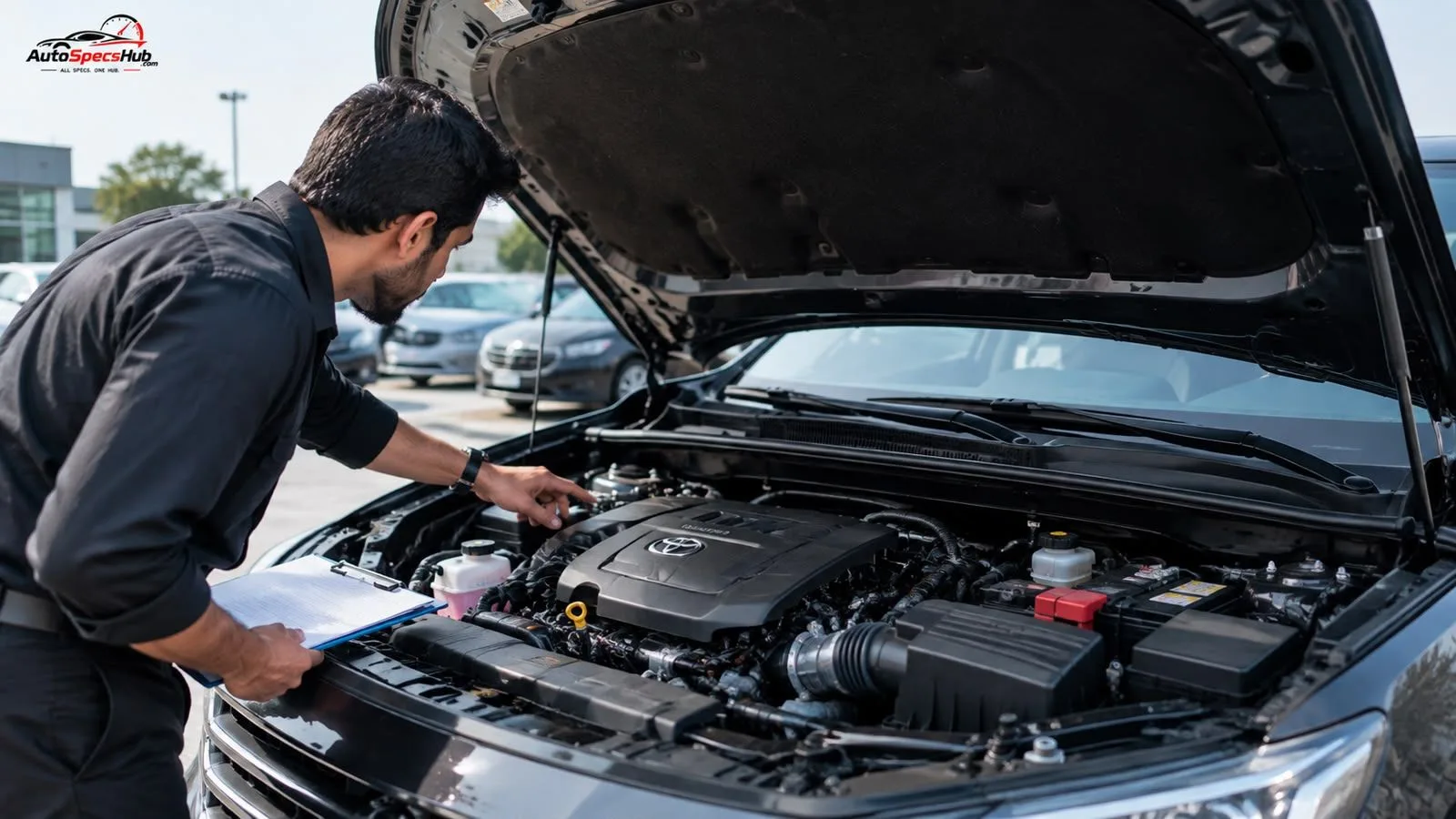
When comparing cars, horsepower and torque are two of the most common engine specifications you will see. Both numbers tell you something important about how an engine performs, but they describe different characteristics. Understanding the difference can help you make better sense of vehicle specifications and avoid choosing a car based only on the biggest number.
Torque measures the engine's rotational force, while horsepower describes how quickly the engine can perform work. In everyday driving, torque can influence how easily a vehicle responds when pulling away, climbing hills, or carrying a heavy load. Horsepower becomes increasingly important when the vehicle needs to continue accelerating as engine speed and road speed increase.
The important point for car buyers is that horsepower and torque should not be considered separately. Engine size, transmission, vehicle weight, drivetrain, gearing, traction, and the way power is delivered all affect how a car actually feels on the road. This guide explains horsepower vs torque and what each specification means when choosing a vehicle.
Horsepower vs Torque: What's the Difference?
Horsepower and torque are closely related, but they measure different things.
Torque is the twisting force produced by an engine. It is commonly measured in lb-ft in the United States and Nm (Newton-metres) in many other markets. The crankshaft uses this rotational force to ultimately turn the wheels through the transmission and drivetrain.
Horsepower measures the rate at which work is performed. It takes both torque and engine speed into account, which means an engine can produce different horsepower figures at different RPM levels.
A simple way to understand the distinction is to think about torque as the engine's ability to produce twisting force and horsepower as its ability to deliver that work over time.
This relationship is important because two engines can have similar torque figures but produce different horsepower outputs if they operate at different engine speeds.
What Is Torque?
Torque is the rotational force generated by an engine.
Inside a combustion engine, expanding gases produced during combustion push the pistons. The connecting rods transfer this force to the crankshaft, causing it to rotate. That rotation produces torque, which is then transferred through the transmission and drivetrain.
Torque is particularly relevant when a vehicle starts moving or needs to overcome resistance. It can be useful when accelerating from a low speed, climbing an incline, carrying passengers and cargo, or towing a trailer.
However, engine torque should not be confused with wheel torque. The transmission changes the amount of torque reaching the wheels through its gear ratios. A lower gear can multiply the engine's torque, helping the vehicle accelerate from a standstill.
This is why looking at the engine's peak torque figure alone does not tell you exactly how a car will perform.
What Is Horsepower?
Horsepower measures the rate at which an engine can perform work.
Unlike torque, horsepower incorporates engine speed. An engine producing torque at a higher RPM can generate substantial horsepower because it is performing that work at a faster rate.
This is one reason high-performance engines often produce their maximum horsepower at relatively high RPM. They may continue generating useful torque as engine speed increases, allowing horsepower to rise.
Horsepower is commonly listed as hp, although manufacturers can use different testing standards and measurement methods.
For buyers, horsepower can provide a useful indication of a vehicle's overall performance potential. However, the number becomes much more meaningful when considered alongside vehicle weight and transmission gearing.
A powerful engine in a heavy vehicle may not accelerate like a lighter vehicle with less horsepower.
Horsepower vs Torque: How Are They Related?
Horsepower and torque are connected through engine speed.
The relationship means that horsepower can increase even when torque remains relatively stable, provided the engine continues operating at higher RPM.
This explains why an engine can have a relatively flat torque curve but still produce increasing horsepower as the revs climb.
For car buyers, this is one reason peak horsepower and peak torque should not be viewed as the complete picture. The RPM at which each peak occurs matters, as does the amount of torque available across the engine's operating range.
An engine that produces useful torque over a broad RPM range can feel very different from one that only reaches its strongest torque at a particular engine speed.
How Torque Affects Everyday Driving
Torque can strongly influence how a vehicle feels during normal driving.
When you pull away from a stop, merge into traffic, or climb a hill, the engine needs to generate enough force to move the vehicle against its resistance.
An engine with strong low- and mid-range torque can feel responsive without requiring the driver to reach high RPM. This characteristic can be especially useful in SUVs, pickups, vans, and other vehicles that may carry significant weight.
Turbocharged engines can also deliver strong torque at relatively low engine speeds. This allows smaller engines to provide useful everyday response while maintaining a relatively compact design.
The transmission remains important, though. It determines how effectively the engine's available torque is converted into force at the wheels.
How Horsepower Affects Car Performance
Horsepower becomes increasingly important as a vehicle continues accelerating.
At higher speeds, aerodynamic resistance becomes a major factor. The engine needs to produce sufficient power to overcome that resistance while continuing to accelerate the vehicle.
This is why sports cars and performance vehicles often have high horsepower outputs. Their engines are designed to continue delivering substantial power as RPM increases.
Horsepower can also be useful when comparing vehicles that have similar weights and drivetrain configurations.
However, a high horsepower number does not automatically mean a car will have the quickest launch. Low-speed acceleration depends heavily on torque delivery, gearing, traction, and how the transmission manages the available power.
Horsepower vs Torque for Acceleration
Acceleration requires both torque and horsepower, but their roles become more noticeable at different points.
At low speeds, the engine and transmission work together to produce strong wheel torque. The transmission can multiply engine torque through its lower gears, helping the vehicle get moving.
As speed increases, the transmission changes ratios to keep the engine within an effective operating range. Horsepower becomes increasingly important because the engine needs to continue doing work quickly enough to overcome increasing resistance.
This is why acceleration cannot be predicted from peak horsepower or peak torque alone.
Two cars with the same horsepower can have different acceleration times because of differences in weight, gearing, tires, traction, drivetrain losses, and power delivery.
Does More Horsepower Mean a Faster Car?
Not always.
Horsepower is an important performance measurement, but a vehicle's acceleration depends on the entire powertrain and chassis.
Imagine two vehicles producing the same horsepower. If one is significantly lighter, it may have a better power-to-weight ratio and accelerate more quickly. If it also has suitable gearing and strong traction, the difference can become even more noticeable.
Aerodynamics matter as well, particularly at higher speeds. A vehicle that creates less aerodynamic resistance can make more effective use of its available power.
This is why performance comparisons should include acceleration figures, curb weight, transmission, drivetrain, and power-to-weight ratio rather than focusing on horsepower alone.
Does More Torque Mean a Faster Car?
A high torque figure does not automatically make a vehicle faster.
Torque can contribute to strong acceleration, particularly at lower engine speeds, but the transmission determines how that torque is delivered to the wheels.
The torque curve is also important. An engine producing strong torque across a wide RPM range can provide consistent response, while another engine may produce a higher peak figure but only within a narrow operating range.
Peak torque is therefore only one part of the equation.
When comparing vehicles, look at where maximum torque occurs, how broadly it is available, and how the transmission is designed to use it.
Horsepower vs Torque for Towing
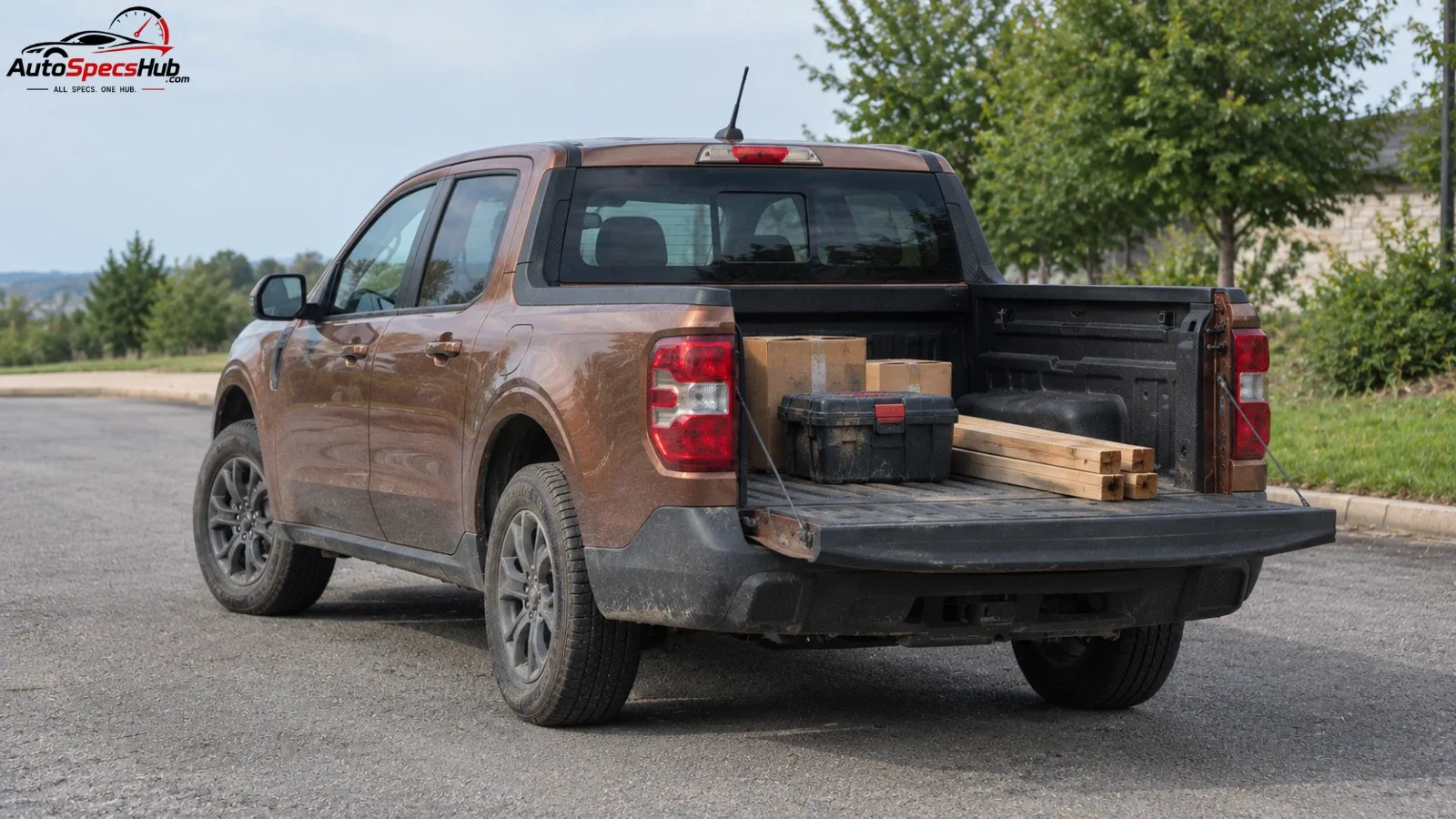
Torque is particularly relevant when considering vehicles used for towing.
Moving a trailer requires the engine to overcome the additional weight and resistance. Strong torque at useful engine speeds can help a vehicle get a heavy combination moving and maintain speed when traveling uphill.
However, engine torque is not the same as towing capacity.
A vehicle's official towing rating depends on many components, including its transmission, cooling system, brakes, suspension, chassis, drivetrain, wheelbase, and manufacturer specifications.
For example, two vehicles with similar engines may have different towing capacities because their chassis and cooling systems are designed for different applications.
If towing is important to you, always check the manufacturer's official towing capacity rather than estimating it from horsepower or torque.
Horsepower vs Torque for City Driving
For city driving, usable low- and mid-range torque can be valuable.
Urban traffic often involves repeated stops, low-speed acceleration, short gaps, and frequent changes in speed. An engine that responds well without needing high RPM can make these situations easier and more comfortable.
Transmission calibration also has a major effect. An automatic transmission can select a suitable gear, while a CVT can continuously adjust its ratio to keep the engine within an appropriate operating range.
For a city commuter, smooth power delivery and predictable response may be more important than having a very high peak horsepower figure.
Horsepower vs Torque for Highway Driving
Highway driving places different demands on an engine.
Once a vehicle reaches higher speeds, aerodynamic drag increases and more power is needed to continue accelerating. This makes horsepower particularly relevant for high-speed acceleration and passing performance.
Torque still matters because the engine needs to produce useful output across the RPM range. The transmission must also select appropriate ratios to keep the engine in its effective power band.
For highway buyers, it is useful to consider horsepower, torque delivery, transmission gearing, vehicle weight, and real-world acceleration together.
Why the Torque Curve Matters
Peak torque is only one point on an engine's performance chart.
The torque curve shows how much torque the engine produces at different RPM levels. This provides a better understanding of how the engine behaves throughout its operating range.
For example, an engine might produce its maximum torque at 2,000 RPM and maintain a strong output for several thousand RPM afterward. Another engine may produce its maximum torque at a much higher RPM.
The first engine could feel stronger during ordinary driving, while the second might provide more performance as engine speed rises.
This is why two engines with similar peak figures can have noticeably different driving characteristics.
How the Transmission Uses Horsepower and Torque
The transmission is critical because it determines how engine output reaches the wheels.
A manual transmission allows the driver to choose the gear. A conventional automatic selects from a set of fixed ratios, while a CVT continuously adjusts its ratio.
Lower gears provide greater torque multiplication, which helps the vehicle accelerate from a stop. Higher gears reduce engine speed during cruising and can improve efficiency.
The transmission therefore affects how quickly a vehicle responds, how long the engine stays within its useful power range, and how efficiently the available output is used.
This is why engine specifications should always be considered alongside transmission specifications.
Horsepower vs Torque in Turbocharged Engines
Turbocharging can significantly change the way an engine delivers power.
A turbocharger uses exhaust energy to compress incoming air, allowing the engine to burn more fuel and generate greater output.
Modern turbocharged engines often produce substantial torque at relatively low RPM. This can make a smaller-displacement engine feel strong during everyday acceleration.
Horsepower can also be increased because the engine can maintain substantial torque as RPM rises.
However, turbocharged engines can have different torque curves depending on their turbocharger design, engine calibration, and operating conditions. Two turbocharged engines with similar peak horsepower may therefore have noticeably different responses.
Horsepower vs Torque in Electric Cars
Electric vehicles provide an interesting example of how torque and horsepower work together.
Electric motors can deliver substantial torque from very low speeds, which contributes to the immediate acceleration many EVs are known for.
However, torque alone does not explain the complete performance of an electric vehicle. Motor power, battery output, vehicle weight, gearing, traction, and software controls all influence acceleration.
Electric vehicles therefore reinforce an important point: a single specification cannot fully describe how quickly or smoothly a vehicle will perform.
What Should You Look at When Buying a Car?
The right specification depends on what you expect from the vehicle.
For daily commuting, look at low-speed response, fuel economy, transmission behavior, and overall drivability.
For highway driving, consider horsepower, torque delivery, transmission gearing, fuel economy, and acceleration performance.
For towing, pay close attention to torque delivery, cooling capacity, drivetrain configuration, payload, and the manufacturer's official towing rating.
For performance driving, compare horsepower, torque curves, power-to-weight ratio, transmission, drivetrain, tires, and published acceleration figures.
When comparing different vehicles, it is helpful to look beyond horsepower and torque and consider the complete specification sheet, including the engine, transmission, drivetrain, fuel economy, and vehicle weight. AutoSpecsHub provides detailed vehicle specifications that can help you make these comparisons before choosing a car.
What Else Should You Check Before Buying?
Horsepower and torque should never be the only specifications you consider.
Vehicle weight, transmission type, drivetrain, fuel economy, safety features, reliability history, maintenance requirements, cargo capacity, and ownership costs can all affect whether a vehicle is suitable for you.
For a used car, condition and service history are particularly important. A vehicle with impressive engine specifications can still become expensive to own if it has neglected maintenance or unresolved mechanical problems.
Before buying a used vehicle, a detailed inspection can help identify issues that are not visible from the specification sheet. The AutoSpecsHub used-car checklist covers important areas to inspect before completing a purchase.
Frequently Asked Questions
Which is more important, horsepower or torque?
Neither is universally more important. Torque describes rotational force, while horsepower describes the rate at which work is performed. The importance of each depends on how the vehicle is designed and how you intend to use it.
Does torque make a car faster?
Torque contributes to acceleration, but the transmission, gearing, vehicle weight, traction, and power delivery also determine how quickly a car accelerates.
Does horsepower determine top speed?
Horsepower can strongly influence high-speed performance, but top speed also depends on aerodynamics, gearing, electronic limitations, tires, and the vehicle's overall design.
Is high torque better for towing?
Strong torque can help with pulling heavy loads, but towing capacity is determined by the complete vehicle. Always follow the manufacturer's official towing rating.
Why can a car have more torque than horsepower?
Torque and horsepower are different measurements, and horsepower is calculated using torque and engine speed. Their numerical values therefore do not need to be similar.
Should I choose a car based on horsepower?
Horsepower is useful, but it should be considered alongside torque, vehicle weight, transmission, drivetrain, fuel economy, and your intended use.
Final Verdict
Horsepower and torque are both important engine specifications, but they tell you different things.
Torque describes rotational force and helps explain how an engine responds under load and at lower engine speeds. Horsepower describes the rate at which that work can be performed and becomes increasingly relevant as engine speed and vehicle speed rise.
For car buyers, neither number should be considered in isolation. The engine's torque curve, transmission, vehicle weight, drivetrain, gearing, traction, and intended use all determine how those specifications translate into real-world performance.
If you mainly commute around town, usable low-speed response and smooth power delivery may matter more than maximum horsepower. If you regularly travel at highway speeds or want stronger performance, horsepower becomes increasingly relevant. If towing is your priority, torque is useful, but the manufacturer's towing rating and the vehicle's complete mechanical package are more important.
The best approach is to look at horsepower and torque together, then consider how they fit the vehicle's overall design and your own driving needs. That gives you a much clearer picture of what a car will actually be like to drive than focusing on either figure alone.