
How Does a Car Radiator Work? A Complete Guide to Engine Cooling
Learn how a car radiator works, how coolant removes engine heat, and how the thermostat, water pump, and radiator fan work together to keep the engine at the right temperature.
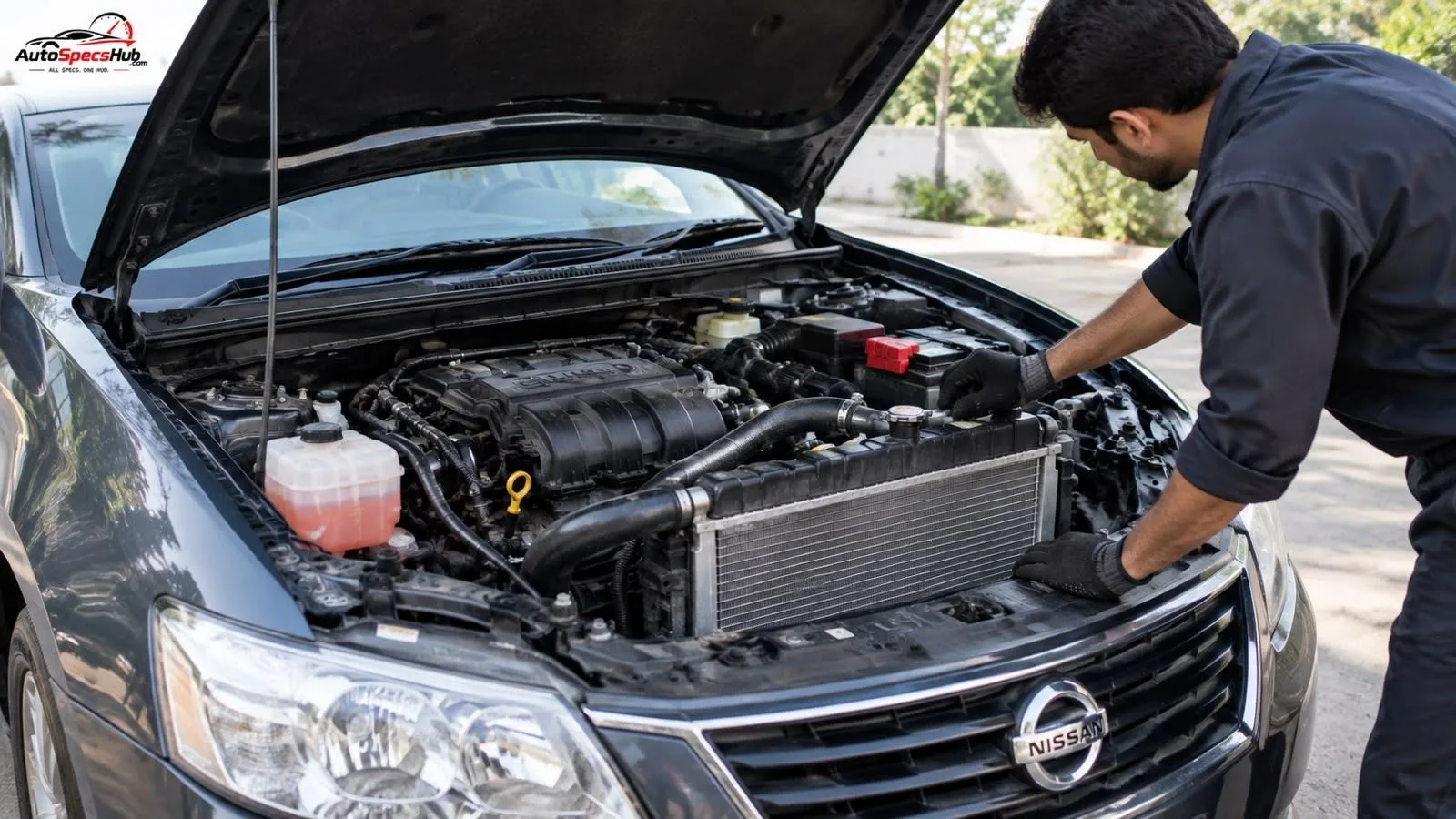
A car engine produces a significant amount of heat while it is running. Without a reliable cooling system, that heat can quickly push the engine beyond its normal operating temperature and cause serious mechanical problems. The radiator is one of the most important components responsible for controlling this heat and keeping the engine within a safe temperature range.
But how does a car radiator actually work? The process is more than simply passing air through a metal component. Coolant travels through the engine, absorbs heat, moves to the radiator, and releases that heat into the surrounding air before returning to the engine. Other components, including the thermostat, water pump, radiator fan, and radiator cap, all contribute to the process.
Understanding how these parts work together can help car owners recognize cooling-system problems earlier and understand why regular maintenance matters.
What Does a Car Radiator Do?
The main job of a car radiator is to remove excess heat from the engine coolant.
When an engine operates, combustion inside the cylinders creates extremely high temperatures. Some of this heat is converted into useful mechanical energy, but a large amount still needs to be controlled. If the heat is not removed effectively, engine components can become excessively hot.
The cooling system circulates coolant through passages around the engine. The coolant absorbs heat and carries it away from the engine. It then travels to the radiator, where that heat is transferred into the air.
After being cooled, the coolant returns to the engine and repeats the cycle.
The radiator therefore acts as a heat exchanger. It does not directly cool the engine itself. Instead, it cools the liquid that has absorbed heat from the engine.
How Does a Car Radiator Work?
The radiator works as part of a continuous cooling cycle.
When the engine starts, coolant begins circulating through the cooling system. The water pump helps move the coolant through passages in and around the engine. As the coolant passes through these areas, it absorbs heat produced by the combustion process.
Once the coolant reaches the appropriate temperature, the thermostat allows it to flow toward the radiator. Hot coolant enters the radiator through an inlet.
Inside the radiator, the coolant moves through narrow tubes surrounded by thin metal fins. These fins provide a large surface area for transferring heat.
As air passes across the fins, heat moves from the hot coolant through the radiator material and into the surrounding air. The cooled liquid then collects at the other side of the radiator and returns toward the engine.
This process continues while the engine is running, helping maintain a stable operating temperature.
How Does Coolant Move Through the Cooling System?
Coolant movement is essential because the radiator cannot remove engine heat unless hot coolant reaches it.
The water pump creates the circulation needed to move coolant through the system. Depending on the engine design and operating conditions, coolant travels through passages in the engine, hoses, thermostat housing, radiator, and other parts of the cooling system.
When the engine is cold, the thermostat normally remains closed or restricts coolant flow to the radiator. This allows the engine to warm up more quickly.
As the coolant reaches the thermostat's operating temperature, the thermostat opens and allows more coolant to flow toward the radiator.
This arrangement prevents the engine from remaining unnecessarily cold while also providing a way to remove excess heat once the engine reaches normal operating temperature.
Main Parts of a Car Radiator
Although the radiator may look relatively simple from outside, it contains several important components that allow it to transfer heat efficiently.
Radiator Core
The core contains the tubes and fins through which heat is transferred. Hot coolant passes through the tubes while air moves across the fins.
The large surface area helps maximize heat transfer.
Radiator Fins
The thin metal fins surround the coolant tubes and increase the surface area exposed to air. More surface area allows heat to escape more efficiently.
Bent, blocked, or damaged fins can reduce the radiator's ability to transfer heat.
Radiator Tanks
Many radiators have tanks positioned at the sides or top and bottom, depending on their design. These areas help direct coolant into and out of the radiator core.
Radiator Hoses
Hoses connect the radiator with the engine and other cooling-system components. They carry coolant between different parts of the system.
A cracked, swollen, loose, or leaking hose can cause coolant loss and reduce cooling performance.
Radiator Cap
The radiator cap helps control pressure within the cooling system. Maintaining the correct pressure raises the coolant's boiling point and helps the system operate effectively.
Because the cooling system can become extremely hot and pressurized, the radiator cap should never be removed when the engine is hot.
What Is the Role of the Thermostat?
The thermostat controls coolant flow based on engine temperature.
When an engine is cold, it needs to reach its normal operating temperature. Allowing coolant to immediately circulate through the radiator would remove heat too quickly and make warm-up slower.
The thermostat therefore restricts radiator flow during the initial warm-up period.
Once the engine reaches the thermostat's designed operating temperature, the thermostat opens and allows coolant to travel through the radiator.
A thermostat that remains closed can restrict coolant circulation and contribute to overheating. One that remains open can prevent the engine from reaching its intended operating temperature efficiently.
What Does the Water Pump Do?
The water pump is responsible for circulating coolant through the cooling system.
Without sufficient coolant movement, heat could remain concentrated around the engine instead of being carried toward the radiator.
Depending on the vehicle, the water pump may be driven mechanically by the engine or powered electrically. Its exact design varies between vehicles.
A failing water pump can cause coolant circulation problems and may produce symptoms such as overheating, coolant leaks, unusual noises, or temperature fluctuations.
Because cooling-system components work together, diagnosing the actual cause is important rather than assuming the radiator itself is always responsible for an overheating problem.
How Does the Radiator Fan Help?
The radiator needs airflow to release heat efficiently. When a vehicle is moving, air naturally passes through the radiator and helps cool the coolant.
However, airflow becomes much lower when the vehicle is stationary or moving slowly. This is where the radiator fan becomes important.
The fan pulls or pushes air through the radiator, depending on its design, helping maintain sufficient airflow even when road speed is low.
A faulty cooling fan can therefore cause temperature problems that are particularly noticeable in traffic or while the vehicle is idling.
The fan may operate automatically when the engine reaches a certain temperature. Modern vehicles can use sensors and electronic controls to determine when additional airflow is required.
What Happens If a Car Radiator Stops Working Properly?
A radiator that cannot transfer heat efficiently may cause the engine temperature to rise.
The problem can result from several different issues, including blocked coolant passages, damaged fins, corrosion, leaks, insufficient coolant, or restricted airflow.
Overheating should never be ignored. Excessive engine temperature can affect gaskets, seals, cylinder-head components, and other parts.
However, not every overheating problem means the radiator itself has failed. A faulty thermostat, water pump, cooling fan, hose, sensor, or another component can create similar symptoms.
That is why proper diagnosis is important before replacing parts.
Common Car Radiator Problems
Several problems can affect radiator performance over time.
Coolant Leaks
Leaks can develop around radiator tanks, hoses, connections, or the radiator itself. A falling coolant level can eventually reduce the system's ability to control engine temperature.
Blocked Radiator
Dirt, corrosion, deposits, or internal contamination can restrict coolant flow or reduce heat transfer.
Damaged Fins
The radiator's fins can become bent or blocked by dirt and debris. This reduces airflow and can make heat transfer less effective.
Faulty Radiator Fan
A fan that does not operate correctly can reduce airflow when the vehicle is stationary or moving slowly.
Corrosion
Age and poor coolant maintenance can contribute to corrosion inside the cooling system. Corrosion can eventually damage radiator components or restrict coolant passages.
Signs Your Car May Have a Radiator or Cooling Problem
Knowing the warning signs can help drivers respond before a cooling problem becomes more serious.
Common symptoms include:
Engine temperature rising above its normal range
Temperature gauge fluctuating unexpectedly
Coolant leaking under the vehicle
Low coolant level
Steam or visible vapor from the engine compartment
Overheating during traffic or idling
A radiator fan that does not operate when required
Sweet-smelling coolant around the engine bay
Repeated need to add coolant
An overheating warning should be treated seriously. Continuing to drive an overheating vehicle can turn a relatively manageable cooling-system repair into major engine damage.
How to Maintain a Car Radiator
Basic cooling-system maintenance can help reduce the likelihood of unexpected problems.
Start by following the vehicle manufacturer's recommended coolant service schedule. Coolant should be replaced using the correct type and specification for the vehicle.
Inspect the radiator and hoses periodically for visible leaks, cracks, corrosion, or damage. The coolant reservoir should also be checked according to the manufacturer's instructions.
Keep the radiator's external surface reasonably clean so airflow is not unnecessarily restricted by dirt or debris.
It is also important to pay attention to changes in engine temperature. If the temperature gauge begins behaving differently from normal, investigate the cause rather than continuing to drive without checking it.
Cooling-system maintenance is particularly important on older vehicles. Age can affect hoses, water pumps, thermostats, radiator tanks, and other components.
Regular cooling-system checks are especially important when buying an older or used vehicle. Inspect the radiator, coolant level, hoses, and surrounding components for visible leaks, corrosion, or signs of previous overheating. A careful inspection can reveal problems that may not be obvious during a short test drive.
Can You Drive With a Bad Radiator?
It depends on the severity of the problem, but driving with a serious radiator or cooling-system fault can be risky.
A small issue may initially produce only a minor coolant loss or gradual temperature increase. However, a significant leak or restricted radiator can quickly cause overheating.
If the temperature gauge reaches the overheating zone, a warning light appears, or steam comes from the engine compartment, it is safer to stop the vehicle and allow it to cool rather than continuing to drive.
Never open a hot radiator cap because the cooling system may be pressurized and hot coolant can cause serious burns.
A vehicle that repeatedly overheats should be inspected before normal driving continues.
Radiator vs. Other Cooling Components
It is easy to assume the radiator is responsible for every engine-temperature problem, but the cooling system operates as a complete network.
The radiator removes heat from the coolant. The water pump moves the coolant. The thermostat regulates when coolant flows through the radiator, while the radiator fan provides additional airflow when necessary.
Hoses connect the system, sensors provide temperature information, and the radiator cap helps maintain system pressure.
Because these components depend on one another, a problem in one area can affect the performance of the entire cooling system.
Understanding how these components work together can also make it easier to compare vehicles beyond basic engine power or fuel economy. When researching a car, looking at its detailed vehicle specifications can provide useful information about the engine, transmission, cooling system, and other mechanical features.
Frequently Asked Questions
How does a car radiator cool the engine?
The radiator cools the engine indirectly. Coolant absorbs heat from the engine and carries it to the radiator, where the heat is transferred through the radiator tubes and fins into the surrounding air. The cooled coolant then returns to the engine.
How long does a car radiator last?
There is no universal lifespan for every radiator. Durability depends on the vehicle, climate, coolant maintenance, materials, driving conditions, and overall age. Regular inspections can help identify leaks or deterioration before failure.
Can low coolant cause overheating?
Yes. Insufficient coolant can reduce the cooling system's ability to carry heat away from the engine. Low coolant may also indicate a leak or another underlying problem that needs attention.
Why does my car overheat in traffic but not on the highway?
A vehicle that overheats primarily at low speeds may have an airflow-related issue, such as a radiator fan problem. However, other cooling-system faults can produce similar symptoms, so proper diagnosis is necessary.
Should I use any coolant in my radiator?
No. Vehicles can require different coolant specifications, and mixing incompatible products may cause problems. Always follow the coolant specification recommended by the vehicle manufacturer.
Final Thoughts
A car radiator is a key part of the engine cooling system, but it does not work alone. The radiator, coolant, thermostat, water pump, fan, hoses, and pressure-control components must all work together to keep engine temperature under control.
Understanding this process makes common warning signs easier to recognize and shows why cooling-system maintenance should not be ignored. Regular inspections, correct coolant maintenance, and prompt attention to temperature changes can help protect the engine and prevent a small cooling-system problem from becoming a much more expensive repair.