
Steering Wheel Vibration: Causes, Warning Signs and Fixes
Steering wheel vibration can have several causes, from tire imbalance and wheel alignment issues to brake or suspension problems. Learn the warning signs, common causes, and what you can do to fix the problem.

Steering wheel vibration is one of those car problems that can start small but should never be ignored for too long. A slight shake at certain speeds may come from something as simple as an unbalanced tire, while stronger vibration can point to a brake, suspension, wheel bearing, or steering problem. The timing of the vibration can also provide important clues about where the problem is coming from.
If the steering wheel vibrates while driving, braking, accelerating, or turning, paying attention to when and how it happens can make diagnosis much easier. It can also help you decide whether the vehicle is safe to continue driving or needs to be inspected immediately.
This guide explains the most common causes of steering wheel vibration, the warning signs to watch for, and the steps you can take to identify and fix the problem.
What Does Steering Wheel Vibration Mean?
The steering wheel is connected to several components that control the front wheels, so vibration felt through the wheel often indicates that something in the wheel, tire, steering, suspension, or braking system is not operating correctly.
Not every vibration means there is a serious mechanical failure. Tires that are slightly out of balance can create noticeable shaking at highway speeds, for example. However, vibration that becomes progressively worse, appears suddenly, or occurs together with unusual noises or changes in steering behavior deserves attention.
The speed and conditions under which the vibration occurs are particularly useful. A vibration that appears only at higher speeds can have a different cause from one that happens every time you apply the brakes.
Common Causes of Steering Wheel Vibration
Unbalanced Tires
One of the most common reasons for steering wheel vibration is an improperly balanced tire and wheel assembly.
When a wheel is not evenly balanced, it can rotate unevenly, producing a vibration that becomes more noticeable as vehicle speed increases. Drivers may feel this vibration through the steering wheel, particularly at highway speeds.
An imbalance can occur after installing new tires, losing a wheel weight, or simply developing over time. A tire shop can check the balance using specialized equipment and add or reposition wheel weights as necessary.
If the vibration is most noticeable within a particular speed range and becomes less obvious when you slow down, tire balance should be one of the first things checked.
Tire Damage or Uneven Wear
A damaged or badly worn tire can also cause steering wheel vibration. Uneven tread wear, bulges, flat spots, or internal tire damage can affect how smoothly the tire rotates.
Tires can develop problems after hitting potholes, curbs, or road debris. Even if the damage is not immediately obvious, the impact may affect the tire's internal structure or the wheel itself.
Inspect the tires for unusual wear patterns, cracks, bulges, or objects embedded in the tread. If you notice significant damage, have the tire inspected by a qualified professional rather than continuing to drive on it.
Wheel Alignment Problems
Incorrect wheel alignment can affect how the vehicle tracks on the road and may contribute to steering wheel vibration.
Alignment problems can develop after hitting potholes or curbs and may be accompanied by symptoms such as the vehicle pulling to one side, an off-center steering wheel, or uneven tire wear.
A wheel alignment service checks and adjusts the angles of the wheels according to the manufacturer's specifications. Correct alignment can improve handling, tire wear, and steering behavior.
Brake Problems
If the steering wheel vibrates primarily when you apply the brakes, the braking system should be investigated.
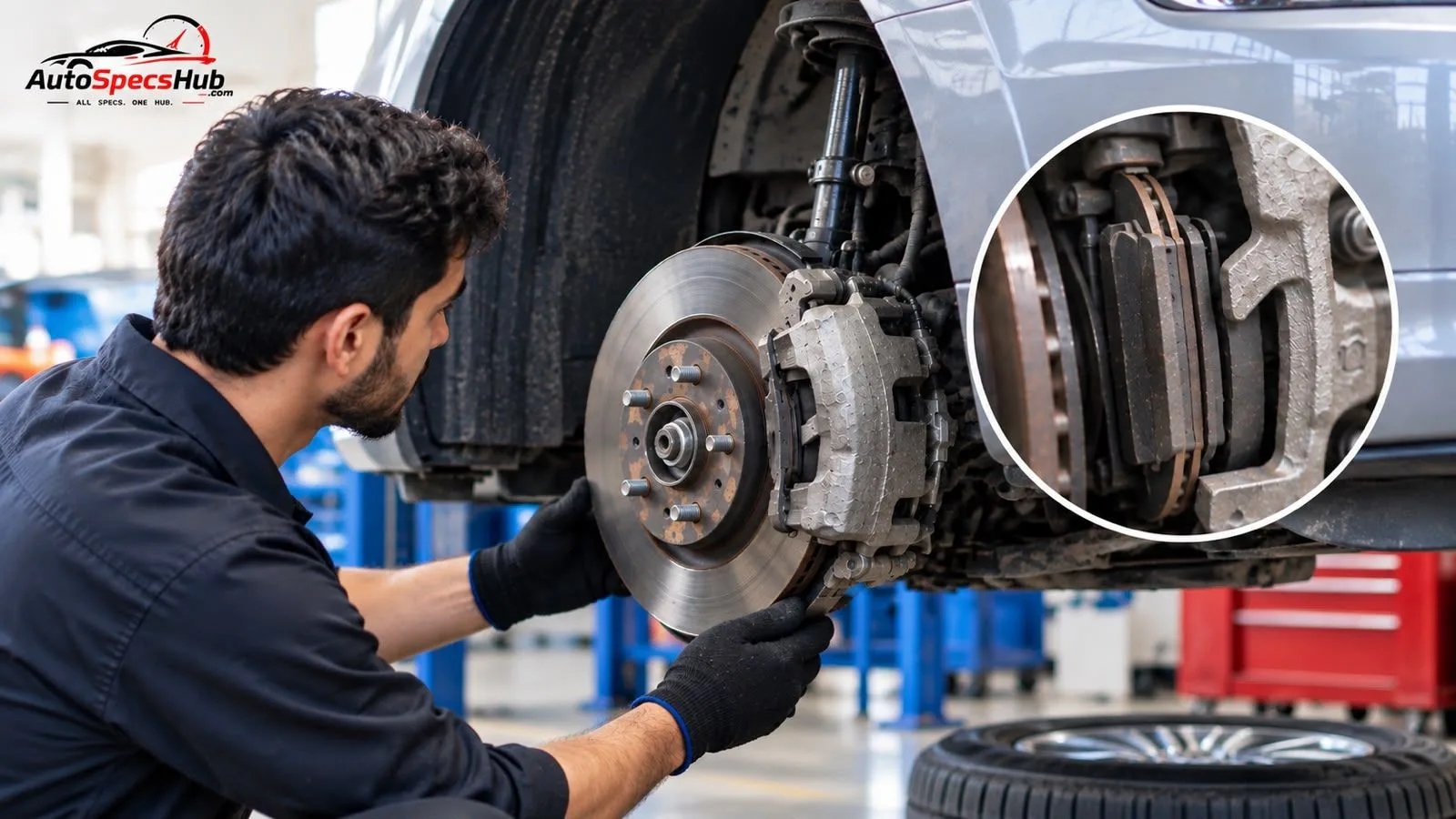
Brake vibration can be associated with uneven brake rotor surfaces, excessive variation in rotor thickness, or other problems affecting the brake assembly. The vibration may become more noticeable during harder braking or from higher speeds.
Other brake warning signs can include pulsation through the brake pedal, unusual noises, reduced braking performance, or the vehicle pulling to one side.
Because braking is directly related to vehicle safety, persistent vibration during braking should be inspected rather than ignored.
Worn Suspension Components
The suspension system helps keep the tires in contact with the road while controlling movement between the wheels and vehicle body.
Worn components such as control arm bushings, ball joints, tie rods, or other suspension parts can contribute to steering vibration and unstable handling.
Suspension-related problems may also produce clunking or knocking noises, uneven tire wear, or excessive movement over bumps. If the steering wheel vibrates while driving over rough roads and the vehicle feels less stable than usual, a suspension inspection may be necessary.
Wheel Bearing Problems
A worn wheel bearing can sometimes cause vibration along with a humming, grinding, or rumbling noise.
Wheel bearing symptoms can change depending on vehicle speed and steering direction. The exact symptoms vary by vehicle and the extent of the wear, so diagnosis should be performed by someone familiar with the vehicle's suspension and wheel assembly.
Because a wheel bearing is part of the wheel-end system, unusual noise combined with steering vibration should not be dismissed as a simple tire problem.
Bent Wheels
A wheel can become bent after hitting a pothole, curb, or other obstacle. Even a relatively small deformation can prevent the wheel from rotating correctly.
A bent wheel may cause vibration at certain speeds and can sometimes be difficult to identify visually. In some cases, the tire may also lose air if the wheel is damaged enough to affect the seal.
If the vibration started immediately after a significant impact, have both the wheel and tire inspected.
Steering System Problems
Problems within the steering system can also create vibration or unusual steering behavior.
Worn steering components may affect how precisely the front wheels respond to steering inputs. In addition to vibration, you might notice excessive play in the steering wheel, unusual noises, or a feeling that the vehicle is wandering.
Steering problems should be treated seriously because they can affect your ability to control the vehicle.
Steering Wheel Vibration at Different Speeds
The speed at which vibration occurs can provide an important diagnostic clue.
Vibration at high speed: This is commonly associated with wheel balance, tire condition, or wheel problems. Alignment and suspension issues can also contribute.
Vibration at low speed: This may point toward tire damage, wheel problems, steering components, or other mechanical issues. The exact cause depends on when the vibration occurs.
Vibration at multiple speeds: A vibration that remains noticeable across a wide range of speeds may require a more comprehensive inspection of the tires, wheels, suspension, steering, and brakes.
It is important not to diagnose a problem based on speed alone. Several different issues can produce similar symptoms.
Steering Wheel Vibration When Braking
A steering wheel that shakes specifically when braking deserves particular attention.
When you press the brake pedal, the brake pads clamp against the rotors to slow the wheels. If the braking surfaces are uneven or another component in the braking system is not operating correctly, the driver may feel pulsation or vibration through the steering wheel.
Pay attention to whether the vibration increases during harder braking, whether the brake pedal pulses, and whether the vehicle pulls to either side.
If braking performance has changed or the vibration is severe, avoid unnecessary driving until the vehicle has been inspected.
Steering Wheel Vibration When Accelerating
Vibration during acceleration can have causes that differ from a vibration that occurs while cruising at a constant speed.
Depending on the vehicle, drivetrain-related components, engine or transmission mounts, or other rotating components can contribute to vibration under load. Tire and wheel problems can also remain a possibility.
The key is to observe whether the vibration occurs only while applying the accelerator or continues when you maintain a steady speed. This information can help a technician narrow down the source.
How to Diagnose Steering Wheel Vibration
Start by identifying exactly when the vibration occurs. Ask yourself:
Does it happen at a particular speed?
Does it occur only when braking?
Does acceleration make it worse?
Does the steering wheel shake over bumps?
Did the problem begin after hitting a pothole or curb?
Are there unusual noises?
Is the vehicle pulling to one side?
Is tire wear uneven?
If you're inspecting a used vehicle, don't overlook its tires, wheels, steering, and suspension. A used car checklist can help you work through important inspection points before buying, while check detailed car specifications can help you verify the vehicle's key mechanical and technical information.
Next, visually inspect the tires and wheels if it is safe to do so. Look for obvious tire damage, uneven tread wear, missing wheel weights, or signs of a bent wheel.
For persistent vibration, professional inspection is the safest approach. A technician can check tire balance, wheel condition, alignment, brake components, suspension parts, bearings, and steering components.
Avoid replacing parts based solely on symptoms. Several problems can feel similar from behind the steering wheel, and replacing the wrong component can waste money without solving the vibration.
Can You Keep Driving With a Vibrating Steering Wheel?
Whether you can continue driving depends on the severity and cause of the vibration.
A mild vibration caused by something relatively simple, such as wheel imbalance, may not represent an immediate emergency, but it should still be investigated. Continuing to drive for a long time can potentially contribute to additional tire or component wear.
A severe or sudden vibration is more concerning, particularly if it occurs together with steering difficulty, unusual noises, tire damage, reduced braking performance, or a strong pulling sensation.
If the vehicle feels unsafe or difficult to control, stop driving and arrange for professional assistance.
How Much Does It Cost to Fix Steering Wheel Vibration?
The repair cost depends entirely on the underlying cause.
A basic wheel balance is generally much less expensive than replacing suspension components, wheels, tires, wheel bearings, or brake components. An alignment may also be relatively straightforward compared with major mechanical repairs.
The best way to control costs is to diagnose the problem before replacing parts. A professional inspection can help determine whether the issue is related to the tires, wheels, brakes, suspension, steering, or another component.
If multiple components are worn, repairing the underlying problem may also prevent additional tire and suspension wear later.
How to Prevent Steering Wheel Vibration
Regular maintenance can reduce the chances of developing vibration problems.
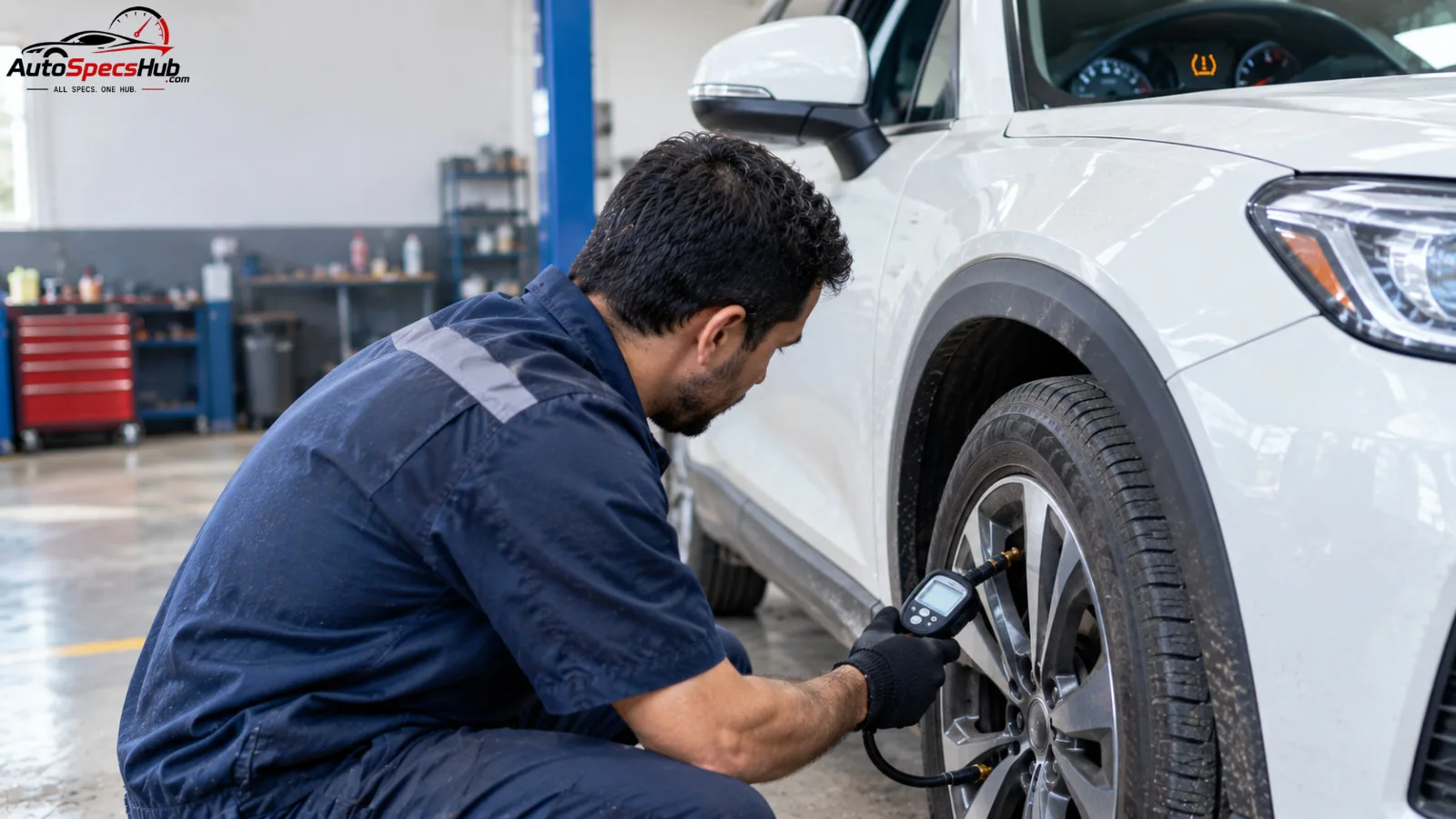
Keep your tires properly inflated and check them regularly for uneven wear or visible damage. Have the wheels balanced when necessary, particularly after fitting new tires. Wheel alignment should also be checked if the vehicle develops pulling, an off-center steering wheel, or unusual tire wear.
It is also a good idea to have the vehicle inspected after a significant pothole or curb impact. Catching wheel, tire, alignment, or suspension damage early can prevent a small problem from becoming a more expensive repair.
For drivers comparing different vehicles, understanding the car's wheel, tire, suspension, brake, and steering specifications can also provide useful context when researching ownership and maintenance requirements.
Frequently Asked Questions
Why does my steering wheel vibrate at high speeds?
High-speed steering wheel vibration is often associated with tire imbalance, tire problems, or wheel damage. Alignment and suspension issues can also contribute. A tire and wheel inspection is a sensible starting point.
Why does my steering wheel shake when I brake?
Vibration during braking can indicate a problem with the brake rotors or another component of the braking system. If the vibration is persistent or braking performance has changed, have the brakes inspected promptly.
Can bad alignment cause steering wheel vibration?
Yes, alignment problems can contribute to steering and handling issues and may be accompanied by vibration. They can also cause the vehicle to pull to one side or produce uneven tire wear.
Is steering wheel vibration dangerous?
It can be, depending on the cause and severity. Mild vibration may come from a relatively simple issue such as wheel imbalance, while severe vibration can be related to tires, brakes, suspension, or steering components. Sudden or severe vibration should be checked as soon as possible.
How do I know if the vibration is caused by my tires?
Tire-related vibration often becomes more noticeable at certain speeds and may be accompanied by uneven tread wear, visible damage, or a loss of smoothness while driving. A professional tire and wheel balance check can help confirm the cause.
Final Thoughts
Steering wheel vibration is a symptom rather than a specific diagnosis. The underlying cause can range from a simple tire imbalance to a problem involving the brakes, suspension, wheel bearings, or steering system.
The most useful clue is when the vibration happens. Vibration at highway speeds may point toward tires or wheels, while shaking during braking can direct attention toward the brake system. Vibration over bumps or changes in steering behavior may suggest suspension or steering components.
The important thing is not to ignore a vibration that is persistent, worsening, or accompanied by other warning signs. Identifying the cause early can help prevent additional damage, reduce repair costs, and—most importantly—keep the vehicle safe and predictable on the road.