
SUV vs Sedan: Which Is Better for You? Pros, Cons & Costs
Not sure whether an SUV or sedan is the right choice? Explore the key differences in reliability, maintenance costs, fuel economy, comfort, safety, and ownership value to find the best vehicle for your needs.
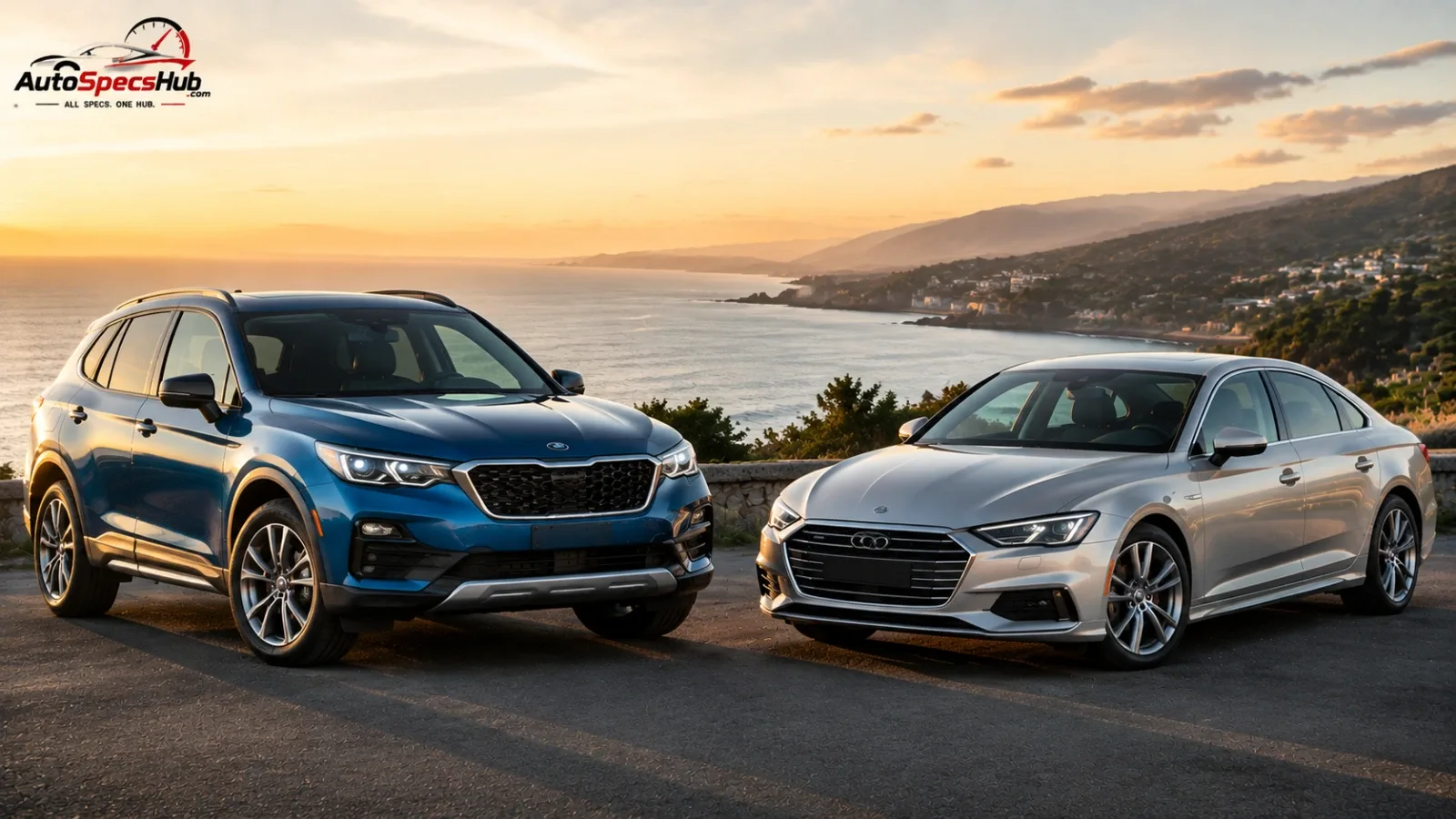
Choosing between an SUV and a sedan is no longer just about size or appearance. Today’s buyers are comparing fuel costs, reliability, maintenance expenses, comfort, safety, and long-term ownership value before deciding which type of vehicle makes the most sense.
SUVs have become increasingly popular because they offer more interior space, flexible cargo capacity, higher seating positions, and greater versatility for families and active lifestyles. Sedans, however, continue to provide important advantages, including better fuel efficiency, lower purchase prices, easier handling, and reduced ownership costs.
When comparing SUV vs Sedan, there is no single choice that works best for everyone. A reliable sedan can provide decades of dependable service, while a well-built SUV can offer excellent long-term value when properly maintained.
From an ownership perspective, reliability depends less on whether a vehicle is an SUV or sedan and more on factors such as engineering quality, engine durability, maintenance history, driving conditions, and previous ownership.
This guide compares SUVs and sedans based on reliability, ownership costs, practicality, comfort, safety, and everyday usability to help you choose the right vehicle for your needs.
Quick Answer
SUVs are better for buyers who need more space, cargo flexibility, and a higher driving position. Sedans are better for drivers who want lower purchase costs, better fuel economy, and easier handling. Neither body style is automatically more reliable because long-term dependability depends on the specific vehicle, maintenance history, and how it is used.
Key Takeaways
SUVs provide more space, versatility, and family-friendly practicality.
Sedans usually offer better fuel economy and lower ownership costs.
Reliability depends more on the vehicle model and maintenance history than body style.
The best choice depends on your lifestyle, budget, and driving requirements.
SUV vs Sedan: Key Differences
The main difference between an SUV and a sedan is how each vehicle balances practicality, efficiency, and driving experience.
Category | SUV | Sedan |
|---|---|---|
Interior space | More passenger room and flexible cargo capacity | Comfortable seating but limited cargo area |
Driving position | Higher seating position with better visibility | Lower seating position with a more connected driving feel |
Purchase price | Usually higher due to size and added capability | Often more affordable to buy |
Fuel economy | Usually lower because of greater weight | Usually better due to lighter construction |
Maintenance costs | Can be higher because of larger components | Generally lower running costs |
Practicality | Better for families, cargo, and active lifestyles | Better for commuters and efficiency-focused drivers |
Modern SUVs have changed significantly compared with older generations. Many compact SUVs now share platforms, engines, and technology with sedans, which means the reliability difference between the two categories is smaller than it used to be.
However, SUVs still have certain ownership differences. Larger tires, heavier suspension components, and additional drivetrain systems can increase repair and maintenance expenses, especially on larger models.
SUV vs Sedan Reliability: Which One Lasts Longer?
One of the most common questions buyers ask is whether SUVs are more reliable than sedans. The answer depends on the individual vehicle rather than the body style itself.
A dependable SUV and a dependable sedan can both deliver many years of ownership when properly maintained. The factors that have the biggest impact on reliability include:
Engine and transmission design
Manufacturer reputation
Regular maintenance
Driving conditions
Previous ownership history
Quality of repairs
For example, SUVs such as the Toyota RAV4, Honda CR-V, and Lexus GX have developed strong reliability reputations because of proven engineering and durable powertrains. Similarly, sedans such as the Toyota Camry, Honda Accord, and Lexus ES are known for long-term dependability because of their efficient designs and lower operating demands.
A well-maintained Toyota Camry can easily outlast a neglected SUV, while a properly serviced Toyota RAV4 may provide more reliable ownership than many larger vehicles. The deciding factor is usually not SUV versus sedan, but the quality of the vehicle and how well it has been cared for.
The idea that SUVs are automatically less reliable is outdated. Many modern SUVs use the same engines and mechanical systems found in passenger cars. However, larger SUVs may include additional components that can increase repair costs, such as:
Larger tires
More complex suspension systems
Four-wheel-drive components
Towing equipment
Advanced off-road features
Vehicle complexity also matters. A modern SUV with advanced suspension, additional electronics, and drivetrain technology may require more expensive repairs compared with a simpler sedan.
For long-term ownership, the most reliable choice is the vehicle that matches your driving needs and receives consistent maintenance.
SUV vs Sedan Maintenance Costs
Maintenance expenses are one of the biggest factors that separate SUVs and sedans. The purchase price is only the beginning of ownership costs. Fuel, servicing, tires, repairs, and insurance all contribute to the total cost of owning a vehicle.
In general, sedans tend to have lower maintenance costs because they are lighter, smaller, and designed with efficiency in mind.
Common sedan ownership advantages include:
Smaller and less expensive tires
Lower fuel consumption
Reduced brake and suspension wear
Lower routine maintenance expenses
More affordable replacement parts
SUVs can cost more to maintain because their size and capability often require larger and more expensive components.
Potential SUV ownership costs include:
Higher tire replacement costs
Increased fuel usage
Additional drivetrain maintenance
More expensive suspension repairs
Higher repair costs on advanced systems
However, the specific vehicle matters more than the category. A reliable compact SUV may cost less to own than a luxury sedan with expensive repairs.
For example, a commuter driving 15,000 miles per year may save significantly on fuel and maintenance with a reliable sedan. A family that regularly carries passengers, luggage, and equipment may find an SUV provides better overall value despite slightly higher running costs.
SUV vs Sedan Fuel Economy and Running Cost
Fuel economy is one of the biggest differences between SUVs and sedans. For many buyers, the decision comes down to whether they value maximum efficiency or additional practicality.
Sedans usually have an advantage because they are:
Lighter than most SUVs
Lower to the ground
More aerodynamic
Designed primarily for road efficiency
These factors help sedans achieve better fuel economy, especially during daily commuting and highway driving.
SUVs generally consume more fuel because they often have:
Larger bodies
Heavier construction
Higher driving positions
Larger engines or additional drivetrain components
However, the difference between SUVs and sedans has become smaller with modern technology. Hybrid SUVs, efficient turbocharged engines, and improved transmissions have allowed many SUVs to achieve fuel economy numbers that were once only common in smaller vehicles.
For example, a compact hybrid SUV may provide excellent efficiency while offering significantly more space than a traditional sedan. On the other hand, a sedan is still usually the better option for drivers who want the lowest possible fuel costs.
The right choice depends on your priorities. If you mainly commute, drive long distances, and do not need extra cargo space, a sedan may provide better value. If you regularly carry passengers, equipment, or luggage, the additional practicality of an SUV may justify the extra fuel expense.
SUV vs Sedan Comfort and Driving Experience
Comfort is another important factor when choosing between an SUV and sedan. Both vehicle types can provide a comfortable ride, but they offer different driving experiences.
SUVs are popular because of their higher seating position. Many drivers prefer the elevated view because it provides better visibility and makes entering and exiting the vehicle easier.
Common SUV comfort advantages include:
Easier access for passengers
Better visibility in traffic
More flexible interior space
Greater cargo capacity
More confidence on rough roads
These advantages make SUVs especially appealing to families, older drivers, and people who frequently carry passengers.
Sedans provide a different type of comfort. Their lower center of gravity often improves handling, stability, and overall driving feel.
Sedan advantages include:
More responsive handling
Better cornering ability
Easier maneuverability in cities
Lower driving position
More connected road feel
Many drivers still prefer sedans because they feel more refined and enjoyable on highways. The lower body design often provides better aerodynamics and a smoother driving experience.
The better option depends on personal preference. Drivers who value visibility and flexibility may prefer an SUV, while those who enjoy efficient and controlled driving may prefer a sedan.
SUV vs Sedan Safety: What Actually Matters When Choosing?
Safety is often one of the most important considerations for car buyers. However, choosing between an SUV and sedan based only on size can be misleading.
A vehicle’s safety depends on several factors, including:
Crash protection design
Safety ratings
Driver assistance technology
Vehicle structure
Tire quality
Driver behavior
SUVs can provide some advantages because of their larger size and higher seating position. Many drivers feel more confident because they have a better view of surrounding traffic.
However, sedans also offer strong safety benefits. Their lower center of gravity can improve handling stability, and many modern sedans include the same advanced safety technology available in SUVs.
Important safety features to consider include:
Automatic emergency braking
Adaptive cruise control
Lane-keeping assistance
Blind-spot monitoring
Rear cross-traffic alert
Instead of assuming one body style is always safer, buyers should research the specific vehicle’s crash ratings and available safety equipment.
SUV vs Sedan for Families and Different Lifestyles
The best vehicle choice depends heavily on how you use your vehicle every day.
When an SUV Makes More Sense
An SUV is usually the better choice if you:
Need more passenger space
Regularly carry children or multiple passengers
Use child safety seats
Transport sports equipment or outdoor gear
Take frequent road trips
Need flexible cargo space
Prefer easier loading and unloading
For many families, the extra room of an SUV becomes valuable over time. Everyday activities such as grocery shopping, vacations, and transporting larger items become easier with additional cargo capacity.
When a Sedan Makes More Sense
A sedan may be the better choice if you:
Mostly drive alone or with one passenger
Have a city commute
Want lower ownership costs
Prioritize fuel efficiency
Prefer easier parking
Enjoy a traditional driving experience
For many urban drivers, a sedan provides everything they need without paying extra for unused space.
SUV vs Sedan Insurance Costs
Insurance costs can vary significantly depending on the vehicle, driver profile, location, and coverage level. However, there are some general differences between SUVs and sedans.
SUVs may sometimes cost more to insure because:
Replacement parts can be more expensive
Larger vehicles may have higher repair costs
Advanced features can increase repair expenses
Sedans may sometimes have lower insurance costs because:
They are often less expensive to purchase
Repair costs can be lower
Replacement parts may be more affordable
However, insurance is not determined only by body style. A safe SUV with strong crash ratings may have lower insurance costs than a high-performance sedan.
Always compare insurance quotes for the specific models you are considering.
Who Should Buy an SUV?
An SUV is usually the better choice for buyers who need versatility and practicality.
Choose an SUV if you:
Need additional cargo space
Have a family
Frequently travel with passengers
Want a higher driving position
Drive on different road conditions
Need towing capability
Prefer one vehicle that can handle multiple purposes
SUVs are especially useful for buyers who want a vehicle capable of handling commuting, family responsibilities, road trips, and outdoor activities.
However, buyers should consider the higher potential costs of fuel, tires, and maintenance before making a decision.
Who Should Buy a Sedan?
A sedan is often the smarter choice for drivers who value efficiency and affordability.
Choose a sedan if you:
Want lower purchase and ownership costs
Drive mostly in cities
Prioritize fuel economy
Prefer easier handling
Do not need large cargo capacity
Enjoy a lower driving position
Sedans continue to provide excellent value because many offer strong reliability, comfortable interiors, and affordable ownership without paying for extra space.
Final Verdict: SUV or Sedan Which One Should You Buy?
The choice between an SUV and sedan depends on your lifestyle, budget, and driving habits.
An SUV is usually the better option for buyers who need space, flexibility, and family practicality. It provides advantages for people who regularly carry passengers, transport cargo, or want a more versatile vehicle.
A sedan is usually the better option for buyers who want lower running costs, better fuel economy, easier handling, and efficient daily transportation.
Neither vehicle type is automatically better. The best choice is the one that matches your actual needs and receives proper maintenance throughout ownership.
Before buying, consider:
How many passengers you usually carry
Your annual mileage
Fuel costs
Maintenance budget
Cargo requirements
Long-term ownership plans
A carefully chosen vehicle will provide better value than simply following market trends.
Frequently Asked Questions
Are SUVs more reliable than sedans?
SUVs are not automatically more reliable than sedans. Reliability depends on the specific model, engine, transmission, maintenance history, and previous ownership. A well-maintained sedan can easily outlast a poorly maintained SUV, while a dependable SUV can provide many years of reliable service.
Which is cheaper to maintain, an SUV or sedan?
Sedans are generally cheaper to maintain because they often have smaller tires, lower fuel consumption, and fewer expensive components. However, maintenance costs depend on the specific vehicle. A reliable compact SUV may cost less to own than a luxury sedan with expensive repairs.
Is a sedan better for daily driving?
A sedan can be an excellent choice for daily driving because it usually offers better fuel economy, easier handling, and lower ownership costs. Drivers who mainly commute and do not need extra cargo space may find a sedan more practical.
Are SUVs safer than sedans?
SUVs are not always safer than sedans. While SUVs often provide a higher seating position and larger size, safety depends on crash performance, vehicle design, tires, and available driver assistance systems.
Do SUVs cost more to insure than sedans?
SUVs can sometimes cost more to insure because of higher replacement costs and more expensive repairs. However, insurance rates depend on the specific model, safety ratings, driver history, location, and coverage choices.
Which lasts longer, SUVs or sedans?
Both SUVs and sedans can last for many years when properly maintained. Longevity depends more on vehicle quality, maintenance habits, driving conditions, and repair history than whether the vehicle is an SUV or sedan.
Should I buy an SUV or sedan?
Buy an SUV if you need space, flexibility, and family practicality. Choose a sedan if you want better efficiency, lower costs, and easier handling. The right choice depends on how you use your vehicle and what matters most during ownership.