
BMW Maintenance Cost Breakdown: What Owners Actually Spend on Repairs and Servicing
Discover the real BMW maintenance cost, including service expenses, common repairs, reliable engines, ownership tips, and what buyers should know before purchasing a BMW.
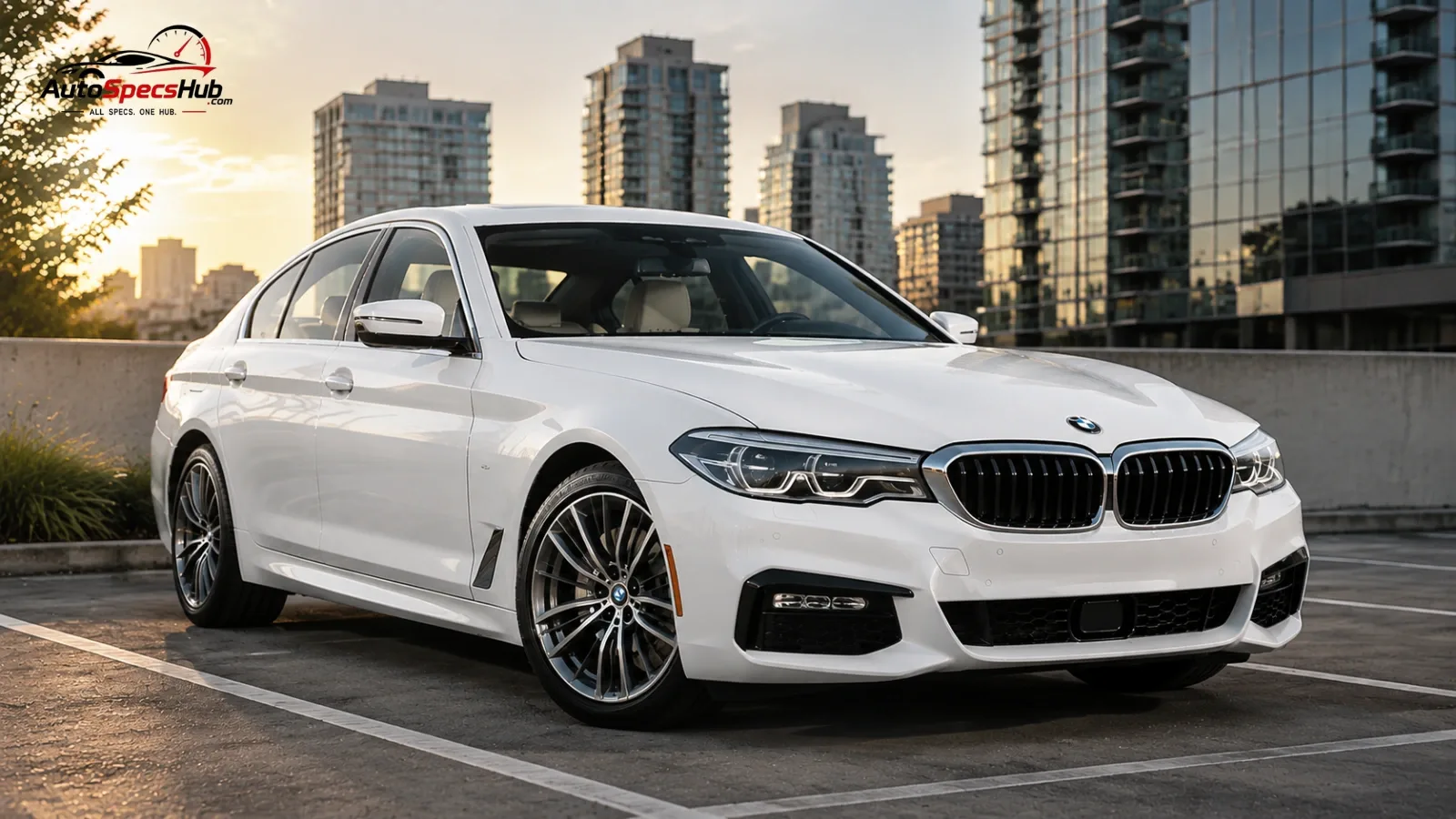
BMW has earned its reputation by combining luxury, performance, and engineering precision. Whether it is the sporty BMW 3 Series, the premium 5 Series, or a practical SUV like the BMW X3, these vehicles are built for drivers who want more than basic transportation. However, before buying a BMW, one question often comes up: how much does BMW maintenance cost over time?
The answer depends on more than the BMW badge. The model, engine, mileage, previous ownership, and maintenance history all play a major role in determining the real cost of ownership. A well-maintained BMW can deliver years of enjoyable and reliable driving, while a neglected example can quickly become expensive.
BMW maintenance costs are higher than many mainstream vehicles, but smart buyers can manage these expenses by choosing the right model and understanding common repair areas. This guide explains what BMW owners actually spend on servicing, repairs, and long-term ownership, along with which BMW models offer better value.
Quick Answer
BMW maintenance costs usually range between $500 and $1,500 per year, depending on the model, mileage, engine type, and maintenance history. Smaller models like the BMW 3 Series and X3 generally have lower ownership costs, while larger SUVs and performance models require a higher budget. A well-maintained BMW with complete service records can provide a reliable and rewarding ownership experience.
BMW Maintenance Cost: The Real Ownership Picture
The average BMW maintenance cost is higher than brands such as Toyota or Honda because BMW vehicles use premium components, advanced technology, and performance-focused engineering.
However, saying that all BMWs are expensive to maintain is not accurate. Ownership costs vary significantly depending on the model and how the vehicle has been cared for.
A BMW 3 Series with complete service records can be a relatively manageable luxury car to own. In comparison, an older BMW 7 Series with complex electronics and poor maintenance history can require a much larger repair budget.
The biggest factors that influence BMW ownership costs are:
The specific BMW model and engine
Vehicle age and mileage
Previous service history
Driving habits
Quality of repairs and servicing
The most important thing for buyers is understanding that maintenance history often matters more than mileage. A properly maintained BMW with 120,000 miles can sometimes be a better purchase than a neglected vehicle with only 70,000 miles.
How Much Does BMW Maintenance Cost Per Year?
BMW maintenance costs depend heavily on whether you own a newer vehicle, a used model, or a high-mileage BMW.
A newer BMW may mainly require scheduled servicing, while an older model may need additional repairs due to normal wear and aging components.
On average, BMW owners should expect routine maintenance costs of around $500 to $1,500 per year. This includes common expenses such as oil changes, inspections, fluids, and normal wear items. Older BMW models may require more depending on their condition.
Ownership Stage | Expected Maintenance Situation |
New BMW | Lower costs due to warranty coverage and fewer repairs |
50,000–100,000 miles | More maintenance as wear components begin aging |
100,000+ miles | Higher chance of repairs involving suspension, cooling, and electronics |
The biggest expenses usually come from unexpected repairs rather than regular servicing. This is why choosing a BMW with a documented maintenance history is so important.
BMW Maintenance Cost by Model
BMW offers everything from compact sedans to large luxury SUVs, and maintenance expenses can vary significantly between models.
A smaller BMW generally costs less to maintain because it uses smaller components, cheaper tires, and fewer complex systems compared with larger vehicles.
BMW Model | Maintenance Level | Ownership Overview |
BMW 3 Series | Lower | One of the most affordable BMW models due to availability of parts and simpler ownership |
BMW 5 Series | Moderate | More luxury features increase potential repair costs |
BMW X3 | Moderate | Practical SUV with manageable long-term expenses |
BMW X5 | Higher | Larger components and advanced systems increase costs |
BMW 7 Series | High | Complex luxury technology can make repairs expensive |
BMW M Models | High | Performance components require a larger maintenance budget |
For most buyers, the BMW 3 Series, X3, and carefully maintained 5 Series offer the best balance between driving enjoyment and ownership costs.
BMW Service Costs Explained
BMW Oil Change Cost
Oil changes are one of the most important parts of BMW maintenance. BMW engines require high-quality synthetic oil to protect internal components and maintain performance.
A typical BMW oil change can cost between $100 and $250, depending on the model and whether the service is completed at a dealership or an independent BMW specialist.
Regular oil changes are especially important for turbocharged BMW engines because proper lubrication helps reduce wear and supports long-term reliability.
Many expensive engine problems begin with neglected basic maintenance. Following the recommended service schedule is one of the easiest ways to control BMW ownership costs.
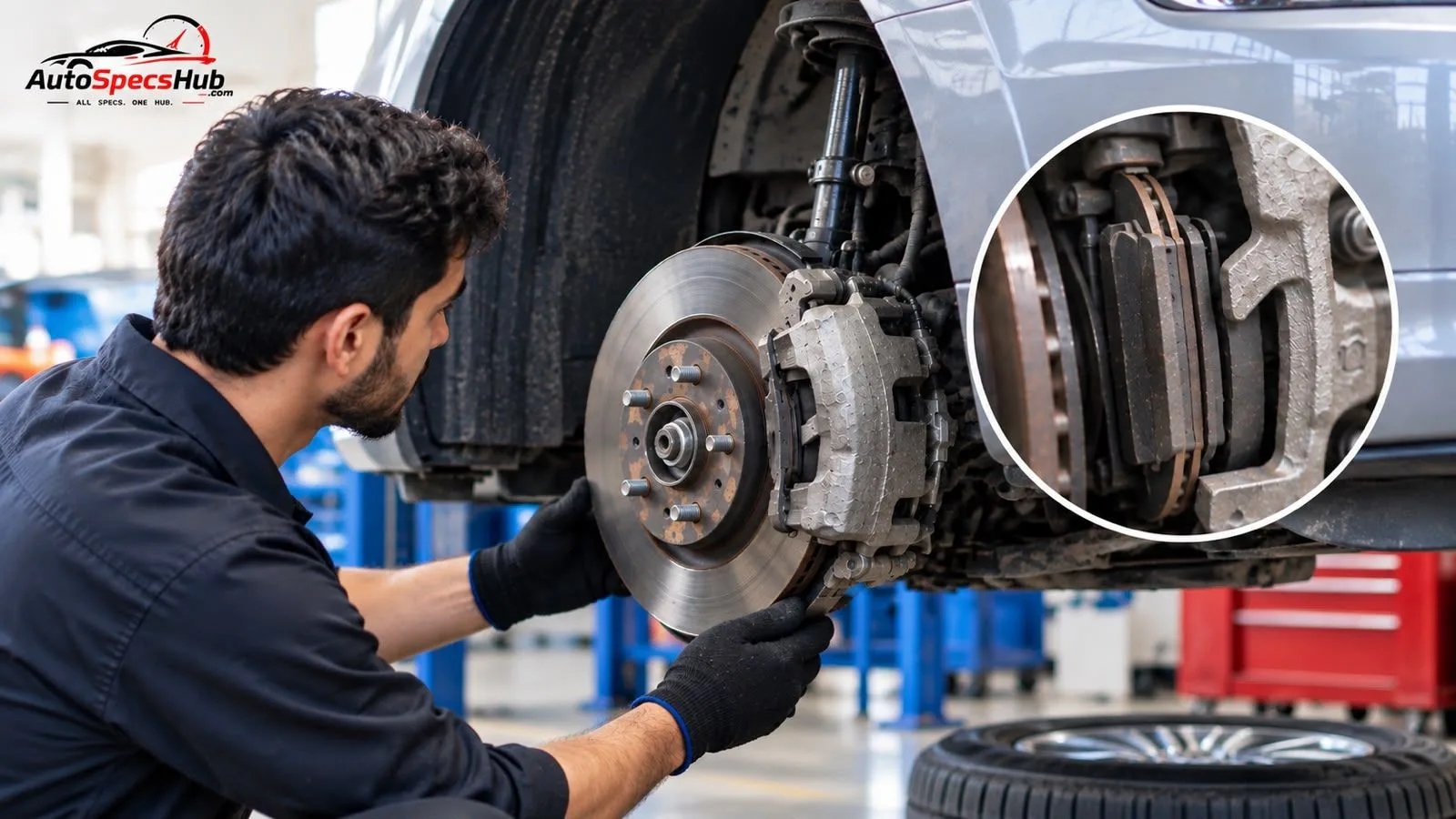
BMW Brake Replacement Cost
BMW vehicles are designed with performance in mind, and their braking systems are built to match that performance.
Brake replacement costs vary depending on the BMW model, driving style, and parts used. A BMW 3 Series will usually cost less to maintain than a larger X5 or a high-performance M model.
Owners should expect brake costs to increase with:
Larger vehicle size
Performance brake systems
More aggressive driving habits
Premium replacement parts
Brake maintenance is not a sign of poor reliability. It is simply part of owning a performance-oriented vehicle.
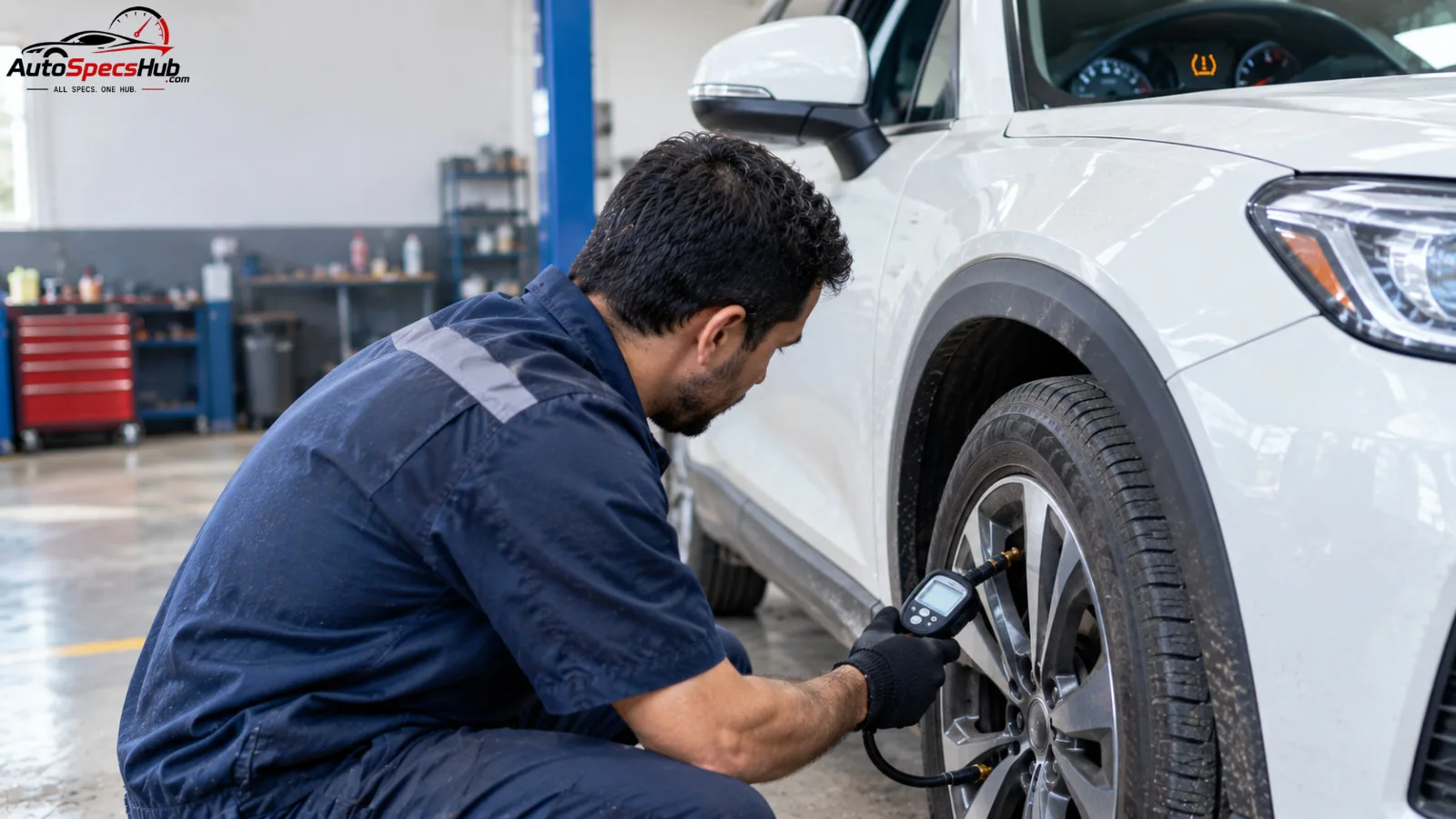
BMW Tire Replacement Cost
Tires are another major ownership expense that buyers often overlook.
Many BMW models use performance tires, larger wheels, or run-flat tires. These improve handling and safety but usually cost more than standard tires.
A complete set of BMW tires can easily cost over $1,000 depending on the model and tire choice.
Since tires directly affect BMW’s handling characteristics, choosing cheaper alternatives may reduce costs but can also affect the driving experience.
BMW Maintenance After 50,000 and 100,000 Miles
Mileage plays a major role in BMW ownership costs.
During the first 50,000 miles, most BMW vehicles mainly require routine servicing. If maintenance has been completed correctly, major repairs are less common.
Between 50,000 and 100,000 miles, owners may begin seeing normal wear-related expenses. Components such as brakes, batteries, suspension parts, and cooling system components may require attention.
After 100,000 miles, the condition of the vehicle becomes more important than the mileage number itself.
A high-mileage BMW may require repairs involving:
Cooling system components
Gaskets and seals
Suspension parts
Sensors
Electronic systems
A BMW with excellent maintenance records can continue performing well beyond 100,000 miles. The key is buying the right example and understanding its history.
Common BMW Repairs Owners Should Know About
BMW vehicles are built to deliver strong performance and a premium driving experience, but like any advanced vehicle, some components require attention as mileage increases. Understanding these common repair areas helps buyers prepare for the real cost of BMW ownership.
It is important to remember that these repairs do not mean BMW vehicles are unreliable. Many issues are related to age, mileage, and maintenance habits. A BMW that receives regular servicing is far less likely to develop major problems compared with a vehicle that has been neglected.
Cooling System Repairs
The cooling system is one of the most important areas BMW owners should monitor, especially on older models.
BMW engines operate at high temperatures, and components such as water pumps, thermostats, coolant hoses, and expansion tanks can wear over time. If cooling problems are ignored, they can lead to overheating and potentially serious engine damage.
Cooling system repairs can vary widely depending on the model, but owners should be prepared for costs that can range from several hundred dollars to over $1,500 in more complex cases.
Regular inspections and addressing small leaks early can prevent much larger repair bills.
Oil Leaks and Gasket Problems
Oil leaks are another common concern, particularly on older BMW models.
Over time, heat cycles and engine stress can cause seals and gaskets to deteriorate. Common areas where leaks may develop include valve cover gaskets and oil filter housing gaskets.
These repairs are usually manageable when detected early, but ignoring oil leaks can lead to low oil levels and additional engine problems.
Suspension and Steering Repairs
BMW is known for excellent handling, but the same suspension components that create a sporty driving experience will eventually wear.
As mileage increases, owners may need to replace parts such as control arms, bushings, shocks, and struts.
Suspension repairs are especially common for vehicles driven on rough roads or with higher mileage. Maintaining the suspension system helps preserve the comfort and precise handling BMW owners expect.
Electronics and Technology Repairs
Modern BMW models include advanced electronics that improve safety, comfort, and convenience.
Features such as driver assistance systems, digital displays, sensors, and infotainment technology make BMW vehicles more sophisticated, but they also create additional repair possibilities as the vehicle ages.
Electrical problems can sometimes be expensive because diagnosis requires BMW-specific equipment and trained technicians.
BMW Engine Reliability: Which Engines Are Better?
When discussing BMW maintenance costs, the engine choice is one of the most important factors. Different BMW engines have different reliability records, and buyers should research the specific engine rather than only focusing on the model name.
BMW B48 Engine
The B48 is a turbocharged four-cylinder engine used in many newer BMW models, including versions of the 3 Series, X3, and other compact vehicles.
It has become popular among owners because it offers a strong balance between performance, efficiency, and ownership costs. Compared with some older BMW four-cylinder engines, the B48 benefits from improved design and fewer widespread reliability concerns.
For buyers who want a BMW that is practical for daily driving, the B48 can be an excellent choice. It provides enough performance while generally keeping running costs more reasonable than larger engines.
However, like any BMW engine, it still depends on proper maintenance. Regular oil changes, cooling systems, and time check repairs are essential for long-term reliability.
BMW B58 Engine
The B58 six-cylinder engine is one of BMW’s most respected modern engines.
Known for its smooth power delivery, strong performance, and durability, the B58 has gained a positive reputation among BMW enthusiasts and owners.
It is found in various BMW models, including higher-performance versions of the 3 Series, 5 Series, and SUVs.
For buyers who want stronger performance without choosing an older high-risk engine, the B58 is often considered one of the better BMW engine options.
The engine still requires proper servicing, but its reputation makes it attractive for long-term BMW ownership.
Older BMW Engines Require More Research
Older BMW models can still be excellent vehicles, but buyers need to research the specific engine generation before purchasing.
Some older engines have received attention for issues related to:
Timing components
Cooling systems
Oil leaks
Aging plastic components
This does not mean every older BMW should be avoided. Many examples continue to provide excellent service today. The difference comes down to maintenance history, previous repairs, and whether known issues were properly addressed.
BMW Models That Need Extra Research Before Buying
Some BMW models offer excellent ownership experiences, while others require a larger maintenance budget due to their complexity.
Older BMW 7 Series
The BMW 7 Series provides exceptional luxury, comfort, and technology. However, those advanced features can become expensive when repairs are required.
Complex electronics, premium suspension systems, and additional comfort features mean owners should be prepared for higher repair costs.
A used 7 Series can be a great value purchase, but it is best suited for buyers who understand the potential ownership expenses.
BMW M Models
BMW M vehicles deliver outstanding performance, but performance comes with additional costs.
Specialized engines, brakes, tires, and suspension components increase maintenance requirements.
These models are designed for enthusiasts who value performance, not necessarily buyers looking for the lowest ownership costs.
Neglected Used BMWs
The biggest risk when buying a used BMW is not always the model itself. It is buying a vehicle with poor maintenance history.
A BMW that has missed regular servicing may hide expensive problems that appear shortly after purchase.
A complete service record is often more valuable than a lower purchase price.
Things to Check Before Buying a Used BMW
A used BMW can be an excellent purchase when chosen carefully. The key is understanding what to inspect before making a decision.
Before buying, focus on:
Complete maintenance records
Previous repair invoices
Accident history
Engine and transmission condition
Cooling system condition
Suspension performance
Warning lights and electronic issues
A pre-purchase inspection from a BMW specialist can identify problems that are difficult to notice during a normal test drive.
The best used BMW purchase is usually not the cheapest one. It is the one that has been properly maintained.
BMW Maintenance Cost Compared With Mercedes, Audi, and Volvo
BMW competes with other premium manufacturers such as Mercedes-Benz, Audi, and Volvo. All of these brands offer advanced technology and luxury features, which means ownership costs are naturally higher compared with mainstream vehicles.
Brand | General Maintenance Experience |
BMW | Higher costs due to performance engineering and premium components |
Mercedes-Benz | Similar luxury maintenance costs, especially on larger vehicles |
Audi | Comparable costs due to advanced electronics and turbocharged engines |
Volvo | Moderate to high costs depending on model and age |
BMW and Mercedes maintenance costs are often very similar. The final expense depends more on the specific model rather than the brand.
For example, a BMW 3 Series may cost less to maintain than a Mercedes luxury SUV, while a BMW X5 may have similar expenses to other premium SUVs.
The smartest comparison is always model versus model.
How to Reduce BMW Ownership Costs
BMW maintenance costs can be controlled with the right ownership approach.
The goal is not to avoid maintenance but to prevent expensive failures.
Owners can reduce long-term expenses by:
Following the recommended service schedule
Choosing a reliable BMW specialist
Fixing small problems early
Keeping detailed maintenance records
Buying models with strong reliability histories
Preventive maintenance is usually much cheaper than repairing major failures after problems develop.
Frequently Asked Questions
Are BMWs expensive to maintain?
BMWs generally cost more to maintain than mainstream vehicles because they use premium parts, advanced technology, and specialized repair procedures. However, the right model and proper maintenance can make ownership manageable.
How much should I budget for BMW repairs each year?
Besides routine maintenance, owners should keep a repair budget because older BMW models may require unexpected repairs. A realistic reserve helps avoid financial surprises.
Which BMW engine is the most reliable?
The B58 engine has developed a strong reputation among modern BMW engines, while the B48 is also considered a good option for buyers looking for efficiency and reasonable running costs.
Is BMW reliable after 100,000 miles?
A BMW can remain reliable after 100,000 miles if it has been maintained properly. Service history is usually more important than mileage alone.
Which BMW is cheapest to maintain?
The BMW 3 Series and BMW X3 are often better choices for buyers looking for lower ownership costs compared with larger luxury models.
Final Verdict: Is BMW Maintenance Cost Worth It?
BMW maintenance costs are higher than average, but the ownership experience depends on choosing the right vehicle.
For most buyers, a BMW 3 Series, BMW X3, or carefully maintained 5 Series provides the best balance between driving enjoyment, luxury, and manageable ownership costs.
The biggest mistake is buying a BMW only because it appears affordable. A low purchase price can quickly become expensive if the vehicle has poor maintenance history.
A well-maintained BMW with the right engine and proper servicing can be a rewarding long-term vehicle. For drivers who value performance, comfort, and engineering quality, the maintenance cost can be a reasonable trade-off.