
LED vs HID Headlights: Which Is Better for Your Car?
LED vs HID Headlights: Which is better for your car? Compare brightness, efficiency, lifespan, startup time, beam quality, installation, and overall performance to understand which lighting technology suits your vehicle.
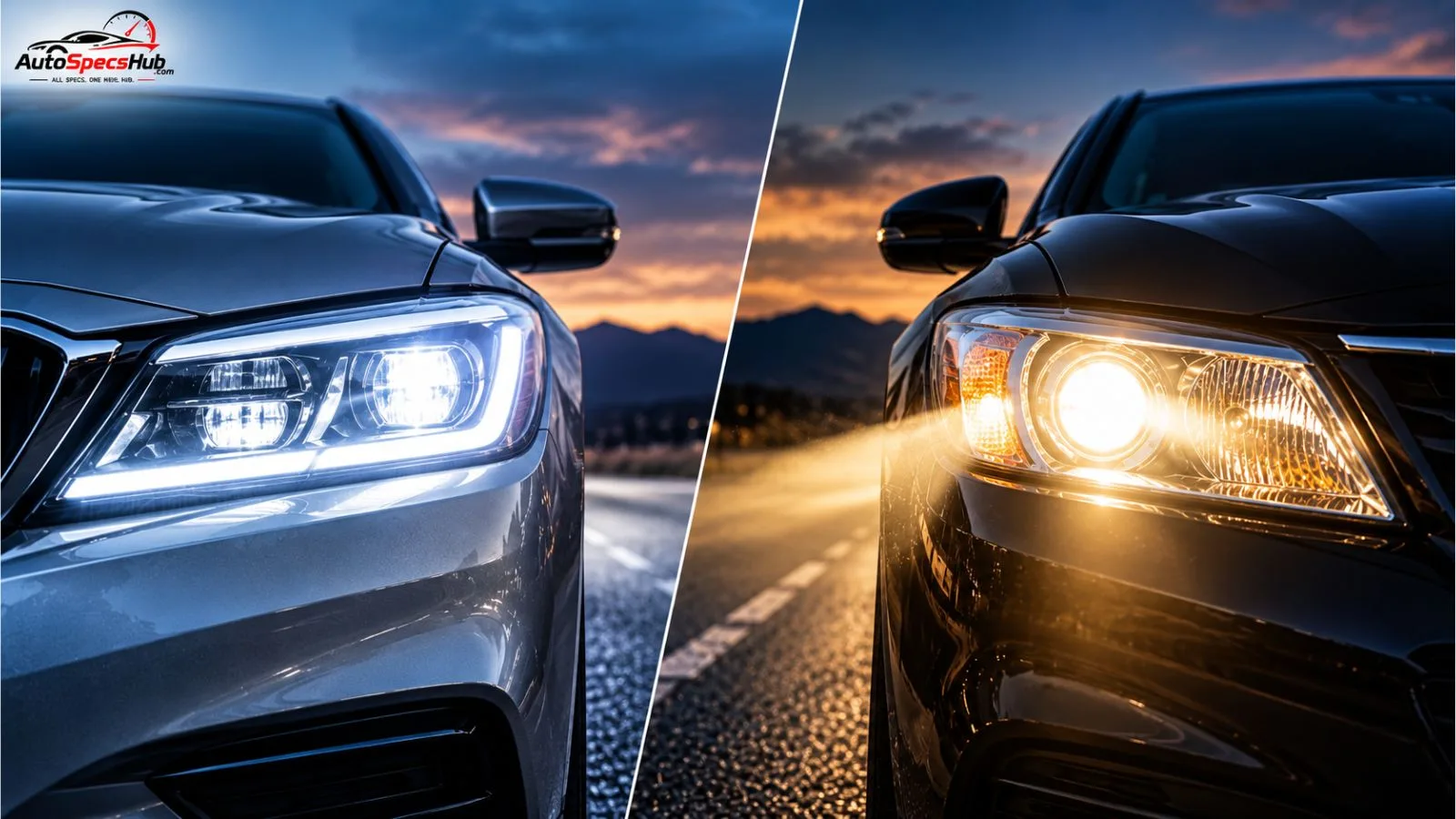
Headlights play an important role in nighttime driving, helping you see the road, recognize hazards, and remain visible to other drivers. For many years, HID headlights were considered a major improvement over traditional halogen lighting. Today, LED headlights are increasingly common, especially on newer vehicles, and they have become a popular choice for both manufacturers and drivers.
That makes the LED vs HID Headlights comparison useful for anyone considering a replacement or upgrade. Although both technologies can provide strong illumination, they work in very different ways. They also differ in startup time, energy consumption, lifespan, heat management, installation, maintenance, and overall design. Understanding those differences can help you choose a lighting system that works properly with your vehicle instead of simply choosing the bulb that appears brightest.
What Are LED Headlights?
LED stands for light-emitting diode. Unlike traditional halogen bulbs, LEDs do not rely on a heated filament to create light. Instead, electrical current passes through semiconductor material, producing illumination.
Automotive LED headlights can use multiple LED chips arranged within a bulb or integrated directly into the headlight assembly. Modern factory LED systems may also include specialized optics, electronic controls, and thermal-management components.
One of the main advantages of LED lighting is its extremely fast response. LEDs can reach their operating brightness almost immediately when switched on. This makes them particularly suitable for modern vehicles where lighting functions may need to activate quickly.
LEDs are also known for their efficiency and potentially long service life. However, the performance of an LED headlight depends heavily on the design of the complete system. The LED itself is only one part of the equation. The headlight housing, reflector or projector, cooling system, electrical components, and beam alignment all influence how effectively the light reaches the road.
This is why installing a high-output LED bulb into a housing designed for another light source does not automatically guarantee better visibility.
What Are HID Headlights?
HID means High-Intensity Discharge. These headlights are sometimes called xenon headlights because xenon gas is commonly used inside the lamp.
Instead of using a filament, an HID bulb produces light through an electrical arc between electrodes. The system requires a ballast to provide and control the electrical power needed to operate the lamp.
HID headlights became particularly popular in premium vehicles because they could produce strong illumination while using less power than traditional halogen technology. They were widely used by automotive manufacturers before LED lighting became more widespread.
One noticeable difference is that HID headlights require a warm-up period. They do not normally reach their full operating brightness instantly. The light output develops after the system starts, and the color can also change slightly as the lamp reaches its operating temperature.
HID remains a capable lighting technology, particularly when it is part of a properly engineered factory headlight system. However, its additional components can make the system more complicated than many LED setups.
LED vs HID Headlights: What Is the Difference?
The main difference between LED and HID headlights is the technology used to create light. LED systems use semiconductor light sources, while HID systems create an electrical arc inside a gas-filled lamp.
That basic difference affects several aspects of performance and ownership.
Brightness and Light Output
Brightness is often the first thing people consider when comparing headlights, but it should not be the only factor.
HID headlights became popular partly because they could provide intense illumination compared with older halogen systems. Modern LEDs can also produce strong light output and are widely used in factory lighting systems.
However, advertised lumen figures do not tell the entire story. What matters on the road is how effectively the headlight converts its light output into a controlled beam.
The reflector or projector, lens, optical design, headlight position, and alignment all affect the amount of useful light reaching the road.
An extremely bright aftermarket bulb can actually create a worse driving experience if the housing cannot control its output correctly. It may produce scattered light or glare without providing a useful improvement in road visibility.
For that reason, a properly designed and aligned headlight is more important than simply choosing the product with the highest advertised brightness.
Startup Time
Startup time is one area where LED headlights have a clear advantage.
LEDs can reach their operating brightness almost immediately after power is supplied. HID systems require time to establish the electrical arc and reach normal operating conditions.
The difference may not be particularly noticeable during continuous nighttime driving, but it becomes more obvious when the lights are switched on and off frequently.
This quick response also makes LEDs suitable for modern lighting functions such as daytime running lights and other electronically controlled applications.
Lifespan
LED headlights generally have a longer potential service life than HID bulbs.
Because LEDs do not use the same type of electrode and arc system found in HID lamps, they can operate for a very long time when properly designed and cooled.
However, that does not mean every LED headlight will last indefinitely. Automotive LED assemblies contain electronic components, and heat can affect those components over time. Some vehicles use integrated LED headlight assemblies rather than replaceable bulbs, meaning a failure can potentially be more expensive to repair.
HID bulbs also have a useful operating life, but they generally require replacement sooner than quality LED systems.
When comparing the two, it is therefore important to consider the complete lighting assembly rather than looking only at the expected life of the light source.
Energy Efficiency
LEDs generally require less electrical power to produce their illumination than HID systems.
HID headlights require a ballast and other supporting electronics to operate the lamp. LED systems also require electronic control components, but the light source itself can operate efficiently.
For a conventional gasoline vehicle, the difference is unlikely to create a dramatic change in fuel consumption. However, lower electrical demand is still useful because modern vehicles already operate many electrical systems simultaneously.
Efficiency becomes even more relevant as manufacturers integrate increasingly sophisticated lighting and electronic features into vehicles.
Heat Management
LED headlights are sometimes described as producing little or no heat, but that is not entirely accurate. LEDs still generate heat, particularly around the semiconductor and electronic components.
Because excessive heat can affect LED performance and durability, modern systems may use heat sinks, fans, or other cooling methods.
HID systems also generate heat and require the headlight assembly to handle the operating temperature of the lamp.
This means thermal management is important with both technologies. A well-designed factory system will take heat management into account, while poorly designed aftermarket products may struggle to maintain consistent performance.
Why Beam Pattern Matters
When comparing LED vs HID Headlights, beam pattern is one of the most important factors to understand.
A headlight does not simply shine light directly forward. Its optical system is designed to control where the light goes.
Reflectors and projectors shape the beam so that drivers receive useful illumination while minimizing glare for oncoming traffic.
This becomes particularly important when replacing one lighting technology with another. An LED bulb designed for one optical arrangement may not produce the correct beam inside a housing designed for HID.
The same problem can occur with HID conversion kits installed into housings that were not designed for them.
A lighting system can therefore appear extremely bright while still providing poor usable illumination.
The best result comes from matching the light source to the headlight housing and ensuring the assembly is properly aligned.
LED vs HID Headlights for Night Driving
Both LED and HID headlights can provide excellent nighttime visibility when they are properly engineered.
LED systems offer instant illumination, efficient operation, and a long potential service life. These characteristics have made them increasingly common in modern vehicles.
HID systems can also provide strong illumination, particularly when paired with a well-designed projector system. Drivers who already have factory HID headlights may continue to get excellent performance without needing to change technologies.
Driving conditions should also influence what you consider important.
A driver who spends most of their time in well-lit urban areas may have different requirements from someone who regularly travels on dark rural roads. In either situation, proper headlight alignment is essential.
A misaligned headlight can reduce useful visibility regardless of whether it uses LED or HID technology.
Performance in Rain and Fog
Neither LED nor HID headlights automatically performs better in every type of weather.
Rain, fog, snow, and airborne moisture can scatter light and reduce visibility. Excessive brightness can sometimes create additional reflected glare, particularly when the beam is poorly controlled.
The color and beam characteristics of the lighting system can influence how the road appears, but the overall design remains more important than simply choosing LED or HID.
A properly aimed headlight with a controlled beam can provide better real-world visibility than a brighter but poorly designed system.
Drivers should also keep the lenses clean and replace damaged or severely clouded headlight covers when necessary.
Installation and Compatibility
Installation requirements can vary significantly between LED and HID systems.
A factory LED headlight is normally engineered as a complete unit, including the light source, electronics, optics, and cooling system. Some vehicles use LED modules that are integrated directly into the headlight assembly.
Aftermarket LED bulbs can sometimes be installed as replacements, but compatibility should be checked carefully. Some vehicles may require additional electronic components to prevent flickering, warning messages, or other issues.
HID systems require additional components such as ballasts, which can make installation more involved.
Before changing the lighting technology on a vehicle, determine what type of headlight system it originally uses and whether the replacement is designed for that specific housing.
If you're also evaluating a vehicle before purchase, a used car checklist can help you examine important areas such as lighting, electronics, tires, brakes, and general condition rather than focusing on appearance alone.
Maintenance and Replacement Costs
The cost of owning a headlight system depends heavily on the vehicle and how it is designed.
LED systems may require less frequent light-source replacement, but some modern vehicles use complete LED assemblies. If an integrated component fails, replacing the entire assembly can be expensive.
HID systems can require replacement bulbs as they age. Ballasts and other components can also eventually develop faults.
For this reason, drivers should consider both short-term and long-term costs before choosing an aftermarket lighting system.
If you're buying a used vehicle, check whether the headlights are original, whether both sides have matching light color and output, and whether there are signs of moisture inside the housings.
LED vs HID Headlights: Pros and Cons
LED Headlights
Pros:
Instant illumination
Efficient electrical operation
Long potential service life
Compact design
Common in modern vehicles
Suitable for advanced lighting systems
Cons:
Quality varies between products
Heat management is important
Integrated assemblies can be expensive
Poor conversions can produce excessive glare
HID Headlights
Pros:
Strong illumination
Proven automotive technology
Good performance with suitable projectors
Widely used in premium vehicles
Strong long-distance lighting potential
Cons:
Requires warm-up time
Uses additional components such as a ballast
Bulbs eventually require replacement
Conversion kits can create compatibility problems
Poorly matched systems can produce glare
Which One Should You Choose?
For many drivers considering a modern lighting system, LED headlights are the more practical choice. Their immediate startup, efficiency, long potential service life, and compatibility with modern vehicle electronics make them attractive for everyday use.
However, that does not mean HID headlights are outdated or ineffective. A properly engineered factory HID system can provide excellent illumination and may be preferable to a low-quality aftermarket LED conversion.
The most important consideration is therefore not simply whether a headlight uses LED or HID technology. You should consider the complete system, including the housing, optics, beam pattern, electrical compatibility, thermal management, and alignment.
If your existing factory HID system works correctly, replacing it purely for the sake of changing technology may not provide a meaningful improvement. If the system needs replacement, compare compatible options rather than choosing based only on advertised brightness.
How to Improve Headlight Performance
Regardless of the technology your vehicle uses, basic maintenance can make a noticeable difference.
Keep the headlight lenses clean and address oxidation or severe clouding when necessary. Check that both headlights are functioning correctly and producing a consistent beam.
Headlight alignment is equally important. If the beam points too high, other drivers may experience glare. If it points too low, nighttime visibility can be reduced.
Avoid extremely cheap conversion kits that make exaggerated brightness claims without providing information about beam control, compatibility, or thermal management.
For drivers researching a particular vehicle, checking its specifications can also help clarify which factory lighting technology and equipment are associated with different trims. You can check detailed car specifications to better understand the vehicle you're considering.
Frequently Asked Questions
Are LED headlights brighter than HID headlights?
Not necessarily. Both technologies can produce strong illumination, but real-world visibility depends on the complete headlight design, optical system, beam pattern, and alignment.
Do LED headlights last longer than HID headlights?
Quality LED systems generally have a longer potential service life than HID bulbs. However, the durability of an LED system also depends on its electronics and thermal management.
Are HID headlights still good?
Yes. A properly engineered factory HID system can provide excellent nighttime visibility. The fact that LED technology is newer does not mean HID systems are ineffective.
Can HID headlights be replaced with LED?
It depends on the vehicle and headlight assembly. An LED bulb is not automatically a suitable replacement for every HID system. Compatibility and beam pattern should be checked before making a conversion.
Which is better for night driving, LED or HID?
Both can work well when properly designed and aimed. LEDs offer instant startup and efficiency, while HID systems can provide strong illumination. The quality of the complete headlight system is more important than the technology name alone.
Final Thoughts
The LED vs HID Headlights comparison comes down to more than brightness. Both technologies can provide effective nighttime illumination, but they differ in how they create light, how quickly they reach full output, how much electrical power they use, and how they are integrated into a vehicle.
LED headlights have become increasingly popular because they offer instant illumination, efficient operation, and a long potential service life. HID headlights remain capable, especially when they are part of a factory-designed system with properly matched optics.
For most drivers looking for a modern lighting solution, LED offers a practical combination of efficiency, convenience, and durability. Still, the best choice depends on the vehicle, headlight housing, compatibility, and intended use.
Ultimately, the goal should not be to choose the brightest possible headlight. It should be to choose a properly designed, correctly aimed lighting system that gives you clear road visibility while minimizing glare for other road users.