
Nissan Cefiro: What Should You Check Before Buying One?
Thinking about buying a Nissan Cefiro? Learn what to check before you buy, including the engine, transmission, body condition, suspension, interior, service history, and overall condition.
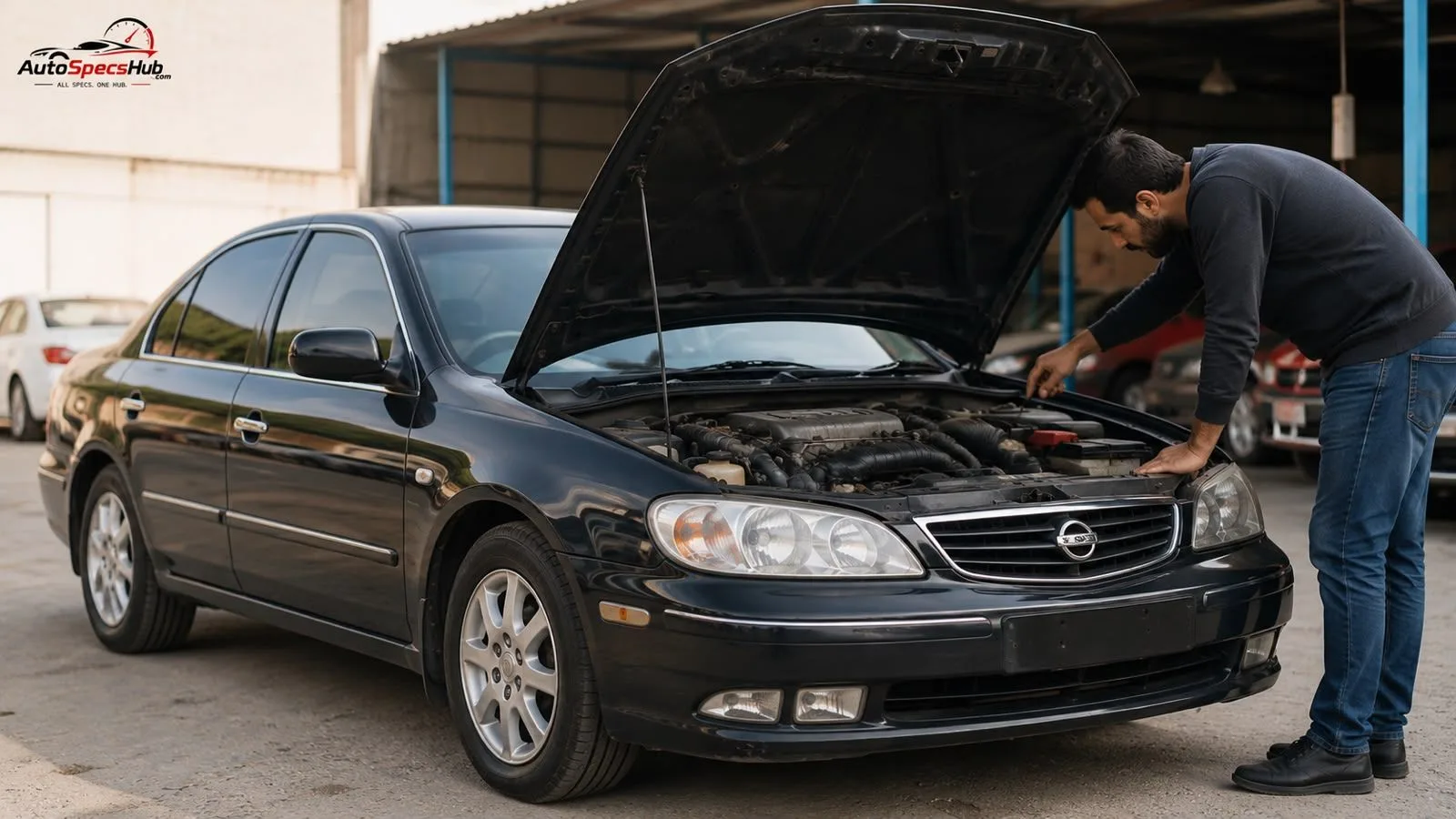
A Nissan Cefiro can be a genuinely nice older Japanese sedan to own — comfortable, well-mannered on the road, and with more character than most of what replaced it. The catch is that every Cefiro left on the market today is old enough that condition swings wildly from car to car. One example might run for years without drama; the one parked next to it could need a new gearbox within a month.
So don't buy on the asking price alone. Walk the car, drive it, and dig into its history before you commit. Here's what actually matters.
Check the Overall Condition First
Start with a walk-around before you even open the hood. A cared-for car usually looks it, though a clean, shiny example can still be hiding mechanical problems, so don't stop here.
Look for differences in paint color between panels, uneven gaps, dents, or rough repair work — these can point to previous accident damage. Check that the doors, hood, trunk, and bumpers open, close, and line up properly.
Get underneath the car too. Fresh undercoating, oily residue, or an area that's suspiciously clean can be hiding a leak or an old repair.
Tire wear is worth a look as well. Uneven wear can mean alignment problems or worn suspension parts, something to dig into further before you decide.
Inspect the Engine Carefully
The engine deserves the most attention of anything on this list. Check for oil or coolant leaks around the bay, and look closely at hoses, seals, belts, and connections for wear.
If you can, inspect the car cold. A cold start reveals things a warmed-up engine can hide.
Pay attention to how it starts and idles. It should settle into a smooth idle, no heavy vibration, knocking, rattling, or smoke hanging around the exhaust.
On the test drive, accelerate and see how it responds. Hesitation, misfires, strange noises, or a flat feeling under power are all worth walking away from, or at least negotiating hard over.
Check the oil too. Dirty oil, a wrong level, or anything that looks contaminated says a lot about how the car's been maintained. Ask when it was last changed, and ask for records if they exist.
Check for Cooling System Problems
Cooling systems on older cars deserve real attention. Overheating can wreck an engine fast, so don't treat a temperature issue as minor.
Check the coolant level and look for leaks around the radiator, hoses, and water pump. The coolant itself should look reasonably clean, not murky.
Watch the temperature gauge on the test drive. If it climbs out of the normal range, have a mechanic look at the car before you go any further.
It's worth asking whether the radiator, thermostat, water pump, or hoses have been replaced. On a car this age, they're either already done or due.
Pay Close Attention to the Transmission
Transmission repairs get expensive fast on an older car, so this is another area worth slowing down for.
With the engine running, shift through the gears and feel how the transmission engages. There shouldn't be a long delay, harsh engagement, grinding, or odd noises.
On the drive, accelerate gently, then firmly, and see how it responds. Slipping, hesitation, unexpected shifts, or anything that feels off is worth noting.
For an automatic, ask about the service history and whether the fluid's been changed on schedule. For a manual, check the clutch for slipping and make sure the gear changes feel clean.
If something feels wrong, our transmission problems and common symptoms guide covers rough shifting, slipping, and other warning signs in more depth.
Inspect the Suspension and Steering
A Cefiro should feel stable and planted on the road. If it feels loose, bouncy, or unsettled, the suspension needs a look.
Drive over a mix of surfaces and listen for knocking, clunking, or squeaking. Notice how it handles bumps: does it settle quickly, or keep bouncing?
Check the steering too. Excessive play, resistance, vibration, or pulling to one side all point to steering or suspension wear.
Uneven tire wear, especially on the inner or outer edges, can mean alignment issues, worn suspension parts, or just the wrong tire pressure.
Some wear here is normal for a car this age. The goal is knowing what needs replacing and pricing that into your offer.
Look Carefully for Rust and Body Damage
Rust matters more here than almost anything else on this list. A car can look great from ten feet away and still be rotting underneath.
Check the wheel arches, door edges, trunk floor, chassis rails, and anywhere moisture tends to sit.
Surface rust alone isn't a dealbreaker. Structural corrosion is a different story: if you find much of that underneath, get a professional to look before you go further.
Watch for signs of past bodywork too. Mismatched paint texture, overspray, or panels that don't quite line up usually mean an accident repair somewhere in the car's past. You just want to know what happened and how well it was fixed.
Check the Brakes and Tires
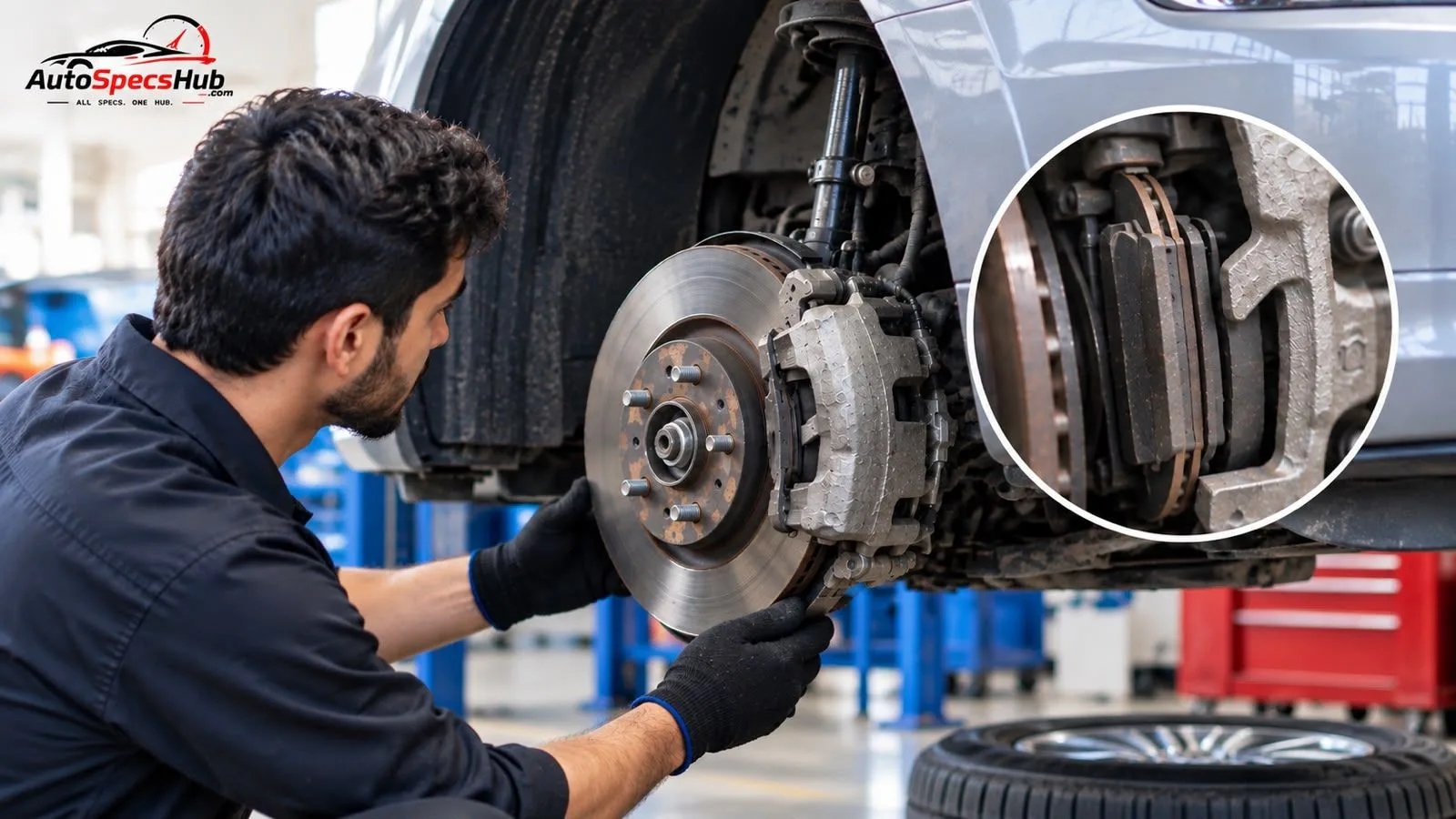
Brakes aren't optional to check.
On the test drive, make a few firm stops and pay attention to the pedal. The car should slow evenly without pulling to one side.
Listen for grinding or squealing, and watch for vibration under braking.
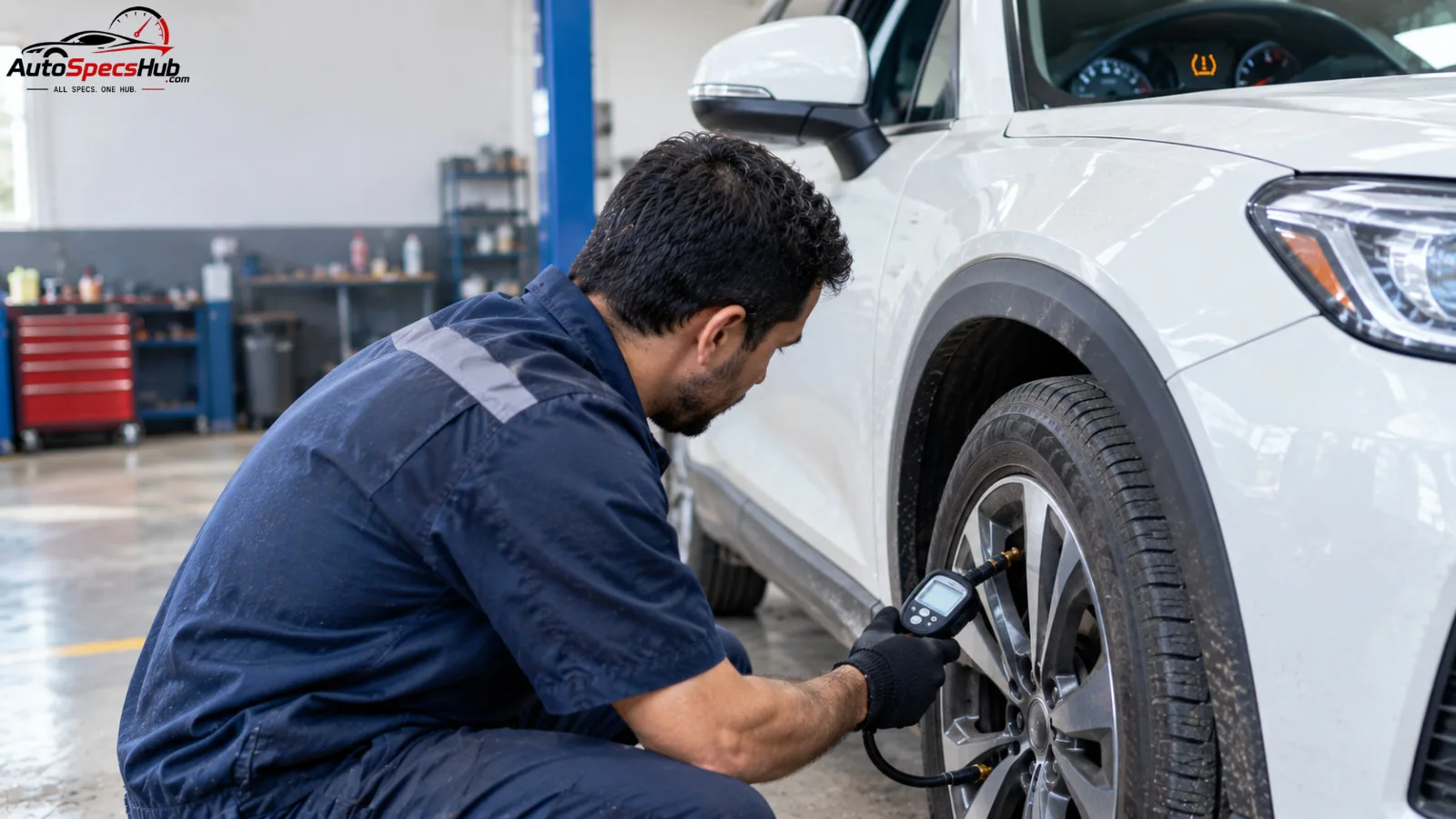
Check tread depth, cracking, and tire age. Old rubber can be a problem even with plenty of tread left. Don't forget the spare, jack, and any tools that are supposed to come with the car.
Test the Interior and Electrical Equipment
Electrical gremlins are common on cars this old, and they're not always obvious from a quick look.
Test everything: headlights, indicators, brake lights, interior lights, windows, central locking, mirrors, air conditioning, heater, stereo, gauges, whatever the car came with.
Make sure no warning lights stay on after startup. If one does, find out why before you buy.
Check the seats, dash, door panels, carpets, and headliner. Wear here might just be age, or it might tell you how hard the car's actually been used. Either way, replacing interior trim adds up fast if originality matters to you.
Check the Service and Ownership History
A Cefiro's paperwork tells you as much as the car itself.
Ask for maintenance records, receipts, and any inspection documents. Try to work out how regularly it's been serviced and what major parts have already been replaced.
Find out how many owners it's had, and cross-check the mileage against whatever records exist. Be wary if the mileage doesn't match the car's condition or its paperwork.
Asking why the owner is selling rarely reveals anything damning, but it's a reasonable question, and how they answer tells you something too.
Sparse paperwork isn't a reason to walk away on its own. It just means the mechanical inspection carries more weight.
Be Careful With Modified Cefiros
Plenty of Cefiros on the market have been modified: wheels, suspension, engine swaps, turbo upgrades, exhausts, you name it.
None of that is automatically bad, but it does complicate the buying decision. Ask what's been changed, who did the work, and whether the supporting components were upgraded to match.
Check the wiring, hoses, fittings, and mounting points around any modified area. Sloppy work here creates real reliability and safety problems down the line.
If you're specifically hunting for a modified example, make sure what's been done actually suits how you plan to use the car. A heavily built Cefiro can be a blast to drive, but it'll likely need more upkeep than a stock one.
Take It for a Proper Test Drive
Don't buy based on photos or a five-minute look around the block.
Try different speeds and road conditions. Listen for noise, and pay attention to steering, braking, acceleration, the transmission, the suspension, and how the temperature gauge behaves.
Start it cold if you can, drive it up to operating temperature, and see if anything changes along the way.
A proper drive surfaces problems a parked car simply won't show. If the seller won't let you drive it properly, take that as your answer.
Our used car inspection checklist covers the broader process if you want a wider view of what to look for.
Consider a Professional Inspection
Even a Cefiro that looks excellent is worth a professional once-over.
A mechanic will catch leaks, worn suspension, brake wear, cooling issues, and other faults an untrained eye can miss.
An inspection costs little next to the cost of finding out about a major problem after you've already paid for the car. If the seller's confident in the car, they shouldn't mind you getting one done.
Check the Exact Cefiro Specifications
Not every Cefiro is built the same. Engines, transmissions, drivetrains, and equipment vary across versions, so know exactly which one you're looking at rather than assuming.
Check the Nissan Cefiro specifications for the version you're considering, and compare them against the actual car. This matters even more with imported or modified examples, where the spec sheet and the car in front of you don't always match.
Final Thoughts
A good Cefiro is still a good car. The problem is that most of what's left on the market is old enough that maintenance history, rust, and past repairs matter more than which trim badge is on the back.
Check the body and underside for rust and accident repairs, run the engine and cooling system through their paces, test the transmission and suspension properly, and get whatever paperwork the seller has.
None of this replaces a proper test drive and, ideally, a mechanic's opinion before you hand over money. A car that looks fine in photos can still turn out to be a poor buy, and one with a rough exterior might be mechanically solid. The only way to know is to actually check.