
Toyota Altezza: The Compact Sports Sedan That Put Driving First
The Toyota Altezza brought rear-wheel-drive dynamics, naturally aspirated engines, and compact sports-sedan proportions together in a package that put driver involvement ahead of outright power.
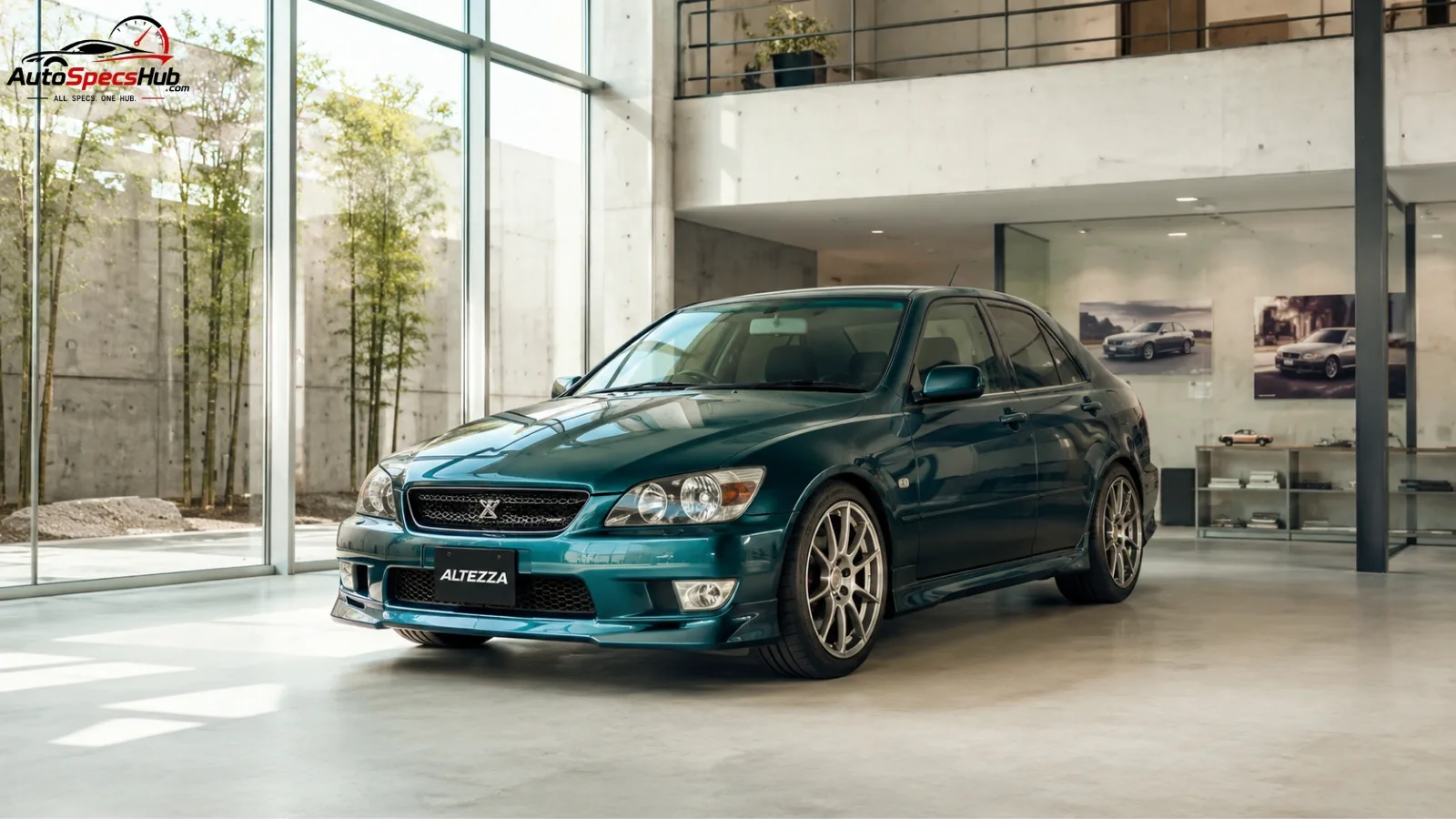
The Toyota Altezza arrived in Japan in 1998 with a formula that feels increasingly unusual today: a compact sedan built around rear-wheel drive, naturally aspirated engines, and driver involvement rather than outright power. It was also closely related to the first-generation Lexus IS, giving Toyota a model that could sit comfortably between mainstream sedans and the emerging compact luxury-sporting segment.
The appeal was never just one engine or one specification. The Altezza brought together a compact body, rear-wheel-drive chassis, responsive powertrains, and manual-transmission availability on sporting versions. The result was a Toyota that proved a sedan did not need huge horsepower to be genuinely engaging.
A Different Kind of Toyota Sedan
Toyota introduced the Altezza in Japan in October 1998 as a compact passenger car with a strong emphasis on driving performance. Its arrival came at an interesting point for Toyota, as the company was developing a new generation of compact rear-wheel-drive cars for both Japanese and international markets.
The Altezza's proportions immediately gave it a different character from a conventional family sedan. Short overhangs, a relatively long wheelbase, and rear-wheel drive created a purposeful foundation without making the car excessively large.
The engineering followed the same philosophy.
Rather than simply installing the biggest engine available, Toyota developed the car around the interaction between its engine, transmission, suspension, steering, and chassis.
That approach would become central to the Altezza's identity.
The SXE10 Became the Enthusiast Favorite
Among the different Altezza versions, the SXE10 is particularly important to enthusiasts.
It used the naturally aspirated 3S-GE 2.0-liter four-cylinder, with Toyota offering the engine alongside a six-speed manual transmission in applicable RS200 versions. Toyota's period specifications also list a five-speed automatic as an alternative.
That combination gave the SXE10 a personality quite different from a turbocharged performance sedan.
There was no large turbocharger waiting to deliver a sudden surge of torque. Instead, the driver had to make better use of engine speed, gearing, braking, and cornering.
The six-speed manual made that interaction even more important.
This is one reason the SXE10 became the version most closely associated with the Altezza's sporting reputation.
The 3S-GE Was Part of a Bigger Formula
The 3S-GE is an important part of the Altezza story, but the engine alone doesn't explain the car's appeal.
Toyota used different generations of the 3S-GE across its performance-oriented lineup, and the Altezza application was designed to work with the car's rear-wheel-drive chassis rather than simply chase a headline power figure.
The naturally aspirated layout encouraged a different driving style.
Engine response and gear selection mattered. The driver had a greater role in keeping the engine in its useful operating range, particularly when using the manual transmission.
That made the Altezza feel more involving than its specification sheet might initially suggest.
Not Every Altezza Was an SXE10
The Altezza range included several different powertrains, and this distinction is important when discussing the model.
The GXE10 used Toyota's 1G-FE 2.0-liter inline-six, giving it a smoother and more refined character than the four-cylinder RS200.
Toyota also offered the JCE10 with a 3.0-liter 2JZ-GE inline-six in the relevant Japanese-market configuration.
These versions should not simply be grouped together as if they offered the same driving experience.
The SXE10 was the enthusiast-oriented four-cylinder choice. The GXE10 emphasized six-cylinder smoothness, while the JCE10 provided a larger naturally aspirated engine.
That variety is one reason the chassis code matters when researching an Altezza.
Rear-Wheel Drive Was Central to the Concept
Rear-wheel drive is one of the most important characteristics of the Altezza.
Toyota could have built a conventional front-wheel-drive compact sedan, but the rear-wheel-drive layout allowed the company to pursue a different balance between steering, weight distribution, acceleration, and cornering behavior.
That layout doesn't automatically make a car enjoyable.
What matters is how the chassis is developed around it.
With the Altezza, Toyota created a compact platform where the driver could feel the relationship between the front and rear of the car more clearly.
The result was a sedan that could be practical during normal driving while retaining a distinctly sporting character when driven harder.
Handling Over Straight-Line Numbers
The Altezza makes more sense when viewed through its driving behavior rather than its peak horsepower.
Its naturally aspirated engines did not provide the explosive torque associated with some turbocharged performance cars. Instead, the car rewarded smooth inputs and thoughtful use of the available power.
That made the transmission an important part of the experience.
A driver who selected the right gear, carried speed through a corner, and managed the engine's rev range could extract much more from the car than someone judging it solely by acceleration figures.
This philosophy also explains why the Altezza remains interesting to enthusiasts who value chassis balance over outright speed.
The Lexus IS Connection
The Altezza was closely connected to the first-generation Lexus IS.
Toyota's historical material identifies the Altezza as the Japanese-market model behind the Lexus IS200 sold in export markets, and Toyota later described the first-generation IS as a compact rear-wheel-drive sports sedan focused on driving enjoyment.
That relationship gives the Altezza an important place in Lexus history as well as Toyota's.
In Japan, however, the car carried Toyota branding and its own model identity.
The Japanese-market specifications also included combinations that were not necessarily identical to every export-market IS, so the Altezza should be treated as its own model rather than simply a rebadged Lexus.
A Compact Sedan With a Distinctive Design
The Altezza's styling was another part of its appeal.
Rather than giving the car exaggerated aerodynamic features, Toyota used a relatively clean shape with compact proportions and a distinctive rear-light design.
The result was a car that looked sporty without appearing like a dedicated track machine.
That visual restraint worked well with the mechanical concept.
The Altezza could fit into everyday traffic without attracting the attention of a much more aggressively styled performance car, yet its proportions and rear-wheel-drive architecture gave enthusiasts plenty to appreciate.
The Gita Added Practicality
Toyota expanded the Altezza family with the Altezza Gita, a wagon-style body that added greater cargo flexibility to the model line.
This version showed that Toyota's underlying concept was not restricted to a single sedan body.
The Gita retained the Altezza identity while offering a different balance between practicality and performance. Its available engines and specifications varied, so it should not be assumed to have the same mechanical configuration as an SXE10 sedan.
For enthusiasts, the Gita is an interesting reminder that the Altezza was more than one highly specific sports-sedan configuration.
Why the Altezza Wasn't Just a Smaller Chaser
The Toyota Chaser is an obvious comparison because both models became important to Toyota enthusiasts and both used rear-wheel-drive architectures.
But their personalities were quite different.
The later Chaser performance versions became famous for turbocharged JZ power, larger dimensions, and their connection with drifting and high-performance modification.
The Altezza pursued a more compact formula.
The SXE10, in particular, relied on its naturally aspirated 3S-GE, manual transmission availability, and chassis balance rather than overwhelming the driver with power.
The Chaser offered a more powerful performance-sedan experience.
The Altezza focused more directly on the interaction between driver and car.
What Made the Altezza Special?
There isn't one specification that explains the model's appeal.
It was the combination of several relatively simple ideas:
Compact dimensions
Rear-wheel drive
Naturally aspirated engine options
Manual transmission availability
Balanced chassis
Practical four-door packaging
Distinctive styling
None of those features alone makes a car exceptional.
Together, they created a model with a clear personality.
That personality is particularly apparent in the SXE10, where the engine, gearbox, and rear-wheel-drive layout encourage the driver to participate rather than simply press the accelerator and wait for power.
The Altezza and Toyota's Wider Performance Lineup
The Altezza also makes more sense when placed alongside Toyota's other Japanese-market sedans.
The Toyota Aristo followed a very different philosophy. It combined luxury-car comfort with large six-cylinder engines and, in its best-known versions, the twin-turbocharged 2JZ-GTE.
The Altezza was smaller and more focused on driving involvement.
That difference is useful because it shows how broadly Toyota approached performance during the same era. The company could build a large luxury sedan with serious straight-line power and, at the same time, offer a compact rear-wheel-drive car centered on balance and driver engagement.
Neither needed to replace the other.
They simply served different purposes.
Buying a Toyota Altezza Today
The age of the Altezza is now one of the most important factors for buyers.
Even a well-regarded chassis can become expensive to own if years of neglect, corrosion, poor modifications, or deferred maintenance have been allowed to accumulate.
Before buying one, inspect:
Rust and corrosion
Engine leaks
Cooling system
Transmission
Clutch condition on manual cars
Differential
Suspension
Steering components
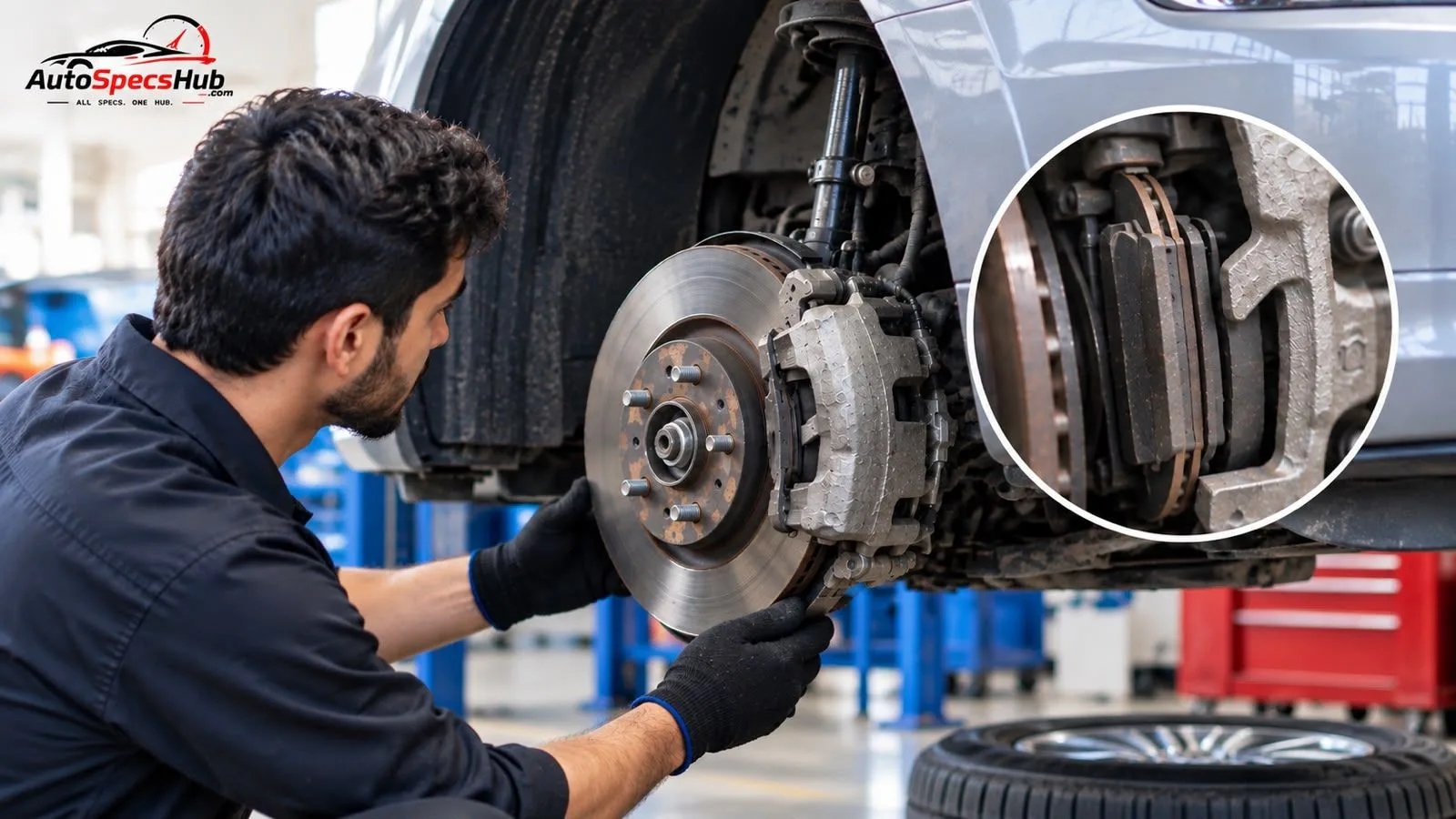
Brakes
Electrical equipment
Interior condition
Accident repairs
Service history
Previous modifications
Engine choice matters too.
An SXE10 with the 3S-GE should not be evaluated in exactly the same way as a GXE10 with the 1G-FE or a JCE10 with the 2JZ-GE.
Modified cars also deserve careful inspection.
Aftermarket suspension, wheels, exhaust systems, engine modifications, and other upgrades are not automatically negatives. The important questions are whether the work was carried out properly, whether the components are appropriate for the car, and whether maintenance was kept up afterward.
For a broader inspection process, our used car checklist provides a useful starting point.
What Determines an Altezza's Value?
There isn't one universal value for every Toyota Altezza.
The market can treat different versions very differently depending on:
Chassis code
Engine
Transmission
Body style
Mileage
Condition
Rust
Originality
Modifications
Service history
Import status
Market
The SXE10 generally attracts particular attention because of its 3S-GE engine, rear-wheel-drive layout, and six-speed manual availability on applicable versions.
But desirability shouldn't replace inspection.
A clean, documented example with sensible maintenance can be far more appealing than a heavily modified car with an uncertain history.
The Altezza's Place in Toyota's Performance Story
The Altezza represents a different chapter from Toyota's larger performance sedans.
It wasn't built around enormous power, and it wasn't designed specifically for drifting.
Instead, Toyota created a compact rear-wheel-drive car in which the engine, transmission, steering, suspension, and chassis could work together to make driving itself more rewarding.
That philosophy helps explain why the model has remained relevant.
The Altezza demonstrated that performance doesn't always require a huge engine or dramatic acceleration figures.
Sometimes it comes from getting the fundamentals right.
Why the Toyota Altezza Still Matters
The Altezza arrived during an important period for Toyota.
The company was developing new rear-wheel-drive platforms, Lexus was expanding its international lineup, and naturally aspirated performance engines still played a significant role in Toyota's product range.
The Altezza brought those developments together in a compact package.
The SXE10 gave enthusiasts the 3S-GE and manual-transmission combination they wanted, while other versions offered smoother six-cylinder alternatives. Its relationship with the Lexus IS also gave the car significance beyond the Japanese domestic market.
Compared with the larger Toyota Celsior, the Altezza pursued a much more compact and driver-focused formula.
That contrast is exactly what makes the model interesting.
The Altezza didn't need to dominate a specification sheet.
It was designed to make the driver part of the performance.
Frequently Asked Questions
What is the Toyota Altezza?
The Toyota Altezza is a compact rear-wheel-drive car introduced in Japan in 1998. It was offered in sedan and Gita wagon forms and was closely related to the first-generation Lexus IS.
What engine does the Toyota Altezza have?
The Altezza was offered with several engines depending on specification, including the 3S-GE, 1G-FE, and 2JZ-GE in relevant Japanese-market applications. Toyota's period material confirms the RS200 with the 3S-GE and AS200 with the 1G-FE.
Is the Toyota Altezza rear-wheel drive?
Rear-wheel drive is a defining characteristic of the Altezza, although exact drivetrain specifications should be checked for the individual version.
Which Toyota Altezza has the 3S-GE?
The SXE10 RS200 uses the naturally aspirated 3S-GE four-cylinder engine. Toyota offered the RS200 with a six-speed manual or automatic transmission depending on specification.
Is the Toyota Altezza the same as the Lexus IS?
They are closely related. The Japanese-market Altezza corresponds to the first-generation Lexus IS sold in overseas markets, although specifications and equipment could differ by market.
Does the Toyota Altezza come with a manual transmission?
Yes. Manual transmissions were available on applicable Altezza versions, including the six-speed manual offered with the RS200.
Why is the Toyota Altezza popular?
Its combination of compact dimensions, rear-wheel drive, naturally aspirated engines, handling-focused engineering, and manual-transmission availability made it particularly appealing to driving enthusiasts.
When did Toyota stop making the Altezza?
Toyota's Altezza nameplate was eventually discontinued as the model line transitioned to later Lexus IS generations. Exact production timing can vary by body style and market, so individual specifications should be checked when researching a particular car.
Final Verdict
The Toyota Altezza took a different route to performance.
Instead of relying on a large turbocharged engine, Toyota built a compact rear-wheel-drive car around balance, response, and driver involvement. The result was a sedan that could remain practical while offering an experience that felt much more deliberate than its modest dimensions suggested.
The SXE10 and its 3S-GE became the enthusiast centerpiece, while other versions showed that the Altezza could also provide smoother six-cylinder performance and a more relaxed character.
Its connection with the Lexus IS made the model even more significant, placing it at an important point in Toyota's development of compact rear-wheel-drive cars.
But the Altezza's lasting appeal ultimately comes down to something simpler.
It wasn't built around one spectacular specification.