
What Mileage Is Good for a Used Car? A Buyer’s Guide
Wondering what mileage is good for a used car? Learn how to judge mileage by vehicle age, maintenance history, driving conditions, and overall condition so you can make a smarter used-car purchase.
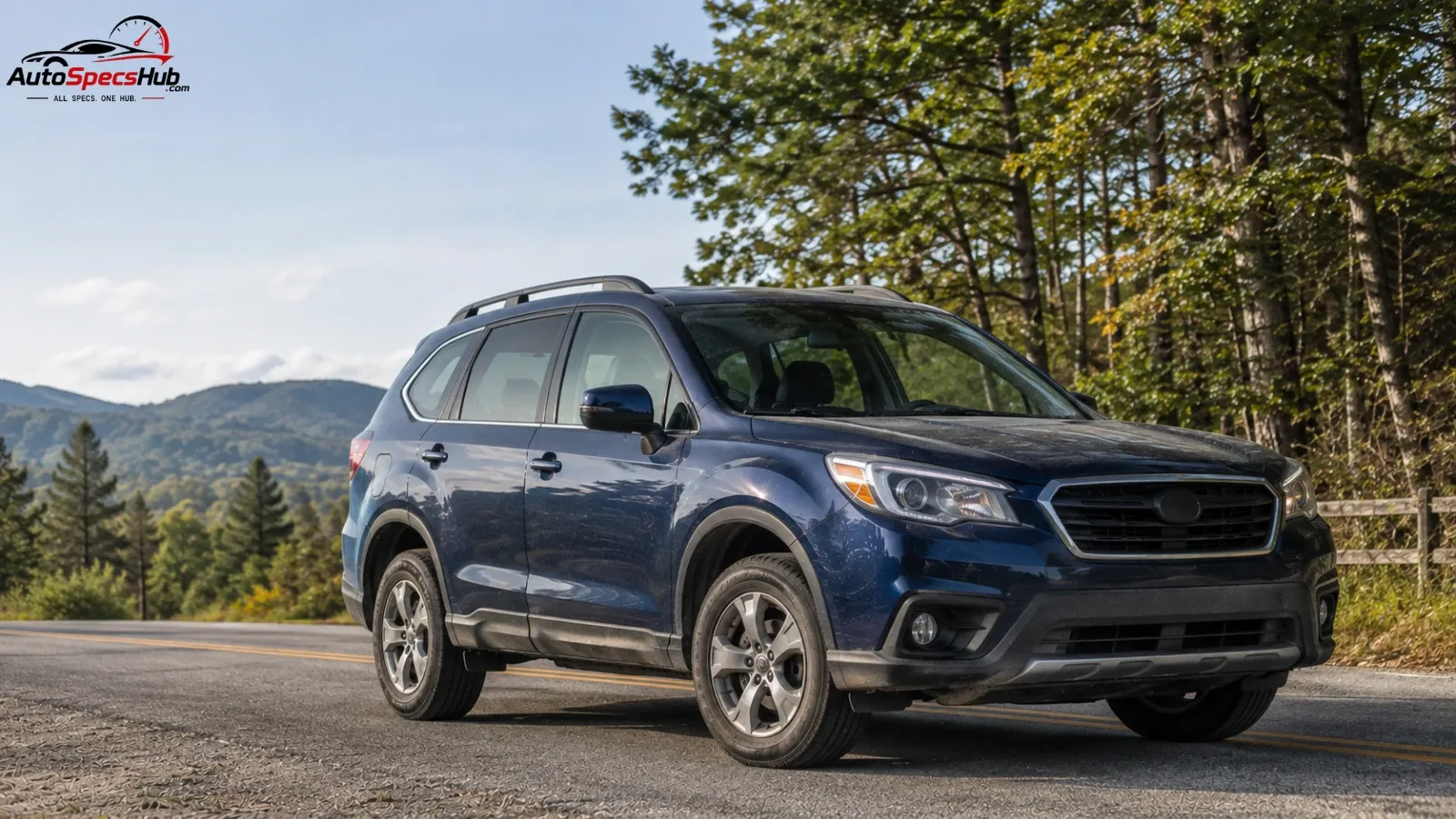
There is no single mileage number that makes a used car a good or bad purchase. A car with 80,000 miles can be a better buy than one with 50,000 miles if it has been properly maintained, driven mostly on highways, and has a complete service history.
As a general benchmark, 10,000–15,000 miles per year is useful when judging whether a vehicle has low, average, or high mileage for its age. But the odometer is only one part of the picture. Maintenance history, driving conditions, age, mechanical condition, ownership history, and price can matter just as much.
The better question is not simply “How many miles does this car have?” It is “Do the mileage, age, condition, and history make sense together?”
What Mileage Is Good for a Used Car?
For many buyers, a used car with 30,000 to 70,000 miles can offer a good balance between price, depreciation, and remaining useful life. However, that range is a starting point, not a hard rule.
Consider two five-year-old cars. One has 55,000 miles with complete service records, even tire wear, and no major mechanical concerns. The other has 40,000 miles but missing maintenance records, several warning signs, and evidence of neglected servicing.
The lower-mileage car is not automatically the better purchase.
Mileage becomes much more useful when you compare it with the vehicle's age and history. A 10-year-old car with 90,000 miles may have a more reasonable usage pattern than a five-year-old vehicle with the same mileage.
How Many Miles per Year Is Normal?
A rough benchmark of 10,000–15,000 miles per year can help put a used car's odometer reading into perspective.
Vehicle Age | Approximate Mileage at 10,000–15,000 Miles per Year |
3 years | 30,000–45,000 miles |
5 years | 50,000–75,000 miles |
8 years | 80,000–120,000 miles |
10 years | 100,000–150,000 miles |
12 years | 120,000–180,000 miles |
15 years | 150,000–225,000 miles |
These are general benchmarks, not pass-or-fail limits. A vehicle driven 7,000 miles per year is not automatically a better purchase than one driven 14,000 miles per year.
The annual mileage gives you context. You still need to find out how those miles were accumulated and how consistently the vehicle was maintained.
Is Low Mileage Always Better?
No. Low mileage is attractive, but it does not guarantee a better car.
A vehicle that has been driven very little may have experienced long periods of inactivity. Tires, batteries, seals, belts, hoses, and other age-sensitive components can deteriorate even when the vehicle is barely being driven.
For example, a 10-year-old car with only 35,000 miles may look like an obvious bargain. But if it has spent years sitting unused, has old tires, limited service documentation, and several overdue maintenance items, its low odometer reading tells only part of the story.
Low mileage is a positive factor when the rest of the vehicle's history and condition support it.
Is High Mileage Always Bad?
High mileage means you should investigate the vehicle more carefully, but it does not automatically make the car a bad purchase.
Many modern vehicles can accumulate well over 100,000 miles when they receive consistent maintenance. By that point, however, buyers should pay closer attention to major wear items and scheduled maintenance.
A 120,000-mile car with documented servicing, good mechanical condition, recent tires, and no major warning signs may be a more sensible purchase than a 75,000-mile vehicle with neglected maintenance and an uncertain history.
The important distinction is high mileage with good care versus high mileage with poor care.
Mileage by Vehicle Age
The same odometer reading can mean something very different depending on how old the vehicle is.
A 3-Year-Old Used Car
A three-year-old vehicle with around 30,000–45,000 miles would generally fall within the broad annual-use benchmark.
If it has substantially fewer miles, investigate why it was driven so little. If it has considerably more, find out whether the additional mileage came from highway commuting, long-distance travel, commercial use, or another type of driving.
A 5-Year-Old Used Car
Around 50,000–75,000 miles is a reasonable benchmark for a five-year-old vehicle.
At this age, maintenance records become particularly important. Check whether scheduled services were completed and whether the vehicle has already received major maintenance that could otherwise become your expense shortly after purchase.
An 8-Year-Old Used Car
An eight-year-old vehicle with roughly 80,000–120,000 miles can still be a perfectly reasonable used-car candidate.
However, age-related maintenance begins to matter more. Tires, suspension components, cooling-system parts, batteries, seals, and other components may require attention regardless of the odometer reading.
A 10-Year-Old Used Car
A 10-year-old vehicle with 100,000–150,000 miles is not unusual.
At this point, investigate major maintenance requirements specific to the vehicle. Depending on the model, this could include timing-belt service, cooling-system work, transmission service, suspension repairs, or other scheduled maintenance.
The exact model matters because maintenance requirements and long-term durability can vary significantly between vehicles.
Highway Miles vs. City Miles
Not all miles place the same demands on a vehicle.
Highway driving generally involves longer periods at a steady speed, fewer stops and starts, and less repeated braking. City driving can involve frequent acceleration, braking, idling, gear changes, and short trips.
That does not mean highway mileage is automatically better. A poorly maintained highway car can still have serious problems, while a well-maintained city-driven vehicle can remain in excellent condition.
Still, knowing how the miles were accumulated gives you useful context.
A 90,000-mile vehicle that spent much of its life on long highway journeys may have experienced a different type of wear from a 70,000-mile vehicle used primarily for short urban trips.
Why Maintenance History Matters More Than the Odometer
Maintenance history can tell you more about a used car's future than the mileage number by itself.
Look for evidence of regular oil and filter changes, brake servicing, tire replacement, fluid maintenance, scheduled services, and repairs performed when problems appeared.
A complete history gives you a better idea of how the previous owner treated the vehicle and which major expenses have already been addressed.
Missing records do not automatically mean the car is bad, but they increase uncertainty. If the seller cannot document important maintenance, the vehicle deserves a more thorough inspection and potentially a lower offer.
This is particularly important with older or higher-mileage vehicles, where deferred maintenance can quickly turn into expensive repairs.
When 100,000 Miles Is Still a Good Choice
Crossing 100,000 miles does not suddenly make a vehicle unreliable.
A 100,000-mile car can still be worth considering if it has:
Consistent maintenance records
No major warning lights
A healthy engine and transmission
Good tire and brake condition
No significant fluid leaks
Evidence that major scheduled services were completed
A price that reflects its age and condition
What matters is what the vehicle needs now and what it is likely to need next.
A high-mileage vehicle can make financial sense when its purchase price, condition, maintenance history, and expected future costs all line up.
When Very Low Mileage Should Raise Questions
Unusually low mileage can sometimes deserve more investigation rather than less.
An older vehicle with very few miles may have been a second car, driven only occasionally, stored for long periods, or owned by someone who rarely drove.
None of those situations is necessarily a problem. The important thing is to verify the story.
Check the service records, inspection documents, ownership history, tire age, battery condition, and physical wear inside the vehicle.
The driver's seat, steering wheel, pedals, and switches should also be reasonably consistent with the claimed mileage. Excessive wear does not prove mileage fraud, but inconsistencies are worth investigating.
What Matters More Than Mileage?
Mileage should be considered alongside several other factors.
Vehicle age puts the odometer reading into context.
Maintenance history shows whether the vehicle received appropriate care.
Driving conditions help explain how the miles were accumulated.
Mechanical condition tells you what you are actually buying today.
Ownership history can provide additional clues about how the vehicle was used and maintained.
Price determines whether the vehicle makes financial sense despite its mileage.
This is why rejecting a vehicle simply because it has “too many miles” can cause you to overlook a genuinely good used car.
How to Check a Used Car Before Buying
Before buying, verify that the odometer reading is consistent with the vehicle's available history.
Compare the mileage with service records, inspection documents, maintenance receipts, and vehicle-history information when available.
Look for inconsistencies in recorded dates and mileage. For example, a previous service record showing 90,000 miles followed by a later record showing 75,000 miles would be a major reason to investigate further.
The physical condition should also make sense for the claimed mileage.
A proper used-car inspection can help you evaluate the vehicle's history, mechanical condition, tires, brakes, warning lights, documents, and test-drive behavior before you commit to the purchase.
Should You Avoid a Used Car With High Mileage?
There is no mileage number at which every used car suddenly becomes a bad purchase.
Instead, consider the combination of mileage, age, condition, maintenance, and price.
A high-mileage vehicle can be a smart purchase when it has been properly maintained and priced appropriately. It becomes much less attractive when high mileage is combined with missing records, major mechanical problems, warning lights, worn tires or brakes, and an asking price that does not reflect those issues.
The combination matters more than the odometer alone.
A Practical Mileage Rule for Used-Car Buyers
If you want a quick starting point, compare the odometer with the vehicle's age using approximately 10,000–15,000 miles per year.
Then consider four questions:
Was the vehicle maintained properly?
How were the miles accumulated?
What condition is it in today?
Does the price make sense for its age, mileage, and condition?
If the answers are favorable, don't reject a vehicle simply because its mileage is higher than you expected.
Likewise, don't automatically choose the lowest-mileage example without checking its history.
Mileage Is Only One Part of the Buying Decision
Mileage can help you compare used cars, but it should not be the deciding factor by itself.
For example, when comparing two vehicles from the same model line, the one with more miles may still be the better buy if it has a complete service history and fewer signs of neglect. Model-specific reliability and maintenance requirements can also change what constitutes reasonable mileage.
A used Lexus RX 350, for example, can vary considerably between generations, powertrains, and maintenance histories. The used Lexus RX 350 buying guide is useful when evaluating that model because it looks beyond the odometer and considers service history, mechanical condition, test-drive behavior, and inspection points.
The same principle applies to other used vehicles: judge the individual car, not just the number on its dashboard.
What Mileage Is Good for a Used Car? The Bottom Line
For many buyers, 30,000–70,000 miles can be an attractive range for a used car, but there is no universal mileage limit that defines a good purchase.
A better approach is to compare mileage with the vehicle's age, using roughly 10,000–15,000 miles per year as a starting benchmark. Then evaluate the maintenance history, driving conditions, mechanical condition, ownership history, and asking price.
A properly maintained car with 100,000 miles can be a better purchase than a neglected car with 60,000 miles. The odometer tells you how far the vehicle has traveled; the service history and condition tell you how well it has been cared for.
Frequently Asked Questions
What is considered good mileage for a used car?
There is no single mileage number that applies to every vehicle. As a general benchmark, 10,000–15,000 miles per year can help you judge mileage against age. A five-year-old car with 50,000–75,000 miles, for example, falls within that broad range.
Is 100,000 miles too much for a used car?
No. A vehicle with 100,000 miles can still be a good purchase if it has been properly maintained and passes a thorough inspection. Condition and service history are more important than an arbitrary mileage threshold.
Is 50,000 miles good for a used car?
Generally, 50,000 miles can be reasonable for a used car, particularly when the vehicle is around three to five years old and has a documented maintenance history. Always consider its age, condition, and previous use as well.
Is lower mileage always better?
No. Lower mileage can mean less use, but it does not guarantee better condition. An older car with unusually low mileage may have spent long periods sitting, which can contribute to age-related problems.
Are highway miles better than city miles?
Highway driving can involve less stop-and-go stress than frequent city driving, but highway miles are not automatically better. Maintenance history, driving conditions, and the vehicle's current condition still matter more than mileage type alone.
What should I look for besides mileage when buying a used car?
Check the maintenance history, mechanical condition, tire and brake wear, warning lights, fluid leaks, ownership history, available vehicle-history records, and whether major scheduled services have been completed. A professional inspection can also reveal problems that the odometer cannot show.