
Which Is the Best SUV for Snow? A Practical Guide to Winter Driving
Looking for the Best SUV for Snow? Learn which SUVs handle winter conditions well and why AWD, 4WD, winter tires, ground clearance, and traction all matter when choosing the right vehicle for snow.
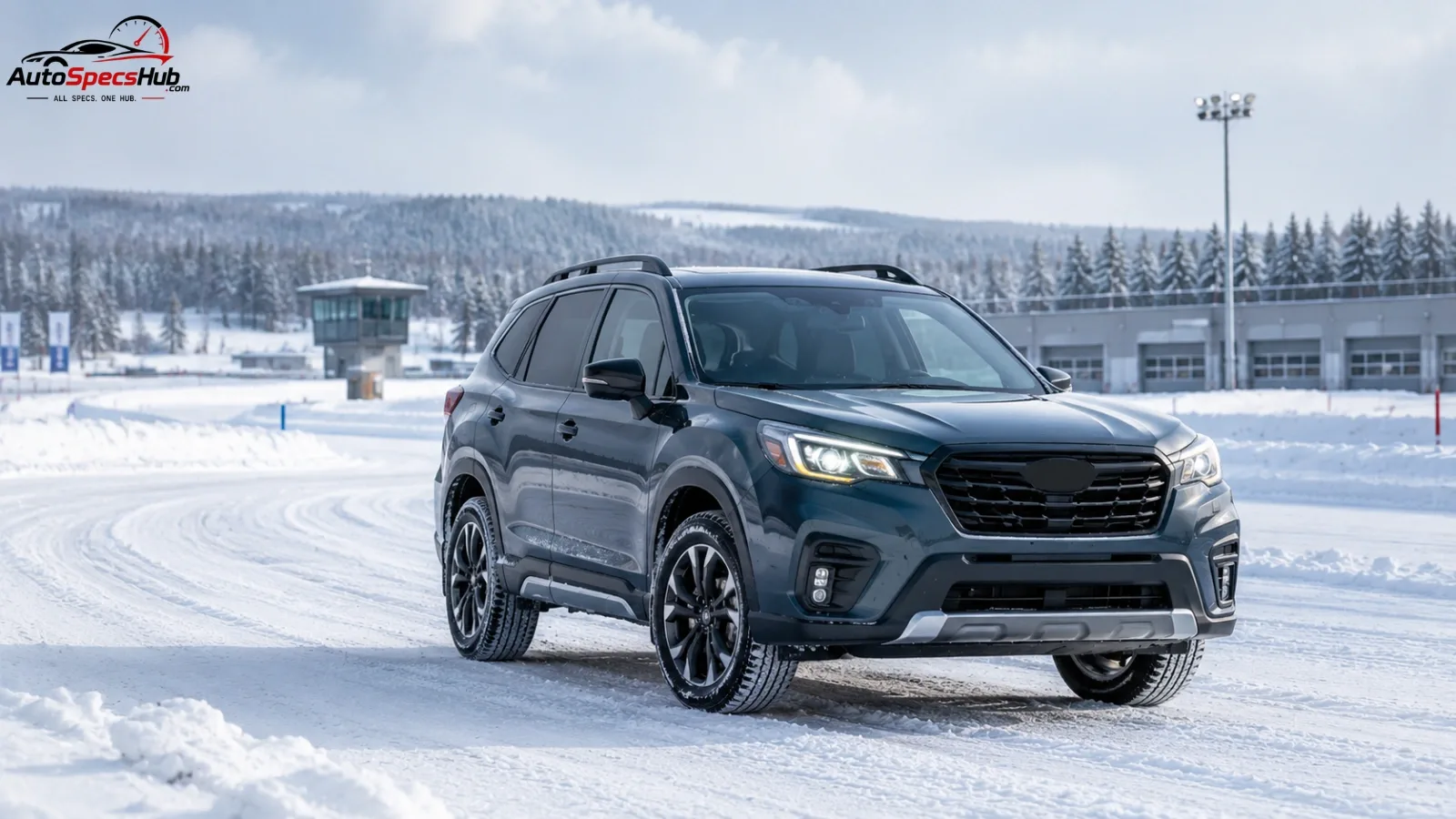
Finding the Best SUV for Snow isn't simply about choosing the vehicle with the most horsepower, the highest ground clearance, or an all-wheel-drive badge. Snow changes how a vehicle accelerates, turns, and stops, so several parts of the vehicle need to work together.
AWD or 4WD can help maintain traction, but tires are just as important, while ground clearance becomes increasingly useful as snow gets deeper. The right choice also depends on where you drive. A compact crossover can be ideal for a daily commute through plowed streets, while a more capable 4WD SUV may be better suited to steep roads and unplowed conditions.
The best approach isn't to find the SUV that simply looks toughest. It's to find the one whose drivetrain, tires, clearance, handling, and practicality match the winter conditions you actually face.
What Makes an SUV Good in Snow?
A capable winter SUV needs to maintain as much tire grip as possible while remaining predictable during acceleration, steering, and braking. That starts with the drivetrain, but it doesn't end there.
AWD can distribute engine torque when traction changes, helping the vehicle continue moving when one or more tires encounter a slippery surface. 4WD systems designed for more demanding terrain can provide additional capability, particularly when combined with suitable gearing and greater ground clearance.
Tires are equally important. An SUV can have an advanced AWD system and still struggle on snow or ice if its tires don't provide enough cold-weather grip. Ground clearance also becomes more valuable when snow gets deep enough to accumulate beneath the vehicle. The best combination depends on the conditions rather than one specification alone.
The Best SUV for Snow Depends on Your Winter Conditions
There isn't one SUV that is automatically the right choice for every driver.
For plowed city streets and highways, a compact or midsize crossover with AWD, suitable tires, good visibility, and adequate clearance can provide everything most drivers need. A large off-road SUV may offer capability that never gets used.
For deep snow and unplowed roads, additional ground clearance and a more capable four-wheel-drive system become more relevant. Drivers in mountainous areas may also benefit from systems designed to manage traction on steep or slippery surfaces.
Families have another set of priorities. Passenger space, cargo capacity, comfort, visibility, safety equipment, and running costs can matter just as much as the drivetrain. That's why the right winter SUV should be chosen around how and where you drive, rather than simply by following a universal ranking.
Best Overall: Subaru Forester
The 2026 Subaru Forester is a strong all-around choice for drivers who regularly encounter snow but still want a practical everyday crossover.
Subaru equips every 2026 Forester with Symmetrical All-Wheel Drive. Regular Forester models have 8.7 inches of ground clearance, while the Wilderness increases that figure to 9.3 inches. The Forester also offers X-MODE with Hill Descent Control on applicable versions to help manage traction on slippery surfaces.
Its relatively compact dimensions, upright visibility, and useful interior make it suitable for drivers who need one vehicle for commuting, family use, and occasional rougher winter roads.
It isn't the most rugged SUV here, and that's part of its appeal. For many buyers, balanced winter capability is more useful than extreme off-road hardware.
Best for Deep Snow: Toyota 4Runner
The Toyota 4Runner makes more sense when winter driving regularly extends beyond ordinary plowed roads.
The 2026 4Runner is available with 2WD, part-time 4WD, or full-time 4WD depending on grade. Toyota lists up to 10.1 inches of ground clearance, while 4WD configurations can add equipment such as a two-speed transfer case and Active Traction Control.
That extra capability comes with compromises. A 4Runner is larger and more focused on rugged use than a typical crossover. If your winter driving consists mainly of cleared suburban streets, you may never make full use of its additional hardware.
For drivers who regularly face deep snow, rough access roads, or difficult terrain, however, the 4Runner's greater capability can make sense.
Best for Everyday Winter Travel: Subaru Outback
The Subaru Outback sits between a conventional crossover and a more rugged SUV, making it an interesting option for drivers who want additional winter capability without moving into a traditional off-road vehicle.
The 2026 Outback uses standard Symmetrical All-Wheel Drive and provides 8.7 inches of ground clearance on standard models. The Wilderness increases that figure to 9.5 inches, while X-MODE is standard across the lineup and dual-function X-MODE is standard on Wilderness.
Its five-seat layout and cargo capacity make it particularly useful for families. It also provides enough clearance for many snowy roads while remaining suitable for everyday highway driving.
For someone who spends most of the winter on pavement but occasionally deals with heavier snow, the Outback offers a sensible middle ground.
Best Compact Option: Subaru Crosstrek
Not everyone needs a large SUV to deal with winter.
The 2026 Subaru Crosstrek provides a smaller alternative for drivers who regularly encounter snow but still prioritize maneuverability, parking ease, and everyday practicality.
Every Crosstrek has standard Symmetrical All-Wheel Drive. Regular Crosstrek models provide 8.7 inches of ground clearance, while the Wilderness reaches 9.3 inches. Subaru also equips the 2026 Crosstrek with dual-function X-MODE with Hill Descent Control across the lineup.
For someone whose typical winter route consists of city streets, suburban roads, and maintained highways, a compact AWD crossover can make more sense than paying for the size and hardware of a larger 4WD SUV.
AWD vs. 4WD for Snow
AWD and 4WD can both improve traction, but they are designed with different priorities.
AWD is generally suited to vehicles that spend much of their time on paved roads. The system can automatically distribute power as traction changes, making it convenient for mixed winter conditions.
4WD can be more appropriate for severe terrain, particularly when a system offers additional low-speed capability and the vehicle has sufficient clearance for deep snow.
For most drivers on regularly plowed roads, a good AWD crossover is likely to be sufficient. For frequent travel through deep, unplowed snow or difficult terrain, a properly equipped 4WD SUV can provide a useful additional margin of capability.
Neither system, however, removes the need for appropriate tires.
Winter Tires Can Change the Equation
One of the easiest mistakes when choosing a winter vehicle is assuming that AWD automatically solves traction problems.
It doesn't.
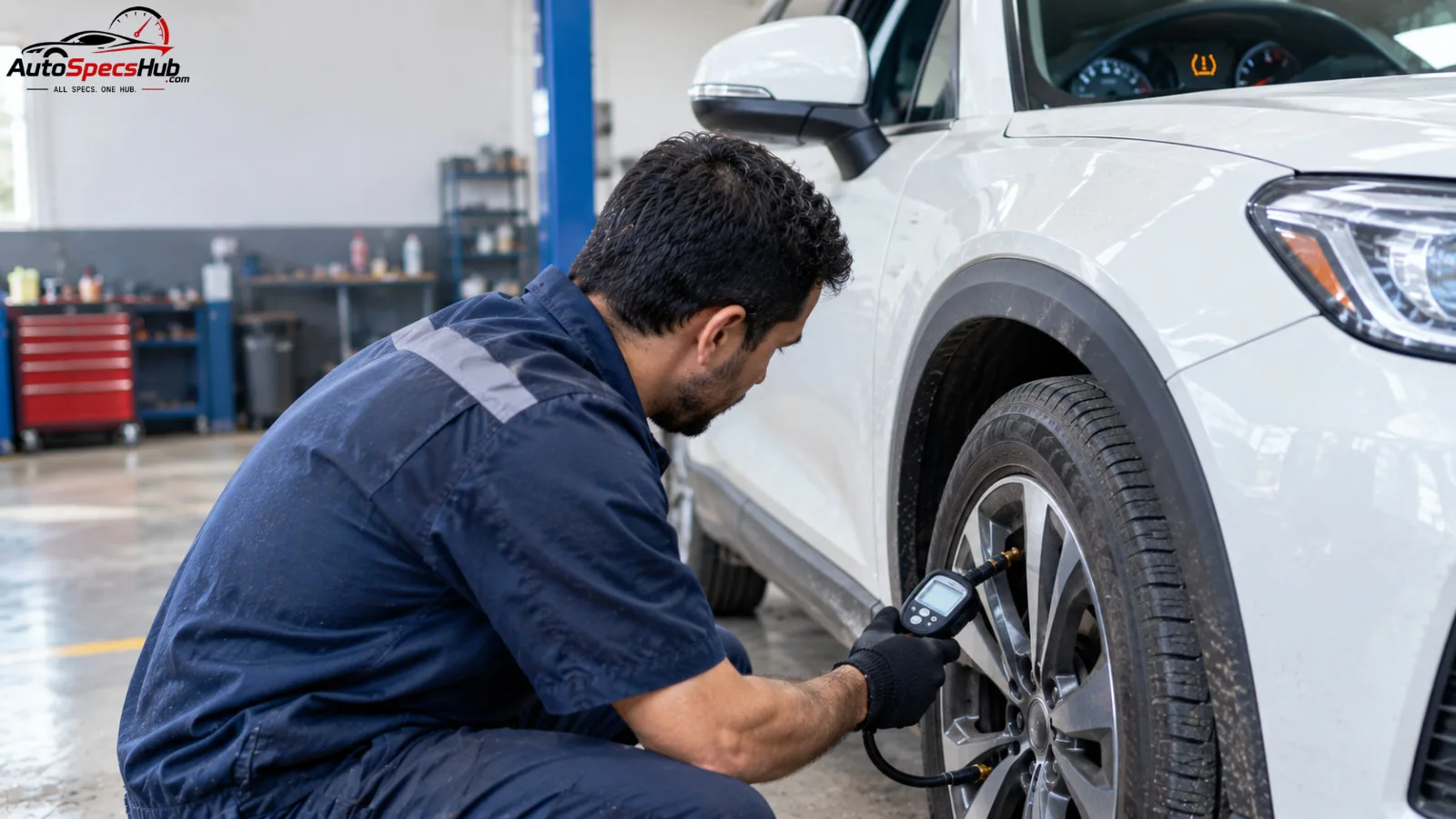
AWD can help a vehicle put power down when grip is limited, but the tires remain the connection between the vehicle and the road. Winter tires use compounds and tread designs intended for cold conditions, helping them maintain grip when temperatures drop and surfaces become covered with snow or ice.
This is particularly important when braking and steering. Those actions still depend on tire grip regardless of how many wheels are driven.
If you live somewhere with regular snow and ice, the cost of appropriate winter tires should therefore be part of your vehicle-buying budget. The same principle applies to routine maintenance when preparing an older vehicle for winter.
How Much Ground Clearance Is Enough?
Ground clearance becomes increasingly important as snow gets deeper.
A higher vehicle is less likely to have its underside buried in snow, which can help it continue through poorly cleared roads. But maximum clearance isn't automatically the goal for every buyer.
A driver who mostly encounters light or moderate snowfall on maintained roads may gain more from a comfortable crossover with reasonable clearance than from a large off-road SUV. As conditions become deeper and less predictable, however, additional clearance becomes more useful.
The important thing is to match clearance to the snow you actually encounter rather than choosing the tallest vehicle simply because it looks more capable.
Does SUV Size Matter in Snow?
Yes, but not in the way many buyers assume.
A compact SUV can be easier to maneuver through crowded streets and tight parking areas. It can also cost less to operate, making it attractive for people whose winter driving is mostly urban.
A midsize SUV becomes more useful when you need additional passenger and cargo space, particularly for family trips or longer journeys.
A larger SUV may offer more clearance and off-road capability, but those advantages come with additional size and running costs. When choosing between SUV classes, consider the space you actually need rather than assuming that bigger automatically means better in snow.
A compact SUV vs midsize SUV comparison can help you decide which size makes more sense for your winter driving needs.
What to Check Before Buying a Used SUV for Snow
A used SUV can be an excellent winter purchase, but its condition matters more than the badge on the hood.
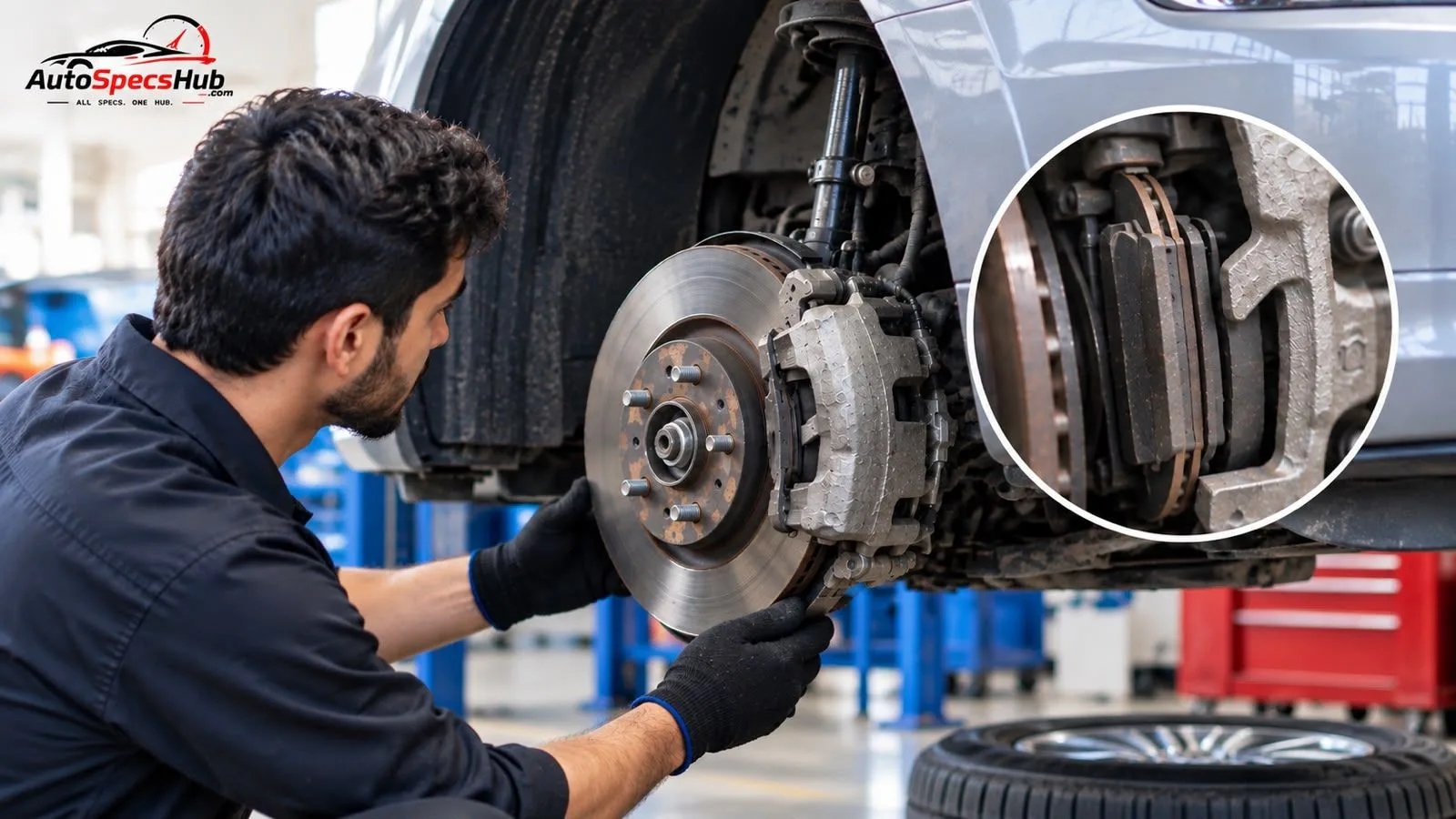
Start with the tires, brakes, suspension, drivetrain, battery, and underbody. Rust deserves particular attention in regions where winter roads are treated with salt. Check for evidence of accident repairs and make sure previous owners have maintained the vehicle properly.
The AWD or 4WD system should also be inspected and tested according to the manufacturer's procedures. Warning lights, unusual noises, vibration, or problems engaging selectable drive modes can indicate issues that may become especially inconvenient during winter.
Don't overlook engine warning lights either. A flashing check-engine warning should not be treated as a minor issue simply because the SUV appears to drive normally.
So, Which SUV Is the Best Choice?
For most drivers, the answer isn't necessarily the biggest or most powerful SUV.
The Subaru Forester is a strong all-around option because it combines standard AWD, useful clearance, manageable dimensions, and winter-oriented technology. The Subaru Outback is particularly appealing for buyers who need more cargo flexibility and additional clearance without moving into a traditional body-on-frame SUV.
For drivers facing deep snow or more difficult roads, the Toyota 4Runner offers greater emphasis on ground clearance and 4WD capability. Meanwhile, the Subaru Crosstrek is a sensible choice for people who want a smaller vehicle that remains capable in ordinary winter conditions.
Those recommendations come with an important qualification: the right tires and the right vehicle for your conditions matter more than simply choosing the most expensive or most rugged SUV.
Frequently Asked Questions
Is AWD or 4WD better for snow?
Neither is universally better. AWD is generally well suited to paved roads and changing traction, while a properly equipped 4WD system can offer greater capability in deep snow and difficult terrain.
Are winter tires necessary on an AWD SUV?
AWD does not replace winter tires. Proper winter tires can provide additional grip in cold conditions and are especially important for braking and steering on snow and ice.
Is a heavier SUV better in snow?
Not necessarily. Vehicle weight affects traction and braking in different ways, while tires, drivetrain, ground clearance, and vehicle balance can have a greater practical impact.
How much ground clearance is good for snow?
More clearance is useful when snow becomes deep enough to contact the underside of the vehicle. For ordinary plowed roads, extreme ground clearance may not be necessary.
Can a compact SUV handle heavy snow?
Yes, if it has an appropriate drivetrain, sufficient clearance, and suitable tires. A compact SUV can be a capable winter vehicle when conditions are within its design limits.
What is the Best SUV for Snow for most drivers?
There is no universal winner, but the Subaru Forester is a strong all-around choice because it combines standard AWD, useful ground clearance, practical dimensions, and available winter-oriented features.
Does AWD help with braking on snow?
AWD primarily helps with putting engine power to the road. It does not eliminate the limitations of tire grip when braking on snow or ice, which is why appropriate tires remain important.
Final Verdict
Choosing the Best SUV for Snow starts with understanding your own winter conditions.
A driver who mainly travels on cleared roads may be better served by a practical AWD crossover with good tires and sensible ground clearance. Someone who regularly faces deep, unplowed snow may have a stronger reason to choose a vehicle with greater clearance and a more capable 4WD system.
There is no drivetrain badge that replaces good tires, proper maintenance, or careful driving.
The best winter SUV is ultimately the one whose capability matches the roads you actually face, without making you pay for equipment you rarely need.