
How Long Do Brake Rotors Last? What Affects Their Lifespan and Performance
How long do brake rotors last? Learn what affects rotor lifespan and performance, common warning signs, inspection tips, and when brake rotors need replacement.
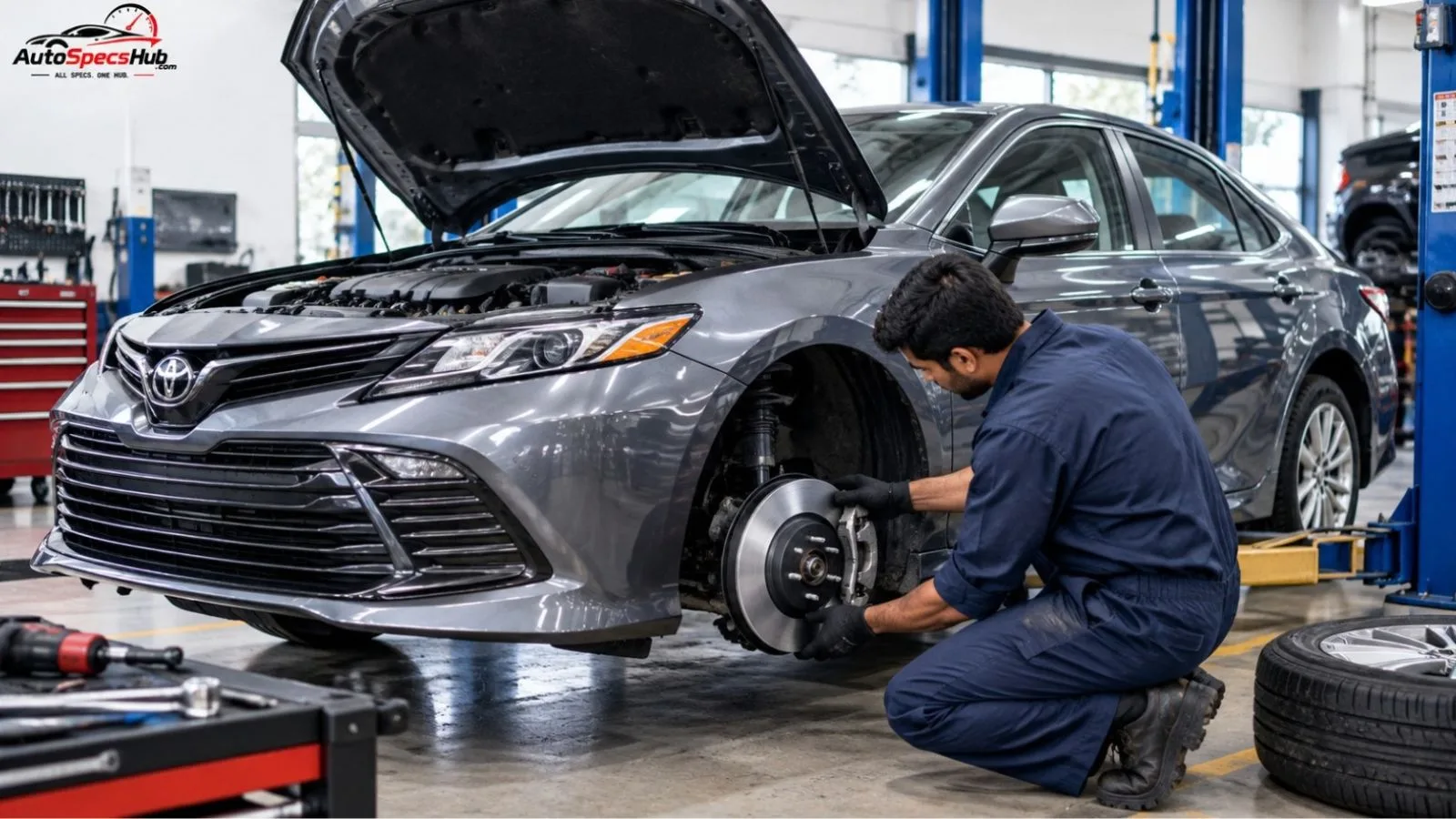
Brake rotors are essential to your vehicle’s braking system, providing the smooth surface that brake pads clamp against to slow the wheels. Although rotors generally last much longer than brake pads, they are not permanent components. Their service life depends on how the vehicle is driven, the type of roads it uses, vehicle weight, brake-pad condition, heat, rotor design, and environmental conditions.
So, how long do brake rotors last? Many rotors can remain serviceable for roughly 30,000 to 80,000 miles, but there is no universal replacement interval. Some vehicles may need rotors sooner, while others can go significantly longer. Instead of relying on mileage alone, drivers should pay attention to rotor condition, braking behavior, and the manufacturer’s minimum thickness specification.
How Long Do Brake Rotors Last?
A brake rotor’s lifespan varies because every vehicle and driving environment places different demands on the braking system. A car used mostly for relaxed highway driving may put less stress on its rotors than a heavy SUV that spends most of its time in urban traffic.
Frequent braking, aggressive driving, steep roads, towing, heavy loads, and repeated high-speed stops can increase heat and wear. On the other hand, smooth driving and regular maintenance can help the braking system operate more efficiently.
Mileage is a reference, not a replacement rule. During brake service, a technician can measure thickness and check the rotor surface for defects.
What Is a Brake Rotor?
A brake rotor is a metal disc mounted to the wheel hub. When the brake pedal is pressed, hydraulic pressure causes the caliper to press the pads against the rotor. Friction converts vehicle motion into heat, reducing wheel speed.
Rotors must handle repeated temperature changes while maintaining a consistent contact surface. Many vehicles use ventilated front rotors with internal channels that help move heat away. Rear brakes may use solid or ventilated designs.
Replacement parts should match the specifications intended for that vehicle.
What Affects Brake Rotor Lifespan?
Driving Style
Driving habits have a direct effect on brake wear. Repeated hard stops generate more heat and place greater stress on the rotors. Drivers who anticipate traffic and slow progressively generally use the brakes more gently.
Frequent braking from high speeds can also raise rotor temperatures quickly. Repeated maximum braking can shorten component life.
City and Highway Driving
Urban driving usually involves more braking because of traffic lights, congestion, intersections, and frequent speed changes. That repeated use can increase brake-system wear.
Highway driving normally requires fewer braking events, although stopping from higher speeds can produce substantial heat. The effect depends on traffic, terrain, weight, and driving habits.
Vehicle Weight and Load
Heavy vehicles require more braking force to slow down. An SUV, pickup truck, or vehicle carrying passengers and cargo may place greater demands on its rotors than a lighter passenger car.
Towing can increase those demands further. Vehicles used for heavy loads should follow the manufacturer’s brake inspection recommendations.
Brake Pad Condition
Brake pads and rotors operate as a matched friction pair. Pads that are excessively worn, damaged, contaminated, or wearing unevenly can create abnormal contact with the rotor.
Replacing worn pads on time helps protect the rotor surface. Whenever pads are replaced, the rotors should also be checked for scoring, cracks, corrosion, uneven wear, and thickness.
Rotor Design and Material
Rotor construction affects how well it handles heat and wear. Thickness, ventilation, material, and surface design vary between vehicles.
Performance-oriented cars may use larger or specialized rotors for higher thermal loads. Replacement rotors should match the vehicle’s braking system.
How Does Heat Affect Brake Rotors?
Heat is one of the biggest stresses placed on a rotor. During braking, friction converts kinetic energy into thermal energy. Under normal conditions, the rotor absorbs that heat and releases it through the surrounding air.
Repeated heavy braking can create much higher temperatures. Excessive heat may contribute to discoloration, uneven wear, surface damage, or other problems. Long downhill drives can also increase brake demand.
Where appropriate, engine braking can reduce reliance on the service brakes during long descents.
Signs Your Brake Rotors May Have a Problem
Brake rotor problems can develop gradually. Recognizing changes in braking behavior can help identify an issue before it becomes more serious.
Steering Wheel Vibration
A steering-wheel vibration during braking can indicate a problem with the front braking system. Rotor thickness variation is one possible cause, although tires, wheels, suspension components, and other brake parts can produce similar symptoms.
Brake Pedal Pulsation
A brake pedal that repeatedly pushes back against your foot during braking may indicate uneven braking-system operation. Rotor thickness variation can contribute to this sensation, but a complete inspection is needed to identify the actual cause.
Deep Grooves or Scoring
Light marks can occur normally, but deep grooves or severe scoring can prevent consistent pad contact.
Discoloration
Blue, purple, or unusually dark areas can indicate that a rotor has experienced significant heat. Discoloration does not automatically require replacement, but it deserves inspection.
Cracks or Structural Damage
Cracks are a serious concern. A rotor showing visible cracks or other structural damage should be professionally assessed promptly and replaced when required.
How Do You Know When Brake Rotors Need Replacing?
Rotor replacement should be based on measurable condition rather than a fixed mileage figure. A technician may check:
Overall rotor thickness
Minimum permitted thickness
Surface condition
Thickness variation
Cracks or structural damage
Severe corrosion
Heat-related damage
Uneven wear
Brake performance
The minimum thickness matters because a rotor should not remain in service below the manufacturer’s limit. Resurfacing is also inappropriate if it would leave the rotor below that limit.
Can Brake Rotors Be Resurfaced?
Some rotors can be resurfaced when their condition and remaining thickness allow it. Resurfacing removes a small amount of material to create a smoother, more consistent surface for the brake pads.
However, resurfacing is not automatically the best choice. A rotor that is too thin, deeply damaged, cracked, heavily corroded, or otherwise outside specification may need replacement instead.
The decision should consider thickness, condition, and manufacturer requirements. Some modern rotors have limited material available for resurfacing.
Should Brake Rotors Be Replaced in Pairs?
When both rotors on an axle are worn or damaged, replacing them as a pair is generally appropriate. Matching components helps maintain consistent braking.
If only one rotor appears damaged, both sides should still be inspected. Differences in thickness or condition can affect braking balance.
Do New Brake Pads Need New Rotors?
Not always. New pads can be installed with existing rotors when the rotors remain within specification and have a suitable braking surface.
Replacement becomes necessary when the rotors are below minimum thickness, cracked, severely scored, excessively corroded, or otherwise unsuitable for continued service. Installing new pads against severely damaged rotors can prevent proper bedding and may reduce braking consistency.
An inspection before pad replacement can determine whether the rotors can remain in service.
Front vs. Rear Brake Rotor Lifespan
Front and rear rotors can have different service lives because front brakes commonly handle more braking force. During deceleration, weight transfers forward, increasing their workload.
However, rear rotor life varies with vehicle design, electronic braking systems, driving conditions, load, and brake configuration. Rear-brake wear can still be substantial, so inspection matters.
Can Brake Rotors Wear Out From Age?
An infrequently driven vehicle can still develop rotor problems.
Moisture can create surface rust when a vehicle sits for extended periods. In areas with road salt or high humidity, corrosion can become more significant. Light surface rust may disappear after normal braking, while deep pitting or severe corrosion may require inspection.
A vehicle that spends long periods parked should therefore have its brakes checked even if it has accumulated few miles.
Does Brake Fluid Affect Rotor Performance?
Brake fluid does not directly wear the rotor because it operates inside the hydraulic braking system rather than on the rotor surface. However, it plays an important role in transmitting pressure from the brake pedal to the calipers.
Old or contaminated fluid can affect hydraulic performance. Following the recommended brake fluid change interval helps maintain the hydraulic side of the braking system.
How Can You Make Brake Rotors Last Longer?
There is no method that makes rotors last indefinitely, but sensible driving and maintenance can reduce unnecessary stress.
Brake smoothly whenever traffic conditions allow.
Avoid unnecessary hard stops.
Maintain a safe following distance.
Inspect brake pads regularly.
Replace worn pads promptly.
Avoid carrying unnecessary weight.
Follow the manufacturer’s maintenance schedule.
Address vibration or unusual braking behavior early.
Have the braking system inspected after demanding use.
The goal is predictable braking and good component condition.
How Often Should Brake Rotors Be Inspected?
Rotors should be inspected during routine brake service, whenever brake pads are replaced, and whenever unusual braking symptoms appear. A visual inspection can identify obvious problems, while measuring tools may be needed for accurate thickness checks.
An inspection is especially useful when purchasing a used vehicle. A used car checklist can help buyers remember important brake components and other mechanical areas that should be examined before completing a purchase.
Brake Rotor Maintenance Checklist
An inspection should include:
Checking the rotor surface for deep grooves
Looking for cracks or severe corrosion
Checking for unusual discoloration
Measuring rotor thickness when required
Comparing measurements with manufacturer limits
Inspecting brake-pad condition
Checking for braking vibration or pulsation
Listening for unusual brake noises
Addressing changes in braking performance
Regular checks can make brake problems easier to identify early.
Frequently Asked Questions
How many miles do brake rotors usually last?
Many brake rotors last roughly 30,000 to 80,000 miles, but actual service life varies by vehicle, driving conditions, brake design, and maintenance. Mileage should be treated as a guideline rather than a fixed replacement schedule.
What are the most common signs of bad brake rotors?
Common warning signs include braking vibration, pedal pulsation, deep grooves, severe scoring, unusual discoloration, and visible cracks. Other components can cause similar symptoms, so inspection matters.
Can I replace brake pads without replacing rotors?
Yes. If the rotors are within specification and have a suitable surface, they can often remain in service when new pads are installed.
Are front brake rotors more likely to wear first?
Front rotors often experience greater braking loads because weight transfers forward during deceleration. However, actual wear depends on the vehicle and how it is driven.
Does mileage determine when brake rotors need replacement?
No. Rotor condition and manufacturer specifications are more important than mileage alone. A rotor can require replacement earlier than expected or remain serviceable beyond a typical mileage range.
Final Thoughts
Brake rotors can last many thousands of miles, but their lifespan is shaped by real-world use rather than a single interval. Driving style, traffic, weight, pad condition, heat, design, and environment all influence service life.
Instead of replacing rotors simply because they have reached a certain mileage, pay attention to their measured thickness, surface condition, and braking behavior. Regular inspections and timely repairs can help maintain consistent stopping performance while preventing small brake problems from developing into more serious issues.