
How Long Does an Oil Change Take? A Realistic Guide to Shop and DIY Times
How long does an oil change take? Most professional oil changes take about 15 to 45 minutes, while a DIY oil change usually takes 30 to 60 minutes. Learn what affects service time, what to expect at different types of shops, and how to plan your appointment.
Most people searching how long does an oil change take want a simple answer: how much time should they actually set aside?
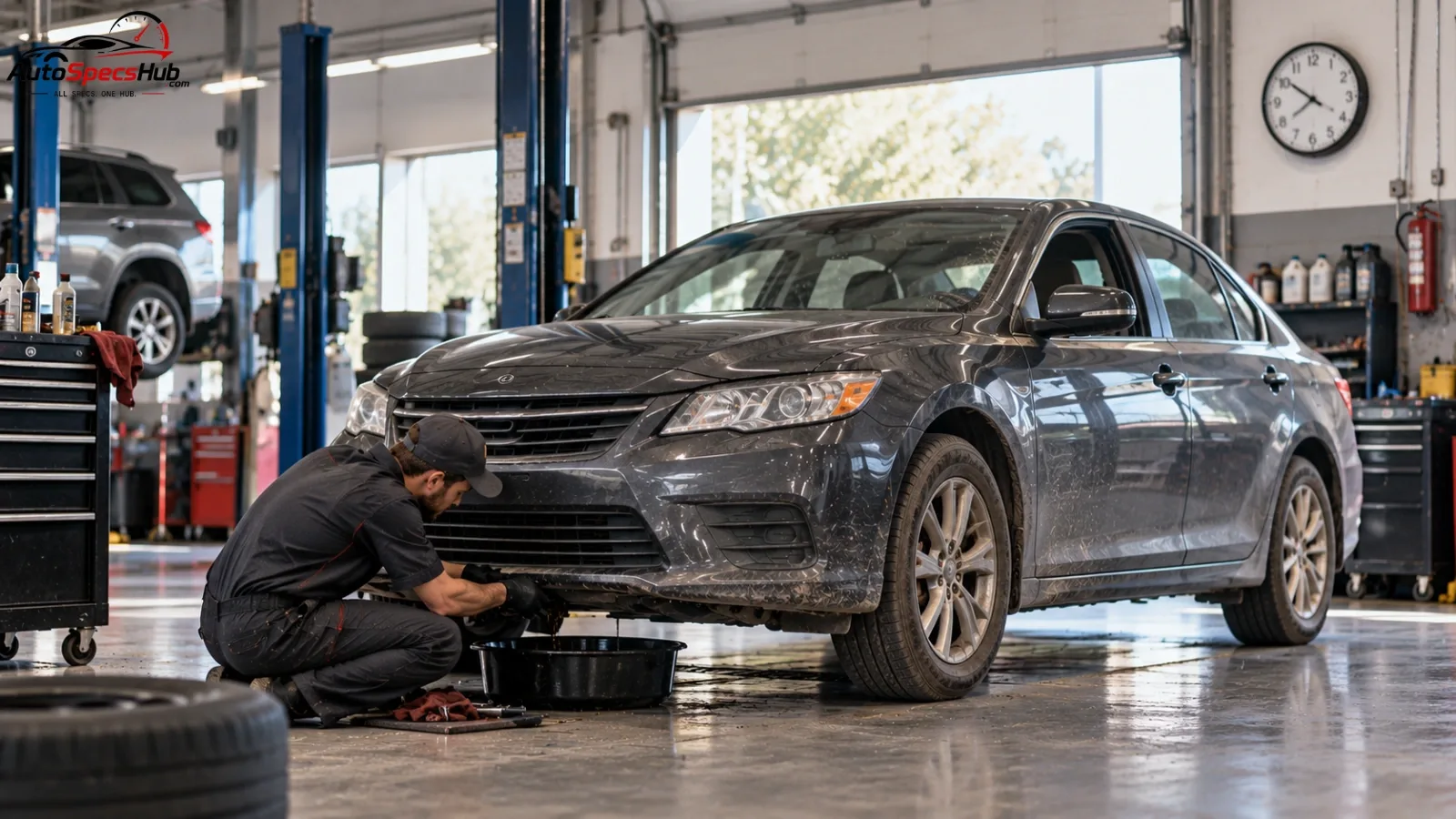
For a straightforward oil change, the service itself usually takes around 15 to 45 minutes at a professional shop. A quick-lube center may finish sooner when there is no waiting line, while a conventional repair shop can take longer because the vehicle may receive a more thorough inspection. If you change the oil yourself, expect roughly 30 to 60 minutes, especially if you're still getting familiar with the process.
The exact time depends on the shop, your vehicle, whether you have an appointment, and whether anything unexpected is found. Knowing those variables makes it easier to plan your visit without relying on an overly optimistic advertised service time.
How Much Time Should You Set Aside?
For most drivers, 30 to 60 minutes is a sensible amount of time to allow for an oil change appointment.
That doesn't mean a technician spends an hour replacing the oil. The actual service can be relatively quick, but your total visit may also include moving the vehicle into the service bay, completing paperwork, checking fluid levels, inspecting accessible components, and resetting the maintenance reminder.
A quick-lube facility with an available bay may complete a basic oil change in about 15 to 30 minutes. A repair shop may take closer to 30 to 45 minutes, particularly if it includes a basic inspection.
Dealership appointments can take longer still, especially when an oil change is combined with other scheduled maintenance or a broader vehicle inspection.
If you're working around a tight schedule, plan for the full appointment rather than the fastest possible service time. Giving yourself an hour is usually the safer approach.
Quick-Lube Service Is Usually the Fastest
Quick-lube centers are built around routine maintenance and high service volume. Their technicians perform oil changes throughout the day, so the process is usually streamlined.
When the shop isn't busy and your vehicle needs nothing beyond a standard oil and filter replacement, you may be back on the road in 15 to 30 minutes.
The catch is the queue.
A shop advertising a 15-minute oil change cannot guarantee that you'll leave 15 minutes after arriving if several vehicles are ahead of you. During busy periods, the waiting time can easily exceed the time spent actually servicing the vehicle.
If speed is your priority, an appointment or a quieter service period can make a bigger difference than the type of engine oil you choose.
Why a Repair Shop May Take Longer
A general repair shop may not match the speed of a dedicated oil-change center, but that isn't necessarily a sign of inefficient service.
While the vehicle is on the lift, technicians may check areas such as:
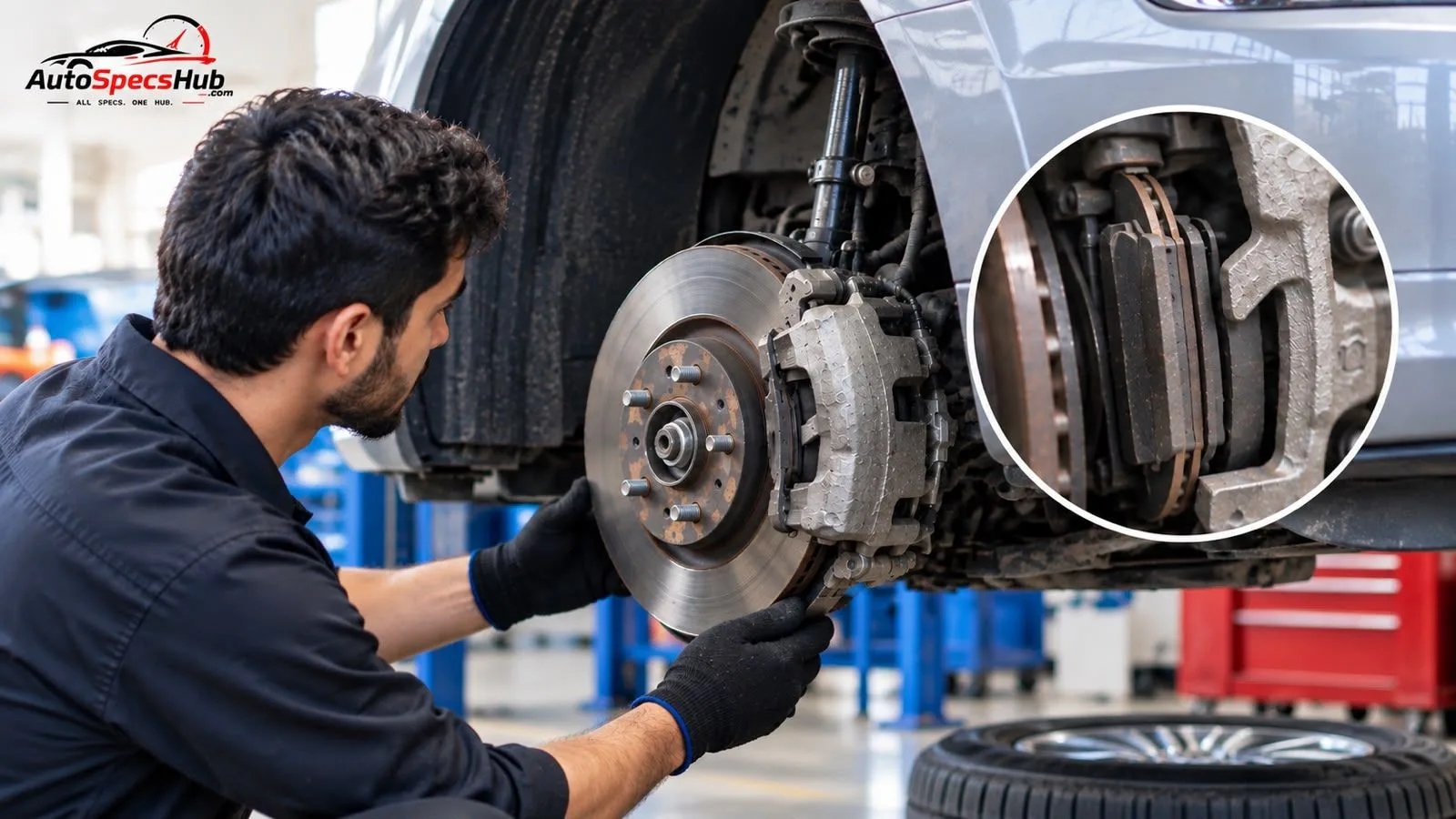
Brake condition
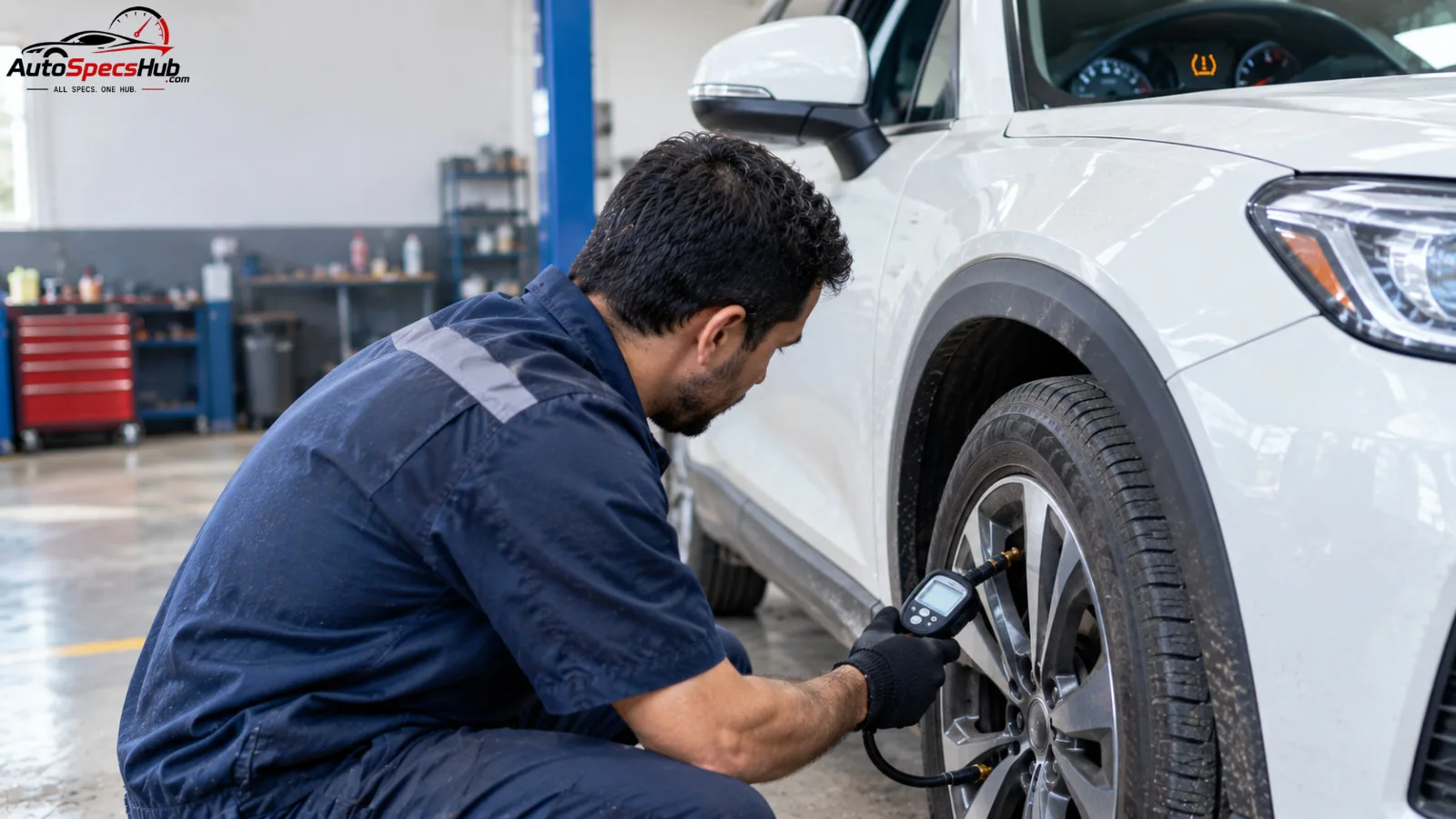
Tire condition and pressure
Fluid levels
Belts and hoses
Battery condition
Visible leaks
Suspension components
Some shops include these checks as part of their standard maintenance service. Others may charge separately for a more comprehensive inspection.
That extra time can be worthwhile because an oil change gives a technician an opportunity to notice problems you may not have seen.
For example, if you've already noticed oil collecting under your vehicle, the oil change itself won't fix the underlying leak. Understanding why a car leaks oil can help you recognize when a routine maintenance visit may actually need to become a repair appointment.
What Happens During a Normal Oil Change?
An oil change is straightforward, but there are several steps between pulling into the service bay and driving away.
The technician generally:
Positions the vehicle safely.
Drains the old engine oil.
Removes the old oil filter.
Installs a new filter.
Reinstalls the drain plug and checks for leaks.
Adds the specified amount of new oil.
Checks the final oil level.
Resets the maintenance reminder if required.
The exact procedure varies between vehicles.
Some engines have easily accessible drain plugs and filters. Others require underbody covers to be removed or have filters positioned in harder-to-reach locations. That difference can add time even when there are no mechanical problems.
A technician may also inspect the area around the engine and underneath the vehicle for signs of leaks while performing the service.
What Can Make an Oil Change Take Longer?
A routine oil change can become a much longer visit when something outside the basic service needs attention.
A busy shop: Even a 20-minute service can turn into a much longer appointment when several vehicles are waiting.
Difficult filter access: Some oil filters are positioned in awkward locations and take more time to remove and install.
Underbody covers: Certain vehicles require protective panels to be removed before the drain plug or filter can be reached.
A stuck drain plug or filter: Over-tightening during a previous service can make normally simple components difficult to remove.
Leaks or damaged components: A technician may find a leaking seal, damaged drain plug, or another problem during the service.
Additional maintenance: If you approve other repairs or maintenance, the appointment naturally becomes longer.
This is why advertised service times are best treated as estimates rather than guarantees.
Does Synthetic Oil Make an Oil Change Take Longer?
Generally, no.
Synthetic oil does not require a fundamentally different oil-change procedure. The technician still drains the old oil, replaces the filter, reinstalls the drain plug, and fills the engine with the correct oil.
The important point is to use the oil specification and viscosity recommended for your particular engine.
Synthetic oil can offer advantages in certain engines and driving conditions, but switching to synthetic does not normally add meaningful time to the service.
Don't choose an oil simply because it says “synthetic” on the bottle. The owner's manual or manufacturer's maintenance information should determine the required specification.
Your Vehicle Can Affect the Service Time
The design of the vehicle itself can make an oil change easier or more involved.
A four-cylinder sedan with easily accessible service points may be straightforward to service. A larger SUV, performance car, or vehicle with extensive underbody protection can require additional steps before the technician can reach the drain plug or filter.
Oil capacity also varies significantly. Some engines require only a few quarts, while larger engines need considerably more.
The correct filter and oil specification must also be available. If a shop doesn't have the appropriate parts in stock, the appointment may take longer or need to be rescheduled.
This can be particularly relevant with older, uncommon, or heavily modified vehicles.
If you're considering a used vehicle, understanding its maintenance requirements before buying can prevent unpleasant surprises later. Our used car checklist covers the broader checks worth making before purchasing.
How Long Does a DIY Oil Change Take?
If you already have the necessary tools and some experience, a DIY oil change can take around 30 minutes.
For your first attempt, however, 45 to 60 minutes or more is a more realistic expectation.
There's more to the job than removing the drain plug. You need to gather the correct oil and filter, prepare the vehicle, safely access the underside, drain the old oil, replace the filter, refill the engine, check the level, and clean up afterward.
Safety matters here. Never work underneath a vehicle supported only by a jack. Use properly rated jack stands or an appropriate vehicle lift, and follow the vehicle manufacturer's procedures for safely accessing the underside.
You also need somewhere appropriate to take the used oil. It should never be poured onto the ground or into a household drain. Many recycling and collection facilities accept used engine oil.
Once you've developed a routine and already have the necessary equipment, DIY servicing can become fairly quick. For a first-time owner, though, a professional service may be considerably more convenient.
Is It Faster to Change Your Own Oil or Visit a Shop?
For most drivers, a professional shop is faster overall, particularly when you have an appointment.
A DIY oil change can take less time once you're experienced, have the equipment ready, and know your vehicle well. But buying supplies, preparing the car, safely raising it, performing the work, checking everything afterward, and dealing with used oil all count toward the total time.
There is also cleanup.
For many owners, the main attraction of changing their own oil isn't saving 15 or 20 minutes. It's the control of doing the work themselves and knowing exactly which oil and filter went into the vehicle.
What Should You Ask Before Booking?
If you're trying to keep the appointment short, a few questions can save you an unnecessary wait.
Ask the shop:
Do I need an appointment?
How long does a standard oil change normally take?
Do you use the oil specification recommended for my vehicle?
Is a basic inspection included?
Will you reset the maintenance reminder?
Could additional work increase the service time?
Do you have the correct oil filter in stock?
This is particularly useful if your schedule is tight.
A realistic estimate from the shop is more useful than a promise based on the fastest possible service.
When an Oil Change Turns Into a Bigger Job
Sometimes the oil change isn't what makes the appointment take longer.
A technician might discover an oil leak, damaged drain plug, worn filter housing seal, or another issue while servicing the vehicle. If you authorize repairs, what started as routine maintenance can quickly become a much longer visit.
That doesn't mean you should automatically approve every recommendation.
Ask what the technician found, whether it affects safety or drivability, how urgent the repair is, and whether the work can reasonably wait until another appointment.
That gives you enough information to separate an immediate problem from maintenance that can be scheduled later.
Electric Cars Don't Need Engine Oil Changes
Battery-electric vehicles are a different case because they don't have conventional internal-combustion engines that require engine oil.
A fully electric vehicle therefore doesn't need routine engine-oil or engine-oil-filter changes.
It still needs maintenance. Depending on the model, that can include tires, brakes, cabin air filters, coolant systems, suspension components, battery-related systems, and other inspections.
If you own an EV, our Electric Car Maintenance Guide explains the maintenance that still matters and how EV servicing differs from conventional gasoline-powered vehicles.
Hybrids are different. A hybrid with a gasoline engine still requires engine-oil changes according to its manufacturer's maintenance schedule.
A Simple Way to Plan Your Appointment
If you're arranging an oil change around work, school, or another appointment, use these as practical planning estimates:
Quick-lube center: Allow around 30 to 45 minutes, assuming there is little or no waiting.
Repair shop: Allow around 45 to 60 minutes.
Dealership: Allow at least an hour, particularly if the appointment includes an inspection or other maintenance.
DIY: Allow about an hour if you're inexperienced. Once you've developed a routine, you may be able to complete the job considerably faster.
Treat those times as a realistic starting point, not a promise. A busy shop or an unexpected problem can add significant time.
Frequently Asked Questions
How long does an oil change take at a dealership?
A basic oil change may require roughly 30 to 60 minutes of service time, but the overall appointment can take longer because of check-in, inspections, scheduling, and other maintenance.
How long does an oil change take at a quick-lube shop?
A straightforward service can sometimes be completed in about 15 to 30 minutes when there is little or no waiting. A busy shop can make the total visit considerably longer.
How long does an oil change take for a first-time DIY?
Allow around 45 to 60 minutes for your first attempt, and potentially longer if you need to set up equipment or are unfamiliar with the vehicle.
Does an oil change include a vehicle inspection?
It depends on the shop. Many professional services include basic checks, but the extent of the inspection varies. Ask what is included before authorizing the service.
Can an oil change take two hours?
Yes. The oil change itself may not require two hours, but waiting, difficult access, parts availability, inspections, or repairs discovered during the appointment can extend the total visit.
How often should an oil change be done?
The correct interval depends on the vehicle, engine, oil specification, driving conditions, and manufacturer's maintenance schedule. Your owner's manual or official maintenance schedule is the best source for the recommended interval.
How Much Time Should You Really Allow?
For most routine oil changes, setting aside 30 to 60 minutes is a safe bet. A quick-lube center can sometimes get you out much faster, while a repair shop or dealership may take longer because of inspections, waiting, or additional maintenance.
If you're booking around work or another appointment, don't plan around the shop's fastest advertised time. Give yourself some breathing room. If the oil change uncovers a leak, worn component, or another problem, you'll be glad you didn't schedule the rest of your day down to the minute.
For a straightforward service, though, an oil change is usually one of the easier maintenance jobs to fit into a busy schedule.