
How Often Should You Replace Spark Plugs? A Complete Maintenance Guide
Learn how often you should replace spark plugs, including recommended replacement intervals, warning signs of worn plugs, mileage considerations, and tips for proper spark plug maintenance.
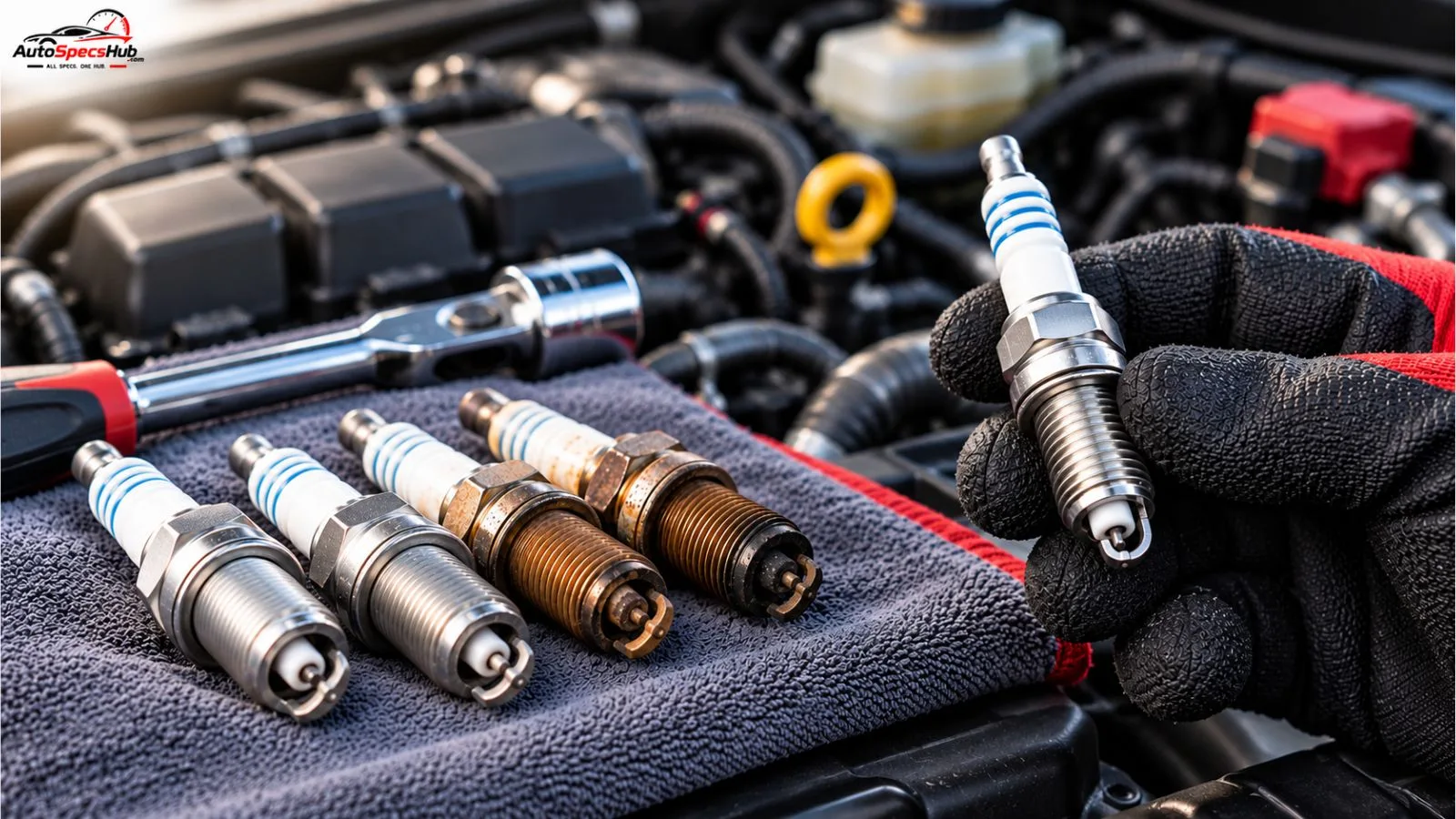
Spark plugs are small components, but they play a major role in how a gasoline engine starts, runs, and performs. They create the spark needed to ignite the air-fuel mixture inside the combustion chamber, making them an important part of the ignition system. Like other maintenance items, spark plugs eventually wear out, but there is no single replacement interval that applies to every vehicle.
The right replacement schedule depends on the vehicle manufacturer's recommendation, spark plug type, engine design, driving conditions, and the condition of the plugs themselves. Some vehicles may need replacement relatively frequently, while others can go much longer between changes. Understanding when to replace spark plugs can help maintain smooth engine performance and prevent avoidable running problems.
How Often Should You Replace Spark Plugs?
The simplest answer is to follow the replacement interval specified by your vehicle manufacturer. Depending on the vehicle and the type of spark plugs installed, replacement intervals can vary considerably.
Older vehicles with conventional spark plugs may require replacement at shorter intervals, while vehicles equipped with modern iridium or platinum spark plugs can often go considerably longer before replacement is required.
Mileage is useful as a general reference, but it should not be the only factor you consider. A vehicle that is driven mostly in heavy traffic, frequently starts and stops, or operates under demanding conditions may experience different wear compared with a vehicle used mainly for steady highway driving.
Your owner's manual or manufacturer maintenance schedule should therefore be the starting point. If the manufacturer specifies an inspection or replacement interval, following that recommendation is more reliable than using a generic mileage figure found online.
Why Do Spark Plugs Need to Be Replaced?
Spark plugs operate in an extremely demanding environment. They are exposed to high temperatures, combustion pressure, electrical voltage, and repeated ignition cycles.
Over time, the electrodes can wear and the gap between them can change. Deposits can also build up on the plug, affecting its ability to produce a strong and consistent spark.
As a spark plug wears, the ignition system may have to work harder to produce the required spark. Eventually, the plug may misfire or fail to ignite the mixture consistently.
Worn spark plugs can contribute to:
Rough engine operation
Difficult starting
Engine misfires
Reduced acceleration
Poor fuel economy
Hesitation
Increased emissions
Replacing worn plugs at the appropriate interval helps maintain reliable ignition and consistent engine operation.
Different Types of Spark Plugs
Not all spark plugs are designed to last the same amount of time.
Copper Spark Plugs
Copper spark plugs have traditionally been used in many older or specific engine applications. They can provide effective ignition performance but generally have a shorter service life than some modern premium plug designs.
Platinum Spark Plugs
Platinum spark plugs use a harder-wearing platinum material on the electrode. They are designed to last longer than conventional plugs and are commonly found in various modern gasoline engines.
Iridium Spark Plugs
Iridium is a particularly durable material that allows manufacturers to use a relatively fine electrode design. Iridium spark plugs are commonly used in modern engines and can have long service intervals.
The exact lifespan of any plug depends on the engine and application, so the material alone should not be used to determine when replacement is necessary.
What Are the Signs of Bad Spark Plugs?
Spark plugs do not always fail suddenly. In many cases, worn plugs gradually affect engine operation.
Common warning signs include rough idling, hesitation when accelerating, difficult starting, reduced engine performance, and an increase in fuel consumption.
Worn spark plugs can also contribute to a rough or shaking idle, although problems with ignition coils, vacuum leaks, engine mounts, or fuel-system components can produce similar symptoms. Several factors can cause a vehicle to shake while idling, so it is important to consider the full range of possible issues before assuming worn spark plugs are the cause.
Other signs can include an engine misfire, poor throttle response, or a noticeable change in how smoothly the engine runs.
An illuminated check engine light can also indicate an engine misfire. Because a misfire can have several causes, proper diagnosis is important rather than replacing parts without identifying the source.
How Many Miles Do Spark Plugs Last?
There is no universal mileage figure for every spark plug.
Some conventional plugs may require relatively frequent replacement, while certain platinum and iridium plugs are designed for much longer service intervals. The vehicle manufacturer's schedule should always take priority.
The engine itself also matters. A high-performance or turbocharged engine may place different demands on its ignition system than a naturally aspirated engine.
The best approach is to find the maintenance schedule for your exact vehicle, engine, model year, and market. If you are buying a used car and do not know when the plugs were last replaced, checking the maintenance history can help determine whether replacement may be due.
Can Worn Spark Plugs Reduce Fuel Economy?
Yes, worn or fouled spark plugs can contribute to reduced fuel economy when they cause inefficient combustion or misfires.
A healthy ignition system helps the engine burn the air-fuel mixture consistently. When spark plugs become worn, ignition performance may deteriorate.
However, poor fuel economy is not automatically a spark plug problem. Tire pressure, driving habits, fuel quality, air filters, engine sensors, fuel injectors, brakes, and other mechanical issues can also affect fuel consumption.
If fuel economy suddenly becomes worse, it is better to investigate the entire vehicle rather than replacing spark plugs without checking for other possible causes.
Can Bad Spark Plugs Cause a Misfire?
Yes. A worn, damaged, fouled, or incorrectly gapped spark plug can cause an ignition misfire.
A misfire occurs when combustion does not happen correctly in one or more cylinders. The engine may feel rough, hesitate, shake, or lose power.
However, spark plugs are only one possible cause. A faulty ignition coil, damaged wiring, fuel injector problem, vacuum leak, compression issue, or sensor fault can also produce a misfire.
If the check engine light is flashing, continued driving may potentially cause further damage to the emissions system. The vehicle should be diagnosed as soon as practical rather than assuming that replacing the spark plugs will solve the problem.
Should You Replace All Spark Plugs at Once?
In most engines, replacing the complete set at the same time is generally the practical approach when the scheduled replacement interval has been reached.
Replacing only one plug may leave the remaining older plugs in service with different levels of wear. A complete set also makes it easier to maintain consistent ignition performance across the engine.
There can be exceptions when diagnosing an individual failed component, but routine maintenance usually follows the manufacturer's recommended replacement procedure.
Whenever spark plugs are replaced, the correct plug type and specification should be used. Using the wrong plug can affect ignition performance and may cause other problems.
Should Spark Plugs Be Inspected Before Replacement?
Inspection can provide useful information about engine operation.
A mechanic may examine removed spark plugs for signs of abnormal deposits, oil contamination, overheating, physical damage, or unusual wear.
The appearance of a spark plug can sometimes provide clues about conditions inside the combustion chamber. For example, excessive deposits may point toward an underlying issue rather than simply an old spark plug.
However, interpreting plug condition accurately requires experience and consideration of the specific engine. A single visual observation should not be treated as a definitive diagnosis.
What Happens If You Don't Replace Spark Plugs?
Continuing to use spark plugs beyond their recommended service interval can eventually affect engine performance.
As the electrodes wear, the spark may become less consistent. The engine may develop rough running, hesitation, difficult starting, or misfires.
In severe cases, repeated misfires can contribute to increased emissions and potentially damage components such as the catalytic converter.
That does not mean a vehicle will immediately develop serious problems when a replacement interval is exceeded by a small amount. Maintenance schedules are recommendations based on expected service life, and actual wear varies.
Still, deliberately ignoring replacement recommendations for long periods is unnecessary when spark plugs are a relatively routine maintenance item.
How Long Does Spark Plug Replacement Take?
The time required to replace spark plugs varies significantly between vehicles.
On a simple engine with easily accessible plugs, replacement may be relatively straightforward. On other engines, components such as covers, intake parts, or other equipment may need to be removed before the plugs can be reached.
The number of cylinders also affects the job.
A professional technician can usually determine the required labor time based on the exact vehicle and engine. If you are comparing service quotes, make sure the estimate includes the correct spark plugs and any additional work required to access them.
Can You Replace Spark Plugs Yourself?
Spark plug replacement can be a manageable maintenance task for someone with the correct tools and experience, but it is important to follow the manufacturer's procedure.
Using the correct plug specification, tightening it to the correct torque, and avoiding damage to the threads are all important.
Modern engines can also have ignition coils, wiring, and other components positioned directly above the plugs. Careless removal or installation can damage these parts.
If you are unfamiliar with the process or do not have the appropriate tools, professional replacement may be the safer option.
How Much Does Spark Plug Replacement Cost?
The cost depends on the vehicle, engine, spark plug type, number of cylinders, and labor required.
A four-cylinder engine with easily accessible plugs may cost considerably less to service than a larger engine where access is difficult.
Premium iridium or platinum plugs may also cost more than conventional alternatives.
When comparing prices, make sure you know which plugs are being installed and whether the quoted price includes labor. The cheapest option is not necessarily appropriate if the plugs do not meet the manufacturer's specifications.
How to Make Spark Plugs Last Longer
Following the manufacturer's maintenance schedule is the most important step.
Regular servicing also helps ensure that spark plugs and other maintenance items are replaced at the appropriate intervals. Following a consistent car service schedule can help you stay on top of routine inspections, fluid changes, filter replacements, ignition components, and other important maintenance tasks.
Other good maintenance habits include using the correct fuel recommended for the vehicle, addressing engine problems promptly, keeping the ignition system in good condition, and replacing related components according to the manufacturer's schedule.
If an engine develops an oil leak, fuel-system problem, cooling issue, or ignition fault, repairing the underlying problem can help prevent premature spark plug fouling or damage.
Spark Plug Replacement and Used Cars
Spark plug history can be especially useful when buying a used vehicle.
If the seller has service records showing that the spark plugs were replaced according to the recommended schedule, that provides useful maintenance information. If there is no record, you may want to consider the vehicle's mileage, engine condition, and manufacturer's service interval.
Spark plugs should not be considered in isolation. A used car inspection should also cover the engine, transmission, brakes, tires, suspension, electrical equipment, fluids, and service history.
A used car checklist can help you organize these inspection points and avoid overlooking important maintenance and condition issues when evaluating a vehicle.
Frequently Asked Questions
How often should spark plugs be replaced?
The interval varies by vehicle and spark plug type. Always check the manufacturer's maintenance schedule for your specific engine rather than relying on a universal mileage recommendation.
How do I know if my spark plugs need replacing?
Common signs can include rough idling, difficult starting, hesitation, reduced acceleration, poor fuel economy, and engine misfires. These symptoms can also have other causes, so diagnosis is important.
Do iridium spark plugs last longer?
Iridium spark plugs are generally designed for long service life, but the correct replacement interval still depends on the specific vehicle and manufacturer's recommendations.
Can bad spark plugs affect fuel economy?
Worn or fouled spark plugs can contribute to poor fuel economy if they cause inefficient combustion or misfires. However, many other vehicle problems can also reduce fuel efficiency.
Should I replace all spark plugs together?
For routine maintenance, replacing the complete set is generally the practical approach because it keeps the plugs at a similar age and wear level. Follow the manufacturer's recommended procedure for your specific engine.
Final Thoughts
Spark plugs are relatively small and inexpensive compared with many major engine components, but their condition can have a noticeable effect on how a gasoline engine starts, idles, accelerates, and runs.
There is no single replacement interval that applies to every car. The correct schedule depends on the vehicle manufacturer, engine design, spark plug type, mileage, driving conditions, and actual plug condition.
The safest approach is to follow the maintenance schedule for your exact vehicle rather than relying on a universal mileage number. If your car develops rough running, hesitation, difficult starting, reduced performance, or misfires, spark plugs should be considered as one possible cause, but other ignition, fuel, and engine problems should also be investigated.
Replacing spark plugs at the appropriate interval is a relatively simple part of preventive maintenance. More importantly, paying attention to warning signs and keeping accurate service records can help you catch developing problems before they become more expensive repairs.