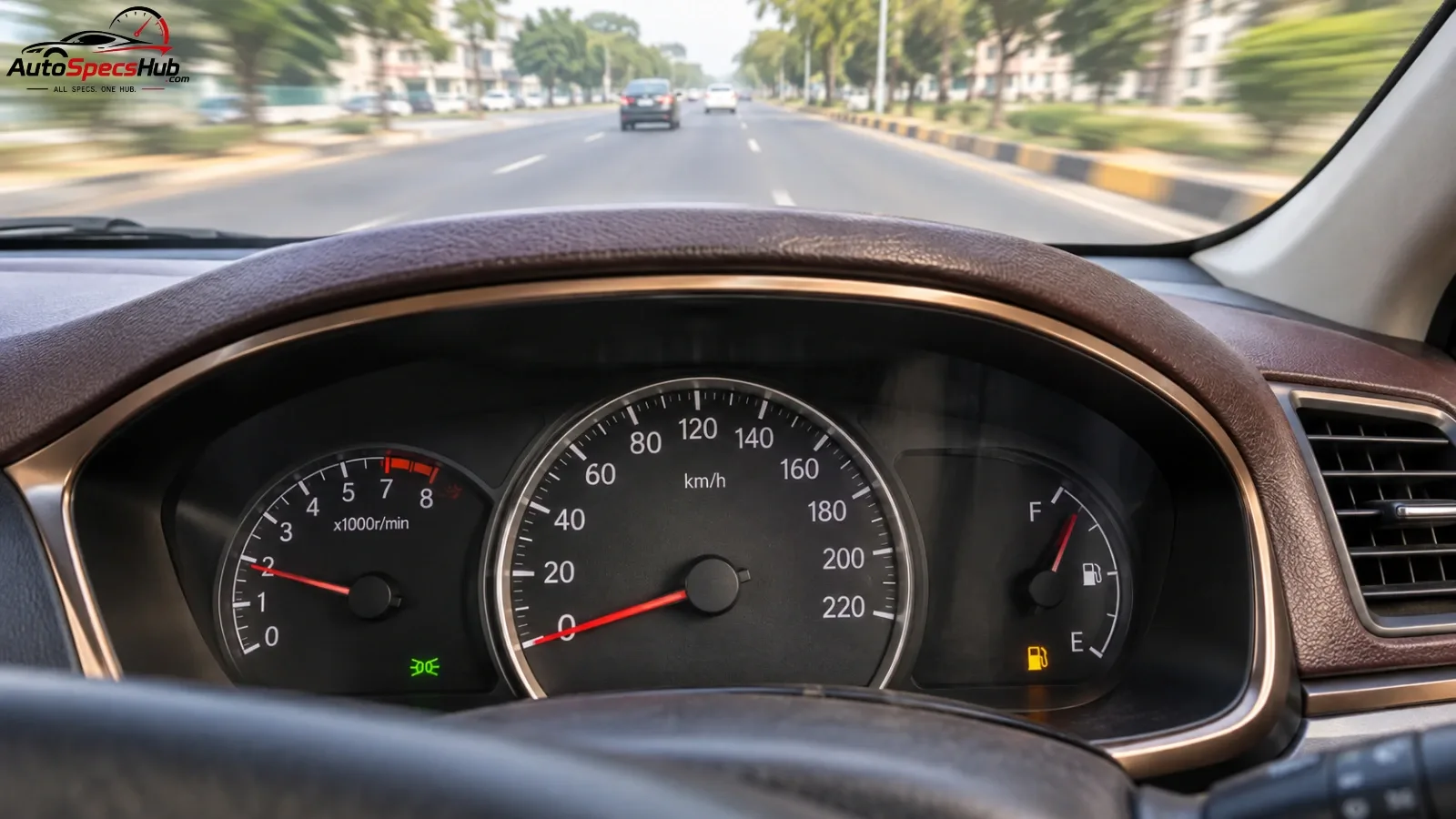

Vehicle Shakes While Idling: What's Actually Causing It and How to Fix It
Vehicle shakes while idling? Learn the real causes, from worn spark plugs to failing engine mounts, how to tell them apart, and when it's serious.
Feel a shake through the seat every time you're stopped at a light? That's your engine, not your imagination, and the good news is that the fix is usually a lot cheaper than the moment makes it feel.
In most cases, a vehicle shaking while idling comes from a misfire (usually worn spark plugs or a failing ignition coil), a vacuum leak, a worn engine mount, or a dirty fuel system component. Less commonly, it points to something more serious like low compression or a failing idle air control valve. Here's how to tell which one you're dealing with, and what to do about each.
The Most Common Causes
These are the issues that show up most often when a car shakes at idle, roughly in order of how frequently they're the culprit.
Worn or fouled spark plugs. When a spark plug can't fire consistently, the cylinder it's in either misfires or fails to combust at all. That creates an imbalance in the engine's power delivery, which you feel as a shake, especially at idle when the engine is running slowest and has the least momentum to smooth things out.
Failing ignition coils. Coils deliver the voltage that makes the spark plug fire. A weak or dying coil produces the same misfire symptoms as a bad spark plug, and on many modern engines with coil-on-plug setups, a scan tool can usually tell you which cylinder is affected.
Vacuum leaks. A cracked hose or a bad intake gasket lets unmetered air into the engine, which throws off the air-fuel ratio right when the engine is most sensitive to it. Vacuum leaks tend to produce a rough, uneven idle rather than a single strong pulse.
Worn or broken engine mounts. Mounts are what isolate normal engine vibration from the cabin. When rubber mounts crack or a mount fails structurally, vibration that used to be absorbed gets transmitted straight into the frame, and you feel it most clearly when the car is stationary. The same worn mounts often show up again later, under a different name, if the shake gets worse specifically when you press the gas rather than while sitting still, which points toward the pattern covered in our car shaking when accelerating guide rather than this one.
Dirty or clogged fuel injectors. Injectors that don't deliver fuel evenly across cylinders create the same kind of imbalance as a misfire, just from the fuel side instead of the ignition side.
Failing idle air control valve (IACV). This valve manages airflow at idle speed. When it sticks or fails, idle RPM becomes unstable, which often feels like a shake or a surge rather than a constant vibration.
A dirty throttle body. Carbon buildup around the throttle plate can disrupt airflow just enough to cause a rough idle, particularly on higher-mileage vehicles that haven't had a throttle body cleaning.
How to Narrow Down the Cause
A few observations can point you toward the right system before you ever open the hood.
What you notice | Likely area |
Check engine light with misfire code (P030X) | Ignition system: plugs, coils |
Rough idle, smooths out at higher RPM | Vacuum leak or IACV |
Shake worsens in Drive or with AC on | Engine mount |
Shake present since a recent tune-up or plug change | Ignition system, check connections |
Persistent since cold start, disappears once warm | Cold-start misfire, ignition |
Rough idle plus poor fuel economy or hesitation | Fuel injectors or air-fuel imbalance |
If your car has an OBD-II port, a basic scan tool can save a lot of guesswork. A stored misfire code narrows things down immediately, and live data like long-term fuel trim can confirm a vacuum leak if the value runs high at idle and drops once you're driving. None of this applies if the shake only shows up at highway speed through the steering wheel rather than at a stop, though, since that's a tire, wheel, or alignment issue and a different diagnostic path entirely, one our steering wheel vibration guide walks through.
When It Could Be Something More Serious
Most causes of idle shake are inexpensive to fix. A smaller number point to bigger problems.
Low compression in one or more cylinders means that cylinder isn't contributing evenly to the engine's power output. That produces a persistent, often stronger shake that doesn't go away with a simple parts swap, and a compression or leakdown test from a mechanic can confirm it.
A stretched timing chain or a timing belt that's jumped a tooth can also cause rough idling and misfires, along with other symptoms like poor acceleration. This isn't something to diagnose or fix yourself, and it's worth getting looked at promptly since timing problems can escalate into engine damage.
What Happens If You Ignore It
A shake at idle isn't usually dangerous on its own, but the underlying cause often gets worse if it's left alone. A misfire that continues over time sends unburned fuel into the exhaust system, which puts extra stress on the catalytic converter and can shorten its life significantly. If you've also noticed a sulfur smell, reduced power, or a check engine light along with the shaking, it's worth reading through the signs of catalytic converter failure to see whether the two might be connected.
Preventing Idle Shake Before It Starts
Most of the causes above are preventable with routine maintenance rather than reactive repairs.
Replace spark plugs at the interval listed in your owner's manual, since worn plugs are the single most common cause of idle misfire
Have vacuum hoses and intake gaskets inspected during regular service visits, particularly on vehicles past 80,000 miles
Keep up with fuel system cleaning to prevent injector buildup
Have engine mounts checked if the vehicle has higher mileage or you've noticed increasing vibration over time
Staying on top of a regular service schedule catches most of these issues while they're still minor, and knowing how often your car actually needs to be serviced makes it easier to stay ahead of them instead of reacting after the shaking starts.
FAQs
Is it safe to drive a car that shakes while idling?
For a mild shake with no warning lights, short trips are usually fine while you get it diagnosed. If the shaking is severe, sudden, or paired with a flashing check engine light, stop driving and have it checked, since a flashing light specifically indicates an active misfire that can damage the catalytic converter quickly.
Why does my car only shake at idle and not while driving?
At higher RPM, the engine has more momentum and airflow, which can mask a minor misfire or vacuum leak that's very noticeable at the slower, more sensitive idle speed. This pattern usually points to ignition, vacuum, or idle air control issues rather than something structural.
Can bad gas cause a car to shake at idle?
Yes, though it's less common than mechanical causes. Contaminated or very low-quality fuel can cause uneven combustion and a rough idle, and it usually resolves once the tank runs low and is refilled with quality fuel.
How much does it cost to fix a car that shakes at idle?
It depends entirely on the cause. Spark plugs typically run well under $200 installed, while an engine mount replacement or ignition coil job can run higher, and a timing chain issue is a much larger repair. Getting an accurate diagnosis first prevents paying for parts that weren't actually the problem.
Will an oil change fix a shaking idle?
Not directly, but a fresh oil change is sometimes part of a broader tune-up that also includes spark plugs and filter checks, which can resolve mild shaking if fouled plugs or a dirty air filter were contributing factors.
Bottom Line
A vehicle shaking while idling almost always comes down to a handful of usual suspects: worn spark plugs, a failing ignition coil, a vacuum leak, a worn engine mount, or dirty fuel injectors. A basic OBD-II scan and a few observations about when the shake happens will point you toward the right system faster than guesswork. The bigger risk isn't the shake itself, it's what happens if the underlying cause, especially a misfire, gets left unaddressed long enough to damage other components.