
Why Is My Car Shaking When Accelerating? Common Causes and Fixes
Is your car shaking when accelerating? Learn the most common causes, from engine misfires and worn mounts to CV joints, tires, and transmission problems, plus what to check and when to stop driving.

If your car shakes when accelerating, the cause could be anything from a worn engine mount or damaged tire to an engine misfire or drivetrain problem. Because acceleration puts extra load on the engine and drivetrain, some faults only become noticeable when you press the accelerator.
The timing, speed, and type of vibration can provide important clues. A shake that happens only under acceleration points toward different problems than a vibration that continues while cruising or appears only when braking.
Why Does a Car Shake When Accelerating?
A car can shake during acceleration when an engine, rotating component, or drivetrain part cannot operate smoothly under load.
Common causes include engine misfires, worn engine mounts, damaged CV joints or axles, tire or wheel problems, driveshaft faults, transmission issues, fuel or air-intake problems, and certain suspension faults.
The pattern of the vibration matters. If the shaking appears mainly when you accelerate and becomes less noticeable when you lift off the throttle, the engine, axle, CV joints, or drivetrain deserve particular attention.
If the vibration follows vehicle speed rather than acceleration, the wheels, tires, wheel bearings, or suspension may be more likely.
Engine Misfire
An engine misfire is one of the most important causes to consider when a car shakes during acceleration.
A misfire occurs when one or more cylinders fail to burn the air-fuel mixture correctly. Because the engine is not producing power evenly, you may feel shaking, hesitation, or a noticeable loss of power.
Common causes include worn spark plugs, faulty ignition coils, damaged spark-plug wires on applicable engines, fuel injector problems, low fuel pressure, vacuum leaks, and certain sensor or engine-management faults.
A misfire can become more noticeable when the engine is under load, so the vehicle may feel relatively smooth at idle but shake when accelerating. Other symptoms can include poor fuel economy, rough running, reduced power, or a check-engine warning.
A flashing check engine light is particularly important because it can indicate an active misfire that may damage the catalytic converter. Avoid unnecessary driving and have the vehicle inspected promptly.
Worn or Broken Engine Mounts
Engine mounts secure the engine to the vehicle while reducing normal engine vibration.
When a mount becomes worn, cracked, or broken, the engine can move excessively as torque increases during acceleration. This can produce vibration through the cabin, a thump when accelerating, excessive engine movement, clunking when shifting between drive and reverse, or increased vibration at idle.
The engine itself may be running normally even when a mount has failed. Since vehicles can have several mounts, proper inspection is important before replacing one.
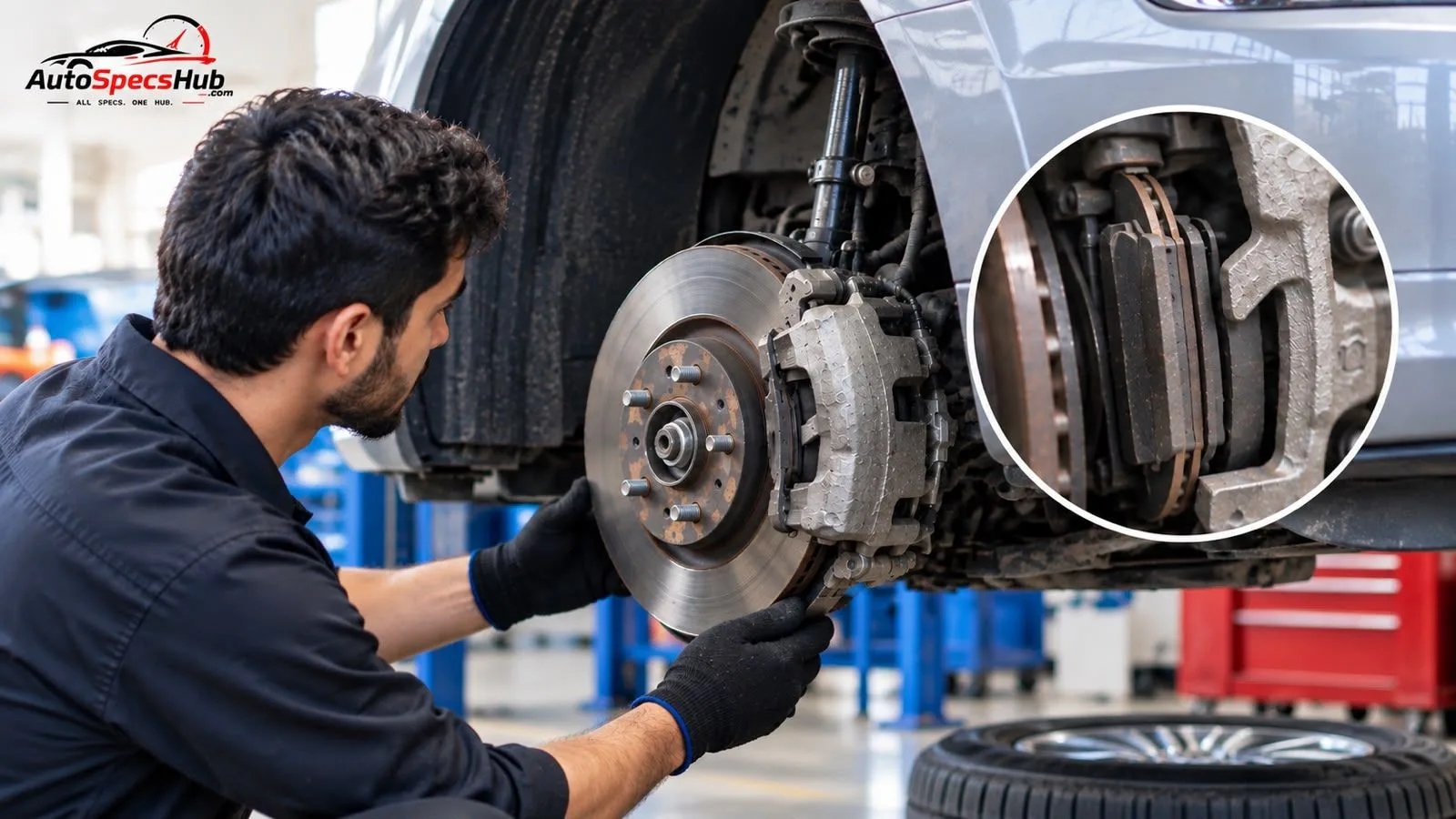
Damaged CV Joints or Axles
CV joints transfer power from the transmission or differential to the wheels while allowing the suspension and steering to move.
A worn inner CV joint can cause vibration that becomes more noticeable under acceleration. An outer CV joint is more commonly associated with clicking or popping during tight turns.
Other signs can include vibration that decreases when you release the accelerator, clicking during turns, grease around a damaged CV boot, or clunking from the drivetrain.
A bent or damaged axle can produce similar symptoms. Because these components transfer power directly to the wheels, significant damage should be inspected promptly.
The drivetrain layout also affects which components are used. Understanding the differences between FWD and AWD drivetrains can help explain why CV axles, differentials, and other power-delivery components vary between vehicles.
Tire and Wheel Problems
Not every acceleration vibration comes from the engine or transmission.
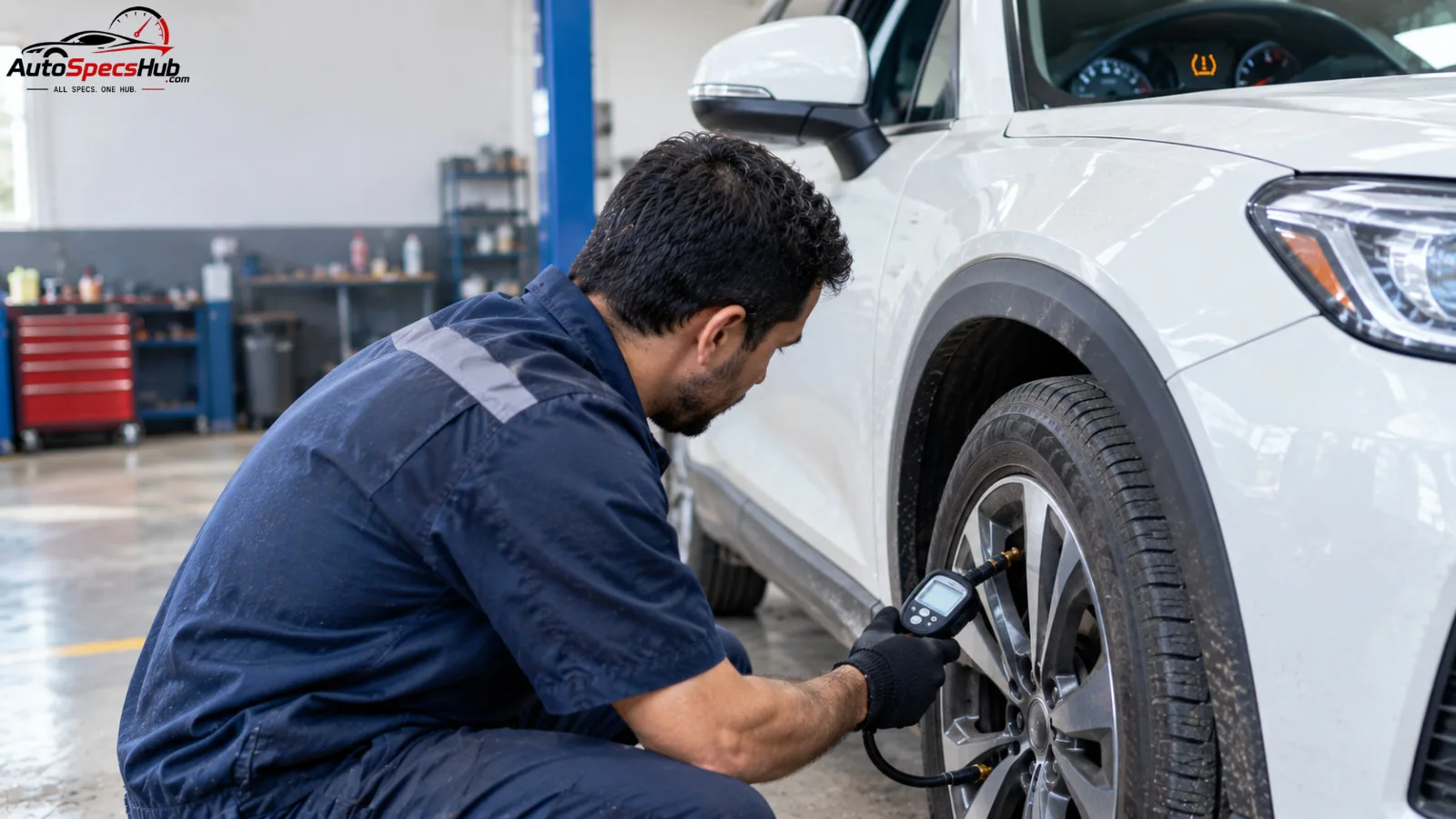
A damaged tire, bent wheel, poor wheel balance, or uneven tread wear can cause vibration that becomes noticeable at certain speeds. Incorrect tire pressure can also affect how the vehicle behaves.
One useful clue is whether the vibration follows road speed. If the vehicle continues to shake while cruising at the same speed after you stop accelerating, the tires and wheels deserve particular attention.
Check for uneven tread wear, tire bulges or sidewall damage, bent wheels, missing wheel weights, incorrect tire pressure, or signs of tire separation.
If you are evaluating a used vehicle, unusual vibration and tire wear should also be considered during a proper used-car inspection.
If a tire has visible structural damage or the vibration is severe, have it inspected before continuing to drive.
Driveshaft and Universal-Joint Problems
Rear-wheel-drive and four-wheel-drive vehicles may use a driveshaft to transfer power between the transmission and differential.
A worn driveshaft component, universal joint, center support bearing, or related part can create vibration when the drivetrain is under load.
Possible symptoms include vibration during acceleration, clunking when accelerating or releasing the throttle, driveline noise, vibration at particular speeds, or sensations coming from underneath the vehicle.
Because these components rotate at high speed, unusual vibration or clunking from underneath the vehicle should be professionally inspected.
Transmission Problems
Transmission problems can cause shaking, particularly when the vibration occurs during gear changes or is accompanied by hesitation.
Automatic transmission symptoms may include shuddering during shifts, delayed engagement, harsh gear changes, slipping, engine revs rising without matching acceleration, or vibration under load.
Some vehicles can also develop torque-converter shudder under specific driving conditions.
Manual transmissions can develop clutch-related vibration from a worn clutch, damaged flywheel, or another drivetrain component.
Because transmission symptoms can overlap with engine and axle problems, diagnosis should be based on the complete set of symptoms rather than replacing parts by guesswork.
Fuel and Air-Intake Problems
The engine needs the correct amount of air and fuel to produce power smoothly. Problems in either system can cause hesitation or shaking when the engine is under load.
Potential causes include restricted fuel delivery, faulty or dirty fuel injectors, low fuel pressure, a clogged air filter, vacuum leaks, faulty sensors, throttle-body problems, and air-intake leaks.
A problem that is barely noticeable at idle may become more obvious during acceleration because the engine requires substantially more air and fuel.
Modern engine-management systems can detect some faults and store diagnostic trouble codes, but a code does not automatically identify the failed component. Proper testing is still necessary.
Suspension and Steering Problems
Suspension problems are less likely to be the direct cause when shaking occurs only during acceleration, but worn or damaged components can contribute to vibration and instability.
Possible sources include worn control-arm bushings, damaged ball joints, worn wheel bearings, loose steering components, damaged suspension parts, and poor wheel alignment.
These faults can also cause uneven tire wear, steering-wheel vibration, pulling to one side, or unusual noises.
If acceleration-related shaking is accompanied by steering changes or instability, have the vehicle inspected promptly.
What the Shaking Pattern Can Tell You
The type and timing of the vibration can help narrow down the possible cause before diagnostic work begins.
Symptom | Possible Cause |
Shaking with loss of engine power | Misfire or fuel/air problem |
Shaking mainly under acceleration | CV joint, axle, engine mount, or drivetrain issue |
Vibration at a specific road speed | Tire, wheel, or balance problem |
Shudder during gear changes | Transmission or clutch issue |
Clunk when accelerating | Engine mount or drivetrain component |
Clicking during turns | Outer CV joint |
Steering-wheel vibration | Wheel, tire, alignment, or suspension problem |
Flashing check-engine light | Potential active engine misfire |
These are useful clues rather than definitive diagnoses. Several faults can produce similar symptoms, so professional testing may still be required.
Is It Safe to Drive a Car That Shakes When Accelerating?
It depends on the severity and underlying cause.
A mild vibration caused by wheel imbalance does not carry the same risk as a severe engine misfire, damaged axle, or failing drivetrain component.
However, stop driving and seek professional assistance if the shaking is severe, suddenly worsens, or occurs with a flashing check-engine light, major loss of power, loud knocking or grinding, smoke or burning smells, fluid leaks, steering instability, strong clunking from underneath, or difficulty controlling the vehicle.
Continuing to drive with a serious mechanical fault can increase repair costs and potentially create a safety hazard.
What to Check Before Repairing the Problem
Before assuming a major mechanical failure, note exactly when the shaking begins and whether it changes with engine speed or vehicle speed.
Check for warning lights, uneven tire wear, low tire pressure, visible tire or wheel damage, fluid leaks, unusual engine noises, clicking or clunking, rough idle, and loss of acceleration power.
The exact engine, drivetrain, and transmission configuration also matters because these components can vary between model years and trims. Checking the relevant vehicle specifications can help establish which systems your particular vehicle uses.
How Much Does It Cost to Fix a Car That Shakes When Accelerating?
Repair costs vary widely because the underlying problem could be a relatively simple tire or ignition issue or a more expensive drivetrain fault.
A wheel balance or basic ignition repair may cost relatively little, while a CV axle, engine mount, driveshaft, clutch, or transmission repair can cost substantially more.
The final price depends on the failed component, vehicle make and model, parts availability, labor rates, the choice between OEM and aftermarket parts, and whether secondary damage has occurred.
The best approach is to diagnose the cause first rather than replacing parts based only on the sensation of vibration.
Preventing Acceleration Vibration
Regular maintenance can reduce the likelihood of several problems that cause shaking.
Follow the manufacturer's service schedule and keep up with spark plug replacement when required, tire-pressure checks, tire rotation and inspection, wheel alignment when necessary, fluid checks, air-filter replacement, and drivetrain and suspension inspections.
Pay attention to new vibrations, noises, warning lights, or changes in acceleration. Catching a developing problem early can sometimes prevent a minor fault from becoming a more expensive repair.
Why Is My Car Shaking When Accelerating? The Bottom Line
A car that shakes when accelerating can have several causes, including engine misfires, worn mounts, damaged CV joints, tire and wheel problems, driveshaft faults, and transmission issues.
The most useful clue is when the vibration occurs. A shake that appears specifically under acceleration points more toward the engine or drivetrain, while vibration that follows road speed can point toward the tires, wheels, or suspension.
If the shaking is severe or accompanied by a flashing check-engine light, major power loss, unusual noises, fluid leaks, or steering problems, have the vehicle inspected promptly rather than continuing to drive it.
Frequently Asked Questions
Why does my car shake only when I accelerate?
Shaking that occurs mainly during acceleration can be caused by an engine misfire, worn engine mount, damaged CV joint or axle, driveshaft problem, or another drivetrain fault. The exact cause depends on the vehicle and accompanying symptoms.
Can bad spark plugs cause a car to shake when accelerating?
Yes. Worn or faulty spark plugs can cause an engine misfire, particularly under load. The result may be shaking, hesitation, reduced power, poor fuel economy, or a check-engine warning.
Can a bad CV joint cause shaking during acceleration?
Yes. A worn inner CV joint or damaged axle can cause vibration that becomes more noticeable when the vehicle is accelerating. Clicking during turns can also indicate an outer CV-joint problem.
Is a shaking car dangerous to drive?
It can be, depending on the cause and severity. Severe vibration, steering instability, major power loss, a flashing check-engine light, loud mechanical noises, or visible damage are reasons to stop driving and have the vehicle inspected.
Can low tire pressure cause a car to shake?
Incorrect tire pressure can affect handling and may contribute to vibration, although acceleration-specific shaking is not always caused by tire pressure. Tire damage, uneven wear, wheel imbalance, or a bent wheel can also produce vibration.
Why does my car shake when accelerating but not when idling?
Some faults only become noticeable when the engine or drivetrain is under load. Engine misfires, CV-joint problems, engine mounts, and other drivetrain issues can therefore cause shaking during acceleration even when the vehicle feels relatively smooth at idle.