
How Often Should You Replace Windshield Wipers? Signs of Wear and When to Change Them
Find out how often you should replace windshield wipers, recognize signs of worn blades, and learn when to change them to maintain clear visibility and safer driving.
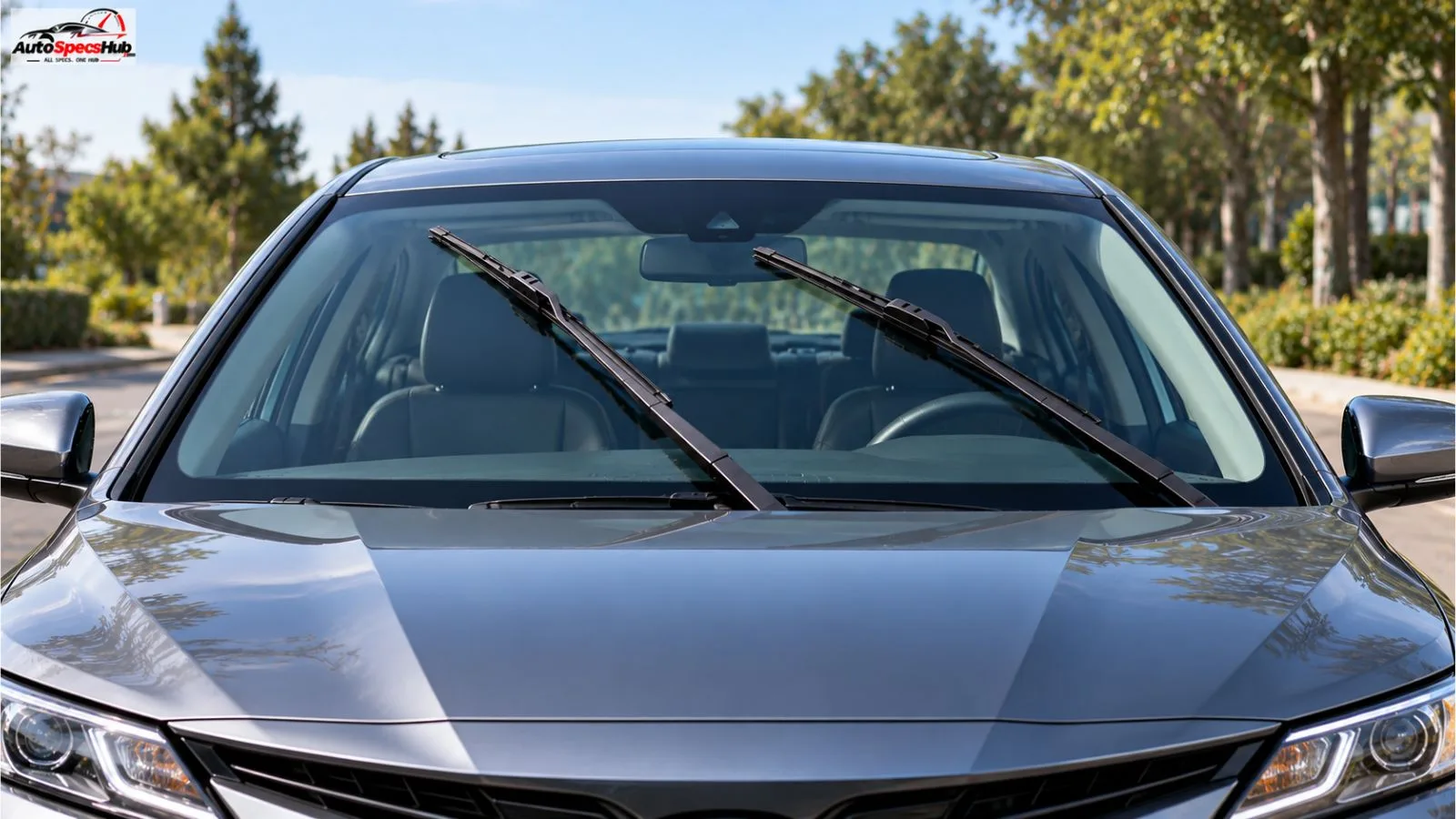
Windshield wipers are easy to overlook until rain, dust, or road spray makes it difficult to see through the windshield. Although wiper blades are relatively inexpensive, worn blades can leave streaks, create distracting noises, and reduce visibility when you need it most. Replacing them at the right time helps maintain a clear view of the road and makes driving in poor weather safer.
Most windshield wiper blades need replacement approximately every six to twelve months, although some last longer depending on their quality, climate, and frequency of use. Rather than relying only on a calendar, pay attention to how well your wipers clean the glass. Streaking, skipping, squeaking, and damaged rubber are all signs that your blades may need attention.
In this guide, you'll learn how often to replace windshield wipers, what affects their lifespan, which warning signs to watch for, and how to keep them working effectively.
How Often Should You Replace Windshield Wipers?
For many vehicles, replacing windshield wiper blades every six to twelve months is a reasonable general guideline. However, there is no single replacement interval that works for every driver. Some blades wear out sooner in hot, sunny climates, while others last longer when the vehicle is parked in a garage and driven under mild conditions.
Your driving habits also matter. Someone who regularly drives in heavy rain, dusty areas, or on roads with frequent spray may use their wipers more often than someone who drives mainly in dry weather.
Use the following intervals as general guidance rather than strict deadlines:
Driving Conditions | General Replacement Guidance |
|---|---|
Mild weather and occasional use | Inspect regularly; blades may last around 12 months or longer |
Frequent rain and regular use | Check condition every few months; replacement may be needed within 6–12 months |
Strong sunlight and high temperatures | Inspect frequently for hardened or cracked rubber |
Dusty roads and heavy contamination | Clean blades regularly and replace when cleaning performance deteriorates |
Winter conditions with ice and snow | Inspect before the season and replace damaged or ineffective blades |
The condition of the blades matters more than their age alone. If they leave significant streaks or fail to clear the windshield properly, do not wait until the end of a suggested interval.
Signs Your Windshield Wipers Need Replacing
Wiper blades usually provide noticeable warning signs before they stop working effectively. Checking them periodically can help you identify problems before the next heavy downpour.
1. Streaks Remain on the Windshield
One of the most common signs of worn wiper blades is a series of streaks left behind after each sweep. These may appear as narrow lines, hazy patches, or areas where water remains on the glass.
Streaking can happen when the rubber edge becomes worn, uneven, or contaminated with dirt and road residue. Sometimes, cleaning the blades and windshield restores normal performance. If streaking continues after cleaning, replacement is likely necessary.
Pay particular attention to the driver's side of the windshield, where poor wiping performance can interfere directly with your view of traffic and road markings.
2. Wipers Skip or Jump Across the Glass
Wiper blades should move smoothly across the windshield. If they skip, chatter, or jump during operation, they may no longer maintain consistent contact with the glass.
Possible causes include hardened rubber, an uneven blade edge, incorrect installation, or residue on the windshield. Worn wiper arms or problems with blade pressure can also contribute to the issue.
Clean the windshield and rubber edges first. If the blades continue to skip, inspect their fit and condition and replace them if necessary.
3. Squeaking or Chattering Noises
A squeaking sound can indicate that the rubber is dragging across the glass instead of moving smoothly. Chattering may occur when the blade repeatedly catches and releases as it travels across the windshield.
However, noise does not always mean the blades are worn out. A dirty windshield, wax residue, incorrect installation, or an unsuitable blade angle can produce similar symptoms.
Clean both surfaces and test the wipers with sufficient washer fluid. If the noise persists alongside poor wiping performance, new blades may be the best solution.
4. Visible Cracks or Torn Rubber
Inspect the rubber edge for cracks, splits, missing sections, or areas that have become brittle. These defects prevent the blade from maintaining consistent contact with the windshield.
Damage can develop because of sunlight, heat, freezing temperatures, or ordinary wear. Once the rubber begins to split or separate, cleaning will not restore its original condition.
Replace visibly damaged blades promptly, even if they still appear to work reasonably well in light rain.
5. Missed Areas on the Windshield
If your wipers leave broad patches of water or fail to clear certain areas, the blades may be worn, distorted, or incorrectly fitted.
First, check whether dirt or debris is trapped beneath the rubber. Also make sure the blade is the correct size and securely attached to the wiper arm.
If the blades still leave uncleared areas after these checks, replacement may be necessary. Persistent problems despite installing suitable new blades may indicate a bent arm or another mechanical issue.
What Affects Windshield Wiper Lifespan?
Several factors determine how quickly wiper blades deteriorate. Understanding them helps you decide how frequently to inspect your blades and when replacement is likely to be necessary.
Sunlight and Heat
Direct sunlight and high temperatures can accelerate rubber deterioration. Over time, the blade may become stiff, lose flexibility, or develop small cracks along its edge.
Vehicles parked outside for long periods may experience more exposure than those kept in covered parking. In hot climates, checking the blades every few months is a sensible precaution.
Rain, Dust, and Road Contamination
Rain itself does not automatically ruin wiper blades, but frequent use increases the amount of movement and friction they experience. Dust, sand, pollen, insects, and oily road residue can also accumulate on the glass and rubber.
When contaminated blades move across the windshield, their cleaning performance may decline. Fine particles can also contribute to wear if they remain trapped between the rubber and the glass.
Cleaning the windshield and blades regularly helps remove this buildup and may improve wiping performance.
Ice and Snow
Cold weather creates additional challenges for wiper blades. Rubber can become less flexible in freezing temperatures, while ice may freeze the blades to the windshield.
Operating frozen wipers can tear the rubber or strain the wiper motor. Before using them, make sure the blades are free from ice and the windshield is sufficiently clear.
If your vehicle regularly operates in snowy conditions, winter-specific wiper blades may be worth considering.
Frequency of Use
Drivers who use their wipers every day generally put more operating cycles on the blades than those who use them occasionally. Frequent use combined with dust, road spray, and temperature changes can accelerate wear.
However, rarely used blades are not immune to deterioration. Rubber can age and harden even when a car spends most of its time parked.
This is why regular inspections are useful regardless of how many miles you drive.
Blade Quality and Design
Wiper blades vary in materials, construction, and design. Some use conventional framed designs, while others use beam-style or hybrid constructions.
Higher-quality blades may offer better durability or more consistent contact, but no design lasts indefinitely. Correct fitment is equally important because an unsuitable blade can wipe poorly even when it is new.
Always check the recommended blade size and attachment type for your specific vehicle.
How to Check Your Windshield Wipers
Inspecting your wipers takes only a few minutes and can help you spot problems early.
Start by lifting the wiper arms carefully if your vehicle allows it. Some modern cars have specific service positions for their wipers, so consult the owner's manual if necessary. Avoid forcing the arms away from the windshield.
Examine the rubber edges for cracks, splits, uneven wear, or hardened sections. Check that the blades sit securely in their attachments and that no debris is trapped along the wiping edge.
Next, clean the windshield and rubber with a suitable cleaning solution and a soft cloth. Lower the arms gently, then test the wipers using washer fluid. Watch for streaks, missed areas, skipping, or unusual noise.
If the blades still perform poorly after cleaning, replace them with the correct size and type. If new blades do not solve the problem, have the wiper arms, motor, and related components inspected.
Should You Replace Both Windshield Wipers at the Same Time?
Replacing both front wiper blades together is often a practical choice. They usually experience similar weather conditions and may have comparable wear, so replacing them as a pair helps maintain consistent cleaning performance across the windshield.
However, the blades do not always wear at exactly the same rate. If one blade is damaged and the other is relatively new and working properly, replacing only the faulty blade may be reasonable.
Your vehicle may also have a separate rear wiper. Its replacement schedule can differ from the front blades because it may be used less frequently and operates on a different window shape.
Check each blade individually rather than assuming that all wipers need replacement at the same time.
How to Choose the Right Replacement Wiper Blades
Selecting the correct blades is important for proper windshield coverage and reliable operation. Before purchasing replacements, check your owner's manual or a vehicle-specific parts catalog.
Consider these factors:
Correct size: Front driver-side and passenger-side blades may have different lengths. The rear blade may use another size entirely.
Attachment compatibility: Wiper arms use different connector designs, so the replacement must fit securely.
Blade construction: Conventional, beam, and hybrid blades have different designs and may suit different driving conditions.
Weather requirements: Some blades are designed specifically for winter conditions or frequent exposure to harsh weather.
Manufacturer recommendations: Follow the vehicle manufacturer's fitment requirements and any guidance provided with the replacement blades.
Avoid choosing a blade based on appearance alone. A correctly fitted, good-quality replacement is more important than purchasing the most expensive option.
How to Make Windshield Wipers Last Longer
Proper care can help maintain wiping performance and reduce avoidable wear. Although maintenance cannot prevent rubber from aging indefinitely, a few simple habits can keep blades working effectively.
Clean the Blades and Windshield
Use a soft cloth and an appropriate cleaning solution to remove dirt and residue from the rubber edge and glass. Clean the windshield regularly, especially after driving through dusty areas or when insects and road grime accumulate.
Avoid harsh chemicals that may damage the rubber or leave a film on the glass.
Use Washer Fluid Instead of Dry Wiping
Running the wipers over a dry, dusty windshield creates unnecessary friction. Use suitable windshield washer fluid to loosen dirt before operating the blades.
Keep the washer reservoir filled and use fluid appropriate for your climate. Never rely on the wipers alone to remove heavy contamination.
Remove Ice Carefully
Never force wipers that are frozen to the windshield. Clear the ice first and make sure the blades can move freely before switching them on.
Avoid using the wipers to scrape away thick ice, as this can damage the rubber and strain the mechanism.
Park in the Shade When Possible
Covered parking reduces direct sunlight and can limit prolonged exposure to extreme temperatures. While this will not eliminate aging, it may help protect the rubber over time.
Inspect Them Regularly
Check the blades every few months and before seasons when rain or snow is common. Look for visible damage and test their performance rather than relying solely on the date of installation.
Regular checks are a simple part of vehicle upkeep, just like following your car's recommended maintenance schedule.
Can You Drive With Worn Windshield Wipers?
Driving with ineffective wipers can be dangerous because rain, spray, and dirt may obstruct your view of the road. Even if the blades still move across the glass, streaking or missed areas can make it harder to see other vehicles, pedestrians, and road hazards.
If your wipers cannot clear the windshield adequately, avoid driving in conditions that require them until the problem is corrected. Replace damaged blades or have the wiper system repaired if the issue is mechanical.
Visibility is especially important at night, when headlights can make streaks and water marks on the windshield more distracting. Knowing how to use your car’s fog lights in poor weather can also help improve visibility, but they cannot replace properly working wipers or a clean windshield.
Frequently Asked Questions
How often should windshield wipers be changed?
Many drivers replace windshield wipers every six to twelve months. The appropriate interval depends on climate, use, blade quality, and actual condition.
Can windshield wipers last two years?
Yes, some blades may remain effective for two years under favorable conditions. However, inspect them regularly and replace them sooner if they become damaged or stop cleaning properly.
Why do my new windshield wipers leave streaks?
New blades can streak because of a dirty windshield, residue on the rubber, incorrect installation, or incompatible blade sizes. Clean the surfaces and check the fit before assuming the blades are defective.
Should I replace wipers if they make noise?
Not always. Dirt, wax residue, incorrect installation, or blade angle can cause noise. If cleaning and checking the installation do not resolve the problem, replacement may be necessary.
Do rear windshield wipers need replacing?
Yes. Rear wipers also deteriorate over time and should be replaced when they become damaged or ineffective. Their size and attachment may differ from those of the front blades.
Is it necessary to replace expensive wiper blades?
Not necessarily. Price alone does not guarantee better performance or longer life. Choose blades that fit your vehicle correctly, meet your needs, and provide reliable wiping performance.
Final Thoughts
Windshield wipers should generally be inspected every few months and replaced when their cleaning performance deteriorates. For many vehicles, six to twelve months is a useful starting point, but heat, sunlight, dust, rain, and frequency of use can shorten or extend their lifespan.
Watch for streaks, skipping, squeaking, cracked rubber, and missed areas. Clean the blades and windshield regularly, use washer fluid when needed, and avoid operating frozen wipers. If poor performance continues after cleaning, install suitable replacement blades or have the wiper mechanism inspected.
A clear windshield is essential for safe driving, especially in heavy rain and low-light conditions. Paying attention to your wipers before they fail helps you maintain visibility and avoid an easily preventable driving hazard.