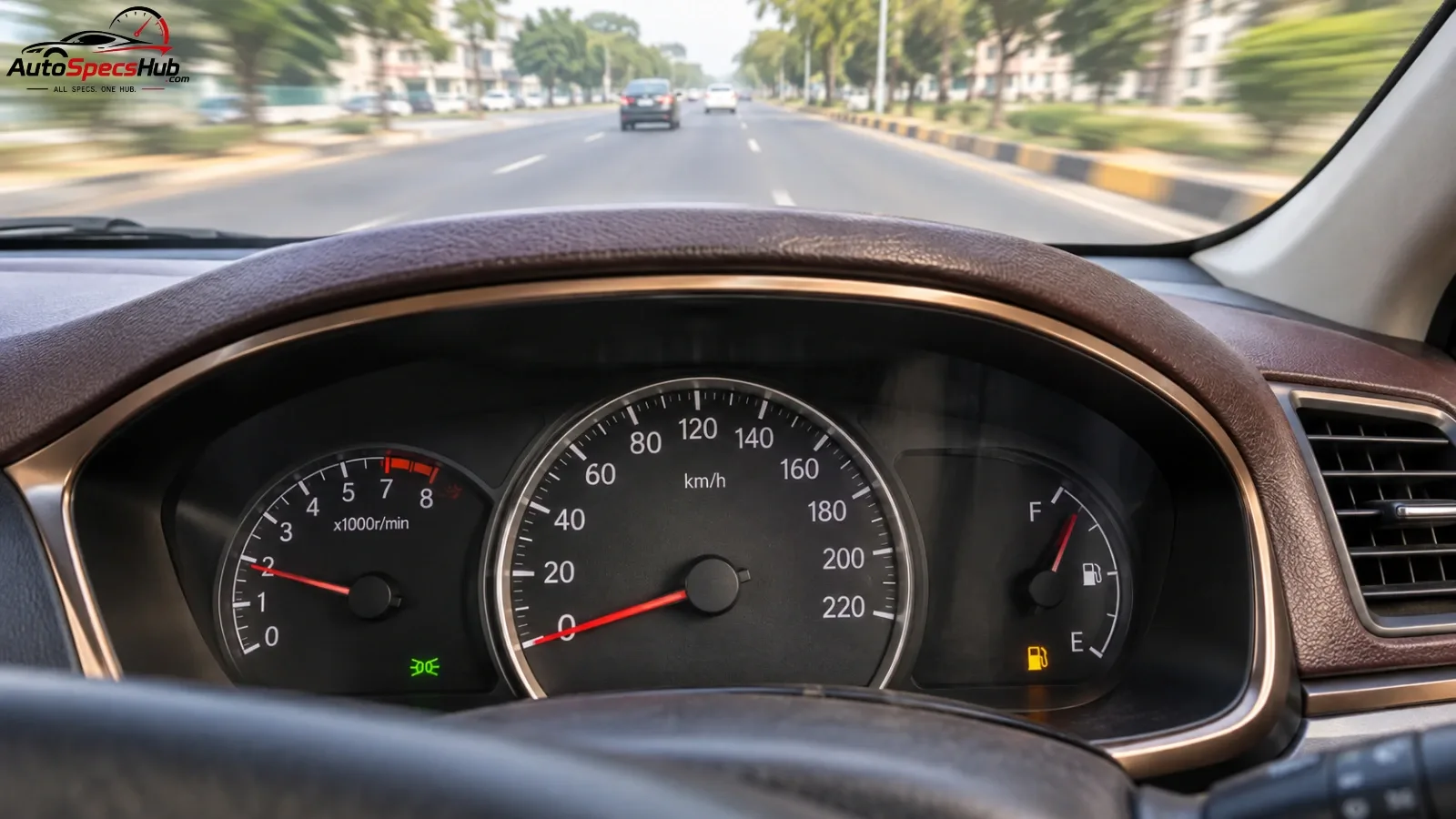

What Does a Car Thermostat Do? How It Controls Engine Temperature
Learn what a car thermostat does, how it controls engine temperature, how it works with the cooling system, and the common signs of a faulty or failing thermostat.
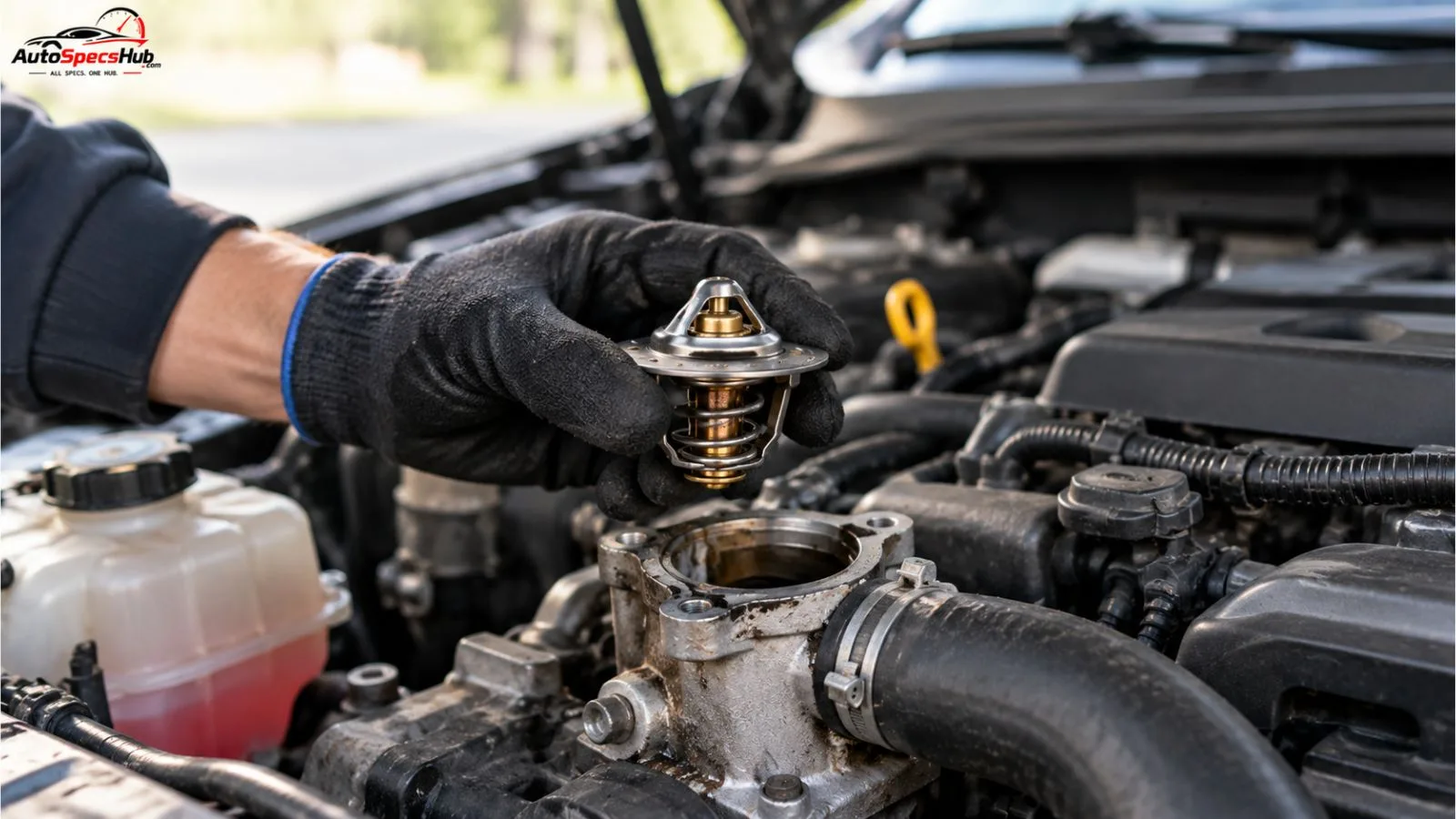
A car thermostat is a small but essential part of the engine cooling system. Its main job is to regulate coolant flow between the engine and radiator so the engine can reach and maintain its normal operating temperature. When the engine is cold, the thermostat restricts coolant flow through the radiator, allowing the engine to warm up more quickly. Once the coolant reaches the thermostat’s operating temperature, the valve opens and allows hot coolant to travel toward the radiator, where excess heat is released.
This simple process affects more than the temperature gauge. Proper thermostat operation supports efficient combustion, cabin heating, fuel economy, emissions control, and engine reliability. A thermostat that stays open can make an engine run too cool, while one that stays closed can restrict coolant flow and contribute to overheating. Understanding how this component works can make cooling-system problems easier to recognize and help you respond before a small issue develops into expensive engine damage.
What Is a Car Thermostat?
A car thermostat is a temperature-controlled valve located within the engine cooling system. It responds to coolant temperature and controls when coolant can flow through the radiator.
Many conventional thermostats use a wax-filled temperature-sensitive element. As temperature rises, the wax expands and moves a valve, gradually allowing more coolant to pass toward the radiator. As temperature falls, the element contracts and the valve closes or restricts flow.
The thermostat does not directly cool the engine. Instead, it manages coolant flow so the cooling system can balance two needs: warming the engine quickly after startup and removing excess heat once normal operating temperature is reached.
How Does a Car Thermostat Work?
When a cold engine is started, coolant temperature is low and the thermostat remains closed or mostly closed. This limits flow through the radiator while allowing coolant to circulate through the engine and designed bypass passages.
As the engine runs, combustion produces heat and coolant temperature rises. When the coolant reaches the thermostat’s opening temperature, the temperature-sensitive element expands and pushes the valve open. Hot coolant can then flow toward the radiator.
The radiator transfers heat from the coolant into the surrounding air. The cooled coolant returns toward the engine, and the thermostat adjusts its opening as temperature changes. It is therefore better understood as a temperature regulator than a simple on-off switch.
Why Does an Engine Need a Thermostat?
An engine is designed to operate within a particular temperature range. It needs to warm up efficiently after a cold start, but it also needs continuous cooling once it becomes hot.
Without a functioning thermostat, coolant could flow through the radiator too early. The engine might take longer to reach normal temperature, particularly in cold weather or during steady highway driving. Running too cool can affect fuel economy, emissions, cabin heat, and engine-management operation.
At the other extreme, insufficient coolant flow can allow temperature to rise excessively. The thermostat helps prevent both situations by regulating when the radiator becomes part of the main cooling path.
Thermostat vs. Radiator
The thermostat and radiator work together, but they perform different jobs. The thermostat controls coolant flow according to temperature, while the radiator removes heat from the coolant.
During warm-up, the thermostat restricts radiator flow so the engine can reach operating temperature efficiently. Once the thermostat opens, hot coolant enters the radiator and passes through its tubes and fins. Air flowing across the radiator carries heat away before the coolant returns to the engine.
The water pump circulates coolant, and the radiator fan provides additional airflow when vehicle speed is low. Hoses connect these components, while temperature sensors and electronic controls help the vehicle monitor engine temperature.
The thermostat works closely with the radiator, which removes excess heat from the coolant before it returns to the engine.
What Happens When a Thermostat Is Stuck Open?
A thermostat stuck open allows coolant to flow through the radiator before the engine has fully warmed up. The most noticeable symptom may be slow warm-up.
The temperature gauge can remain lower than normal, particularly during cold-weather driving or at highway speeds. The cabin heater may also take longer to produce warm air because the engine and coolant are not reaching their intended temperature quickly.
A stuck-open thermostat is usually different from the type of failure that causes rapid overheating, but it still deserves attention. An engine that consistently operates below its intended temperature may not deliver its designed fuel economy, emissions performance, or heating performance.
What Happens When a Thermostat Is Stuck Closed?
A thermostat stuck closed can be more serious because it restricts coolant flow toward the radiator. The engine continues producing heat, but the cooling system may not be able to remove enough of it.
Temperature can rise quickly during heavy acceleration, towing, climbing, hot weather, or extended driving. The temperature gauge may move into the hot range, an overheating warning may appear, or steam may come from the engine compartment.
Overheating should never be ignored. Excessive temperature can damage the cylinder head, head gasket, seals, and other engine components. If the vehicle overheats, stop safely and allow it to cool. Never remove a radiator cap while the cooling system is hot and pressurized.
Common Symptoms of a Bad Thermostat
A failing thermostat can cause different symptoms depending on how it fails. Common signs include an engine that takes unusually long to warm up, a temperature gauge that stays lower than normal, overheating, fluctuating temperature, weak cabin heat, or a coolant-temperature warning.
Some thermostat housings can also develop leaks around their seals or connections. However, these symptoms do not automatically prove that the thermostat is the cause.
A faulty water pump, radiator fan, coolant leak, blocked radiator, damaged hose, low coolant level, or temperature sensor can create similar symptoms. Proper diagnosis is therefore important before replacing a component.
Can a Bad Thermostat Cause Overheating?
Yes. A thermostat that remains closed or does not open sufficiently can restrict coolant flow to the radiator and contribute to overheating.
However, overheating has many possible causes. Low coolant, a leaking hose, a failed water pump, restricted radiator passages, a faulty fan, air trapped in the cooling system, or another mechanical problem can produce similar results.
For that reason, replacing a thermostat without checking the rest of the cooling system may not solve the underlying problem. A complete inspection can help determine whether the thermostat is actually responsible.
Can a Bad Thermostat Cause Low Engine Temperature?
Yes. A thermostat stuck open can allow coolant to circulate through the radiator continuously, making it difficult for the engine to reach its intended operating temperature.
Drivers may notice that the temperature gauge stays lower than usual or that the engine takes much longer to warm up. Cabin heat may also be weaker than expected.
Modern engines use temperature information to manage fuel delivery, ignition, emissions systems, and other functions. Keeping the engine within its intended temperature range is therefore important even when the problem does not involve overheating.
How Is a Thermostat Tested?
Thermostat diagnosis can involve checking engine temperature, temperature-gauge behavior, coolant circulation, and other cooling-system components. On modern vehicles, a scan tool can provide coolant-temperature data from the engine-control system.
A technician may compare actual coolant temperature with the expected thermostat operating range. Some thermostats can also be tested outside the vehicle by measuring their opening behavior under controlled conditions.
Testing procedures vary by vehicle, so there is no single method that applies to every thermostat. Because several cooling-system faults produce similar symptoms, diagnosis should consider the entire system rather than relying on one symptom.
How the Thermostat Works With the Cooling System
The thermostat is only one part of the engine cooling system. The radiator, water pump, fan, hoses, coolant, sensors, and thermostat all have separate roles.
The water pump moves coolant through the engine. The thermostat regulates when coolant flows toward the radiator. The radiator releases heat into the air, while the fan helps maintain airflow when the vehicle is stationary or moving slowly.
This is why a temperature problem cannot always be traced to the thermostat. The same symptom may originate from another component.
Regular cooling-system inspections can help identify problems before they develop into overheating or other engine damage. A consistent car service schedule can also help keep track of coolant inspections, fluid checks, and other scheduled maintenance.
Signs You Should Have the Cooling System Checked
Have the cooling system inspected if the engine temperature behaves differently from normal. Warning signs include repeated overheating, a temperature gauge that fluctuates, coolant disappearing without an obvious explanation, visible leaks, unusual coolant smells, poor cabin heating, or an engine that takes much longer than normal to warm up.
A warning light or temperature gauge entering the hot range deserves prompt attention. Continuing to drive an overheating vehicle can turn a cooling-system problem into major engine damage.
Thermostat Replacement: What to Expect
Thermostat replacement is a common cooling-system repair, but the difficulty varies between vehicles. On some engines, the thermostat is easy to access near a radiator hose connection. On others, additional components may need to be removed.
Replacement generally involves draining an appropriate amount of coolant, removing the old thermostat and seal, installing the correct replacement, refilling the system, and removing trapped air according to the manufacturer’s procedure.
The replacement thermostat should have the correct specification for the vehicle. After installation, the system should be checked for leaks and the engine should be allowed to reach normal operating temperature.
Can You Drive With a Bad Thermostat?
It depends on how the thermostat has failed. A thermostat stuck open may allow the vehicle to continue running while operating too cool, but the problem should still be repaired.
A thermostat stuck closed can cause rapid overheating and is much more urgent. Continuing to drive an overheating engine can cause severe and expensive damage.
If the temperature warning appears or the gauge moves into the overheating range, stop safely and allow the vehicle to cool. Do not open the radiator or coolant reservoir if the system is hot and pressurized.
Car Thermostat FAQs
What is the main purpose of a car thermostat?
The thermostat regulates coolant flow so the engine can warm up efficiently and maintain its intended operating temperature.
How do I know if my thermostat is bad?
Common signs include slow warm-up, low engine temperature, overheating, fluctuating temperature, or poor cabin heat. These symptoms can have other causes, so diagnosis is important.
Can a thermostat cause a car to overheat?
Yes. A thermostat that remains closed or fails to open correctly can restrict coolant flow to the radiator and contribute to overheating.
Can a bad thermostat affect fuel economy?
It can. If the engine runs too cool because the thermostat is stuck open, the engine-management system may not operate under its intended temperature conditions.
How long does a car thermostat last?
There is no fixed lifespan. Service life varies with vehicle design, thermostat quality, coolant condition, age, and operating conditions.
Should the thermostat be replaced with the radiator?
Not necessarily. They are separate components and should only both be replaced when inspection or diagnosis shows that both require attention.
Final Thoughts
The car thermostat is a small component with an important responsibility. By controlling coolant flow according to engine temperature, it helps the engine warm up efficiently and remain within its intended operating range.
A thermostat that works correctly supports normal engine performance, cabin heating, fuel efficiency, emissions control, and cooling-system operation. A thermostat stuck open can cause slow warm-up and low operating temperatures, while one stuck closed can contribute to overheating.
Because several cooling-system components can produce similar symptoms, diagnosing the complete system is important before replacing parts. Checking coolant condition, radiator performance, water-pump operation, cooling-fan function, hoses, sensors, and thermostat behavior can help identify the actual problem.
Following the manufacturer’s maintenance recommendations and responding promptly to unusual temperature behavior are practical ways to protect the engine. The thermostat may be small, but keeping it working correctly is an important part of maintaining a healthy cooling system and preventing avoidable engine problems over the long term.