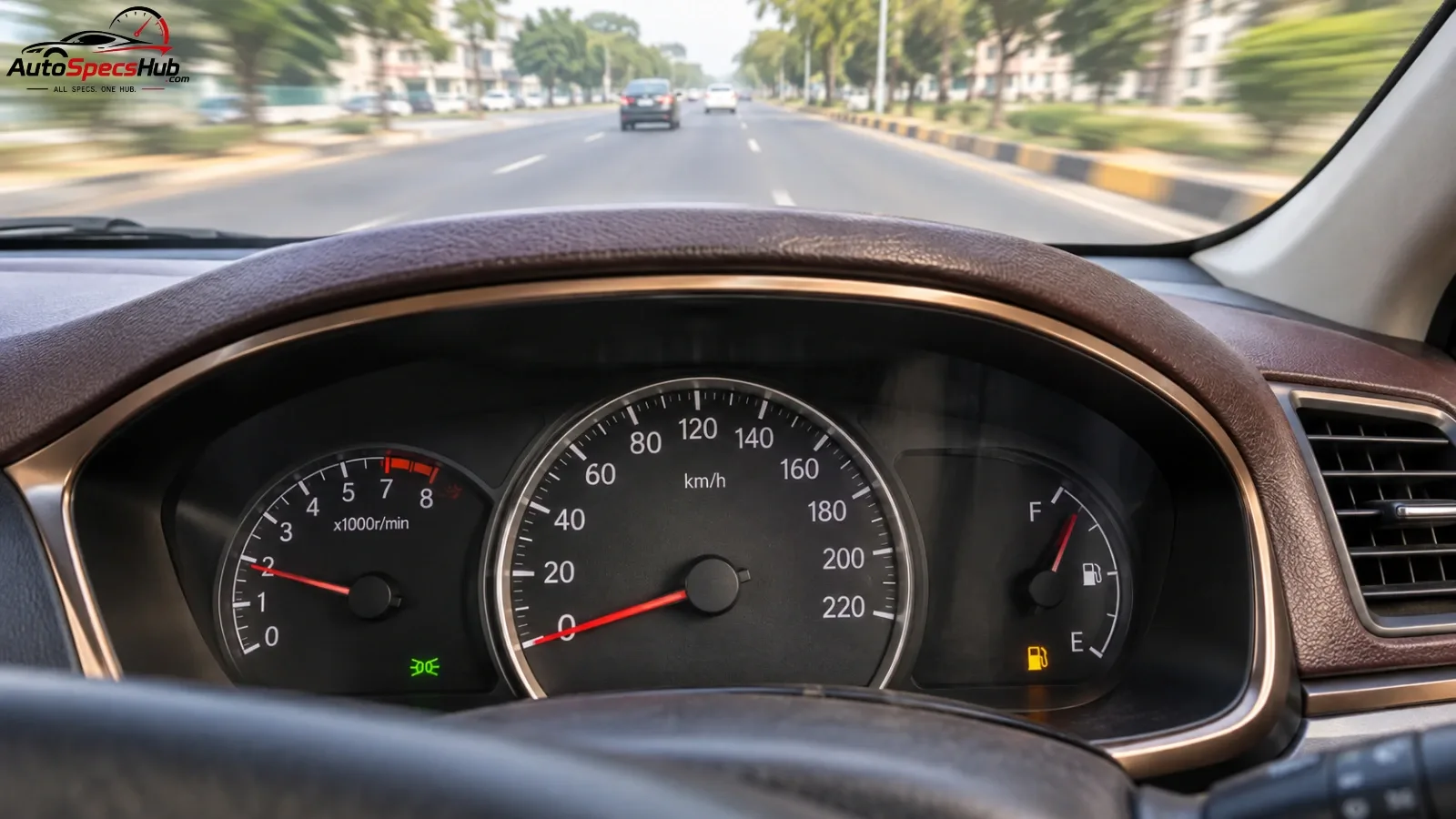

Bad Fuel Pump Symptoms: What They Mean and What to Do Next
Bad fuel pump symptoms to watch for, the OBD codes they trigger, what replacement actually costs, and whether it's safe to keep driving.

A failing fuel pump rarely gives you a clean warning. It usually shows up as a handful of small annoyances that are easy to blame on something else, right up until the car won't start at all.
The most common signs are a loud whining noise from the fuel tank, trouble starting the engine, stalling or losing power under load, and rough running or surging at steady speeds. Catch two or three of these together and the fuel pump is a strong suspect.
Ignore all of them long enough, and the failure stops being gradual. It turns into a tow truck.
Signs of a Bad Fuel Pump
Loud Whining Noise From the Fuel Tank
This is usually the earliest sign. A healthy pump runs quietly, so a persistent whine, especially one that gets louder, means the pump is working harder than it should.
Difficulty Starting the Engine
A weak pump can't build enough fuel pressure quickly, so the engine cranks longer than normal before catching, or doesn't catch at all.
Stalling at High Temperatures
Heat makes a struggling pump motor work even harder. Stalling that seems to happen more on hot days or after highway driving is a common pattern.
Loss of Power Under Load
Driving uphill, towing, or accelerating hard all demand more fuel flow. A failing pump can't keep up, and the engine noticeably loses power exactly when you need it.
Surging or Sputtering at Steady Speed
Inconsistent fuel pressure causes the engine to hunt for the right air-fuel mix, which feels like the car speeding up and slowing down on its own at a constant throttle.
Reduced Fuel Economy
A pump that's losing efficiency often runs the engine richer than it should, burning more fuel for the same driving.
Not every symptom here means the pump specifically. A damaged fuel line, a clogged filter, or a failing sensor can mimic several of these. Power loss and poor fuel economy in particular overlap with other issues too, including a failing catalytic converter, so a proper diagnosis matters more than guessing from one symptom alone.
What Codes Does a Bad Fuel Pump Trigger?
A failing pump doesn't generate its own unique code, but it does trigger several fuel-pressure-related ones your scanner will pick up:
P0087 - Fuel rail/system pressure too low
P0230 - Fuel pump primary circuit malfunction
P0231 / P0232 - Fuel pump secondary circuit low/high
Seeing any of these isn't an automatic confirmation that the pump has failed, since a bad relay, wiring issue, or pressure sensor can throw the same code. It's a strong starting point for diagnosis, not a final answer on its own. If the check engine light is flashing rather than staying steady, treat that as more urgent, our guide to what a flashing check engine light means covers why that distinction matters.
What Does Fuel Pump Replacement Cost?
Real shop data gives a clearer picture than the generic ranges floating around online. A straightforward in-tank pump replacement, the common setup on most everyday cars, typically runs $300 to $500 in parts and labor combined, based on actual service records for common models like the Ford Focus and BMW 328i.
High-pressure pumps used in direct-injection or turbocharged engines cost meaningfully more to replace, often $900 to $2,500, since the pump itself is a more complex, higher-tolerance part. Whichever type you have, it's worth replacing the fuel filter at the same time if it hasn't been done recently, since the labor to access the pump usually means the filter is already exposed.
What Causes a Fuel Pump to Fail?
Fuel pumps don't usually fail for one single reason. A few habits and conditions tend to show up again and again in pumps that die early.
Running the tank low often. Fuel itself cools and lubricates the pump motor. Driving regularly on a near-empty tank makes the pump run hotter and wear faster than it should.
Contaminated or low-quality fuel. Dirt, moisture, or debris in the tank gets pulled through the pump constantly. Over time, that buildup clogs the strainer and strains the motor.
Electrical issues. A failing relay, a corroded connector, or a wiring fault can starve the pump of consistent power, which shows up as the same symptoms as a worn-out pump even though the pump itself might be fine.
Simple age and mileage. Even a well-maintained pump has a finite lifespan. Motors wear down over tens of thousands of miles, and there's no way to extend that indefinitely.
None of these guarantee a failure on their own, but a pump that's dealt with several of them for years is a much better candidate for giving out early than one that hasn't.
Is It Safe to Keep Driving?
Not for long. A failing fuel pump doesn't usually fail all at once, it degrades, which means the symptoms above will generally get worse rather than stay steady. The real risk is the pump cutting out entirely while you're driving, which can mean losing power steering and power brakes assist along with the engine itself, not just an inconvenient stall in a parking lot.
If you're noticing more than one symptom from the list above, it's worth getting the fuel pressure tested before it fails completely rather than after. Keeping up with your car's service schedule more broadly also helps catch developing issues like this before they turn into a roadside breakdown.
FAQs
What does a dying fuel pump sound like?
A persistent whining or humming noise from the rear of the car, near the fuel tank, that gets louder over time or under load. It's usually the first symptom to show up, often weeks before anything else does.
Can a bad fuel pump cause the check engine light to come on?
Yes. Low or unstable fuel pressure triggers codes like P0087 or P0230, which will turn on the check engine light even though the pump itself doesn't have a single dedicated code.
How long do fuel pumps usually last?
Most fuel pumps last well beyond 100,000 miles under normal conditions. Running the tank low frequently, using contaminated fuel, or heavy towing can shorten that lifespan considerably.
Can I replace a fuel pump myself?
It's possible on some vehicles, but the tank often needs to be dropped or accessed from inside the cabin depending on the car, and incorrect installation can cause fuel leaks. Most owners have this done by a shop.
Will a bad fuel pump affect gas mileage?
Often, yes. A struggling pump can cause the engine to run richer than necessary to compensate for inconsistent pressure, which shows up as worse fuel economy before the car starts having bigger problems.
When to Stop Waiting and Get It Checked
A whining noise or a slow start on its own isn't worth panicking over. Two or three of these symptoms showing up together, especially stalling or power loss under load, is the point where waiting starts to cost you more than a diagnostic visit would.
Catching a failing pump early is the difference between a planned repair and getting stuck somewhere inconvenient.