
Can You Lease a Used Car? What to Know Before You Sign
Can you lease a used car? Yes, and it often costs less monthly than a new lease. Here's how it works, what to check, and where to find one.
A three-year-old car has already lost close to half its value the moment it stops being new. Most shoppers only think to buy that car. Almost nobody thinks to lease it, even though that drop in value is exactly what makes a lease payment cheaper.
Yes, you can lease a used car, and skipping that option often means leaving real money on the table. The trade-off is that used leases are harder to find and work a little differently than the new-car lease most people know.
Here's how it works, what you give up compared to leasing new, and what to check before you sign anything.
Can You Actually Lease a Used Car?
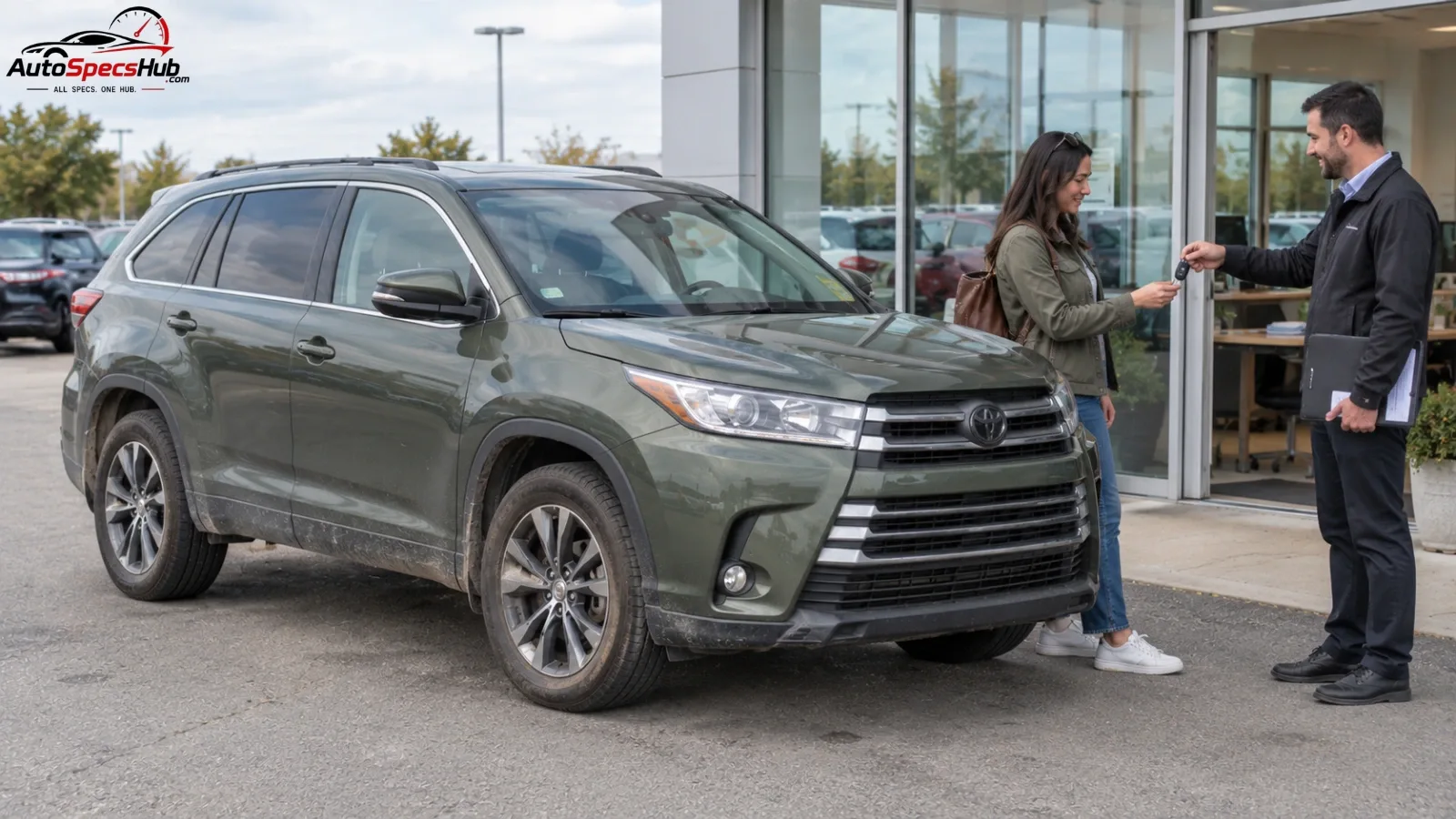
Yes. It's less common than leasing new, but plenty of dealerships and leasing companies offer it, usually on certified pre-owned (CPO) vehicles rather than just any used car off a private lot.
A CPO vehicle has already gone through a manufacturer or dealer inspection, which is part of why lenders are comfortable leasing it. Age and mileage caps vary by manufacturer, but they tend to fall somewhere around 4 to 6 years old and under 80,000 to 85,000 miles. Try to lease a used car outside of that CPO process, and your options shrink fast. Most lenders want that inspection paperwork before they'll write a lease.
How a Used Car Lease Works
A lease payment is built around depreciation, not the full price of the car. You're paying for how much value the car is expected to lose during your lease term, not the car itself.
That's exactly why leasing a used car can be cheaper. A car has already taken its steepest depreciation hit in the first one to three years. Lease it after that drop has already happened, and you're financing a smaller loss, which usually means a smaller monthly payment.
The process itself looks close to a new car lease:
Find a dealer or leasing company that offers used car leases, usually through their CPO inventory.
Confirm the mileage limits and lease term, since used leases tend to be stricter on both.
Review the wear-and-tear policy and any fees due at lease-end.
Check what's left on the manufacturer warranty, since it may not cover the full lease term.
What Used Car Leases Actually Cost
Real numbers help here more than a simple higher-or-lower comparison. According to Experian, the average new car lease payment was $613 a month in Q4 2025, up 1.5% year over year. The average used car loan payment over the same period was $537 a month.
There's a gap worth noting. Experian's auto finance data, the same data every lease comparison article cites, doesn't publish a separate average payment for used car leases. Leasing only accounts for about 20% of financed vehicles in the first place, and used leases are a small slice within that already small slice. That's part of why they're harder to find than an actual payment number to compare against.
What that means in practice is that a used lease payment should land somewhere below the $537 average used loan payment, since you're financing depreciation rather than the full loan amount, but there's no clean industry average to point to the way there is for new leases. Ask for a specific quote before assuming a used lease will beat a used loan.
New Lease vs. Used Lease
New Car Lease | Used Car Lease | |
Avg. monthly payment | $613 (Experian, Q4 2025) | Not separately tracked; typically below the $537 avg. used loan payment |
Availability | Widely available | Limited, mostly CPO |
Manufacturer warranty | Full coverage for the term | May run out mid-lease |
Legal protection | Standard consumer protections apply | Often excluded from state lemon laws |
Latest features/tech | Yes | No |
Mileage limits | Standard | Often stricter |
What You Give Up by Leasing Used Instead of New
A lower payment isn't free. Leasing a used car usually means giving up a few things a new lease includes by default.
You likely won't get the newest safety tech or infotainment features, since you're leasing whatever generation of the car happens to be available used. Mileage limits tend to run tighter too, and going over them at lease-end gets expensive fast. Check the lease's mileage cap against a mileage benchmark by vehicle age before you sign, so you know whether it actually fits how much you drive.
The bigger issue is warranty coverage. If the manufacturer's warranty on the vehicle is set to expire partway through your lease term, you could end up paying out of pocket for repairs on a car you don't even own. A leased used car still needs to be kept up to the maintenance schedule, warranty or not, to avoid wear-and-tear charges at lease-end.
Legal Protections Are Different Too
This is easy to miss. In many states, leased used cars aren't covered under lemon laws the way a purchased used car would be. If a defect shows up during the lease, you may be responsible for the repair cost yourself rather than having legal recourse against the dealer.
This is worth asking about directly before signing, not assuming one way or the other. Ask the dealer in writing whether your state's lemon law applies to the specific lease you're being offered.
Is Leasing a Used Car a Good Idea?
It depends on what you're actually trying to solve for. If your main goal is a lower monthly payment on a nicer car than you could otherwise afford, leasing a used car can work well, especially on luxury or higher-trim vehicles where the new-lease payment gap is largest.
If you want the newest tech, the longest warranty coverage, stronger legal protection if something goes wrong, or you plan to drive well past the usual mileage limits, a used car lease works against you on all four. In that case, buying used outright or leasing new are usually the better fit.
Whichever way you lease, checking the car's actual condition still matters, and running through a used car inspection checklist before committing works the same whether the vehicle is leased or bought.
What Happens at the End of a Used Car Lease
Most used car leases end the same way new ones do. You return the car, or the dealer offers to sell it to you at a set buyout price, usually lower than what a new lease buyout would be, since the car's value was already lower going in.
If you're leaning toward keeping the car afterward, it's worth asking about the buyout figure before you sign the lease, not after. Some lenders will negotiate it upfront.
FAQs
Is it cheaper to lease a used car than a new one?
Usually, yes. Monthly payments are based on depreciation, and a used car has already lost the bulk of its value, so there's less left to pay for over the lease term.
Can you lease a used car for a short term, like 6 months?
Sometimes. A few specialist leasing companies and brokers offer short-term used car leases, though they're not as widely available as standard 2 to 5-year terms.
Does leasing a used car require a manufacturer warranty?
Not always, but it's worth checking. If the warranty has already expired or will expire mid-lease, you may be responsible for repair costs during the lease term.
Are used car leases covered by lemon laws?
Often not. Many states exclude leased used cars from lemon law protection, which means repair costs for defects that appear during the lease may fall on you rather than the dealer. Confirm this directly before signing.
Can you lease a used car for business use?
Yes. Business leases on used vehicles are available through many of the same dealers and leasing companies, and may offer separate tax advantages depending on how the vehicle is used.
Is leasing a used car harder to find than leasing new?
Yes. Most leasing programs are built around new inventory, so used leases are limited mainly to certified pre-owned vehicles at select dealers.
The Takeaway
You can lease a used car, and it's often a smart way to get a nicer vehicle for less each month. The trade-offs are a shorter warranty window, tighter mileage limits, weaker legal protection if something breaks, and fewer dealers actually offering it.
If the payment savings matter more to you than those trade-offs, a used lease is worth pursuing. If not, buying used or leasing new is probably the simpler path.