
How Much to Tint Car Windows: Prices by Film Type and Vehicle
How much to tint car windows: typical prices by film type, vehicle, and window, plus what changes your quote and the tint laws that can force a redo.
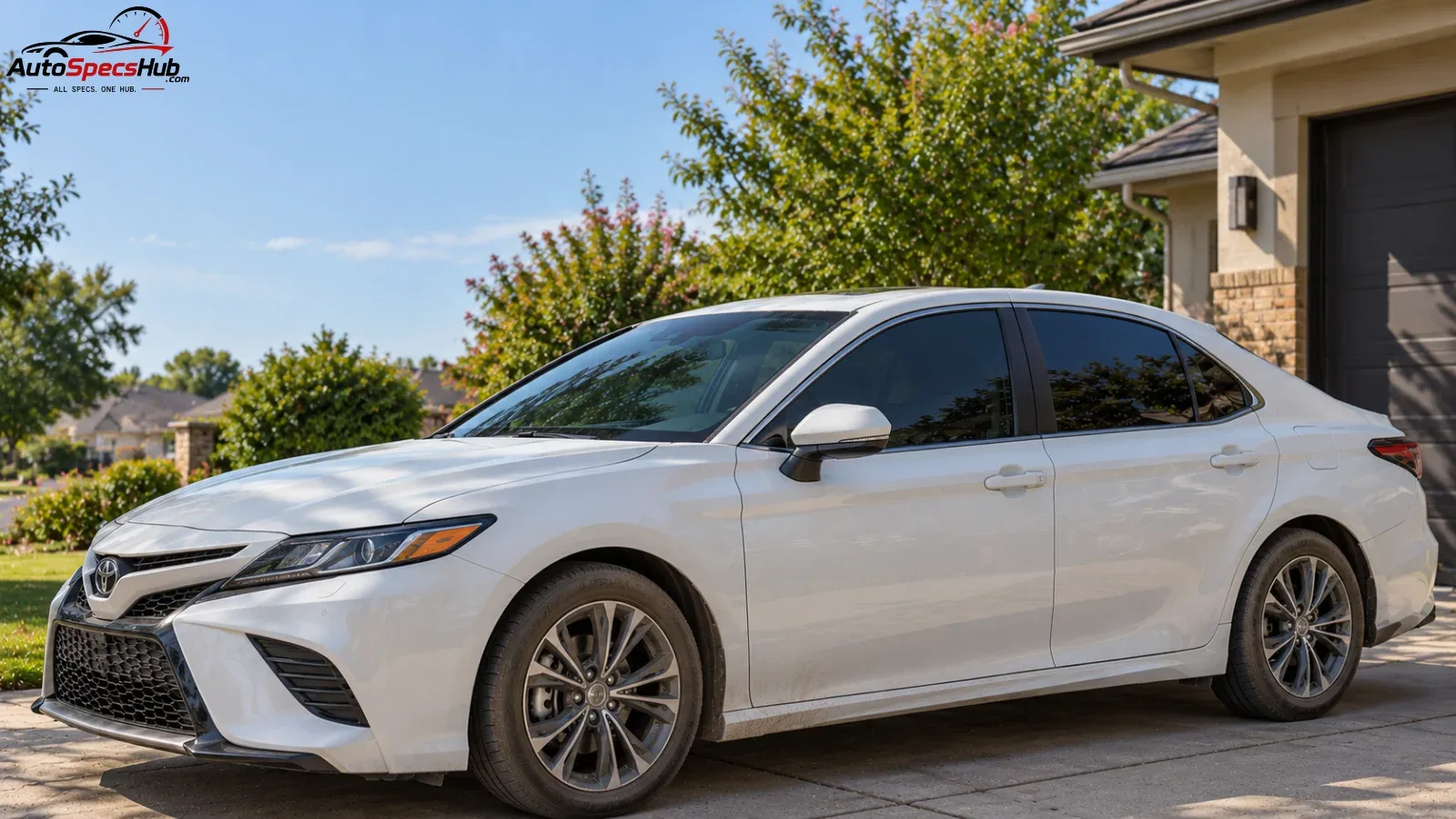
Two quotes to tint the same car can land hundreds of dollars apart, and the cheaper one isn't always the better deal.
For a full car, standard dyed or carbon film usually costs about $150 to $400, while ceramic runs about $300 to $900 or more, according to Southern California shop guides. Tinting only the front windows usually costs $100 to $300.
How much to tint car windows depends mostly on three things: the film, the size of the vehicle, and how many windows you tint. Here is how each one moves the price, and what can quietly add to the bill.
How Much Does It Cost to Tint Car Windows?
The film you choose sets the baseline, and the size of the vehicle scales it. These ranges come from Southern California shop guides, which tend to run higher than smaller markets, so use them as a budget, not a quote.
Vehicle | Standard film | Ceramic film |
Coupe | $120 to $250 | $250 to $500 |
Sedan | $150 to $300 | $300 to $650 |
Small SUV or crossover | $180 to $350 | $350 to $750 |
Full-size SUV or minivan | $220 to $400 | $400 to $900 |
Pickup truck | $150 to $300 | $300 to $650 |
EV with a glass roof, such as a Tesla | $250 to $450 | $450 to $1,200 or more |
A full-car tint normally covers the side windows and the rear window. The windshield, sunroof or moonroof, and removal of old tint are usually priced separately.
Window Tint Cost by Film Type
The film is the biggest price driver, and it changes more than the price. It affects how much heat the tint blocks and how long it lasts.
Film | Typical price (sedan) | Heat rejection | Lifespan |
Dyed | $100 to $250 | Low | 2 to 5 years |
Carbon | $200 to $400 | Moderate | 5 to 10 years or more |
Ceramic | $300 to $700 | High | 10 years or more |
Premium infrared ceramic | $500 to $900 or more | Highest | 10 years or more |
A second shop's guide runs about $50 to $200 higher at the edges of each tier, so expect some spread between quotes.
Dyed film costs least because it simply darkens the glass by absorbing light. It also absorbs heat instead of rejecting it, and it can fade toward purple over time. Carbon film sits in the middle, with better heat rejection and a matte look.
Ceramic film uses non-metallic particles to block infrared heat, the part of sunlight that makes a parked car feel like an oven. Many ceramic films carry a lifetime manufacturer warranty.
Tint can help reduce solar heat entering the cabin, but it won't fix an air-conditioning fault. If your car AC is blowing hot air, the underlying AC problem needs separate diagnosis.
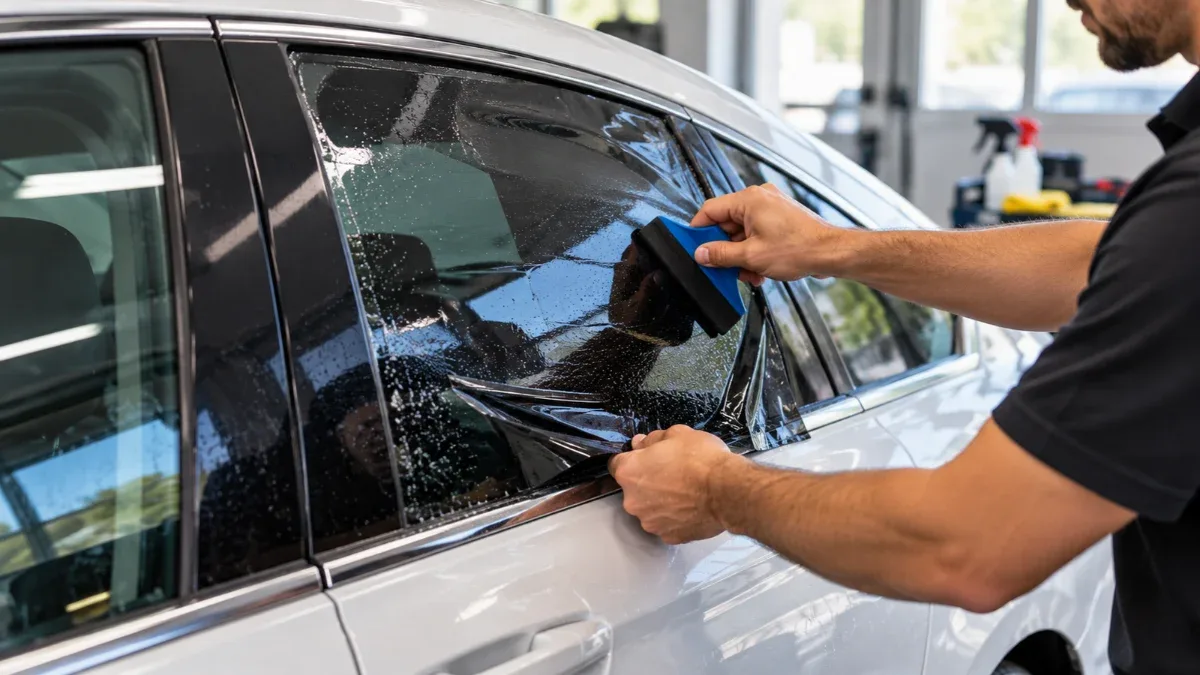
Window Tint Cost by Window
Plenty of SUVs and trucks come with darker privacy glass behind the front doors, so some owners tint only the front two windows to match. These prices come from a Los Angeles shop's price list.
Area | Typical price |
Front two windows | $100 to $300 |
Single side window | $40 to $120 |
Rear windshield | $80 to $250 |
Windshield visor strip | $30 to $100 |
Full windshield, clear ceramic film (where legal) | $200 to $500 |
Sunroof or panoramic roof | $50 to $400 |
The rear windshield usually takes the most labor, since the glass curves sharply and the defroster lines have to be worked around.
What Changes Your Quote
Beyond film and window count, a few things can move the number:
Glass shape. Curved rear glass and small quarter windows take more time.
Old tint removal. Stripping old film and adhesive often adds $100 to $250.
New vs. used car. A new car is the easiest and cheapest job, because there's no old film to remove.
Brand and warranty. Name-brand films with manufacturer warranties cost more.
Shop and location. Certified installers in big metro areas often charge more, but they usually stand behind the work.
SUVs and minivans also have more glass than sedans, which is part of why they cost more. If you're still choosing between the two body styles, the SUV vs. sedan comparison covers the bigger cost picture.
Does the Shade Change the Price?
Not much. The darkness you pick rarely changes the price. What does change it is paying for a premium film line to get strong heat rejection at a lighter shade, which is the usual choice when your state limits how dark you can go.
Is Cheap Tint Worth It?
One Los Angeles installer warns about the lowest quotes, such as $99 specials. These usually use basic dyed film and a rushed install, and the common problems are bubbling, peeling edges, and a purple shift after a year or two.
Fixing it costs more than doing it right. The failed film has to be removed, and then you pay for new tint on top. Redoing a tint job is the costliest mistake you can make with tint.
If you're buying a used car that already has tint, check it for bubbling, peeling, and fading before you assume it's fine. A used car inspection checklist is a good place to start.
Is Ceramic Tint Worth Paying More For?
Ceramic costs about $150 to $400 more than standard film on the same vehicle. For many drivers, the extra money buys real comfort. Installers argue that even a light ceramic film can beat a dark dyed film on heat, because it blocks infrared instead of just darkening the glass.
It makes the most sense if you park outside, drive in a hot climate, or live in a state that limits how dark your front windows can go. If you only keep the car a short time, or you just want privacy, carbon film is a reasonable middle option.
What the Tint Percentages Mean
Tint is measured in VLT, or visible light transmission, which is the percentage of light that passes through the glass and film. A lower number means a darker window.
Shade (VLT) | What it looks like | Where it's usually used |
70% | Nearly clear | Front windows in the strictest states, often with ceramic film for heat |
50% | Light tint | Front windows where the limit is moderate |
35% | Medium tint | The most common front-side limit |
20% | Dark | Rear windows in states that allow it |
5% | Very dark, often called "limo" tint | Rear windows only, where the law allows |
Do Tint Laws Affect the Price?
They can. Tint laws are set state by state, and the same film can be legal in one state and ticketable in the next. If yours is darker than the law allows, you can end up paying for the job twice: once to install it and again to strip it and start over.
Front side windows are the most regulated, and the limits vary widely. Texas allows 25% and Florida 28%, while California and New York require 70%, and New Jersey doesn't allow aftermarket film on the front side windows at all. Rear windows are often less restricted, and some states allow darker tint on SUVs and vans.
Rules and enforcement change, so confirm your state's limits with your DMV or installer before you choose a shade.
How to Get a Fair Quote
Before you agree to a price, ask these questions:
Which film brand and product line is being quoted? "Ceramic" covers a wide range of quality.
What does the price include? Side windows and the rear window are standard, but the windshield, sunroof, and old-tint removal are often extra.
Is there a warranty from the film maker, and does it cover bubbling, peeling, and fading?
What will removal cost if your car already has tint?
Can the shop quote two film types for the same coverage, so you can compare?
FAQs
How long after tinting can I roll down my windows?
Wait at least 48 to 72 hours, so the adhesive has time to cure. A few hazy spots or tiny water bubbles in the first days are normal, and they fade as the film dries.
How long does a tint job take?
A typical car takes one to three hours. Bigger vehicles with ceramic film, particularly if the windshield is included, can run four to five.
Can I tint my own car windows?
Yes, but results vary. DIY kits cost roughly $30 to $150, compared with $150 to $900 for professional installation. Common DIY problems are bubbles, creases, and dust trapped under the film, and a professional install usually comes with a warranty.
Does window tint interfere with phone or GPS signals?
Metallic films can. Carbon and ceramic films are non-metallic, so they don't affect GPS, cell service, or keyless entry.
Is window tinting worth it?
For most drivers in hot or sunny climates, yes. Tint cuts heat, UV exposure, and glare, and it adds privacy. The downsides are the upfront cost, legal limits, and reduced night visibility with a very dark shade.
Pay for the Film, Not the Shade
How much to tint car windows comes down to the film, the vehicle, and the number of windows, not how dark you go. Get two or three quotes for the same film and coverage, confirm your state's limits, and ask about removal fees before you agree to anything.
Do that, and you'll skip the one expensive mistake in tinting: having to redo the job.